Many major cities in the United States are grappling with large industrial buildings that have fallen into disuse. These buildings hold historical and architectural significance and are often protected from demolition. Consequently, architects face the challenge and responsibility of adapting these buildings to contemporary functionalities. Opting against demolition reflects a sustainable construction approach and highlights the importance of honoring the built heritage.
The evolution of new technologies, innovative applications, and a shift towards sustainable solutions are central to contemporary hotel architecture. These developments aim to raise awareness about environmental care while enhancing indoor comfort and well-being. From expansive resorts and tourist complexes to cabins and remote retreats, the design of common areas incorporates essential furniture for effective activities, proper climate control equipments, and wall and floor finishes that align with specific needs.
New developments, companies, start-ups in the real estate industry are transforming perceptions and needs around home ownership and rental experiences. In a society where home ownership is attributed to personal success, innovations in the residential rental market seek to enhance the appeal of renting. Evolving consumer needs are resulting in a trend of exclusive, community-focused living models. This shift is redefining how people view their living spaces, interact with their communities, and perceive the value of their homes.
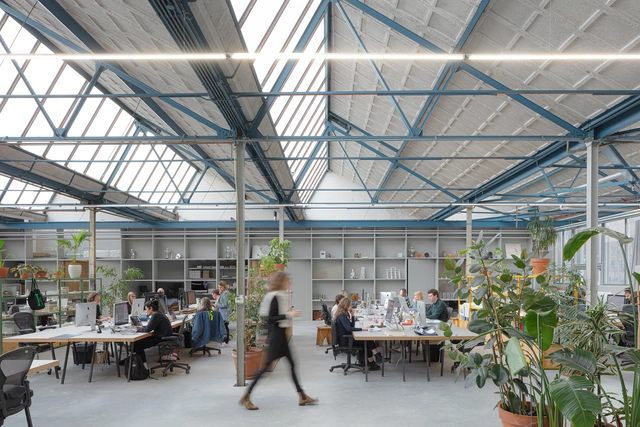
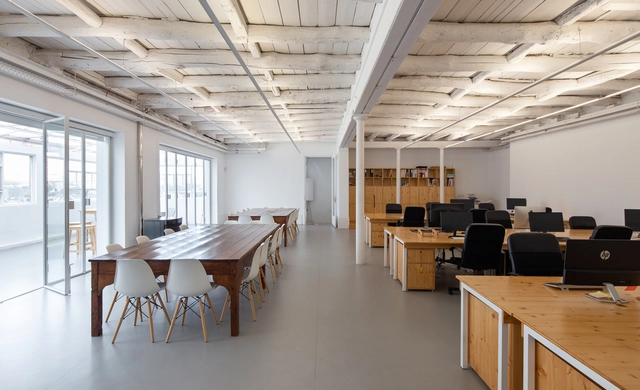
The average person spends approximately 90,000 hours, equivalent to one-third of a lifetime, at work. The workplace can be a second home to adults, and spending multiple hours has fueled a longstanding desire for change within the workplace. Over the decades, various factors, including pandemics, economic crises, and changing generational preferences, have impacted the nature of work and the places people work in. The recent phenomena of the Great Resignation and the widespread adoption of remote and hybrid work arrangements have accelerated the transformation of workplaces. In response, organizations are increasingly prioritizing the overall employee experience, recognizing the need to create environments that accommodate evolving work structures while fostering satisfaction, engagement, and well-being among their workforce.
Burnout syndrome is an occupational phenomenon resulting from chronic workplace stress and emotional tension and has been affecting more and more professionals every day. It is directly associated with each person's daily work life, not only with the operational aspects of the job but also the physical environment.
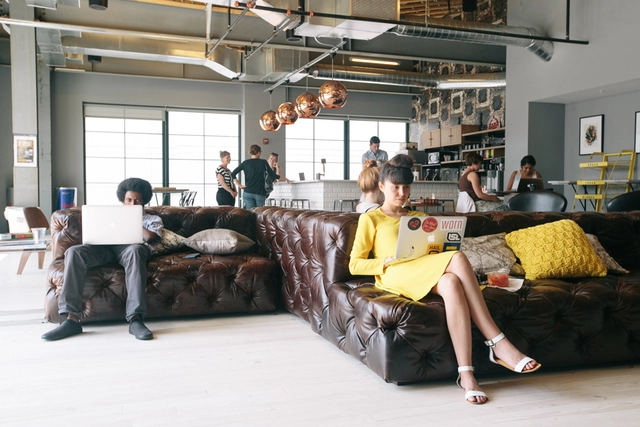
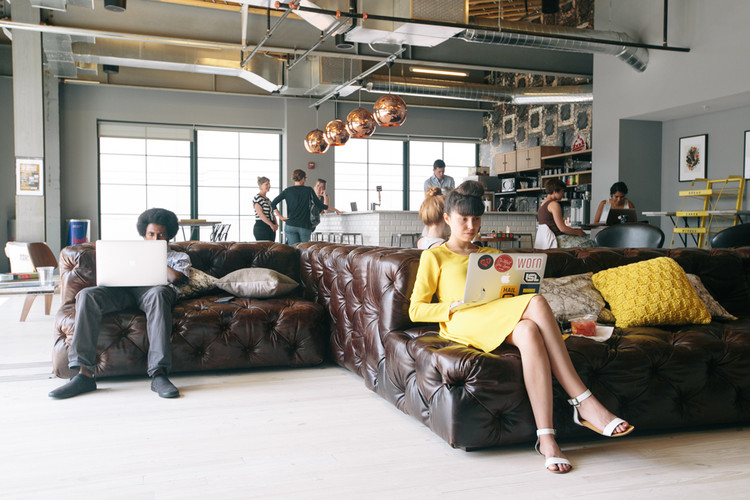
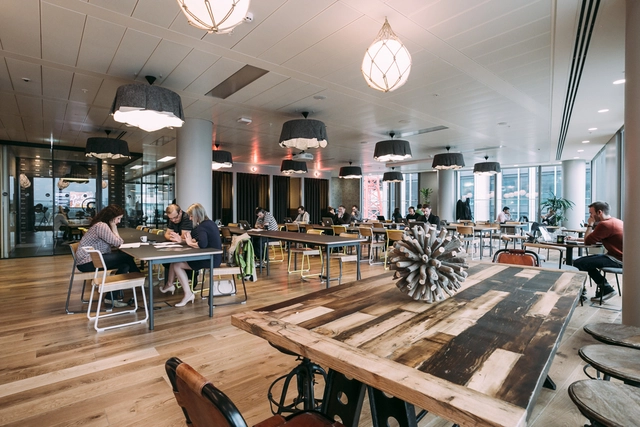
We spend on average 1/3 of our day in workspaces, so it's no wonder they considerably affect our mental health. Following a period of intense home office activity during the year 2020, now people are returning to collaborative workplaces. These spaces offer a great alternative to escape the domestic environment and create separate places for each function of our lives, a much-needed change after a year of isolation.
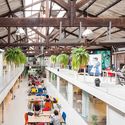
London WeWork South Bank. Image Courtesy of WeWork
As we begin to emerge from the COVID-19 pandemic, there has been much speculation and debate about whether we will return to our old habits of working in the office 5 days a week, or if working from home creates equal or greater productivity. However, many believe that the future of the workforce will largely be focused on a balance between in-person and in-office working, and a form of remote working, that summates into a new, hybrid model. But if you’re not at home, and you’re not working, then you must be somewhere else- exploring the true in-between of a public and a private space. Enter the concept of the “third” place, which is used to describe everything from coffee shops to banks, and even co-working spaces. If you’ve ever studied for an exam at a bookstore, or even dropped into an airport restaurant to catch up on some work, then you too, have visited a “third” place.
ArchDaily's theme of August 2020, How We Will Live Together, invites readers to contemplate the way we inhabit spaces with those around us. In this article, we address different aspects of coexistence in a world impacted by COVID-19 and the changes that need to be made in order to create a world where everyone has the space to live, work, and grow.
Nowadays, our day to day interactions with those around us hinge on social distancing, leading many to question--is this truly the best solution for curbing the spread of COVID-19? With people worldwide still reeling from the socio-economic upheaval caused by the pandemic, the concept of forcefully distancing yourself from friends and family, especially at at time when you most need them, seems just plain inhuman. While distancing is undoubtedly necessary, it seems more optimistic words would serve to better drive home the message. For example, a slogan like 6ft of Empathy maintains the necessary safety principles without stripping away the social element that humanity thrives on.
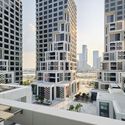
Due to population growth and an increase in urban density and real estate prices, architects and urban planners have been pursuing alternatives for new spatial configurations for settling and housing in the cities. The multiplication of shared housing and workspaces is an example of how the field of architecture is adapting to new ways of living in society.
Over the last three months, Coronavirus has spread to more than 100 countries and claimed more than 3,800 lives (as of 8th March 2020). It has also plunged many global industries into a paralysis, from canceled flights and mass quarantines to disruptions in supply chains and financial markets. Setting aside the serious health implications of the outbreak, the coronavirus epidemic has, in an unorthodox way, amplified a debate over the future of work. With millions of people around the world working from home as a result of the outbreak, whether through quarantine or as a company precaution, the question is being asked by outlets around the world: are we seeing the beginning of the end of the traditional office typology?
Recent years have seen a dramatic transformation in population distribution: today, more than half of the world's population now lives in cities. In parallel fashion, housing and work spaces have all increasingly embraced the communal, resembling the impulse toward public spaces in new cities.
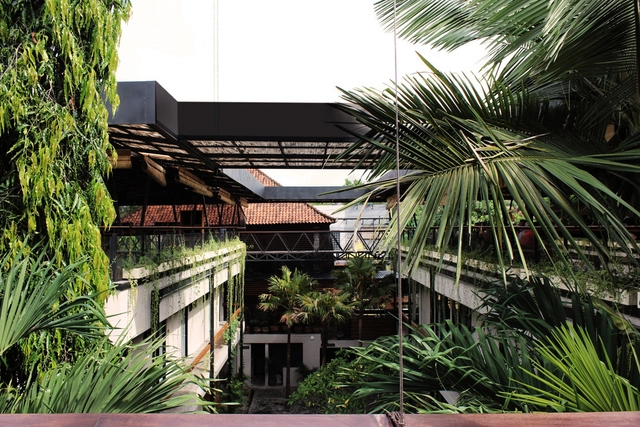
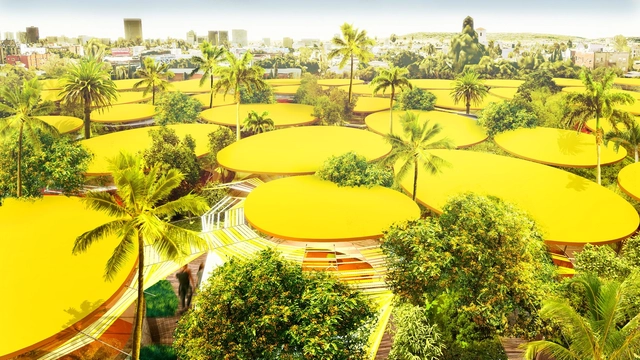
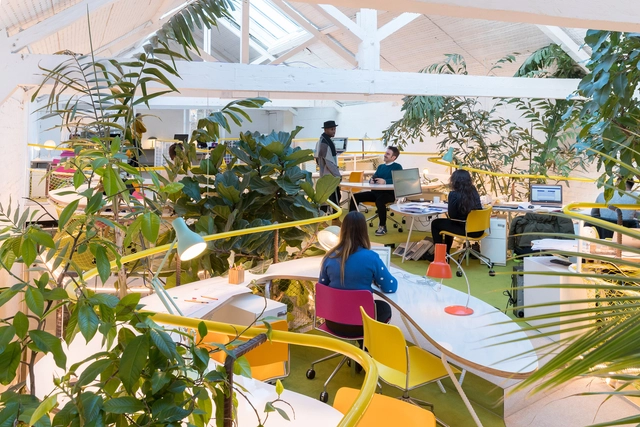
Second Home, a London-based creative business, is set to open its first location the U.S. Designed by Madrid-based Selgascano, the project will see the transformation of the historic site of the Anne Banning Community house in East Hollywood through a 90,000-square-foot urban campus.












![IHI Innovation Center [i-Base] / Nikken Sekkei - Interior Photography, Cowork Interiors, Garden, Facade](https://snoopy.archdaily.com/images/archdaily/media/images/60f8/0386/3dcb/114e/afa4/9d19/slideshow/ihi-yokohama-032.jpg?1626866574&format=webp&width=640&height=580)
![IHI Innovation Center [i-Base] / Nikken Sekkei - Interior Photography, Cowork Interiors, Beam, Table](https://images.adsttc.com/media/images/60f8/035d/3dcb/114e/afa4/9d14/thumb_jpg/ihi-yokohama-006.jpg?1626866535 "© Nacasa & Partners")
![IHI Innovation Center [i-Base] / Nikken Sekkei - Interior Photography, Cowork Interiors, Garden, Table, Chair](https://images.adsttc.com/media/images/60f8/0386/8075/4201/65f8/e457/thumb_jpg/ihi-yokohama-036.jpg?1626866583 "© Nacasa & Partners")
![IHI Innovation Center [i-Base] / Nikken Sekkei - Interior Photography, Cowork Interiors, Facade, Door, Chair](https://images.adsttc.com/media/images/60f8/035d/3dcb/114e/afa4/9d15/thumb_jpg/ihi-yokohama-016.jpg?1626866535 "© Nacasa & Partners")
![IHI Innovation Center [i-Base] / Nikken Sekkei - Interior Photography, Cowork Interiors, Kitchen, Facade, Chair](https://images.adsttc.com/media/images/60f8/035e/8075/4201/65f8/e452/thumb_jpg/ihi-yokohama-004.jpg?1626866536 "© Nacasa & Partners")
![IHI Innovation Center [i-Base] / Nikken Sekkei - More Images](https://images.adsttc.com/media/images/60f8/0386/3dcb/114e/afa4/9d19/newsletter/ihi-yokohama-032.jpg?1626866574)










.jpg?1598379881 "Three Generation House / BETA office for architecture and the city. Image: © Ossip van Duivenbode")