More than a year into this worldwide experiment of working from home, we have not yet landed on the perfect formula for the workforce being once again in the workspace. Furthermore, not only has the Working From Home (WFH) situation lasted longer than anticipated, it has embedded itself into the way we will work forevermore. As vaccines are rolled out, leaders of all types of organizations must now seriously consider how to handle the return of their employees to the physical office space.
Mars House designed in May 2020 by Artist Krista Kim, has become the first sold digital NFT home in the world. The 3D digital file that can be experienced in virtual reality, was just acquired. Rendered using Unreal Engine, a software used to create video games, the house can be experienced in VR, but could also be experienced through augmented reality (AR) environment in apps. A structure comprised of light, Mars House generates a healing atmosphere, with a musical accompaniment by Jeff Schroeder of The Smashing Pumpkins.
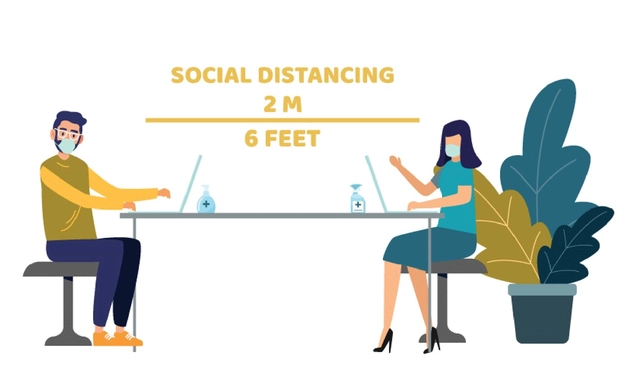
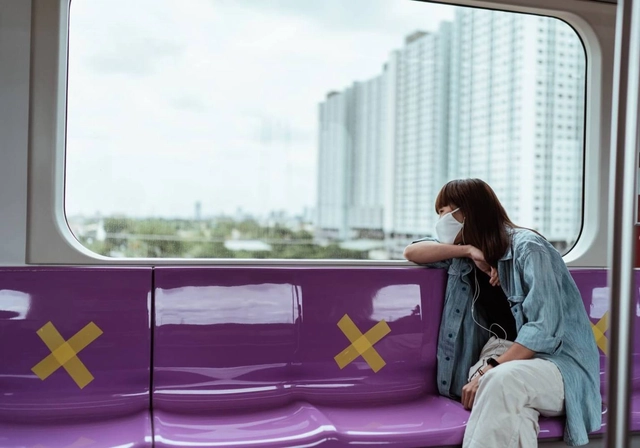
The 2020 COVID-19 outbreak has deeply redefined our relationship to public spaces. Fear of transmission (both direct and indirect) has closed schools, restaurants, office buildings, and transportation hubs, and has limited access to other densely populated locations and shared spaces. We have also learned that COVID-19 primarily transmits through the spread of water droplets from infected individuals, especially in scenarios of close contact, such as prolonged indoor activities. As a result, new building regulations have been put in place that reduce the circumstances in which the disease can spread. These safety precautions include mask mandates, redesign of ventilation systems, and social distancing policies. In this article, we will focus on social distancing.
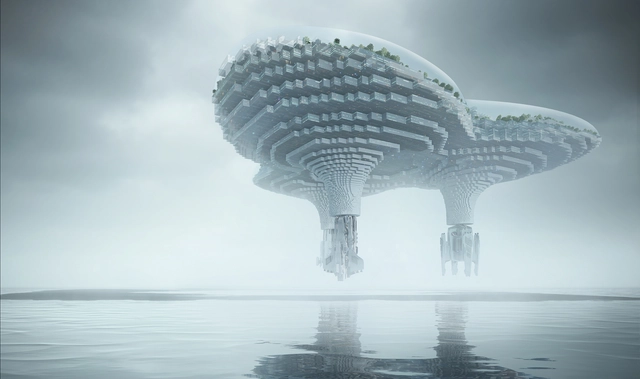
It didn’t take long for the coronavirus pandemic to inspire both cutting-edge architectural design solutions and broad speculation about future developments in the field. Many of the realized innovations have been contracted by or marketed to the real estate sector. But as firms compete to provide pandemic comforts to rich tenants, the COVID-19 technology that directly affects working-class communities is mostly limited to restrictive measures that fail to address already-urgent residential health hazards or administrative conveniences for developers that allow them to circumvent public scrutiny. These changes had been long-planned, but they have found a new license under the pretext of coronavirus precaution. In terms of “corona grifting,” this sort of thing takes the cake.
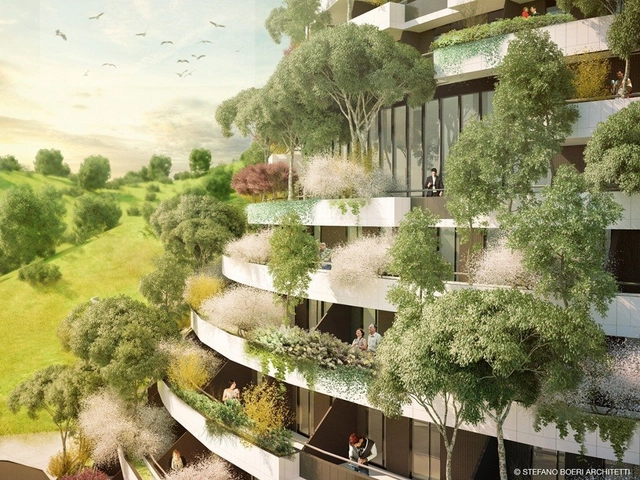
Guizhou Mountain Forest Hotel / Stefano Boeri Architetti. Image Courtesy of Stefano Boeri Architetti
When we were forced to be confined at home due to the self-quarantine policy of the COVID-19 global pandemic, everyone must have spent a tremendous amount of time looking out from their window. Sometimes when we are so exhausted with everyday work and life, we just wish to have a quick getaway to oceans and forests, somewhere close to the natural green.
Religion is a uniquely human reality. As are cities. As we emerge from our burrows of sequestration, the silent cities and places of worship will become human again, versus the present sad memory of what they once were.
We will recover from another human reality, the pandemic and when we do we will be forced to address some questions. Before this century, the automobile was once seen as the way Americans could create a new reality: a huge middle class that could control its life by using the freedom that cars gave them to go where they wanted, when they wanted, and to live where they wanted. Before this latest change of sequestration, that vision of what cars meant to our culture was changing —especially in cities.
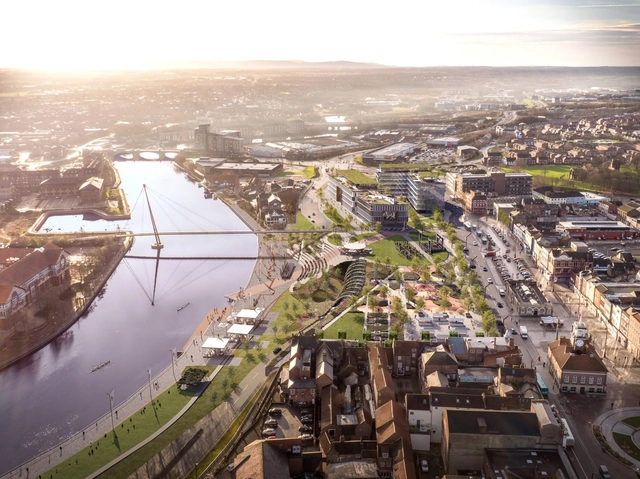
An extensive urban regeneration project is slated to take place in the town of Stockton in the United Kingdom. A 37-million-pound project, the proposal - drawn up by Ryder Architecture and backed by the Stockton Borough Council - will demolish half the high street in Stockton’s town centre and replace it with a riverside park.
Almost one year into the COVID-19 pandemic, life is starting to feel like it might regain its sense of normalcy. With promising vaccines being slowly rolled around the globe, the focus is shifting away from the immediate, and into what the future looks like- including where people want to live. At the beginning of the pandemic, stories all across the media claimed that cities were dead, people were leaving as a permanent measure of safety and well-being, and that the real estate market would experience a long and slow recovery to the boom it had experienced in the pre-pandemic world. But there’s been a shift, and it’s happening fast- people are returning to cities almost as suddenly as they once left them.
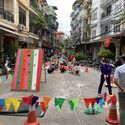
Mobile playground in Vietnam. Image Courtesy of UN-Habitat, Global Public Space Programme
The Un-Habitat or the United Nations agency for human settlements and sustainable urban development, whose primary focus is to deal with the challenges of rapid urbanization, has been developing innovative approaches in the urban design field, centered on the active participation of the community. ArchDaily has teamed up with UN-Habitat to bring you weekly news, article, and interviews that highlight this work, with content straight from the source, developed by our editors.
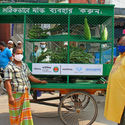
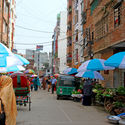
“During this pandemic, public spaces have played a vital role in the health and sustainability of urban communities around the world” states James Delaney, Block by Block chair. In fact, people need to go outside, now more than ever. In order to equip these public spaces to face the challenges of Covid-19, UN-Habitat with the Block by Block Foundation has been supporting ten cities, throughout this past year. With the help of local governments and the community, the initiatives helped covid-proof open urban entities, especially in poor neighborhoods, where there are few shared and green spaces. From creating mobile pop-up playgrounds for children in Hanoi, Vietnam, improving livelihood for street vendors in Dhaka and Khulna, Bangladesh to Covid Proofing of Public Spaces in Bhopalinformal settlements, India, these responses have provided help to those who need it the most.
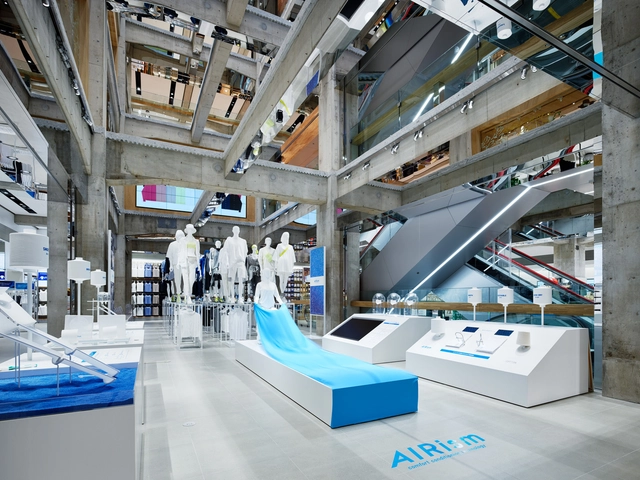
You might be surprised by this, but the days of shopping in stores are long from over-, in fact, they’re experiencing a renaissance, and are creating a whole new type of design and experience to bring consumers back through the doors. The rise of e-commerce and the pause caused by the COVID-19 pandemic have served as a perfect catalyst for creating a whole new type of experience through unique design features, technological advancements, and customization that will revitalize physical stores in the future.
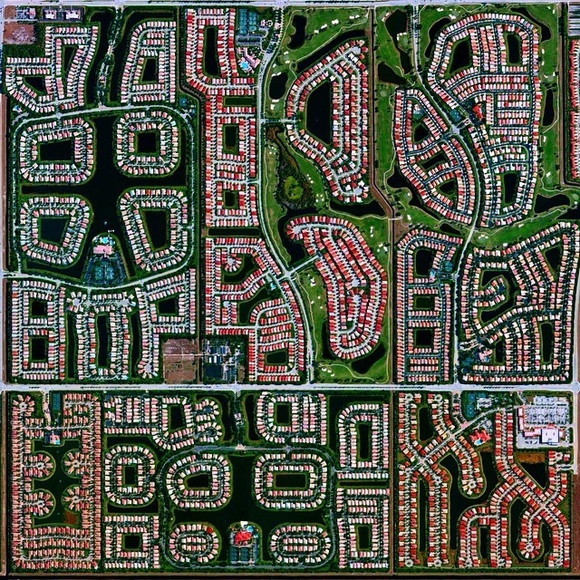
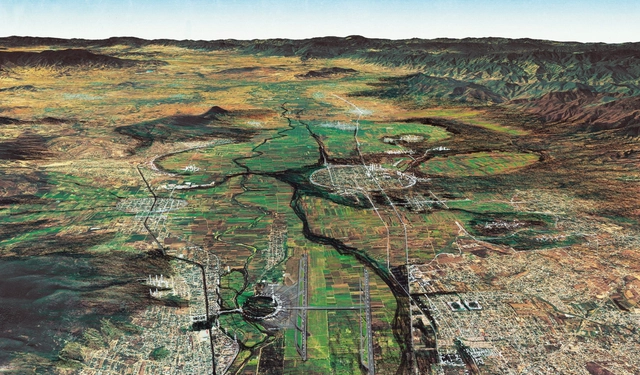
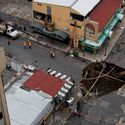
When looking at the population of the world's metropolises, in this case Mexico City, the reality is that the majority of the people living there have migrated from other regions of the country and, sometimes, from other countries as well. Of course, thanks to the Covid-19 pandemic, companies and schools have gone virtual, and, with their work and studies no longer tied to urban centers, people have left in masse for the coast and other less populated areas in search of space and lower living costs.
FOUN’TA’SY. Image Courtesy of Public Housing Enterprise J.S.C
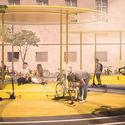
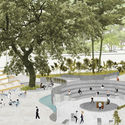
Looking at the urban environment, this week’s curated selection of the Best Unbuilt Architecture highlights interventions in public spaces, submitted by the ArchDaily Community. Suitable for this monthly topic, the article underlines worldwide approaches that tackle the challenges of these areas through the introduction of innovative solutions.
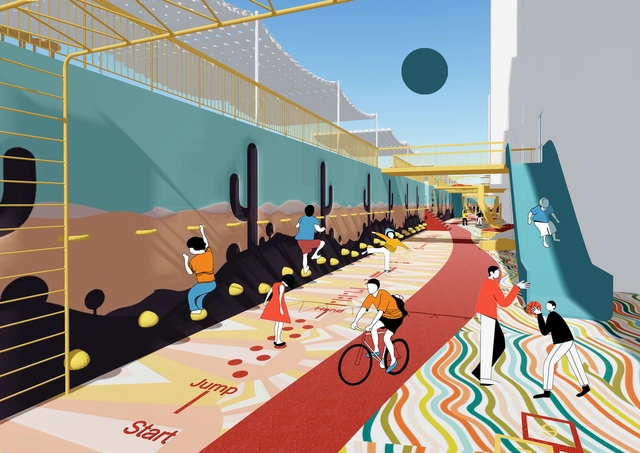
Exploring a multitude of methods fitting for different contexts, this feature presents a tactical urban strategy implemented in a neighborhood in Kosovo and micro-mobility measures in Italy. Other projects evoke public approaches in private developments and enhanced historical and cultural connections between parks, buildings, and cities. In addition, this roundup showcases conceptual interventions that tackle social distancing and the challenges of the pandemic, in order to allow people to move freely and safely across space.
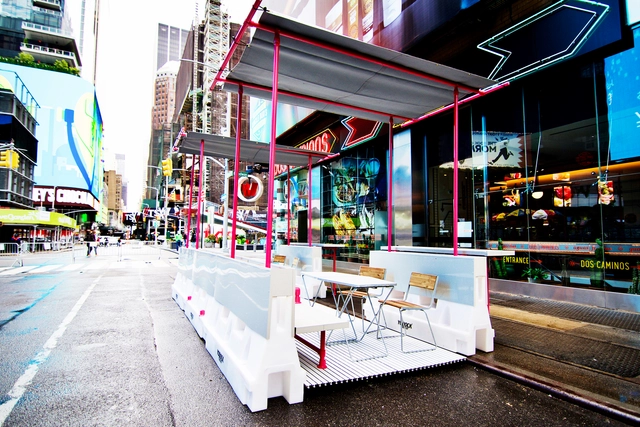
Restaurant/retail expansion structure in NYC. Image Courtesy of Fantastica & Hollaender Mfg. Co.
The global COVID-19 pandemic has forced us all to adapt quickly to new ways of living: new ways of working, communicating, buying groceries, and so much more. That adaptability is the key to navigating our changing world. Modular and flexible building systems can help us adapt our physical spaces to the new realities of social distancing or even to the need for rapidly deploying field hospitals.
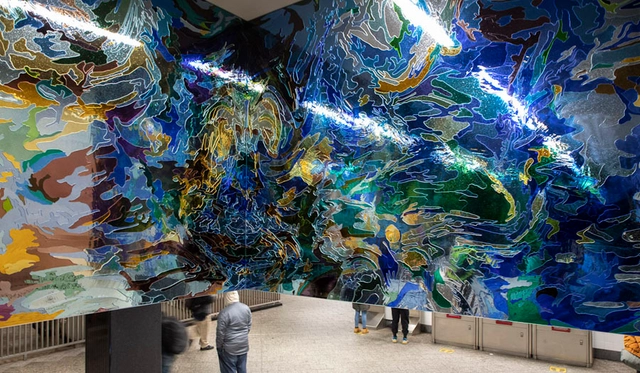
Public art is an innate cultural privilege for New Yorkers. Top-notch art can be found across the city’s boroughs everywhere from parks, squares, alleys, and rooftops—sometimes to the jaded disdain of passerby. While permanent staples, such as Robert Indiana’s Love on 6th Avenue or George Segal’s Gay Liberation at the Stonewall National Monument are ingrained in the urban texture, others are more ephemeral. Public art has the power to swiftly take over Instagram feeds but also has a history of sparking polarizing interpretations at town hall hearings.
https://www.archdaily.com/956185/has-the-pandemic-changed-the-experience-of-encountering-art-in-publicOsman Can Yerebakan
As long as cities have been around, there’s been one pressing question central to their future: “What makes urban areas desirable?” Over half of the world’s inhabitants live in cities and that number is projected to climb over the next decade with more than 5 billion people inhabiting urban cores globally. To prepare for this demand, cities are finding ways to be more desirable, draw in talent, and entice both big and small businesses, all while finding more ways to create equitable living opportunities for all.
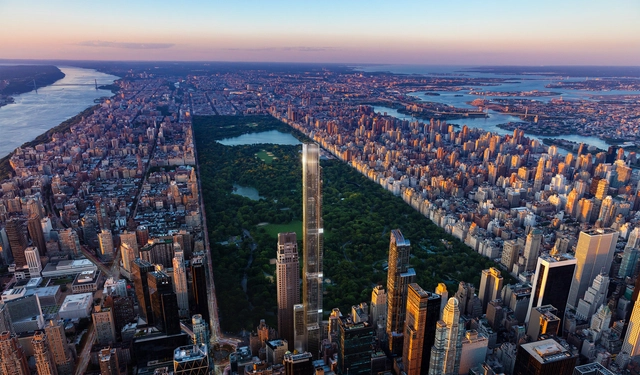
It’s a given that the coronavirus pandemic has had wide-ranging impacts on construction projects large and small over the past 10 months. So, what about the construction of new buildings that share the defining characteristic of being superlatively tall?
As detailed in an annual report published earlier this month by the Chicago-headquartered Council on Tall Buildings and Urban Habitat (CTBUH), newly completed skyscrapers experienced a global decline of 20 percent in 2020 compared to the previous year due, both directly and indirectly, to the COVID-19 crisis.
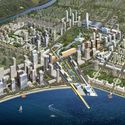
Over the past two decades, new master-planned cities have risen at a pace and scale rarely seen in modern history. Concentrated largely in Asia, the Middle East, Africa and Latin America, more than 150 such projects are currently underway. For some, these cities are promoted as fast tracks to modernization and a way to leapfrog from resource- or agriculture-dependent economies into knowledge-driven ones. For others, they are strategic showcases, designed to attract global attention, foreign capital, and prestige. By packaging urbanization itself as an investment opportunity, these projects promise to stimulate growth and reposition nations within the global economy—all through the act of building anew.
According to Forbes, "The new city building movement that we are currently in the middle of is one of the most under the radar and most misinterpreted social and economic developments happening in the world today". What often escapes scrutiny, however, is not only the architecture of these projects, but the governance model they advance.
As we are entering 2021 after a year of anxiety and uncertainties, what are your expectation for our future? The UN75 survey reports that most people around the world hold greater optimism for the future: “Globally, many more respondents believe people will be better off in 2045 than today (49%) compared to those who believe people will be worse off (32%).”


.jpg?1617024156&format=webp&width=640&height=580)



(1).jpg?1614161719&format=webp&width=640&height=580)
.jpg?1614161736 "Mobile playground in Vietnam. Image Courtesy of UN-Habitat, Global Public Space Programme")
(1).jpg?1614161719)
.jpg?1611548432 "Santa Fe, Mexico City. Image © Johny Miller")
_22.43.53_(1).jpg?1611548822 "Mexico City During the COVID-19 Pandemic. Image © Santiago Arau")

(%C2%A9minorormajor).jpg?1612954566 "Oasis-Playground. Image Courtesy of Studio Minorormajor")



.jpg?1611288061 "The Line project in Saudi Arabia. Image © NEOM")