1. ArchDaily
  2. Cooling System

Cooling System: The Latest Architecture and News

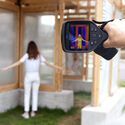
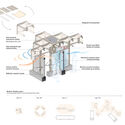
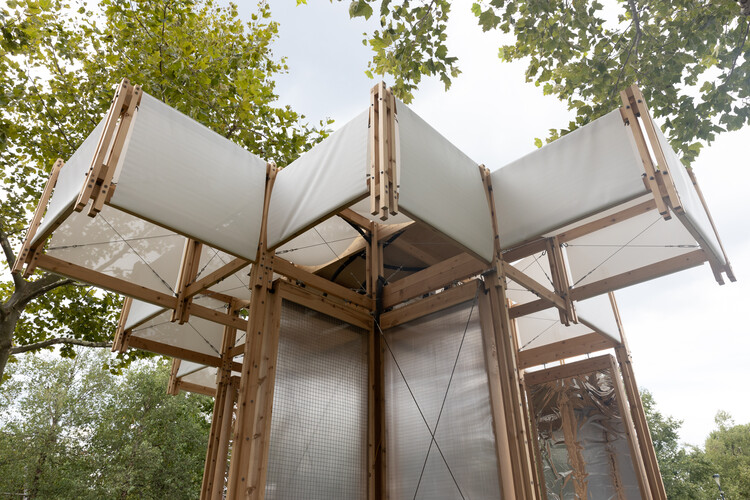
Rethinking Urban Cooling: A Case for Low-Energy Radiant Technology

Subscriber Access | 

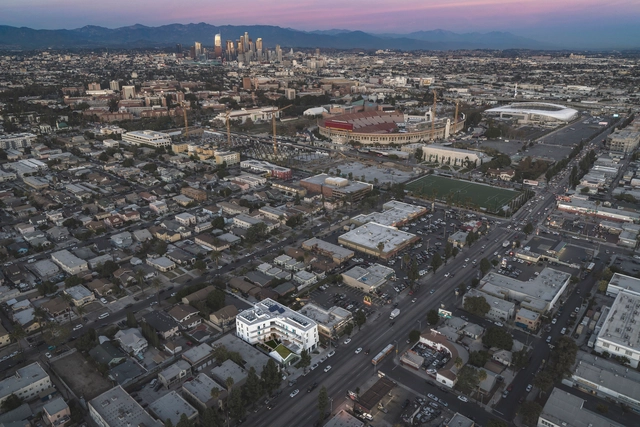
When exposed to heat, the body activates several physiological mechanisms to maintain thermal homeostasis. However, these natural defenses are often overwhelmed in our modern cities. In an urban environment defined by heat-absorbing asphalt, concrete, and a lack of green spaces, these mechanisms become inefficient. If the surroundings are excessively hot, humid, or poorly ventilated—conditions amplified by the Urban Heat Island effect—the core body temperature begins to rise, and the risk of serious complications increases, ranging from cramps and exhaustion to potentially fatal heat strokes.

Rethinking Urban Cooling: A Case for Low-Energy Radiant Technology - Image 1 of 4Rethinking Urban Cooling: A Case for Low-Energy Radiant Technology - Image 2 of 4Rethinking Urban Cooling: A Case for Low-Energy Radiant Technology - Image 3 of 4Rethinking Urban Cooling: A Case for Low-Energy Radiant Technology - Image 4 of 4Rethinking Urban Cooling: A Case for Low-Energy Radiant Technology - More Images+ 14

Skylights in Tropical Architecture: 20 Homes That Redefine Natural Lighting

Subscriber Access | 

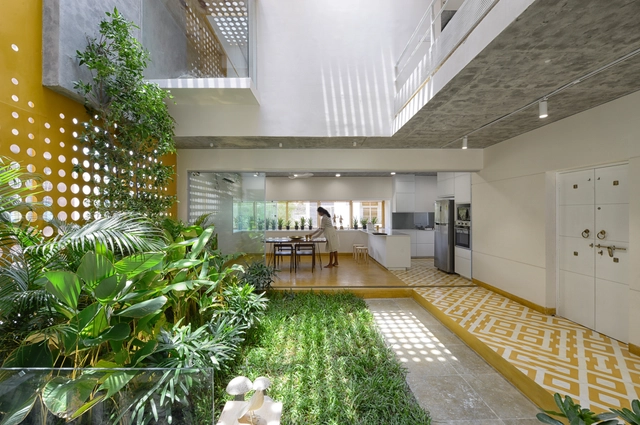
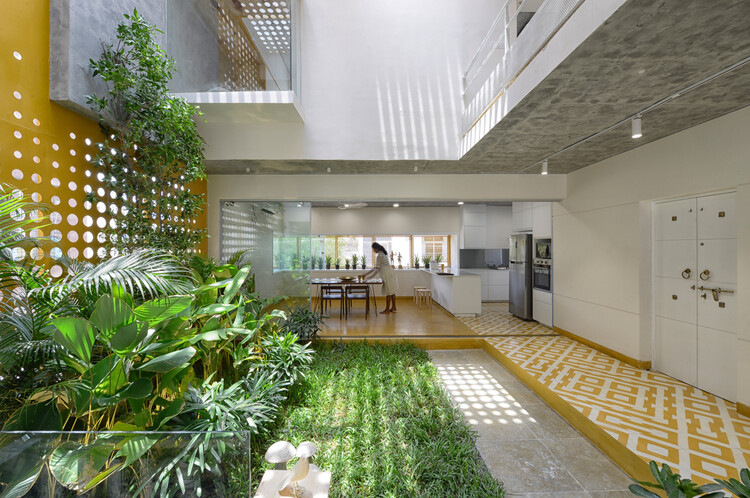
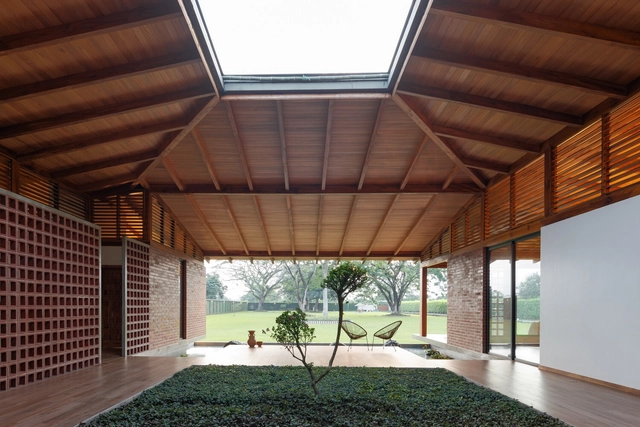
From subtle light beams to wide openings, skylights transform natural light into a powerful architectural tool, creating a dynamic interplay of light and shadow that adds movement and vitality to buildings. This intricate dance captivates not only with the patterns the light casts on surfaces but also with the practical benefits of overhead lighting, such as improved thermal comfort and enhanced well-being.

Skylights in Tropical Architecture: 20 Homes That Redefine Natural Lighting - Image 1 of 4Skylights in Tropical Architecture: 20 Homes That Redefine Natural Lighting - Image 2 of 4Skylights in Tropical Architecture: 20 Homes That Redefine Natural Lighting - Image 3 of 4Skylights in Tropical Architecture: 20 Homes That Redefine Natural Lighting - Image 4 of 4Skylights in Tropical Architecture: 20 Homes That Redefine Natural Lighting - More Images+ 23

Navigating 2024: European Cities Tackle Urban Cooling, Congestion, and Connection

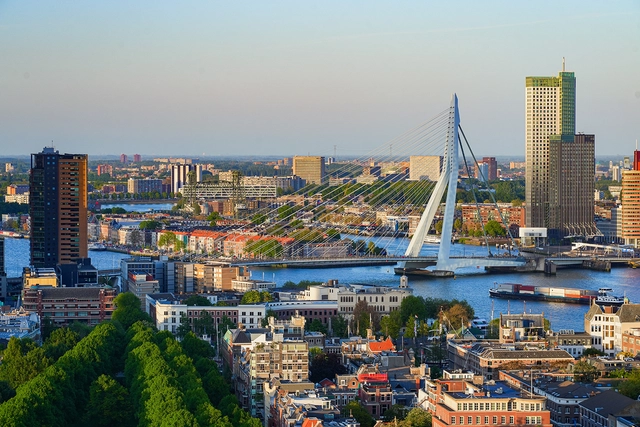
As we reach mid-2024, European cities showcase various urban development markers that are shaping the trajectory for the remainder of the year. Under themes of urban mobility in Brussels, sustainability in Valencia, Smart Cities in Rotterdam, and urban cooling in Paris, each city is making noteworthy progress on the road to meet the 2030 targets set by the Paris Agreement. In these diverse urban fabrics, European cities are committed to defining challenges and working towards shaping a climate-conscious future.

Navigating 2024: European Cities Tackle Urban Cooling, Congestion, and Connection - SustainabilityNavigating 2024: European Cities Tackle Urban Cooling, Congestion, and Connection - SustainabilityNavigating 2024: European Cities Tackle Urban Cooling, Congestion, and Connection - SustainabilityNavigating 2024: European Cities Tackle Urban Cooling, Congestion, and Connection - SustainabilityNavigating 2024: European Cities Tackle Urban Cooling, Congestion, and Connection - More Images

Geothermal Energy: Using the Earth to Heat Buildings and Generate Electricity

Subscriber Access | 

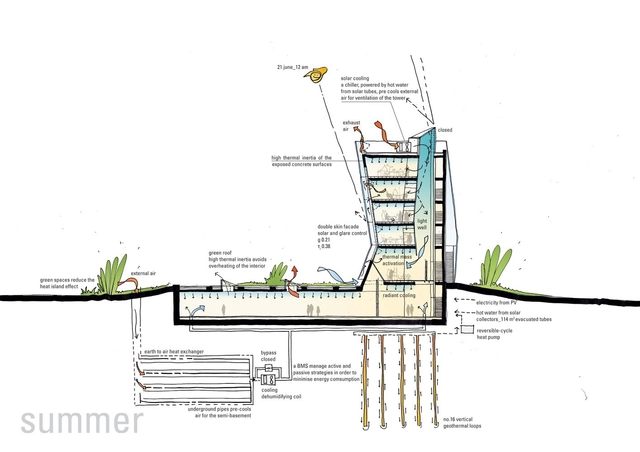
Unlike the air, the temperature in the subsoil varies very little during the year or according to geographical position. A few meters below the surface, the ground temperature is between about 10 to 21°C (50 to 70°F) depending on the region. Dig deeper, and the temperature increases between 20 to 40 degrees centigrade per km, reaching the Earth's core, which approaches 5000 °C. In fact, thinking about how we inhabit a sphere that is orbiting through space with a glowing center can be distressing for some. However, it may be helpful to learn that using Earth's forming energy to generate electricity is a sustainable and efficient way that is already common in some countries. At the same time, we can also take advantage of the mild temperature found a few meters under the ground to acclimatize buildings, whether in hot or cold climates.

Decarbonization and Energy Efficiency in Latin America: How to Progress Towards a More Sustainable Architecture?

Subscriber Access | 

In the context of global initiatives to promote energy efficiency and the decarbonization of buildings, Latin America is at the center of the debate. The International Seminar on Sustainable and NetZero Buildings 2023, held in Bogotá and organized by CCCS, IEA, UNIANDES, CAF, and CEELA, aimed primarily to create a space for the exchange of experiences, such as Oliver Schütte's No Footprint House, while simultaneously conducting a review of government policies and the implementation of norms and standards in the region.

Among panels and conferences featuring Clara Camarasa, Nicola Borregaard, Laura Chapa, Paola Valencia, Iván Osuna, Juan Carlos Vega, Angélica Ospina, and Diego Velandia, five main learnings emerged as lessons: from creating more relevance and energy calculations to the development of the timber industry - and certifications.

Cooling and Energy Efficiency: A New Era in Building Design

The world has just witnessed the hottest months in recorded history, and the outlook is far from optimistic. Rising temperatures are driving greater cooling demands, threatening to trigger a vicious cycle of higher electricity use and carbon emissions. In a planet simultaneously facing unprecedented urbanization and a climate crisis, the intersection of building energy efficiency and cooling technologies has never been more crucial.

White Paint Can Cool Down Our Heating Cities

The climate has changed, and we have been left grappling with the consequences: high temperatures, flooding, drought and much more. As the world shifts (or tries to shift) to ways to mitigate the crisis, the architecture and construction industry finds itself in a particularly important position whose choices can create real impact. Some of these choices can include innovative products that offer real solutions to complex problems, such as the cooling down of temperatures in highly dense cities.

Is Integrating Building Performance Difficult at Your Firm?

Subscriber Access | 

In a study recently published by AIA, less than 13% of architectural firms have incorporated building performance as part of their practice. With buildings contributing 40% of total carbon emissions leading to climate change, just 25 projects are roughly equivalent to planting 1 million trees each year. In addition to that, teams that are able to showcase data-driven and performance-driven decision-making and feature an energy analysis in every pursuit are able to increase fees and generate more revenue. Although integrating building performance sounds like a no-brainer, it proves to be difficult at many firms, because in addition to the practical changes, it requires a culture shift. That culture shift can only happen if the tools are easy to use, accurate, and mesh well with current workflows. Right now is the perfect time to tackle these culture changes due to a few reasons:

5 Ways to Discuss Building Performance for Your Next Project Pursuit

 | Sponsored Content

Today in the United States, buildings account for nearly 40% of carbon emissions (EESI) and 78% of electricity usage. The most sustainability-focused firms run energy simulations for less than 50% of their projects (10% for a typical firm) and only doing so late in the process when design changes are limited and insufficient to combat red flags found in the performance report (AIA 2030 report). We can make building performance widespread once we help the entire community discuss the subject in terms of investment and return. Especially during a project pursuit, since having the buy in from the whole team helps ensure the key project metrics are met. Owners are seeking out teams who are using actual metrics and data driven processes that affect their bottom line. This new approach to practice is what makes the younger teams’ standout and will benefit both the climate and the bottom-line. Here are 5 ways to talk about building performance in your project pursuits: