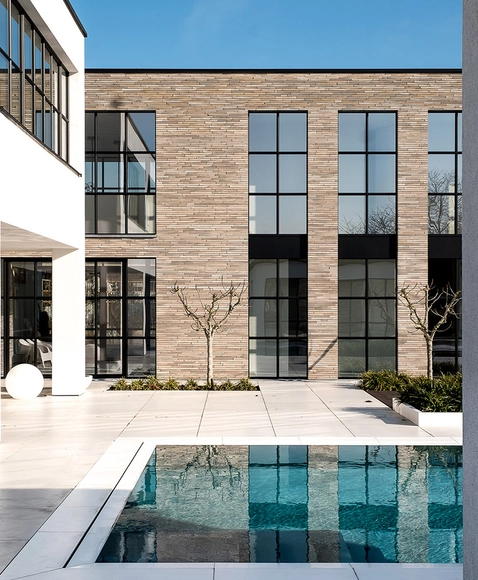
Villa Groot, Belgium / Lemaire & Longeval. Image Courtesy of Randers Tegl
Bricks are versatile and long-lasting building materials that combine technical and aesthetic qualities. In a variety of shapes, dimensions, textures, and colors –depending on the manufacturing process and type of clay– incorporating bricks into architecture creates dynamic facades and structures. From traditional to modern styles, these versatile elements can be arranged in different patterns and easily integrated with other building materials, enabling diverse architectural expressions. In addition to these qualities, the use of bricks in contemporary architecture is distinguished by experimenting with placement, orientation, and material textures, as well as embracing minimalistic design principles focused on simple and clean lines.
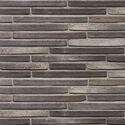
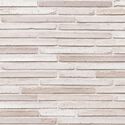
Among the different types of bricks, designing with a linear or elongated style involves playing with horizontal and vertical arrangements –or a combination of both– creating modular patterns for a rhythmic and harmonious visual appeal. Following this format, Randers Tegl has developed the Ultima waterstruck brick collection, which integrates craftsmanship, high-quality materials, and timeless appeal. By analyzing various projects, we showcase how the aesthetics of linear bricks are applied in contemporary architecture.
The history of 'neutral colors' is a fascinating journey through the evolution of human aesthetics and design sensibilities. Closely related to the makeup of materials organically found in nature, the color chorus of whites, grays, and earthy brown tones has played a pivotal role in artistic expression, fashion, interior design, and architecture for millenia. From the understated hues of early clay, straw, wood, or brick architectural structures to the now prevalent contemporary interior style, neutral colors have transcended cultural boundaries and continue to hold a special place in our visual landscape – offering a sophisticated elegance and versatility that has stood the test of time.
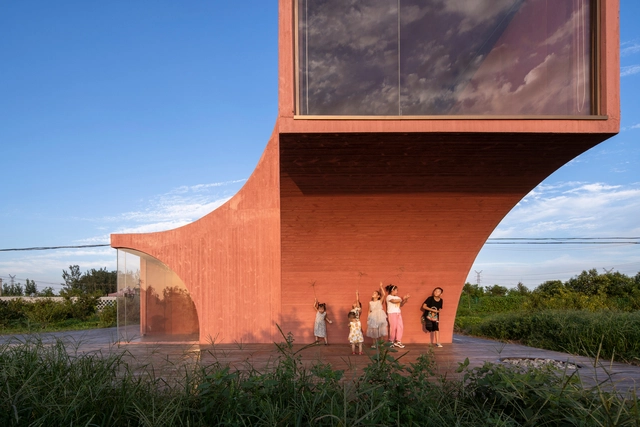
ATELIER XI has been selected for ArchDaily's 2023 New Practices and is one of the few firms still rooted in traditional architectural design. Founded in 2017, ATELIER XI began their practice in Shenzhen, one of the fastest-growing and urbanizing cities in China. Their work represents the current state of a generation of architects, with major projects in small-scale urban architecture, exhibition design, interior design, renovation, and rural architecture. While they may not become urban landmarks, they can still influence the lifestyle of the community through small-scale design.
The studio aspires to create spaces that bring unique poetry and profoundness to contemporary urban and rural environments: "We see architecture as an art of mediation between social, economic, and political interests. We strive to create meaningful places with minimal resources. We aim to convey emotions and memories through spatial poetry. We believe that each space, whether grand or tiny, offers a glimpse into the vastness of our world and serves as a testament to the glory of everyday life. By planting these quiet and resilient spaces one at a time, we envision architecture branching out and flourishing with life and narratives."
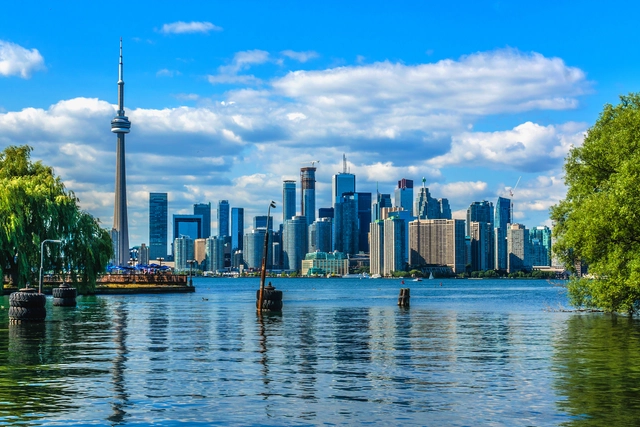
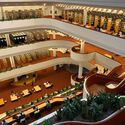
As one of the host cities of the 2026 FIFA World Cup, Toronto is preparing to welcome fans from across the globe. The Canadian city, the fourth largest in North America, has become a cosmopolitan center with its renowned business district and cultural venues/ events that come alive during the summer and early fall nights. Toronto offers a beautifully diverse urban setting, with shimmering high-rises and smaller brick houses, intertwining residential and vibrant commercial areas, public parks, and even beaches. All become part of the city's striking skyline, crowned by the iconic CN Tower.
Toronto's ongoing sprawl and constant urban development are evident as new projects spread through the city, weaving themselves into existing buildings, from 19th-century landmarks such as the Gooderham Building to major contemporary works like the Aga Khan Museum. These new constructions include increasing adaptive reuse and retrofitted projects throughout the city as more efforts and incentives are provided to reduce carbon emissions.
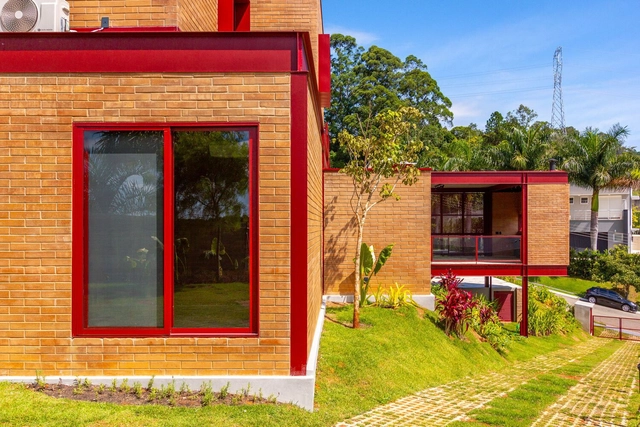
Although the use of color can be employed to hide or disguise a specific characteristic, it can also be used to highlight them. Within the Latin American territory, we can observe that shades of red, green, and blue have predominated in residential architecture, aiming to integrate a language appropriate to the context in which it is implemented.
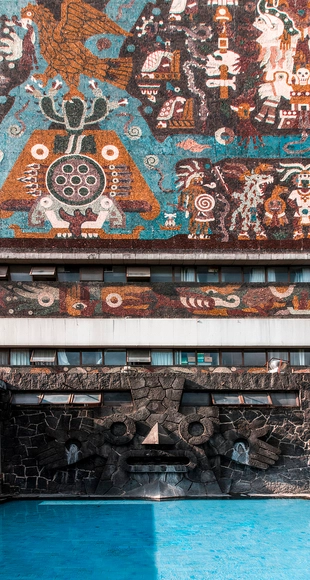
From the pre-Columbian period of the Americas –during which cultures such as the Olmec, Maya, Purepecha, and Mexica (Aztec) thrived– to the modern era where architecture has been influenced by social movements and even natural disasters, Mexican architecture showcases a valuable architectural expression, with its own unique voice and distinctive characteristics. Nobel Literature Laureate Octavio Paz argued that architecture is an incorruptible witness to history. Likewise, the materials used to shape it have acted as protagonists of that history, enduring in many cases over time and evolving thanks to the generations of architects who have contributed to it, from different perspectives.
To trace a timeline, it is possible to take as a starting point pre-Hispanic architecture, which exhibited a diversity of nuances due to Mexico's vast territorial extension. This allowed diverse cultures to find their niche and develop their characteristic architectural styles. Subsequently, the era of Spanish colonization, which itself drew influence from Islamic architecture, represented a noteworthy turning point in architectural development. This phase endured until the advent of Mexican Independence in the 19th century. In turn, this marked the initiation of social and cultural movements, both during and after the Mexican Revolution in the early 20th century.
https://www.archdaily.com/1005554/materials-that-define-the-contemporary-mexican-architectural-aestheticEnrique Tovar
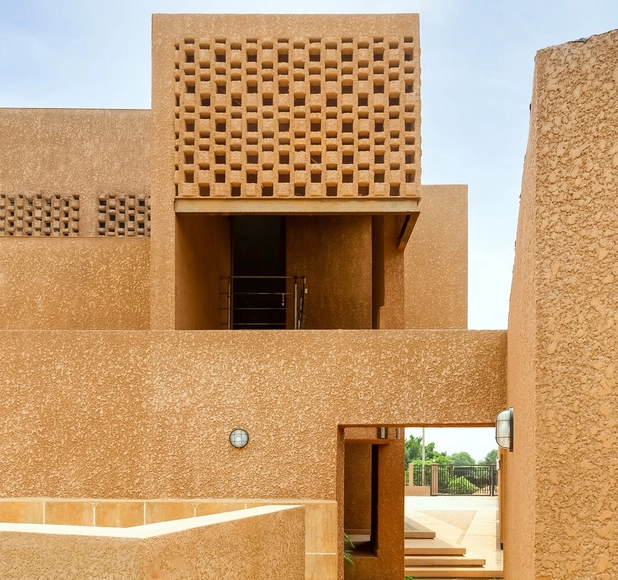
In Lagos, a city with a complex urban fabric that includes historical buildings and vast interpretations of contemporary architecture, lies PatrickWaheed Design Consulting (PWDC). This design practice, Co-led by Adeyemo Shokunbi, aims to contribute to a Nigerian architectural language through the renaissance of local materials. Through explorations anchored in local laterite, they have developed the material as a modern finishing technique, investigated its potential as a natural dye, discovered new ways to employ its thermal properties, and now build the research prospect of other local materials. I had the opportunity to speak with Architect Shokunbi, who discussed the initial inspirations and investigations during the construction of two building projects (Mad House & Abijo Mosque) in Lagos. These projects brought the Laterite finishing technique to life and now help build the case for a Nigerian architectural language.
Jingru (Cyan) Cheng . Image Courtesy of Wheelwright Prize
Harvard University Graduate School of Design (GSD) has announced Jingru (Cyan) Cheng as the recipient of the 2023 Wheelwright Prize, a study grant created to support globally-minded research and investigative approaches to contemporary architecture. The winning research project, titled “Tracing Sand: Phantom Territories, Bodies Adrift,” delves into the multifaceted impacts of sand mining and reclamation, understood from cultural, economic, and ecological perspectives. The unassuming material has become an indispensable element for our built environment and human communities, serving as a vital component in the production of glass, concrete, asphalt roads, and artificial land. Yet the process of dredging underwater systems and sand mining leads to the disruption of habitats in a process that simultaneously shapes one habitat while devastating another.
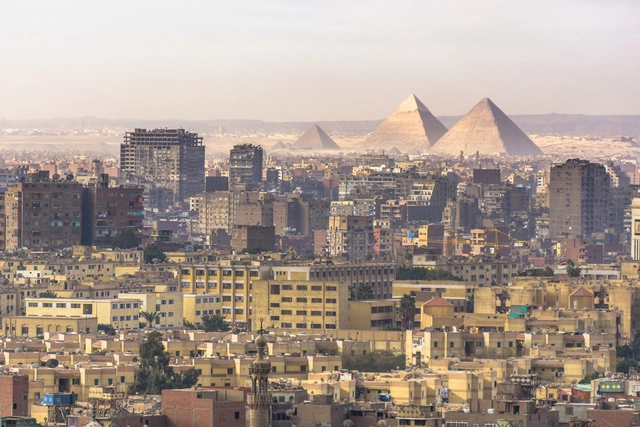
Cairo,Egypt's vibrant capital, is a unique synthesis of both historical and contemporary architecture. One of the most populated cities in Africa, this busy urban agglomeration has a long, rich history and is home to nearly 20 million people. Apart from the infamous Great Pyramids of Giza and the Sphinx, which have attracted tourists for ages, the city has been a melting pot of cultures, histories, and built environments alike.
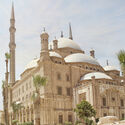
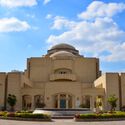
The city of Cairo has witnessed many different eras, each characterized by unique architectural styles. After the Ancient Egyptians, the Islamic Period saw the birth of iconic buildings like the Mosque of Ibn Tulun and the Mosque of Sultan Hassan. These were followed by the Mamluk Period, during which structures such as the Al Rifai Mosque and the Mosque Madrassa of Sultan Barquq were constructed, boasting exquisite stone carvings, towering minarets, and intricate decorative motifs. The Ottoman era brought its own landmarks, including the Mosque of Muhammad Ali and the Citadel of AlQalaa. In the late 19th and 20th centuries, Cairo experienced an influx of European architectural styles due to colonial influences. This resulted in the construction of notable structures such as the Cairo Opera House and the Cairo Tower.
With a broad and diversified portfolio in terms of typologies, scales, and project locations, MMBB Arquitetos is a versatile office with multiple activities. Founded in 1991 in the city of São Paulo, the office is currently composed of Maria João Figueiredo, Marta Moreira, and Milton Braga, and over the more than three decades of its operation, it has had among its partners Angelo Bucci, Vinicius Gorgati, and Fernando de Mello Franco, in addition to having carried out several partnerships with Paulo Mendes da Rocha.
Whether it is the landscape and nature surrounding a plot of land or the desires and needs of his clients, for São Paulo architect Gui Mattos, the development of an architectural project is always a process of dialogue and exchange, built together with a series of other elements. After graduating in 1986 from the Faculty of Architecture and Urbanism of Santos (FAU Santos), he has led his architecture firm since 1987, which today has more than 40 employees.
I first went to China in 2002, a year after the International Olympic Committee awarded the 2008 Summer Games to Beijing. That initial trip was about exploring nature, cuisine, ancient temples, archeological sites, and, in general, experiencing lifestyles in China, mainly outside of its major cities. I was motivated by the pure curiosity of a Western tourist driven to an Eastern country in search of the old world, the exotic, hoping to catch a glimpse of a rich traditional culture on the cusp of its inevitable radical transformation. At the time, there was no modern, or rather contemporary, architecture in China to speak of. There were only the promising first hints of the development of a potentially new architectural language being undertaken by just a handful of independent architects almost entirely under the radar.
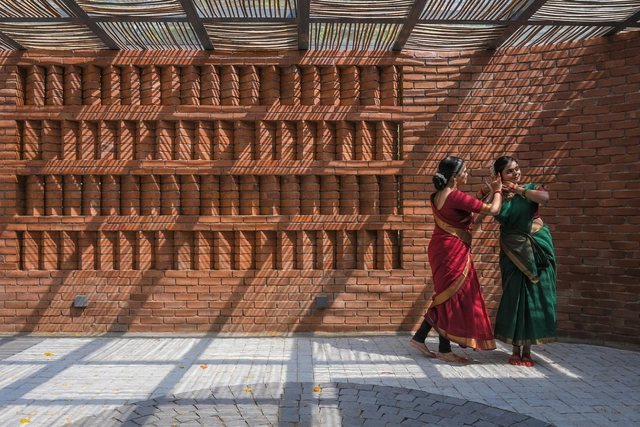
Contemporary Indian design culture can aptly be described with one word - fusion. A close look at the trends in fashion, cinema, music, and art soon reveals the country’saspirations as a globalized nation. Reveling in a new era, India’s art and design appear as a combination of influences from traditional life and the Western world. A “neo-Indian” image informs multiple forms of cultural expression, including architecture and interior design. As Indians and Indian architecture carve the country's place in the world, a new design trend flourishes - one that is driven by modern lifestyles, international influences, a colonial past, and a desire to stay connected to its roots.
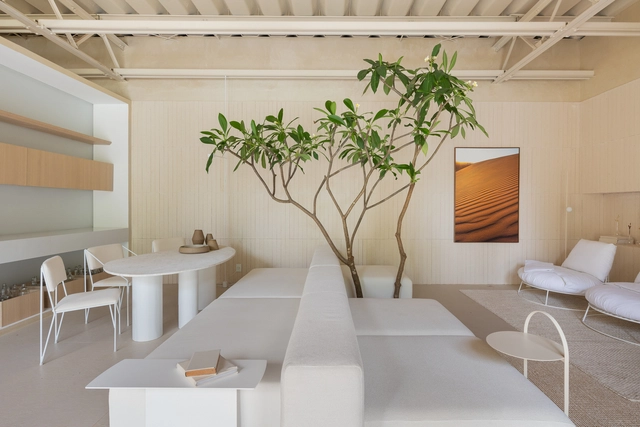
How are contemporary homes pushing the boundaries of innovation for the future? Currently, these spaces tend towards clean lines, neutral colors and flexible spaces, with the integration of technological features and automation. But even though there are certain timeless features that define neutral contemporary interiors, we can begin to identify future trends by analyzing architectural projects that differ from the traditional, recognizing disruptive interior materials and finishes guided by technological advances that are shaping complex and changing homes of the future. The selection of these innovative materials conveys a meticulous decision process in building the structure and identity of a space. Depending on the context and typology of a space, there is a growing awareness of how materials impact an environment, and how new technologies are creating smart solutions that can mitigate their effects indoors.
Artificial intelligence (AI) is playing a key role in visualizing the interiors of the homes of the future, and together with the exploration of biophilic, intelligent and 3D-printed materials, is stimulating new ways of approaching how we will live indoors moving forward.
Guatemala is a country located in Central America that is organized into 22 departments, its capital and most populated city is Guatemala City. Mexico forms the geographic borders that contain this territory to the north and west, Belize and Honduras to the east, and El Salvador to the south. In addition, it faces the Pacific Ocean and the Gulf of Honduras. It is located in Mesoamerica, home to the Mayan culture, which extended to what we know today as Mexican territory. It is for this reason and for some other reasons related to migration issues that these two countries share similar traits in terms of climate and culture, which is highly enriching when we explore the development of the territory.
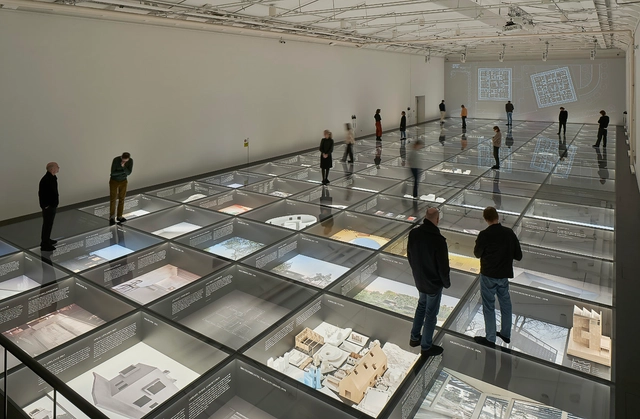
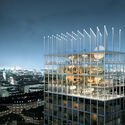
The Swedish architecture firm Tham & Videgård exhibits a broad selection of projects celebrating over twenty years in practice at the ArkDes—Centre for Architecture and Design in Stockholm, Sweden. For the first time, the studio’s work is being presented in its entirety, displaying in detail acclaimed buildings like the winning proposal for the Denfert art center in Paris and the 150-meter-tall +One Tower for the Swedish Exhibition in Gothenburg. From November 2022 to August 27, 2023, On: Architecture offers visitors a full-scale spatial experience involving models, new photography, and films – all set within a glass ground showroom.
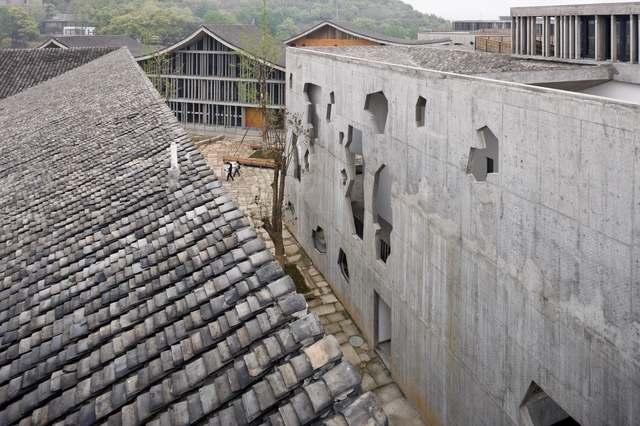
A new kind of architecture distinguished by unique regional characteristics emerged in the mid-1990s when in China, architects started practicing independently from government-run design institutes. The leading Chinese architects of this time succeeded collectively in producing a unique architectural body of work when so many buildings built around the world were no longer rooted in their place and culture.
In China Dialogues, Vladimir Belogolovsky charts a panorama of Chinese architecture through the words of its main participants, lifting the veil on a prolific new generation of designers, each sharing a highly intellectualized and conceptual understanding of architecture. Following the course of 21 interviews accompanied by over 120 photographs and drawings of beautifully executed projects uprooted throughout the country since the early 2000s, China Dialogues opens up the thinking process of the country's top architects, providing an insight into their ideas, intentions, and visions in unusually revealing and candid ways.
In this week's reprint, author Andrés Duany presents a series of statements from today's architectural world. He considers that these understandings are the product of our times, a direct reaction and a consequence of the observed patterns.




























.jpg?1650549341&format=webp&width=640&height=580)
Adam_Mork.jpg?1650549635 "MAD Architects, Harbin Opera House, Harbin, China, 2015. Image © Adam Mørk")


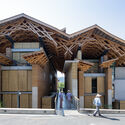
_schranimage.jpg?1650549533 "Studio Zhu Pei, Jingdezhen Imperial Kiln Museum, Jingdezhen, Jiangxi Province, China, 2020. Image © schranimage")
.jpg?1650549341)