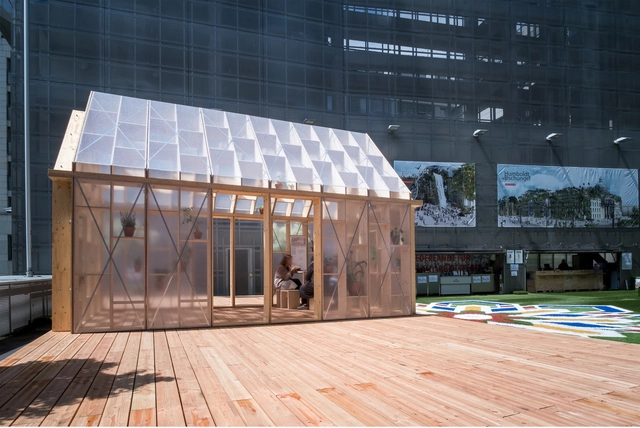
Modular construction is a process in which a building is constructed away from its actual site, within controlled factory settings, using identical materials, and adhering to a set of codes and regulations. The methodology was first introduced as a solution in the search for efficient, quality-controlled, and cost-effective building systems. The industrialized building method evolved to meet historical demands and has recently been met with renewed interest. These “modules” are then transported to the construction site and assembled into the final structure, adhering to the same building standards as conventionally built facilities. With potential benefits in terms of waste reduction, energy efficiency, emergency responses, and fast-tracked development, the methodology is gaining traction worldwide.
In recent years, modular construction has emerged as a game-changer in the construction industry, particularly in the Middle East and the Gulf Cooperation Council (GCC) region. With a growing embrace of innovative solutions to address the region’s evolving needs, modular construction has emerged as a compelling alternative. As awareness increases and technological advancements increase, modular construction may offer a viable alternative to traditional building practices in the GCC region.
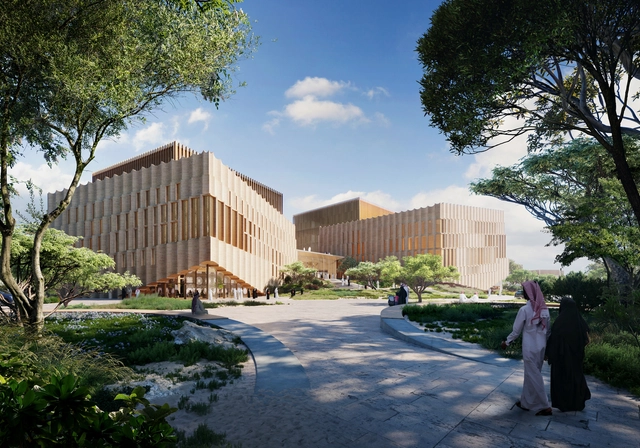
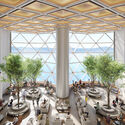
Henning Larsen Architect has just revealed the designs for The JeddahOpera House, a new local landmark in Saudi Arabia. Drawing inspiration from the historical Al-Balad neighborhood, the Opera House celebrates culture and regional geography. Situated along the Red Sea waterfront, the opera house aims to connect residents and visitors to the sea through a culture spine under a natural canopy. Extending from the city, through the opera house, to the water, this “spine” forms an integral part of the Jeddah Central masterplan for the new Opera Quarter.
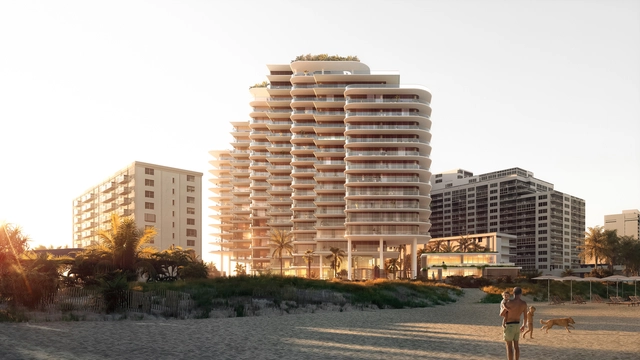
OMA has just revealed The Perigon, a new residential tower in Miami Beach, United States. Situated in the vibrant Mid Beach Neighborhood, the project is a collaboration between Mast Capital and Starwood Capital Group. The Perigon offers dual-waterfront living, characterized by a series of towers strategically rotated to maximize views toward the Atlantic Ocean.
I am by no means an expert on public-private partnerships. But for about 10 years, as the University of California Berkeley’s campus planner and then campus architect, I watched these developments play out in higher education—sometimes from a front-row seat, sometimes as a participant. During that time, this strategy, promoted with great enthusiasm and optimism, was touted as the answer to whatever problem arose. And yet the definition of a public-private partnership was slippery. The concept itself seemed to be all things for all people, depending on what was needed, who was recommending it, and what equivalents (if any) existed outside the university. The bandwagon continues to play today, making it ever more important to nail down the pros and cons of this development strategy, not only for colleges and universities, but for all public decision-making.
https://www.archdaily.com/1015830/are-for-profit-developments-consistent-with-the-values-of-a-public-universityEmily B. Marthinsen
Ever since the Industrial Revolution and the introduction of mass production, the ownership and use of simple products and services like flush toilets with running water, electricity, heating, and cooling are seen as human rights in many areas of the world. With the majority of homes and residential projects being individually designed and built to order – therefore without the speed and cost advantages of mass production – an underperforming housing construction sector means many people – even in the world’s richest countries – are being denied one of the most basic human rights, having somewhere to call home.
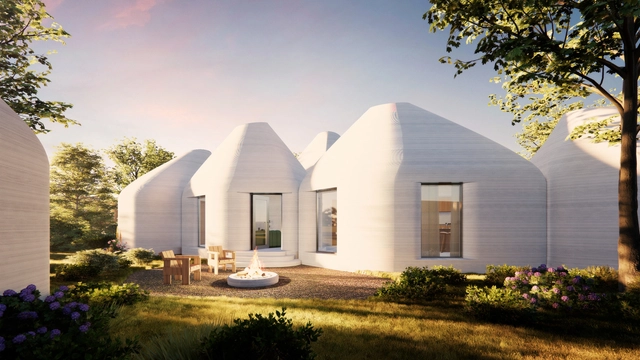
The UNHCR (UN Refugee Agency) states that there were over 100 million forcibly displaced people worldwide in 2023 – a figure that has tripled over the last 10 years. For host countries, finding safe, sustainable housing solutions for those in need, both in the short- and the long-term, is an ongoing and dramatically worsening challenge.
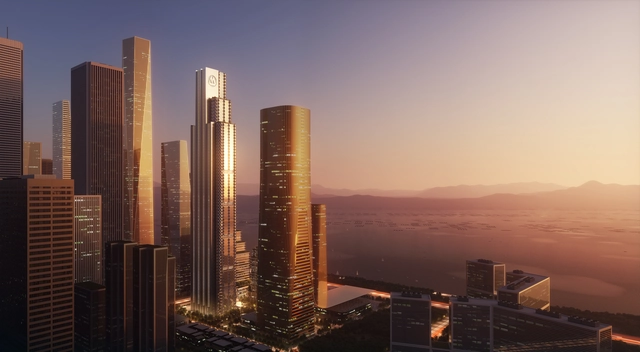
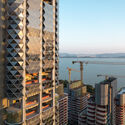
Shenzhen'sChina Merchant’s Bank Headquarters has reached its final construction phase. Designed by Foster + Partners, the project is a prominent element within a larger mixed-use complex, carefully shaping the neighborhood and the city’s dynamic skyline. Designed around the context of the rapidly urbanizing Shenzhen Smart City, the bank and its larger mixed-use components seek to be sustainable developments seamlessly integrating into the existing landscape.
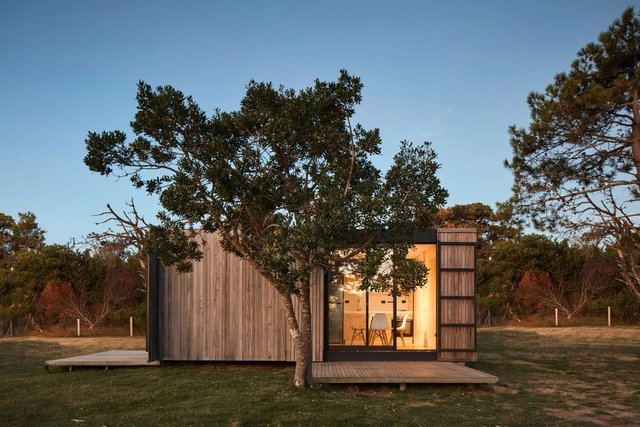
In a constant search to find new ways to reduce costs and construction times, modular architecture emerges as an opportunity to implement various methods, technologies, and techniques to design livable spaces using separate repetitive elements such as modules. As Tom Hardiman, executive director of the Modular Building Institute (MBI), maintains, "Modular" is not about a construction product but rather a construction process.
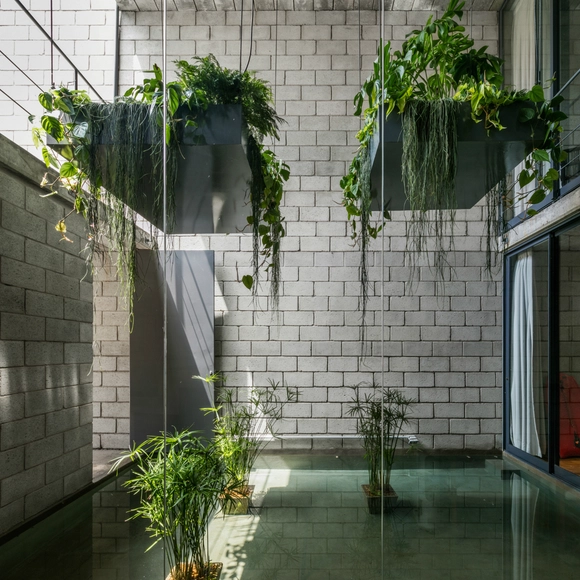
Concrete blocks are prefabricated materials primarily used for constructing walls. Similar to bricks, these blocks are stacked together and bonded with mortar, typically composed of cement, sand, and water. They are hollow inside to accommodate steel bars and mortar filling.
These blocks are available in a variety of dimensions and textures, ranging from traditional smooth surfaces to fluted or rough finishes. Additionally, there are special units designed for corners or beams with longitudinal reinforcements. The dimensions vary, from the classic 8x8x16 inches (approximately 19x19x39 cm) intended for structural use, to a size of 8x3.5x39 inches (approximately 19x9x39 cm) for partitioning walls. How can we creatively incorporate them into our designs?
Foster + Partners has just begun construction on “The Edge,” its inaugural project in Uruguay. Situated along the Rambla Tomas Berreta in Montevideo’s Carrasco neighborhood, the scheme extends along the coastline to the eastern borders. Encompassing 60 meters of shoreline, the development includes eight residential units that form around a circular courtyard enclosed in glass, each offering unique views of the water.
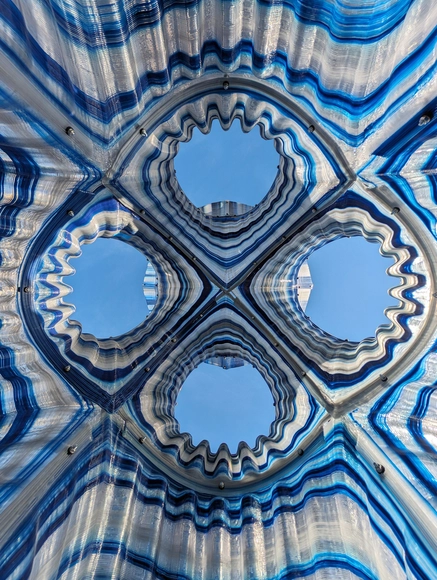
Construction has just begun on the Tor Alva, or the White Tower, the world’s largest 3-D printed tower. Designed by architects Michael Hansmeyer and Benjamin Dillenburger and printed with concrete by the technology university ETH Zurich, 8 out of 32 structural columns have been completed. Nestled in the village of Mulegns in the Swiss Alps, the White Tower is designed as a venue for music and theater events. Standing at 30 meters, the design features 32 distinct Y-shaped columns, each boasting a pattern of textured details.
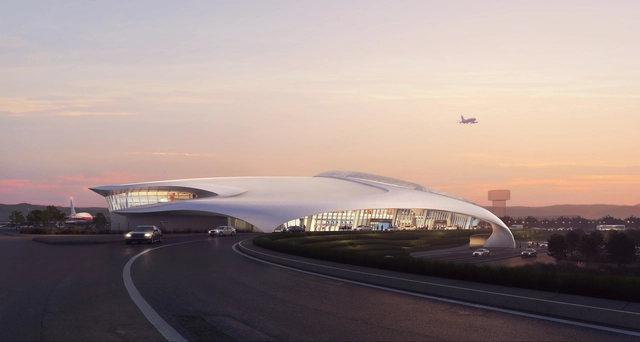
MAD Architects has just unveiled the design for LishuiAirport in China. Dubbed the "forest city,” Lishui is known for its green landscapes and valleys in the Southwest Zhejiang Province. Situated amidst hilly terrain, approximately 15 kilometers southwest of the city, the airport is envisioned as a domestic, regional transportation hub seeking to harmonize with the natural surroundings.
As an additive manufacturing method, 3D printing has been characterized by the construction of objects through the horizontal deposition of material, layer by layer. This still restricts, nonetheless, the manufacture of elements and limits the shape of early prototypes to within the range that allows the addition of material in a single direction, making it difficult to create complex shapes with smooth curves.
However, the team from the Chair of Digital Construction Technologies at ETH Zurich—integrating computational design, digital manufacturing, and new materials—has been exploring an innovative non-planar robotic additive manufacturing system. This method facilitates the printing of thin structures with double curvature, significantly expanding the possibilities of their application in architecture on a larger scale.
Construction is currently in progress on “The Grid,” a new office complex by Foster + Partners. Located in Marousi, an established business hub that boasts connectivity to central Athens, the project spans an entire city block. The project features modern, adaptable workspaces, along with landscaped green areas that integrate with a public park. The scheme hopes to revitalize Marousi and attract new business to the existing area.
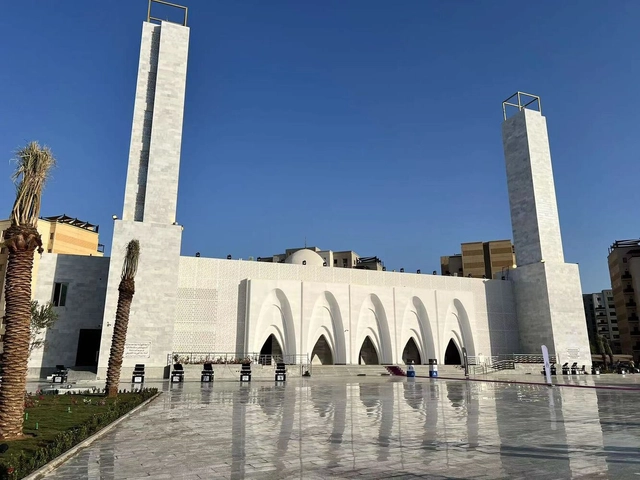
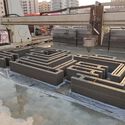
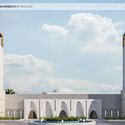
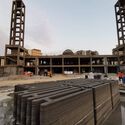
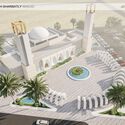
The Kingdom of Saudi Arabia is now home to the world’s first 3D-printedmosque, spanning an area of 5,600 sqm. Located within the Al-Jawhara suburb of Jeddah, the mosque stands as a tribute to the late equestrian Abdulaziz Abdullah Sharbatly. The project by Forsan Real Estate utilizes cutting-edge 3D printing technology from Guanli.
Pioneering advanced construction and large-scale 3D Printing, ICON was selected as ArchDaily’s Best New Practices of 2021 due to its boundary-breaking technology that is advancing capability in the built environment. The Texas-based startup has just unveiled various toolkits and products to modernize construction processes further. Dubbed “Domus Ex Machina,” the event showcased a range of innovations, such as an AI Architect created for home design and construction, a digital library containing over 60 pre-designed home plans, a new eco-friendly building material, and a robotic printed facilitating multi-story construction. Together, these developments aim to offer a quicker, more environmentally friendly way to build high-quality, affordable housing globally.
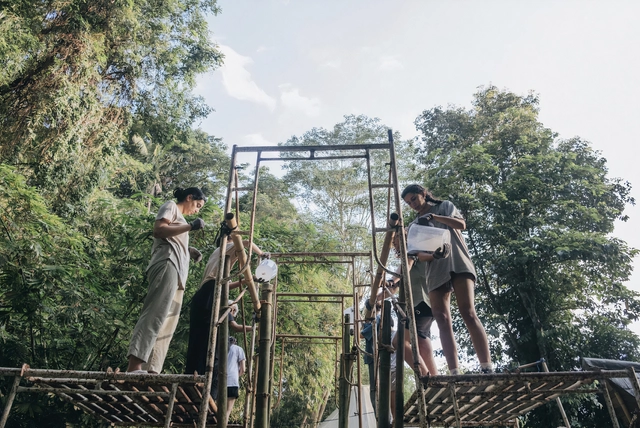
Bamboo, renowned for its strength and eco-friendliness, often faces a formidable adversary: insects and fungi. Despite its resilience, these pests can compromise its durability over time. However, there exists a simple yet effective solution to bolster bamboo's longevity and sturdiness. In this article, we unveil the Vertical Soak Diffusion (VSD) method—a budget-friendly approach that ensures your bamboo projects stand the test of time.
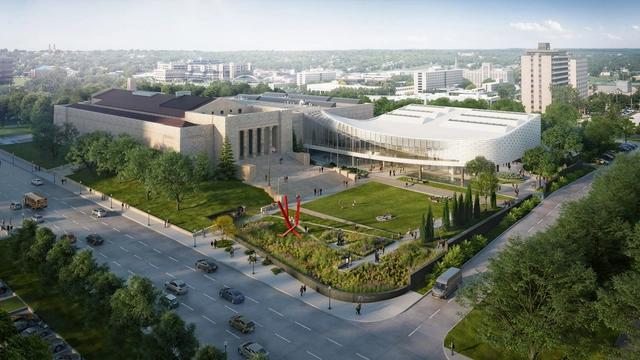
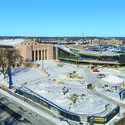
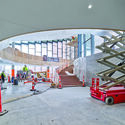
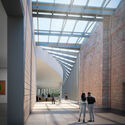
The Joslyn Art Museum in Nebraska announced that the restoration and expiation works led by Snøhetta and Alley Poyner Macchietto Architecture (APMA) are nearing completion, as the transformed institution is scheduled to reopen on September 10, 2024. The new 42,000-square-foot Rhonda & Howard Hawks Pavilion, designed by Snøhetta and APMA will add new gallery spaces to Nebraska’s largest art museum, becoming the centerpiece of the large-scale project for reimagining the visitor experience.