The Second Studio (formerly The Midnight Charette) is an explicit podcast about design, architecture, and the everyday. Hosted by Architects David Lee and Marina Bourderonnet, it features different creative professionals in unscripted conversations that allow for thoughtful takes and personal discussions.
A variety of subjects are covered with honesty and humor: some episodes are interviews, while others are tips for fellow designers, reviews of buildings and other projects, or casual explorations of everyday life and design. The Second Studio is also available on iTunes, Spotify, and YouTube.
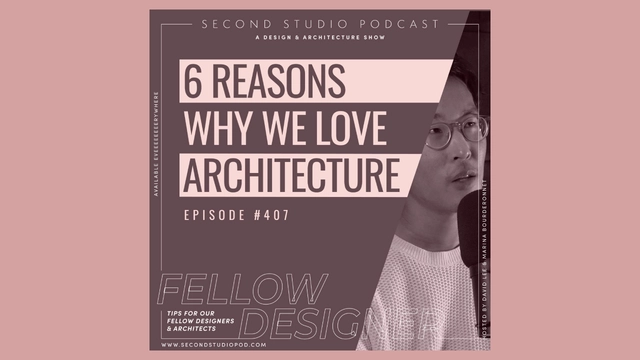
This week David and Marina of FAME Architecture & Design share their favorite aspects of being an architect. They discussed ongoing learning opportunities; building something from nothing; architecture comradery; construction; appreciation for man-made and natural objects; technical drawings; when architecture projects are finished; and more.
https://www.archdaily.com/1021748/the-second-studio-podcast-6-reasons-to-love-architectureThe Second Studio Podcast
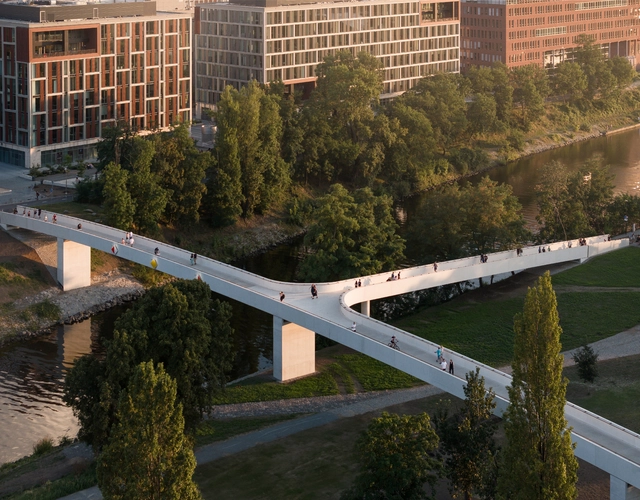
There is growing awareness of the importance of developing pedestrian infrastructure. Bridges and elevated structures enhance the quality of cities by connecting spaces and reducing distances. Their use benefits pedestrians and the thousands of cyclists seeking a more sustainable mode of transportation.
Pedestrian infrastructures, such as bridges, walkways, and widened sidewalks, not only promote sustainable mobility but also contribute to the revitalization of urban areas. Their design can transform underused spaces into active, safe, and accessible places for everyone, enhancing social cohesion and fostering community. By incorporating elements such as greenery, smart lighting, and urban furniture, these structures become more than just thoroughfares: they transform into meeting points and spaces for social interaction.
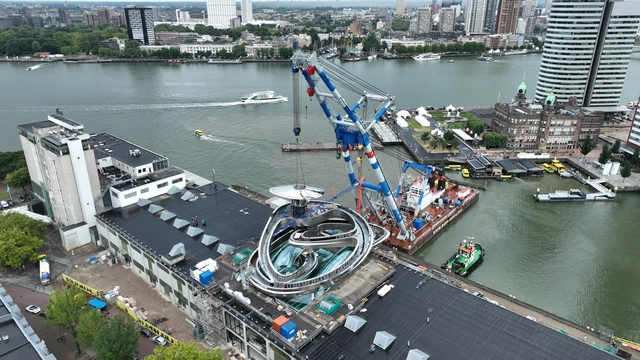
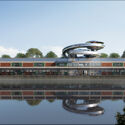
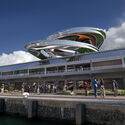
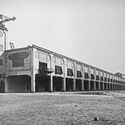
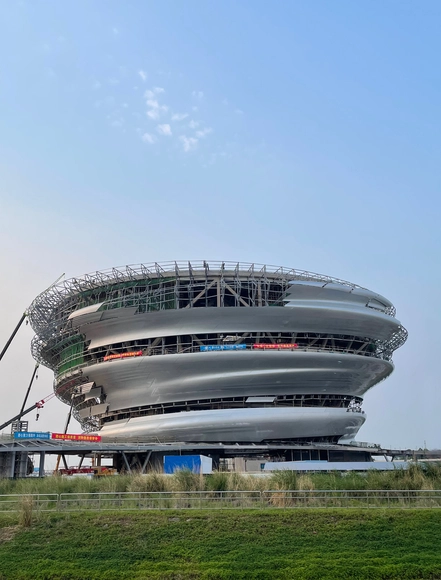
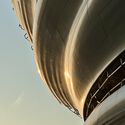
Designed by MAD Architects, the FENIX Museum of Migration is scheduled to open in Rotterdam's City Harbor in 2025. Currently under construction, the museum is set to explore the global narrative of migration through art, architecture, photography, and history. Situated in a 16,000-square-meter warehouse built in 1923, once part of the world's largest warehouse, the building has historical significance as a key storage and shipping hub for the Holland America Line. New construction photographs showcase the assembly of the metallic helix, named The Tornado, taking shape above the historical warehouse.
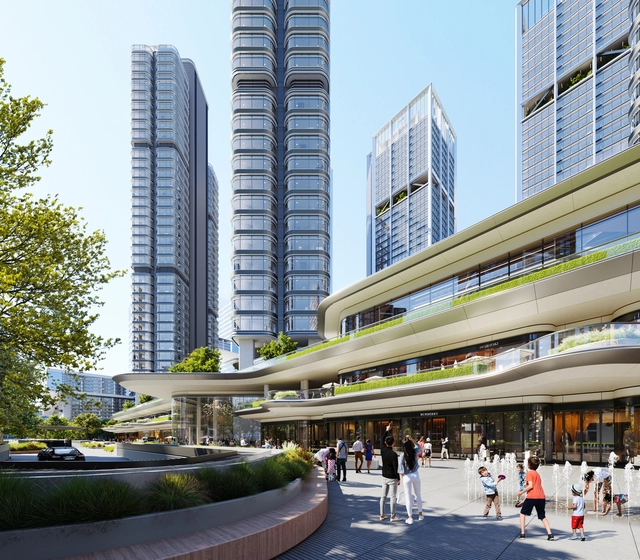
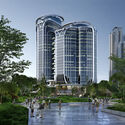
Situated in Hangzhou's Central Business District, the Euro American Innovation City is a mixed-use development designed by Foster+Partners to become a dynamic addition to the city. The 346,450 square-meter project includes two 200-meter-high office towers and four high-rise apartment buildings, complemented by a public plaza, an IT incubator, and a retail mall on the lower levels. Construction is currently progressing in phases, with the first phase nearing completion next month and the second set to finish by year-end, while the entire project aims for completion in September 2025.
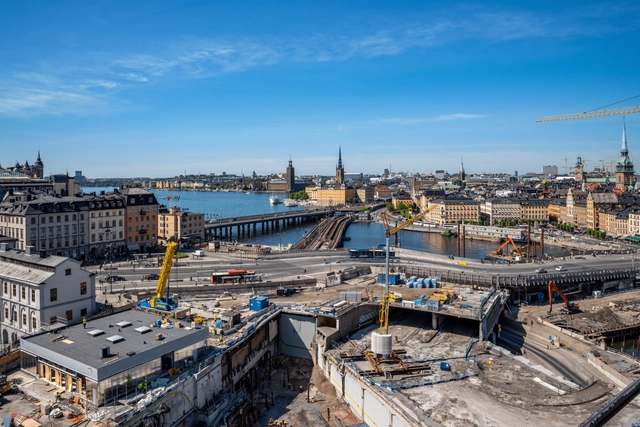
STOCKHOLM, SWEDEN - MAY 26, 2018: Cityscape view from above of large contruction site at the Old Town and Slussen in Stockholm Sweden May 26, 2018.. Image via Shutterstock | Per-Boge
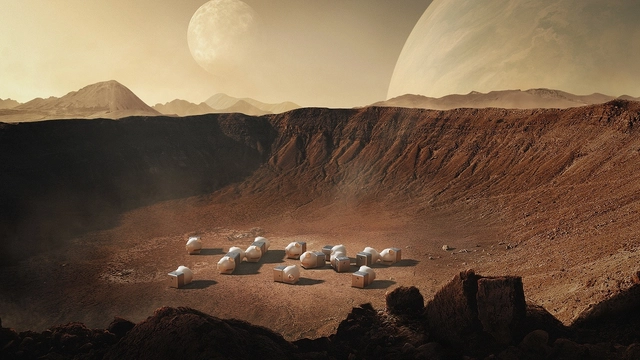
Space exploration isn’t merely a testament to human ambition or a quest for new territories and resources. Our ventures beyond Earth’s atmosphere are driven by a deeper purpose: to understand better our place in the cosmos and to pioneer innovations that can transform life on our home planet.
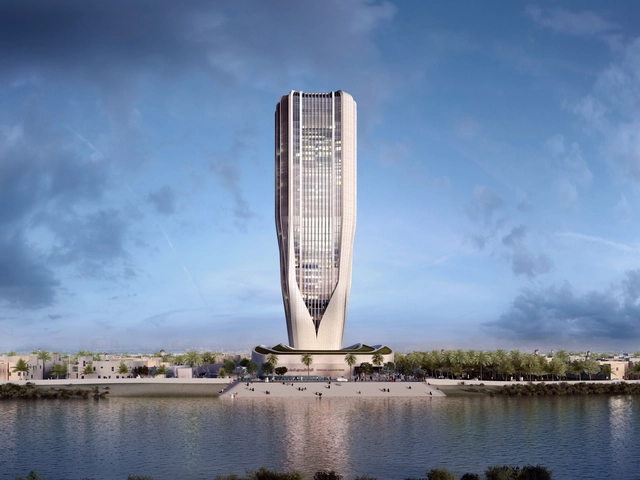
The Central Bank of Iraq (CBI) headquarters, designed by the UK-based Zaha Hadid Architects, is a new landmark on the banks of the Tigris River in Baghdad. Now the tallest building in the city, the 170-meter-tall skyscraper aims to echo the values of the institution: solidity, stability, and sustainability. Blending innovation with the rich heritage of Baghdad, her birthplace, Zaha Hadid’s vision for the Central Bank of Iraq headquarters stands as a tribute to the city's enduring legacy.
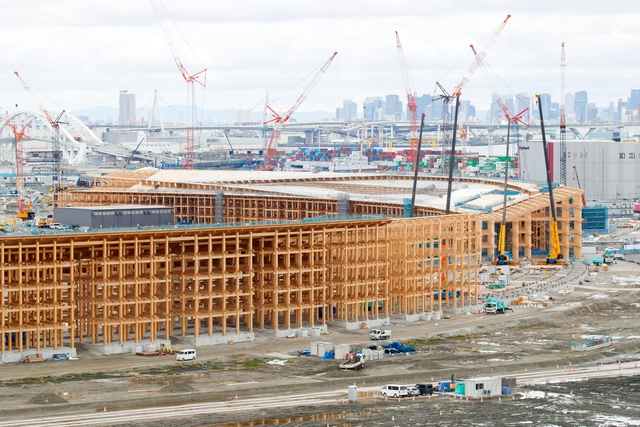
In preparation for Expo 2025 Osaka, Kansai, Japan, The "Grand Ring," designed by renowned architect Sou Fujimoto, has reached a significant milestone. As of August 2024, the wooden construction of this structure is now complete, fully connecting the 2-kilometer ring into a continuous loop. This achievement is a crucial step in the development of the Expo site on Yumeshima, an artificial island on Osaka's waterfront, where the Expo will take place from April 13 to October 13, 2025.
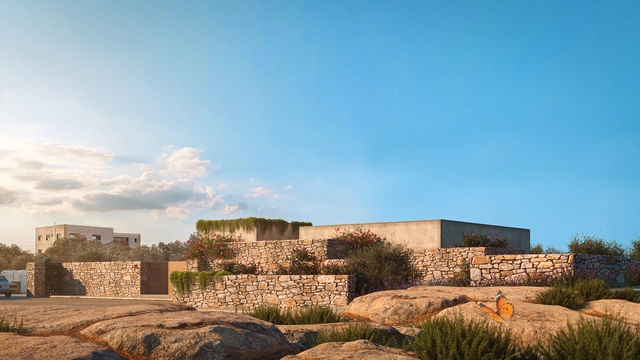
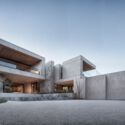
Throughout history, stone has been a vital building material because of its strength, beauty, and inherent appeal. Stone has been used to build long-lasting constructions for ages, from historic monuments to contemporary residences. Because of its resilience, it is suitable for both interior and exterior design projects, providing a diverse array of appearances. There are numerous varieties of stone, each with a distinct texture and color, including marble, granite, and limestone. Because of this diversity, stone may be creatively used by architects and builders to create accents or entire buildings. This curated selection of Unbuilt Architecture,submitted by the ArchDaily community, showcases how stone is still a dependable and adaptable building material that can combine old-world craftsmanship with contemporary style.
The Second Studio (formerly The Midnight Charette) is an explicit podcast about design, architecture, and the everyday. Hosted by Architects David Lee and Marina Bourderonnet, it features different creative professionals in unscripted conversations that allow for thoughtful takes and personal discussions.
A variety of subjects are covered with honesty and humor: some episodes are interviews, while others are tips for fellow designers, reviews of buildings and other projects, or casual explorations of everyday life and design. The Second Studio is also available on iTunes, Spotify, and YouTube.
This week David and Marina of FAME Architecture & Design discuss their pet peeves in architecture design. The two cover poorly adapted historical elements; inconsistent use of materiality and detail in a project; dead-end hallways; poor construction execution and more.
https://www.archdaily.com/1019964/the-second-studio-podcast-architecture-pet-peevesThe Second Studio Podcast
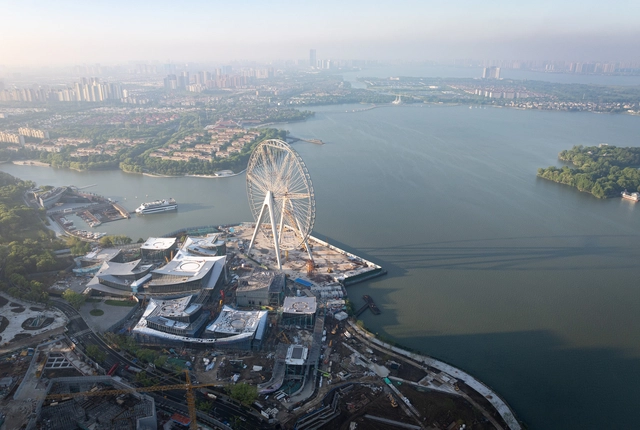
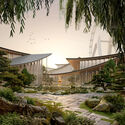
The Suzhou Museum of Contemporary Art, spanning 60,000 square meters, is envisioned as a village of 12 pavilions, presenting a contemporary take on the city's historic urbanism, architecture, and landscape. Designed by Bjarke Ingels Group - BIG, ARTS Group, and Front Inc., the project is part of Suzhou's development around Jinji Lake. It reimagines the classical garden 'lang,' or corridor, framing gardens with outdoor art installations. The pavilions' layout draws inspiration from Suzhou’s garden heritage, guiding visitors through an artistic, natural, and aquatic journey. The museum, which recently celebrated its topping out, is scheduled for completion in 2025.
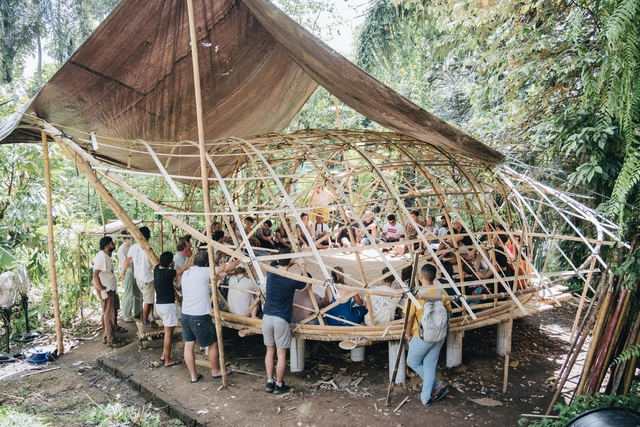
The Kul Kul Farm was born with the purpose of sharing knowledge of how to design, build, grow, make, and create with nature in mind. Promoting values that respect and care for the Earth while strengthening community bonds, the farm has become a beacon of sustainability and connection with the natural environment. In 2015, Maria and Orin started this project with the intention to inspire and empower both local Balinese and tourists to live a life more connected to the natural world. Although they initially promoted their values through permaculture, they soon realized the world was ready and hungry for the knowledge, skill, and inspiration to design homes and spaces connected to nature, and a whole new movement had started to grow in their own backyard—the bamboo movement.
https://www.archdaily.com/1019173/the-kul-kul-farm-and-bamboo-u-empowering-people-to-build-a-better-world-with-bambooMaría Clara Falquez
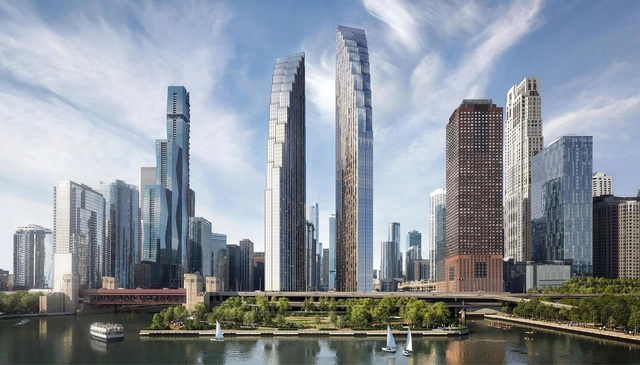
The Skidmore Owings & Merril (SOM) two-tower development in Downtown Chicago has just started construction. Situated at the intersection of Lake Michigan and the Chicago River, the new residential development seeks to redefine Chicago’s skyline. Composed of 635 residential units in its first phase, 20% of which are designated as affordable housing, the scheme also outlines the design of DuSable Park. Phase one of the project has officially commenced, occupying the last undeveloped waterfront parcel in the Streeterville neighborhood.
The history of the use of lime in the construction industry dates back thousands of years, spanning cultures and communities worldwide. In fact, around 4000 B.C., the ancient Egyptians used quicklime mixed with water as a building material for their pyramids. Although lime has multiple applications in the food and agricultural industries, as well as in chemical, mining, and steel industries, in architecture it is one of the main construction materials due to its versatility, adhesion, waterproofing, workability, performance, setting, and durability, which allow for the creation of masonry mortars, interior or exterior plasters, among other functions.
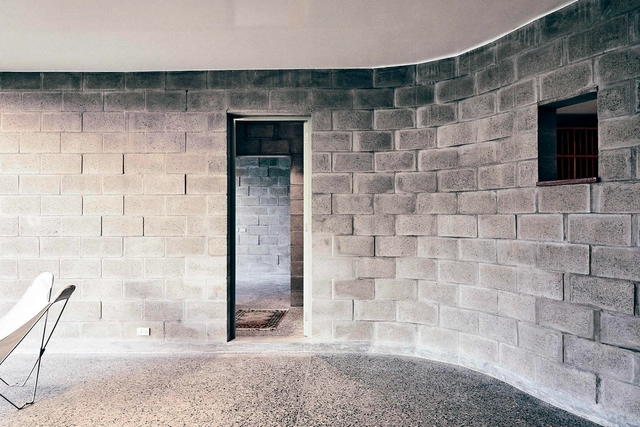
Beyond being a prefabricated material currently produced in large quantities, the use of concrete blocks in architecture continues to evolve to meet the demands and needs of contemporary societies that are constantly changing. Whether in interior or exterior spaces, their use can align with concepts of circular economy, resource efficiency, sustainability, and more, with the goal of creating habitable spaces while also understanding their constructive advantages and disadvantages, their expressive and aesthetic qualities, and so on.
The Hainan Science Museum - construction progress. Image Courtesy of MAD Architects
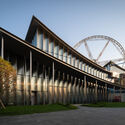
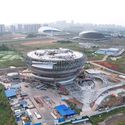
The Hainan Science Museum, designed by Ma Yansong / MAD Architects, is progressing through its construction phases. The project began its design phase in 2020, broke ground in November 2021, and completed its main structure in June 2023. The museum, located on the west coast of Haikou City in Hainan Province, aims to be a landmark that integrates modern architecture with natural surroundings, promoting the convergence of technology and nature. The museum is expected to finish its curtain wall and landscaping by June this year and open for visitors in 2025.
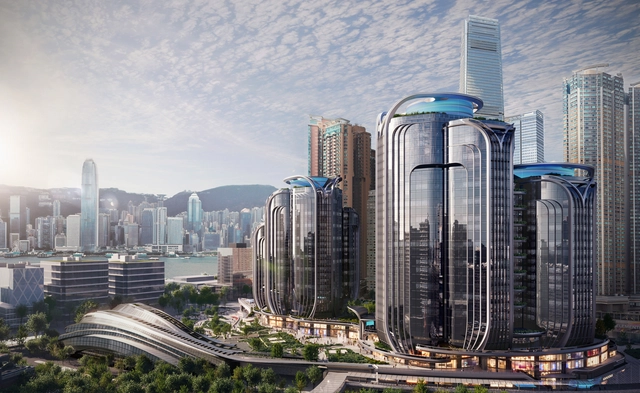
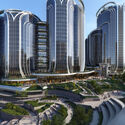
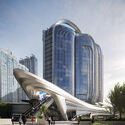
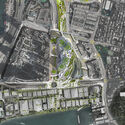
Construction has reached the roof level in Zaha Hadid Architect’s development above Hong Kong High-Speed Rail West Kowloon Terminus. Adjacent to the West Kowloon Cultural District, this development connects established and emerging neighborhoods with a network of public gardens and landscaped plazas. Designed by Zaha Hadid Architects (ZHA), it seeks to integrate seamlessly with the surrounding station and rooftop park, offering civic, office, and retail spaces.
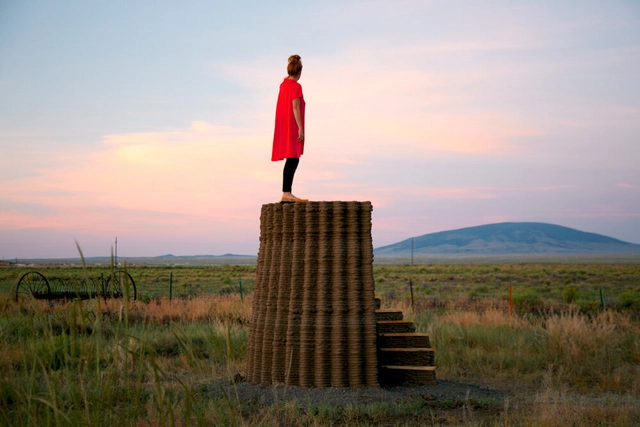
Mud Frontiers. Image Courtesy of Rael San Fratello
Understanding a discipline from multiple perspectives and intersections is essential for acquiring a deep understanding of it. In architecture, the diversity of approaches to its study enriches our perception by allowing us to appreciate its complexity from different angles. For students and professionals alike, exploring aspects such as history, sources of materials and products, construction processes, implementation of new technologies, and contemporary social challenges is crucial. These aspects intertwine and expand the conventional notion of "architecture," transcending the mere creation of buildings or the definition of spaces.
Ronald Rael, an architect and the Eva Li Memorial Chair in Architecture at the University of California, Berkeley, exemplifies this vision through his practice, which spans from research to connecting indigenous and traditional material practices with contemporary technologies and issues. As an activist and designer, Rael's research interests explore additive fabrication, border-wall studies, and earth construction. Co-founder of Rael San Fratello, Emerging Objects, and Forust, his practice shows an approach to architecture that is highly relevant in contemporary times.
https://www.archdaily.com/1016555/we-can-transform-the-profession-by-rethinking-how-we-might-serve-society-a-conversation-with-ronald-raelEnrique Tovar