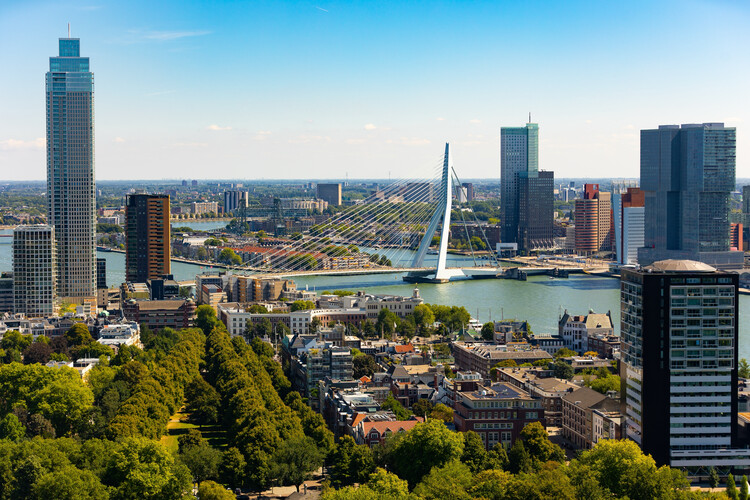
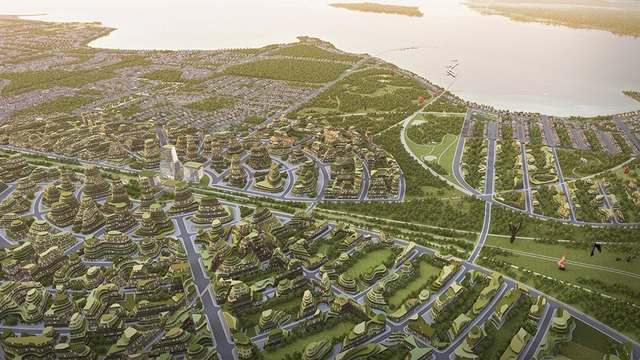
What does optimism feel like in cities that can no longer rely on perfection as their ultimate ambition? Across the world, urban environments bear the weight of overlapping pressures: climate volatility, spatial inequality, political fragmentation, public distrust, and chronic infrastructural disinvestment. These realities render the idea of an ideal city increasingly detached from lived experience. Yet the hope for building better systems persists. While utopian visions may seem like an escape from the growing complexities of the modern world, the greater challenge for contemporary city-making is to confront those complexities rather than avoid them.
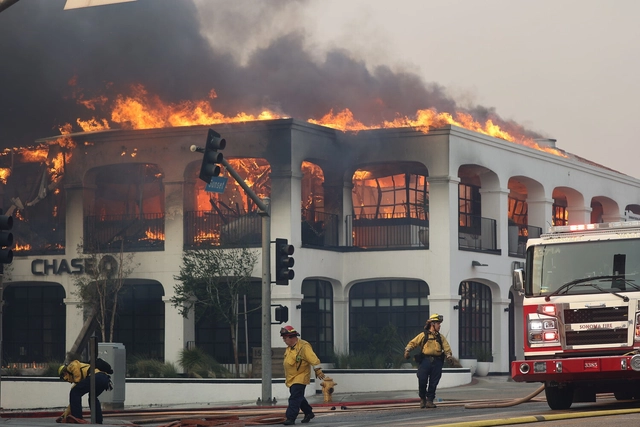
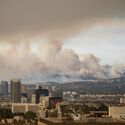
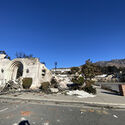
It has been nearly three weeks since one of California's most devastating wildfires began, triggering an immense effort to combat the blaze and mitigate further damage. As firefighters work to contain the remaining flames, the city braces for its first significant winter rainfall, raising concerns about flooding and landslides that may exacerbate the already extensive destruction.
Amid these challenges, the wildfire has spurred widespread reflection at local and global levels. Discussions have emerged on topics such as the insurance system, firefighting infrastructure, water resources, global warming's role in high-wind fire conditions, and the impact of landscape design, particularly the use of non-native vegetation.
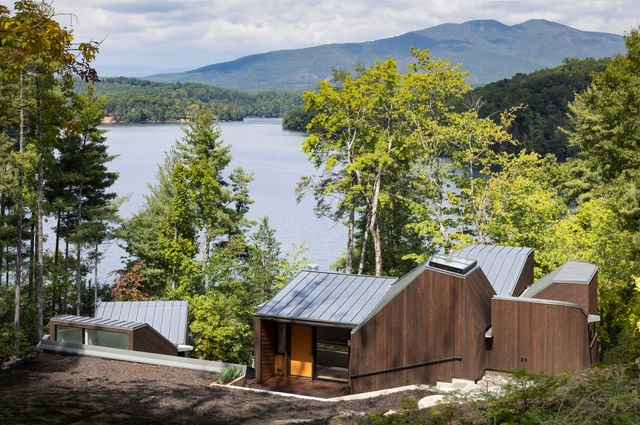
Rural environments are often difficult to define in administrative and professional contexts and carry notable biases and complexities. Population and density thresholds are the most common determinants for drawing administrative boundaries, yet other factors, such as infrastructure, employment, and services, contribute to the characterization of rural environments. In the United States, the Census Bureau defines rurality, not by its characteristics or resources, but by absences, as "any population, housing, or territory not in an urban area." For the design and planning community, it is important to define the future of rural environments, not through the metrics of urban resources or infrastructure, but to design a new framework for flexibility, adaptation, and health.
In recent years, the term “co-creation,” a buzzword in the business and management sector, has made its way into the architecture and urban planning discourse. The termis used to define a large concept that describes working intentionally with others to create something jointly. But architecture is already the result of a collaboration between multiple actors, architects, clients, investors, developers, and local administration, to name a few. Can the term still apply to this field, can it bring forth new forms of knowledge, and does it differ from the concept of participatory design?
When the Aga Khan Award for Architecture (AKAA) announced its winners of the 2022 edition, 20 projects were selected for their excellence in the fields of contemporary design, social housing, community development, and preservation and improvement of the environment. Among them, one project in Jhenaidah, Bangladesh, managed to capitalize on the strength of the local community to reverse the ecological degradation of its riverscape and create a functional and socially inclusive public space along the riverbanks. ArchDaily’s Managing Editor, Christele Harrouk, had the chance to interview Suhailey Farzana, and Khondaker Hasibul Kabir co-founders of Co.Creation.Architects, and Rubaiya Nasrin from Platform of Community Action and Architecture, POCAA, part of the team behind the Co-creation of Urban Spaces by the Nobogonga River, in Bangladesh. The project also won the 5th category of the UIA 2030 Award for the Access to Green and Public Spaces.
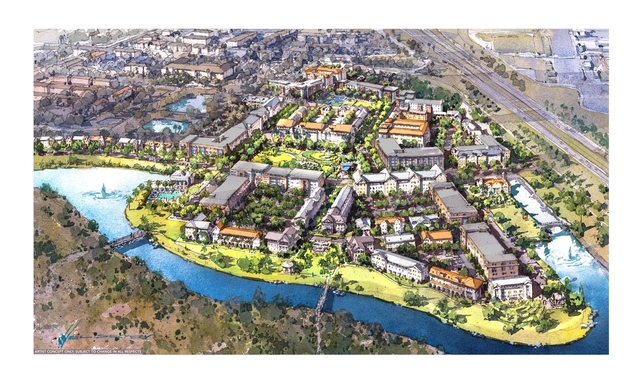
Community development proposals in Disney World come from back days. One of Walt Disney's last visionary projects was the Experimental Prototype Community of Tomorrow (EPCOT), a center for American enterprise and urban living. Disney advocated that the problems of cities were the most critical issues facing society and planned a city that could develop in a controlled manner, contrary to the urban expansion in the USA during the first half of the last century. After Disney died in 1966, the "EPCOT" concept was abandoned as the company was uncertain about the feasibility of operating a city. Fifty- five years later, after a thorough search, Walt Disney World chose The Michaels Organization for its experience in building and managing attainable housing communities.
Videos
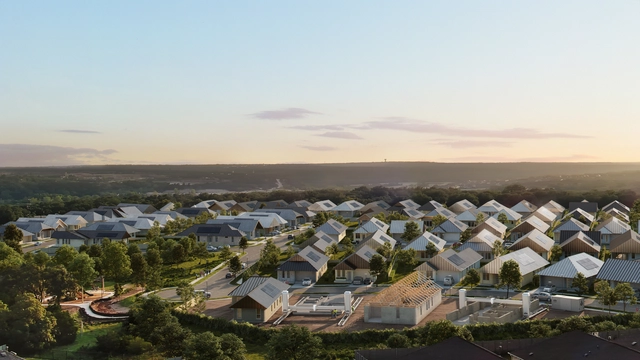
Concept Renders. Image Courtesy of ICON Build
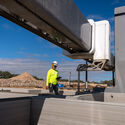
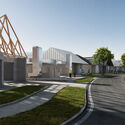
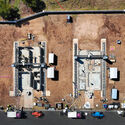
Pioneer in large-scale 3D printing, ICON announced the construction of a 3D-printed 100-Home Community co-designed by BIG – Bjarke Ingels Group and developed by Lennar. Located north of Austin, in the city of Georgetown, "The Genesis Collection at Wolf Ranch" will become the first and largest house estate in the world built by a fleet of robots integrating additive construction techniques.
Combining the digital possibilities of 3d printing with sustainable features at an affordable price, the project aims to support the housing crisis in Austin, one of the U.S.A's most dynamic and growing cities, home to the new Tesla Gigafactory and other giants such as Apple, Google, Microsoft, and Oracle.
The Transportation Alternatives and the Massachusetts Institute of Technology have initiated a new digital tool, Spatial Equity NYC, to help users understand how space is distributed and restricted across the neighborhoods of New York City. The tool asses the use of streets, sidewalks, and public spaces, as they are key factors that influence data such as pollution, traffic fatalities, accessibility, or air quality. The data collected shows a direct correlation between neighborhoods with low-income communities and communities of color and the detrimental ways in which public space is used, leading to health and mobility issues in those communities.
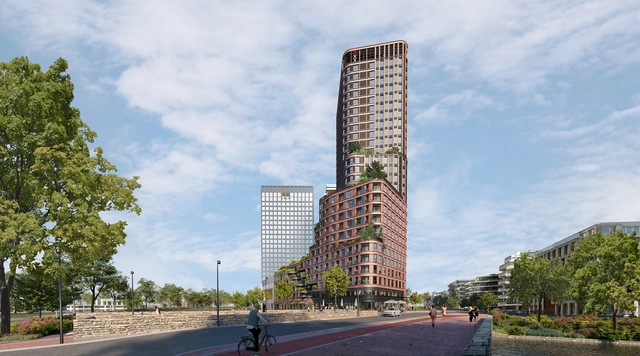
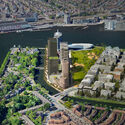
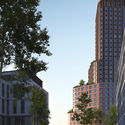
Brink Tower by Mecanoo was just granted planning permission and construction works are planned for mid-October 2022. Located in Amsterdam, the Netherlands, the 90-meter-high building, developed by Xior Student Housing and DubbeLL – winners of the competition for this tower together with Mecanoo Architecten in 2020- will offer a mixed program, including spaces to live, work, and relax in a healthy environment. The residential tower is set to create an" energy-positive, green, and inclusive neighborhood" and contribute to the development of Overhoeks in North Amsterdam.
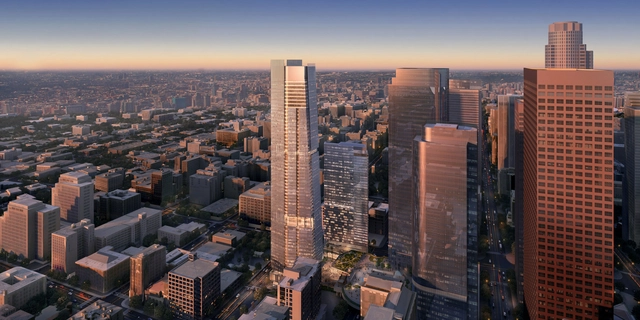
Handel Architects designed the third tallest in Los Angeles, a 63-story high-rise 265 meters high in the Historical Downtown L.A. Featuring a 150 meters second tower, affordable residential housing, and community spaces, the "Angels Landing" will be the largest and tallest development to be built by Black developers in the United States, marking a milestone in the real estate industry, as in L.A.'s skyline. In partnership with The Peebles Corporation and MacFarlane Partners, the complex is scheduled to open in 2027 and will create more than 8,300 new jobs during construction.
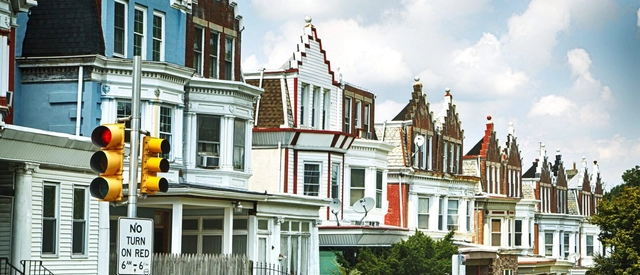
There are few more powerful questions than “Where are you from?” People feel intensely connected to cities as places and to other people who feel that same kind of connection. In other words, we tend to understand and experience places in a very personal way.
Yet to understand place—indeed, to understand human settlements in general—it’s important to recognize that places are not created by accident. They are created on purpose to further a political or economic agenda. Better cities emerge when the people who shape them think more broadly and consciously about the places they are creating.
Courtesy of UIA / International Union of Architects
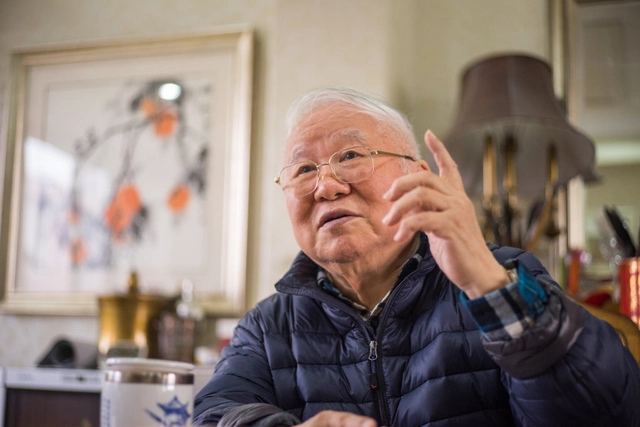
Chinese architect and town planner Wu Liangyong was recently featured in a new interview from the International Union of Architects (UIA) about his life and teaching. As the former Vice-President of the UIA and the Architectural Society of China (ASC), Liangyong won the Jean Tschumi Prize back in 1996. Today, he reflects on his academic career spanning 70 years at the Tsinghua University School of Architecture.