At the turn of the 19th century, a British publishing house would release a book written by an English urban planner – a book with an optimistic title. The title of this book was To-morrow: A Peaceful Path to Real Reform, later reprinted as Garden Cities of To-morrow. The English urban planner in question was Ebenezer Howard – and this book would lay the foundations for what would later become known as the Garden City Movement. This movement would go on to produce green suburbs praised for their lofty aims, but it would also produce satellite communities that only catered to a privileged few.
Compared to that of the West and East, awareness and knowledge of the architecture of sub-Saharan Africa—Africa south of the Sahara Desert—is scant. A new book intends to mitigate this oversight, and it’s a significant accomplishment. Architectural Guide Sub-Saharan Africa (DOM publishers, 2021), edited by Philipp Meuser, Adil Dalbai, and Livingstone Mukasa, was more than six years in the making. The seven-volume guide presents architecture in the continent’s 49 sub-Saharan nation-states, includes contributions by nearly 340 authors, 5,000 photos, more than 850 buildings, and 49 articles expressly devoted to theorizing African architecture in its social, economic, historical, and cultural context. I interviewed two of the editors—Adil Dalbai, an architectural researcher and practitioner specializing in sub-Saharan Africa, and Livingstone Mukasa, a native Ugandan architect interested in the intersections of architectural history and cultural anthropology—about the challenges of creating the guide, some of its revelations about the architecture of Africa, and its potential impact.
https://www.archdaily.com/979526/a-remarkably-comprehensive-new-guide-to-the-architecture-of-sub-saharan-africaMichael J. Crosbie
The early 20th century saw the birth of Modernist architecture. It brought with it a central architectural movement that in turn birthed off-shoots of its own. A figure often seen as the defining face of this movement is Le Corbusier, whose 1923 treatise Toward an Architecturewas influential to his Modernist contemporaries – a manifesto including the phrase “a house is a machine for living in” where good architecture would have to be intrinsically linked to function and the demands of industry.
The year 2021 has been a turbulent one –coronavirus rages on, and the design and construction industries have been forced to keep adapting two years into a global pandemic. As virtual methods of working and communicating continue to be tweaked and honed, a plethora of virtual events has meant that architectural discourse outside the western canon and Eurocentric gaze, in a small way, has been able to claim space front and center in the global architectural conversation.
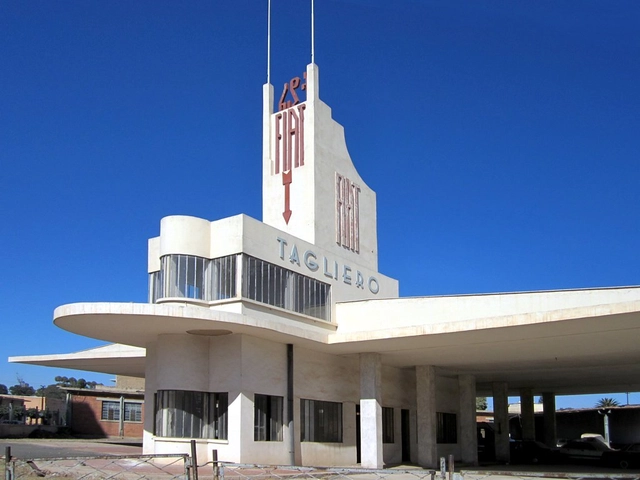
The built environment we all inhabit is part and parcel of global, interconnected processes and systems. When we appraise the historically significant architecture of our cities, the structural integrity and aesthetics of a building merits equal consideration with factors such as the labour conditions of its builders to the existing power structures of its time. Examples of ItalianModernism in Eritrea, for instance, might be worthy of aesthetic praise – but intertwined with the legacy of these buildings hailed as Modernist icons is the sobering fact that they were built to further an imperial project. In the complex fields of architectural conservation, preservation and cultural heritage, democratisation should always remain a key priority.


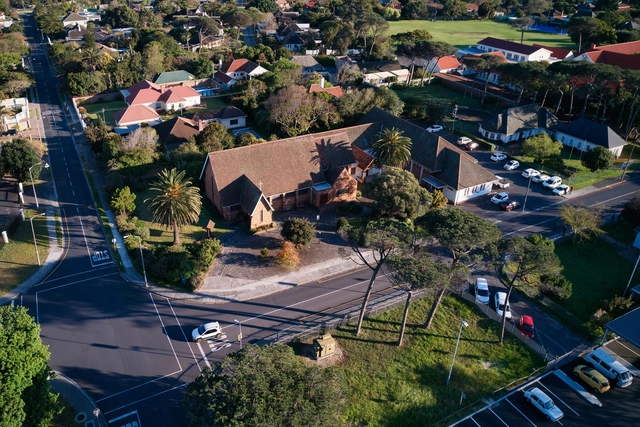





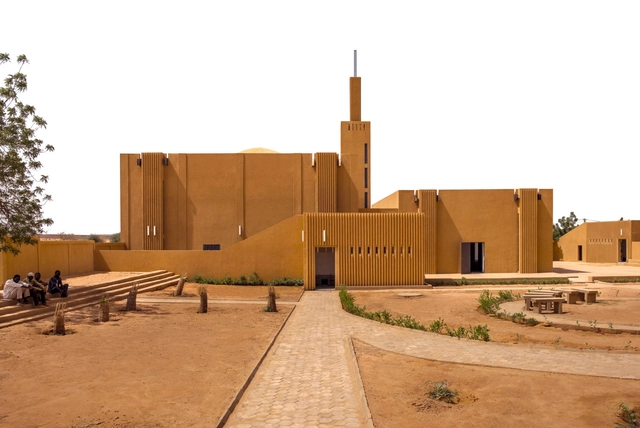

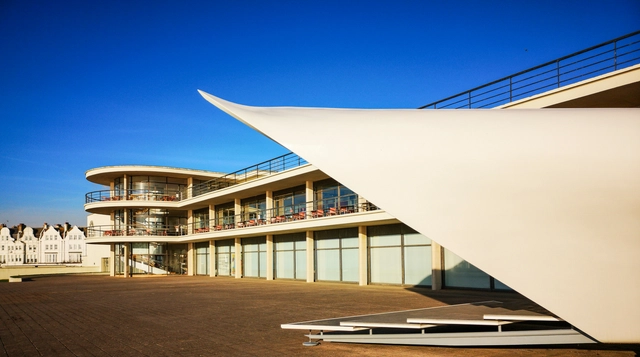









.jpg?1637861666 "Casco Viejo - Panama City, Panama. Image © Wikimedia User David Broad under the Creative Commons Attribution 3.0 Unported license.")