1. ArchDaily
  2. Clorindo Testa

Clorindo Testa: The Latest Architecture and News

When Art Came First: Spatial Experiments That Shaped Architecture in Latin America

Subscriber Access | 

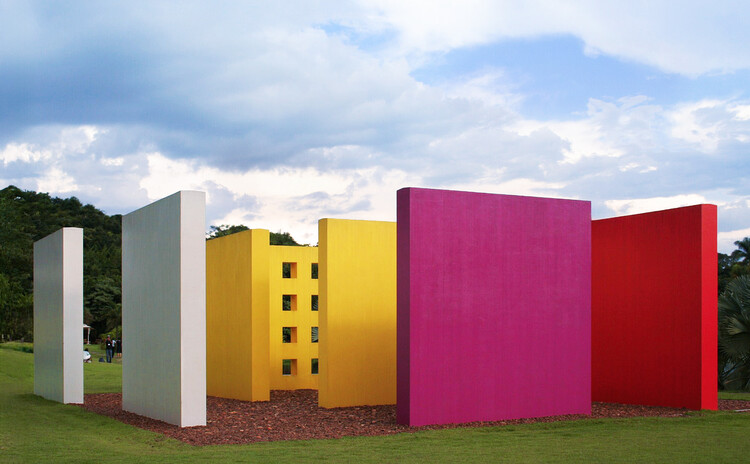
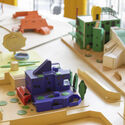
Many of the spatial ideas we now associate with contemporary architecture, collective use, and bodily experience did not originate in buildings alone. In Latin America, these ideas were often explored first through art, at a moment when artists were actively questioning how space could be occupied, shared, and experienced beyond traditional forms.

During the mid-20th century, the region underwent rapid urbanization and profound social change. Architecture was increasingly expected to respond to public life, collectivity, and new ways of inhabiting space. At the same time, art offered a more flexible ground for experimentation, one less constrained by function, regulation, or permanence. As a result, many spatial questions were tested through artistic practices before becoming part of architectural thinking.
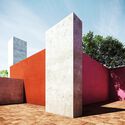
When Art Came First: Spatial Experiments That Shaped Architecture in Latin America - Image 1 of 4When Art Came First: Spatial Experiments That Shaped Architecture in Latin America - Image 2 of 4When Art Came First: Spatial Experiments That Shaped Architecture in Latin America - Image 3 of 4When Art Came First: Spatial Experiments That Shaped Architecture in Latin America - Image 4 of 4When Art Came First: Spatial Experiments That Shaped Architecture in Latin America - More Images+ 11

Clorindo Testa's Artistic and Architectural Experimentation: Colors and Asymmetrical Plays in Spaces of Worship

Subscriber Access | 

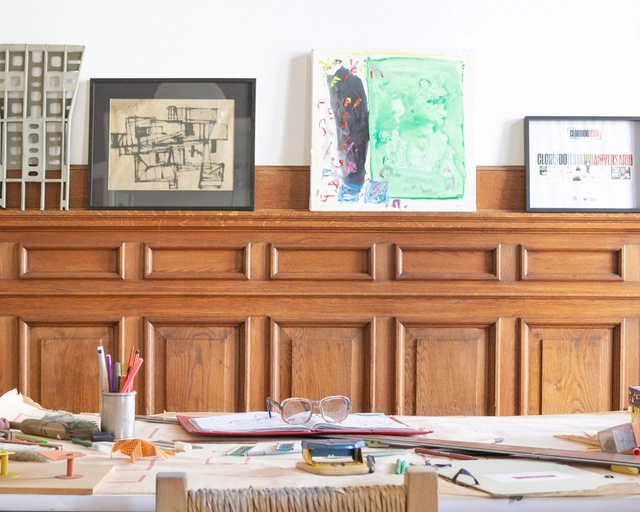
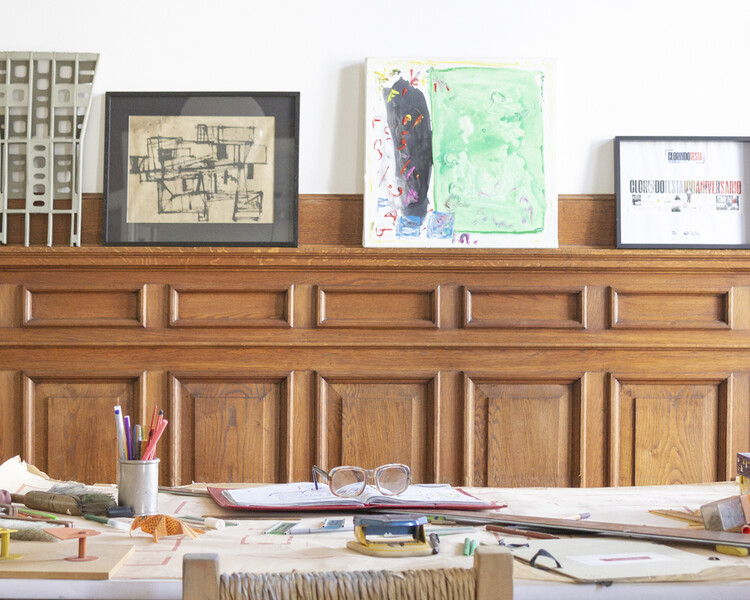
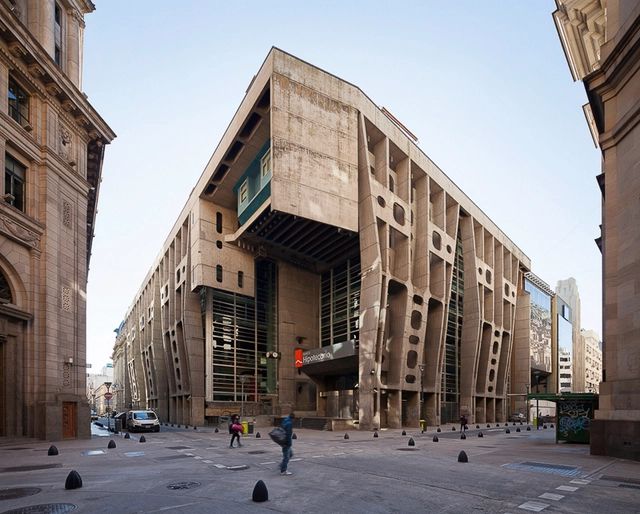
Amid questions, reflections, and debates, the work of Clorindo Testa embodies an innate connection between artistic and architectural experimentation, reflected in many of his built projects, sketches, models, and plans. From the Mariano Moreno National Library to the former Bank of London building in Buenos Aires, his production is of such scope, diversity, and complexity that it constitutes a major source of study, one that also includes unbuilt projects that deserve visibility and recognition on a global scale. In his final years of professional activity, two unbuilt projects of religious architecture highlight Testa’s work not only as an architect but also as a visual artist.

The use of primary colors, pure forms, and concrete represent some of the most distinctive characteristics of Clorindo Testa’s architecture, which is inseparable from his visual art. Reflecting on themes such as living in large cities or the conditions of life in urban spaces, the powerful expressiveness and plasticity of his works, together with the character of the line, his typical color palette, and the frequent presence of the human figure, reveal the importance and meaning he attributed to scales, uses, and perceptions as an architect who never settled for the first idea.

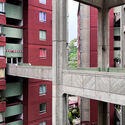
Clorindo Testa's  Artistic and Architectural Experimentation: Colors and Asymmetrical Plays in Spaces of Worship - Image 1 of 4Clorindo Testa's  Artistic and Architectural Experimentation: Colors and Asymmetrical Plays in Spaces of Worship - Image 2 of 4Clorindo Testa's  Artistic and Architectural Experimentation: Colors and Asymmetrical Plays in Spaces of Worship - Image 3 of 4Clorindo Testa's  Artistic and Architectural Experimentation: Colors and Asymmetrical Plays in Spaces of Worship - Image 4 of 4Clorindo Testa's  Artistic and Architectural Experimentation: Colors and Asymmetrical Plays in Spaces of Worship - More Images+ 34

8 Houses That Defined Modern Architecture in Argentina

Subscriber Access | 

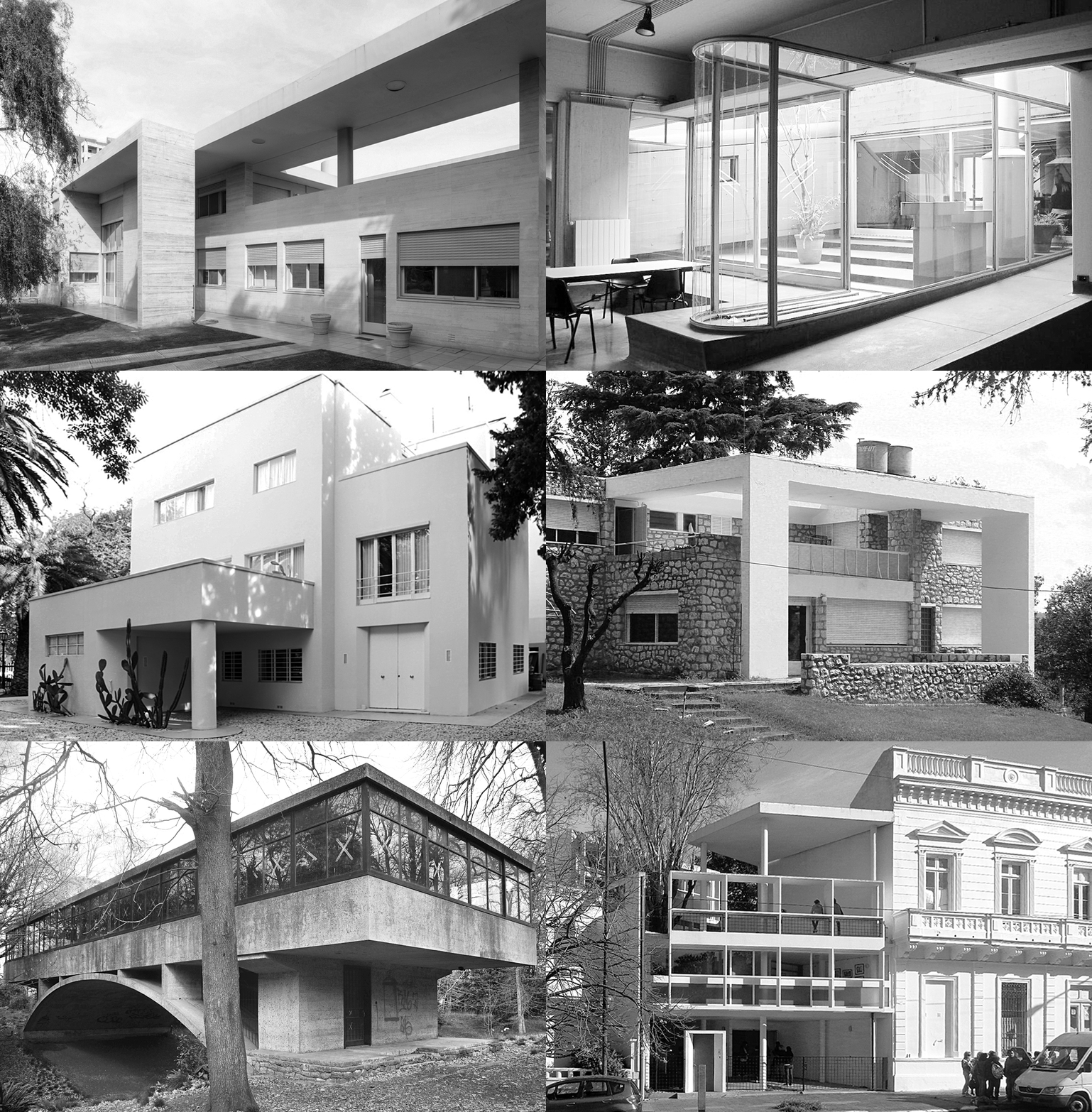
Modernism played an undeniable role in the renewal of architectural ideals, contributing a new attitude toward understanding new ways of living, construction techniques, and aesthetics, marking profound changes in the general perception of the world. In Argentina, while it is complex to define modern architectural production periodically, it is possible to mention some architects who began, starting in the 1920s, to engage with these ideas. The intellectual contributions and architectural creations of Alejandro Virasoro, Alberto Prebisch, Ernesto Vautier, Fermín Beretervide, Wladimiro Acosta, Alejo Martinez, Antonio and Carlos Vilar, Juan Kurchan, Jorge Ferrari Hardoy, Antonio Bonet, Abel López Chas, Eduardo Catalano, Eduardo Sacriste, and Amancio Williams, among others, often included original approaches associated with new modes of thought, manifesting an architecture resulting from the analysis of the local and regional conditions of their cities.

Ítala Fulvia Villa and her Sixth Pantheon: The Story Behind Buenos Aires' Brutalist Necropolis

Subscriber Access | 

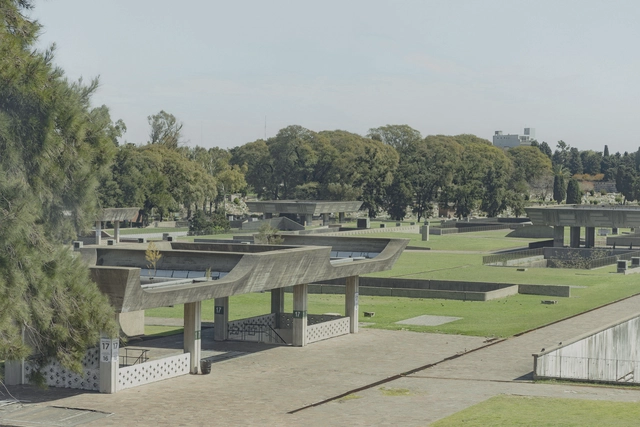
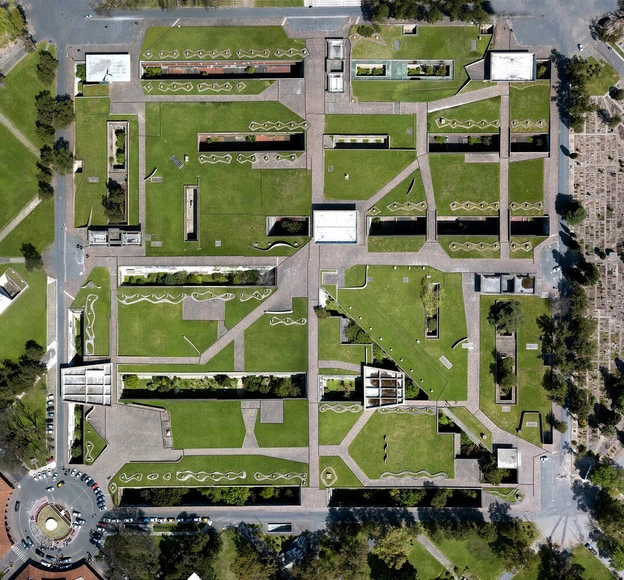
Around 1949, the city of Buenos Aires led the construction of the Sixth Pantheon in the Chacarita neighborhood. Monumental in character and brutalist in style, this underground necropolis turned out to be the first and largest experiment in modern architecture in the funerary field. Designed by Ítala Fulvia Villa, one of the first Argentine women architects and urban planners, and a pioneer of South American modernism, along with her team comprised of Leila Cornell, Raquel S. de Días, Gunter Ernest, Carlos A. Gabutti, Ludovico Koppman, and Clorindo Testa, this work was discovered by Léa Namer, who conducted an in-depth investigation reflecting on the legacy of a modern utopia and a feminist rereading of history.

Architecture Classics: Sixth Pantheon of Chacarita

Until recently, the Sixth Pantheon of Chacarita was an icon of Argentine modern architecture that went unnoticed. Located in the heart of the city of Buenos Aires, this pantheon represents one of the first and one of the largest experiments in modern funerary architecture of such magnitude in the world.

2023's AD Classics: Year in Review

Architecture Classics showcased on ArchDaily serve as essential archives of architectural marvels, offering a window into the past. These classics showcase our collective design wisdom and innovation globally, enriching our design knowledge. In fact, through the acknowledgment and appreciation of different styles, functions, and narratives embedded within these structures, our view of architecture and its impact worldwide can become more comprehensive.

Within ArchDaily’s extensive list of Architectural Classics, 2023 saw the exploration of 16 diverse typologies. From public landmarks like Mies Van der Rohe’s Barcelona Pavilion to the Julio Mario Sant Domingo Cultural Center and the Biblioteca El Tintal by Bermùdez Arquitectos, showcasing the power of public infrastructure. Structures such as Mariano Moreno’s National Library and Oscar Niemeyer’s Aeronautics Center highlight the eclectic nature of these classics.

2023's AD Classics: Year in Review - Image 1 of 42023's AD Classics: Year in Review - Image 2 of 42023's AD Classics: Year in Review - Image 3 of 42023's AD Classics: Year in Review - Image 4 of 42023's AD Classics: Year in Review - More Images+ 13

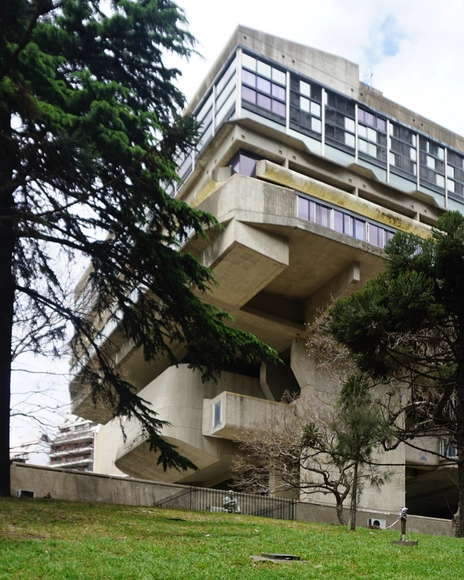
Architectural Classics: Mariano Moreno National Library / Clorindo Testa + Francisco Bullrich + Alicia Cazzaniga

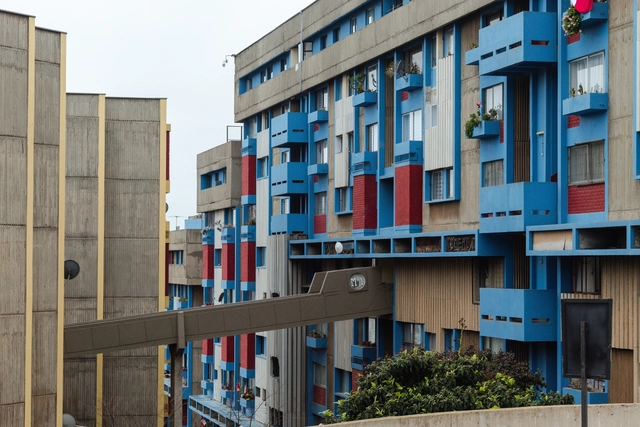
In the central Recoleta neighborhood of Buenos Aires, in a large lot between Austria Street, Agüero Street, and Del Libertador Avenue, stands the current building of the Mariano Moreno National Library, designed by architects Clorindo Testa, Francisco Bullrich, and Alicia Cazzaniga.

Built on the basis of the project that won first prize in a national competition in 1961, and completed in the early 1990s, it has become a landmark of modern Argentine architecture and an example of the variant of 20th century expressionism known as "brutalism".

22 Architecture Classics to Celebrate the Day of the Architect in Argentina

Subscriber Access | 

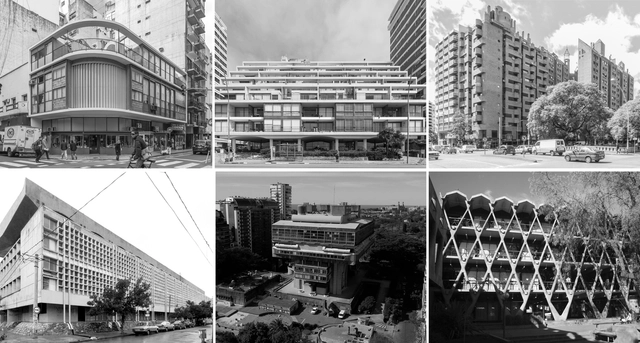
Within South America, different dates have been established to pay tribute to and honour the career, life and work of architecture professionals. While in Uruguay it is celebrated every 27th of November in relation to the creation of the first Faculty of Architecture, in Brazil every 15th of December in homage to the birth of Oscar Niemeyer or in Chile every 4th of August for the founding of the College of Architects, the Argentine Federation of Architects' Associations (FADEA) kept the 1st of July to commemorate the Day of the Argentinean Architect, respecting the establishment of the International Day of Architecture, established by the International Union of Architects (UIA) in 1985.