1. ArchDaily
  2. Clay

Clay: The Latest Architecture and News

Ceramics Forged in Light: A Spatial Translation of Circular Material Processes

 | In Collaboration

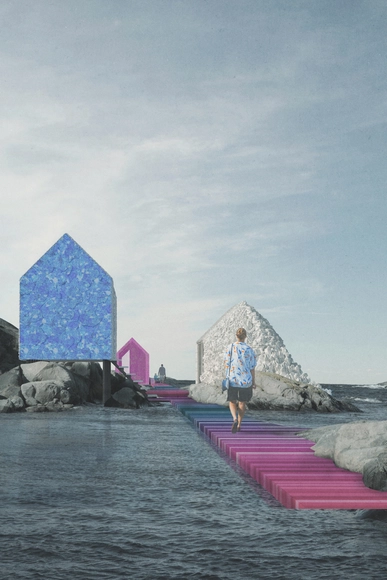
Can one of architecture's oldest materials still inform how sustainability and manufacturing are approached today? What shifts when ceramic is viewed beyond its surface, as a process shaped by light, water, and clay? At Milan Design Week 2026, VitrA, a brand producing bathroom and ceramic surfaces and working across sanitaryware and tiles, and international design practice Snøhetta explore these questions through Ceramics Forged in Light, an immersive installation created for the INTERNI MATERIAE exhibition. Positioned within a broader discourse on material experimentation and circular production, the project treats ceramic as an architectural material defined by continuous transformation, shaped through light, water, heat, reflection, and reuse.

Fired clay has been used in construction for over 9,000 years, evolving from vernacular craft into one of the most widely applied materials in the built environment. Its durability, water resistance, thermal performance, and adaptability have made it a staple for facades, sanitaryware, flooring, architectural surfaces, and structural systems. Today, new manufacturing technologies are extending these possibilities as architects and manufacturers confront the environmental implications of material extraction and production.

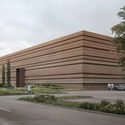
Sordo Madaleno and építész stúdió Selected to Design New Natural History Collection Center in Debrecen, Hungary

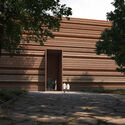
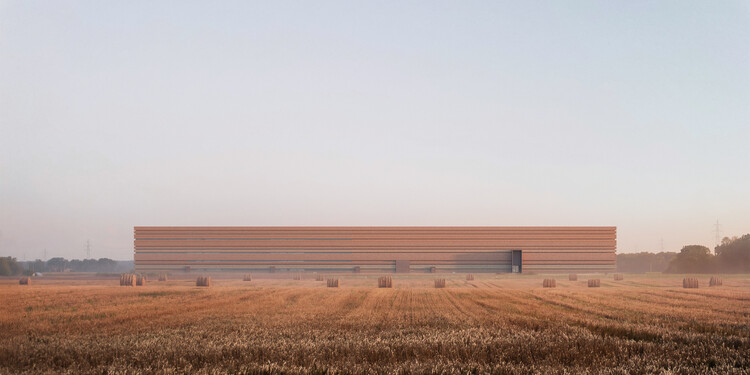
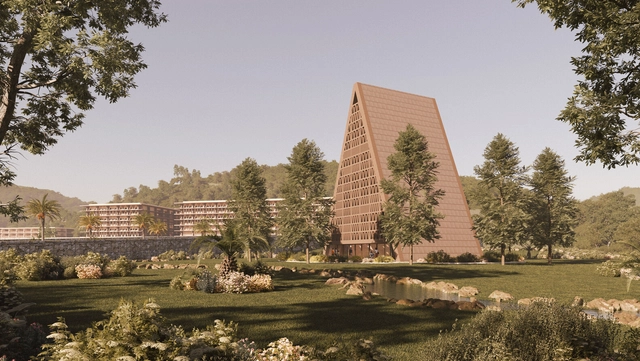
Sordo Madaleno, in collaboration with építész stúdió and Buro Happold, has been selected to design the 43,000-square-meter New Debrecen Collection Center for the Hungarian Museum of Natural History. Debrecen, Hungary's second-largest city, is currently the focus of significant urban and university-related development, including plans to relocate the Hungarian Museum of Natural History from Budapest to the edge of Debrecen's Great Forest. The proposed Collection Center is conceived as a facility dedicated to the controlled storage and study of more than 11 million objects, drawing conceptual inspiration from traditional Hungarian clay vessels, structures historically used to protect and preserve. The project would mark the first European cultural commission for the Mexican architecture practice, which operates studios in London and Mexico City.

Sordo Madaleno and építész stúdió Selected to Design New Natural History Collection Center in Debrecen, Hungary - Image 1 of 4Sordo Madaleno and építész stúdió Selected to Design New Natural History Collection Center in Debrecen, Hungary - Image 2 of 4Sordo Madaleno and építész stúdió Selected to Design New Natural History Collection Center in Debrecen, Hungary - Image 3 of 4Sordo Madaleno and építész stúdió Selected to Design New Natural History Collection Center in Debrecen, Hungary - Image 4 of 4Sordo Madaleno and építész stúdió Selected to Design New Natural History Collection Center in Debrecen, Hungary - More Images+ 8

Beyond the Limits of the Project: The Architectural Potential of Extruded Ceramic Tiles

 | Sponsored Content

All architecture is grounded in the earth. This pliant, resilient raw material is the origin of extruded ceramic tiles—clay transformed from its natural state into an architectural solution without relinquishing any of its authenticity. Exagres' work is rooted in this natural material, carefully transforming the clay with skillful precision and guiding it on this journey rather than forcing it.

Beyond Disaster Relief: The Evolution of Super-Adobe Into Permanent Structures in Hormuz, Iran

Subscriber Access | 

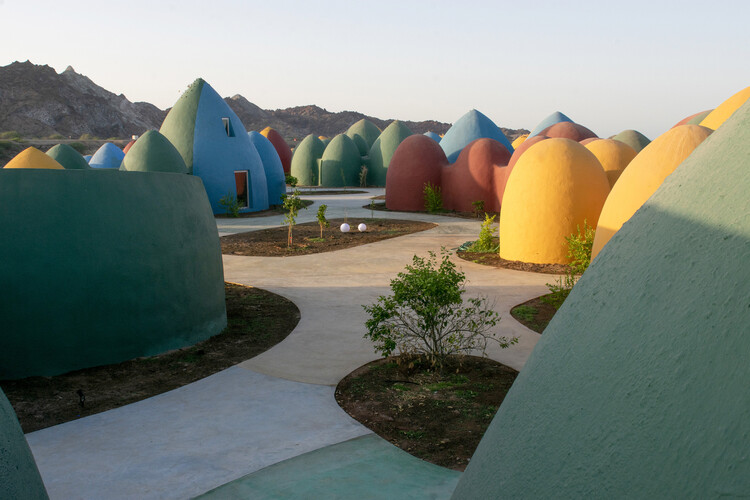
Hormuz Island, located in Iran, was a strategically significant port in the Persian Gulf, characterized by its landscape of colorful mountains. Despite its tourist appeal, the island faces significant socio-economic problems, with the local population having historically faced economic hardship. In response, the Majara Complex by ZAV Architects was conceived not merely as a building but as a deliberate architectural intervention designed to give control, opportunity, and economic benefit directly to the local community. To do this, the project channeled investment into local human resources and prioritized accessible construction techniques, creating a pathway for localized wealth creation. This allowed the Majara Complex to be one of the recipients of the Aga Khan Award for Architecture in 2025.

Beyond Disaster Relief: The Evolution of Super-Adobe Into Permanent Structures in Hormuz, Iran - Image 1 of 4Beyond Disaster Relief: The Evolution of Super-Adobe Into Permanent Structures in Hormuz, Iran - Image 2 of 4Beyond Disaster Relief: The Evolution of Super-Adobe Into Permanent Structures in Hormuz, Iran - Image 3 of 4Beyond Disaster Relief: The Evolution of Super-Adobe Into Permanent Structures in Hormuz, Iran - Image 4 of 4Beyond Disaster Relief: The Evolution of Super-Adobe Into Permanent Structures in Hormuz, Iran - More Images+ 4

Tradition in Clay: Vietnam's Architectural Exploration with Traditional Tiles

Subscriber Access | 

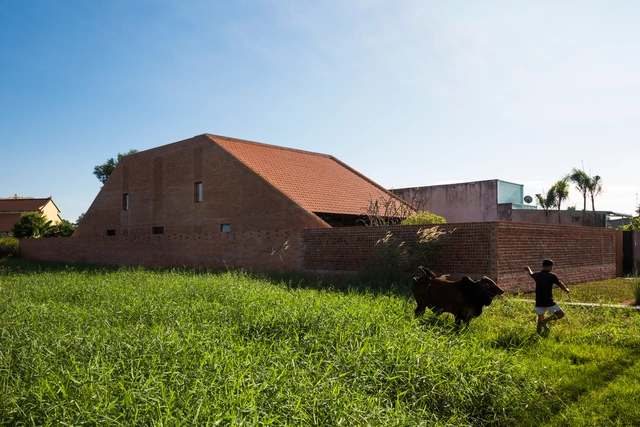
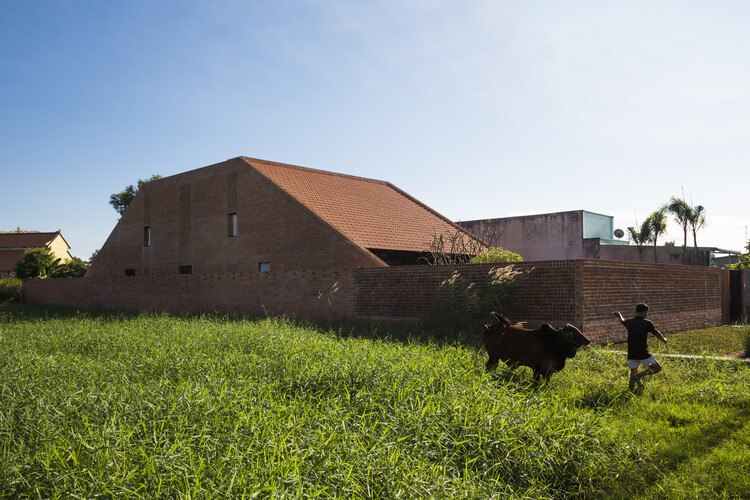
Red clay roof tiles appear in many architectural traditions around the world, despite the cultures being geographically or historically distant. However, this isn't necessarily surprising. Clay is an abundant and accessible building material worldwide, with some studies and other sources suggesting it comprises approximately 10-13% of the Earth's soils. Red tiles, in particular, are often a product of the local soil's mineral content and the firing process. Their widespread use across unrelated regions is less about shared cultural influence and more about material logic: clay is cheap, durable, and easy to work with using simple tools and techniques. In Vietnam, for example, there is a unique and visible tradition of clay tile use that dates back centuries. Regions like Vinh Long, nicknamed the "kingdom of red ceramics", have an abundance of this material, supporting a long history of tile-making. In some parts of Vietnam, these tiles are known as Yin-Yang tiles, due to the concave and convex shape in which they are formed during production.

Tradition in Clay: Vietnam's Architectural Exploration with Traditional Tiles - Image 1 of 4Tradition in Clay: Vietnam's Architectural Exploration with Traditional Tiles - Image 2 of 4Tradition in Clay: Vietnam's Architectural Exploration with Traditional Tiles - Image 3 of 4Tradition in Clay: Vietnam's Architectural Exploration with Traditional Tiles - Image 4 of 4Tradition in Clay: Vietnam's Architectural Exploration with Traditional Tiles - More Images+ 2

Grounded Interiors: Exploring Earth-Based Flooring Through 10 Contemporary Interiors

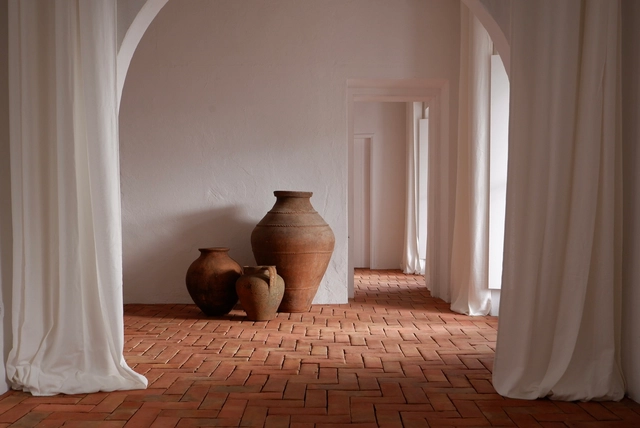
Earth-based flooring materials comprise natural elements such as clay, sand, silt, lime, and organic fibres. They offer both structural performance and sensory engagement when used in both outdoor and interior spaces. Due to their thermal properties, durability, and sustainable qualities, these materials have evolved from vernacular construction techniques into high-value architectural elements that are always being reinvented and optimized. There are several types of earthen floorings, each offering unique benefits, and they are increasingly used in interior settings.

Grounded Interiors: Exploring Earth-Based Flooring Through 10 Contemporary Interiors - Image 1 of 4Grounded Interiors: Exploring Earth-Based Flooring Through 10 Contemporary Interiors - Image 2 of 4Grounded Interiors: Exploring Earth-Based Flooring Through 10 Contemporary Interiors - Image 3 of 4Grounded Interiors: Exploring Earth-Based Flooring Through 10 Contemporary Interiors - Image 4 of 4Grounded Interiors: Exploring Earth-Based Flooring Through 10 Contemporary Interiors - More Images+ 18

The Bathroom, Reawakened: Contemporary Design Concepts for a Sensory Experience

 | Sponsored Content

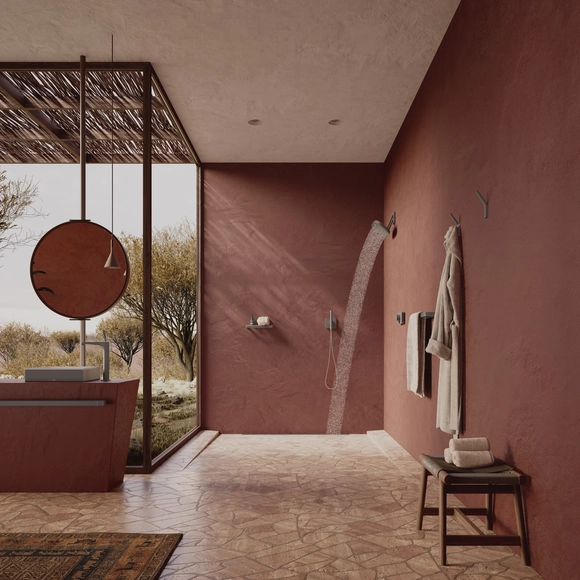
Water is a catalyst for sensory experiences: it manifests through direct contact when touched, through its presence when heard or seen reflected, and through its transformations—whether by temperature, from cold to heat, or by state, from liquid to vapor. It is a key element in designing for the senses, capable of evoking physically and emotionally perceived atmospheres. As Juhani Pallasmaa suggests, architecture does not address the eye alone but involves the whole body and sensory memory. The bathroom, in particular, concentrates much of the physical and emotional experience associated with water, opening up possibilities for creating environments that intensify that sensory connection. Consequently, the question arises: what elements or concepts should shape this space so that the shower experience escapes the ordinary?

Adjaye Associates Designs International Children’s Cancer Research Centre in Ghana

Adjaye Associates has revealed the design for the International Children's Cancer Research Centre (ICCRC) in Kyebi, Ghana. Commissioned by the Wish4Life Foundation, the project marks a step in the development of pediatric healthcare in West Africa. Situated on a 225,000-square-meter site along the eastern slopes of the Atewa Range, the ICCRC is envisioned as an integrated facility dedicated to healing, research, education, and community engagement. It will be the first center in the region solely focused on the treatment of childhood cancers. The project is currently on view at the Time Space Existence exhibition, part of the Venice Architecture Biennale 2025, held at Palazzo Bembo until 23 November 2025.

Adjaye Associates Designs International Children’s Cancer Research Centre in Ghana - Image 1 of 4Adjaye Associates Designs International Children’s Cancer Research Centre in Ghana - Image 2 of 4Adjaye Associates Designs International Children’s Cancer Research Centre in Ghana - Image 3 of 4Adjaye Associates Designs International Children’s Cancer Research Centre in Ghana - Image 4 of 4Adjaye Associates Designs International Children’s Cancer Research Centre in Ghana - More Images+ 7

Zaha Hadid Architects Breaks Ground on Asaan Museum in Diriyah, Saudi Arabia

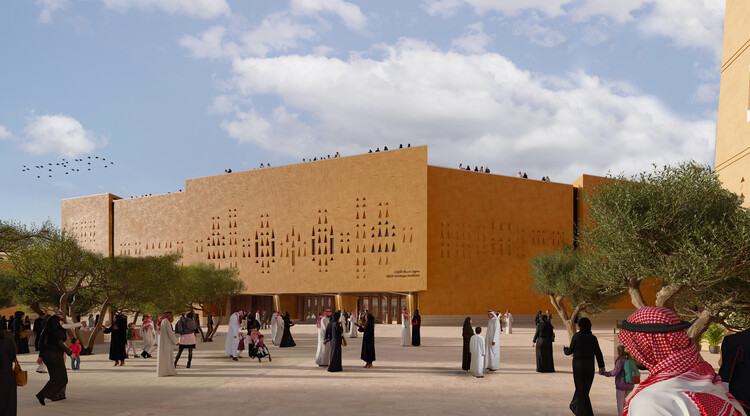
Designed by Zaha Hadid Architects, construction works for the Asaan Museum have recently begun. Located in the historic At-Turaif district of Diriyah, Saudi Arabia, the Asaan Museum aims to be a new cultural institution designed to preserve and celebrate the nation's heritage. Deriving its name from the Arabic word meaning "inheritance passed down through generations," Asaan underscores its role in connecting past and present. Situated within a site renowned for its mud-brick architecture and centuries-old urban fabric, the museum draws inspiration from traditional Najdi building techniques. Planned to be constructed using locally sourced clay mud-bricks, Asaan Museum will mark Zaha Hadid Architects' first project to employ adobe construction.
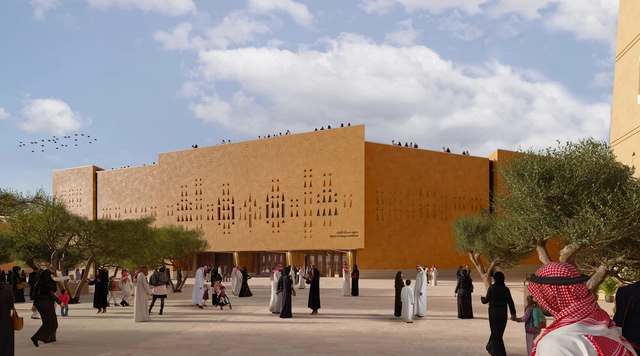
Zaha Hadid Architects Breaks Ground on Asaan Museum in Diriyah, Saudi Arabia - Image 1 of 4Zaha Hadid Architects Breaks Ground on Asaan Museum in Diriyah, Saudi Arabia - Image 2 of 4Zaha Hadid Architects Breaks Ground on Asaan Museum in Diriyah, Saudi Arabia - Image 3 of 4Zaha Hadid Architects Breaks Ground on Asaan Museum in Diriyah, Saudi Arabia - Image 4 of 4Zaha Hadid Architects Breaks Ground on Asaan Museum in Diriyah, Saudi Arabia - More Images+ 1

Artist Studios and Creative Workspaces: 8 Latin American Projects that Blend Work, Living, and Exhibition Spaces

Subscriber Access | 

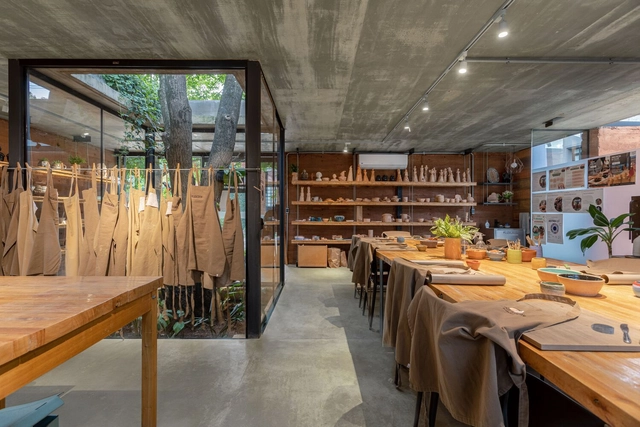
In recent years, working from home has become increasingly common, creating a need for domestic spaces that accommodate both professional and personal life. This is especially true for artists, where the integration of living and working spaces is essential. Often, these spaces must also serve as areas for exhibiting artistic production, such as paintings, sculptures, ceramics, and more.

This fusion of work and living environments has influenced architectural and interior design trends, prioritizing flexibility, multifunctionality, and aesthetics that foster both creativity and comfort. Open-plan layouts, modular furniture, and adaptable lighting solutions are now key elements in designs that support the seamless coexistence of work and personal life.

Artist Studios and Creative Workspaces: 8 Latin American Projects that Blend Work, Living, and Exhibition Spaces - Image 1 of 4Artist Studios and Creative Workspaces: 8 Latin American Projects that Blend Work, Living, and Exhibition Spaces - Image 2 of 4Artist Studios and Creative Workspaces: 8 Latin American Projects that Blend Work, Living, and Exhibition Spaces - Image 3 of 4Artist Studios and Creative Workspaces: 8 Latin American Projects that Blend Work, Living, and Exhibition Spaces - Image 4 of 4Artist Studios and Creative Workspaces: 8 Latin American Projects that Blend Work, Living, and Exhibition Spaces - More Images+ 22

Making the Case for Plastic-Free Architecture: Innovative Solutions for the Present (and Future)

Subscriber Access | 

As you read this, you may notice that you are surrounded by several items made of plastic. This omnipresence is no coincidence; the versatility of plastic has made it suitable for a variety of applications, and was described by its inventor—Leo Baekeland— as “the material of a thousand uses.” However, when it comes to environmental impact, the problem lies in its very qualities: it is so durable, adaptable, and easy to produce (430 million tons per year) that, according to UN data, the equivalent of 2,000 garbage trucks full of plastic are dumped into the oceans, rivers, and lakes every day.

In the built environment, plastic has been incorporated into various materials, products, and construction systems, contributing to an environmental crisis that seriously affects the well-being of millions of living beings. Faced with this problem, one possible direction is to shift away from utilizing it. The search for plastic-free alternatives is marking a path toward a future where architecture is progressively disassociating itself from these polluting materials, promoting sustainable solutions that reduce our dependence on it and contribute to preserving the environment.

Designing the Appearance of Rammed Earth Walls: The Interplay Between Natural Clay Colors and Pigmentation

Subscriber Access | 

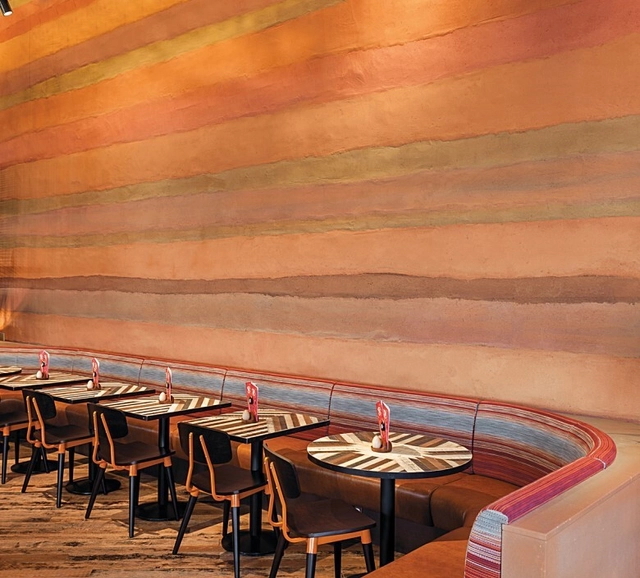
Rammed earth is one of the oldest methods of constructing walls and still holds great potential for modern earth construction. One aspect of this potential is the gift of its colors and layers, which become visible as the formworks are removed, revealing a layered character. As a process that involves the layer-by-layer compression of gravel, sand, silt, and clay, its resulting appearance is a horizontal stratification of earth tones, material content, and curing procedures. This colorful appearance of rammed earth walls can be controlled and explored through patterns, texture, pigmentation, and natural clay colors, offering an opportunity to push its boundaries within architecture.

Designing the Appearance of Rammed Earth Walls: The Interplay Between Natural Clay Colors and Pigmentation - Image 1 of 4Designing the Appearance of Rammed Earth Walls: The Interplay Between Natural Clay Colors and Pigmentation - Image 2 of 4Designing the Appearance of Rammed Earth Walls: The Interplay Between Natural Clay Colors and Pigmentation - Image 3 of 4Designing the Appearance of Rammed Earth Walls: The Interplay Between Natural Clay Colors and Pigmentation - Image 4 of 4Designing the Appearance of Rammed Earth Walls: The Interplay Between Natural Clay Colors and Pigmentation - More Images+ 7

Materials That Define the Contemporary Mexican Architectural Aesthetic

Subscriber Access | 

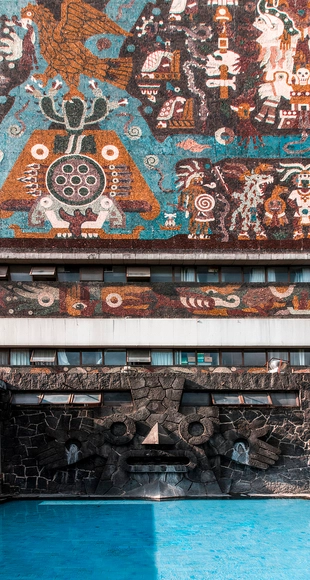
From the pre-Columbian period of the Americas –during which cultures such as the Olmec, Maya, Purepecha, and Mexica (Aztec) thrived– to the modern era where architecture has been influenced by social movements and even natural disasters, Mexican architecture showcases a valuable architectural expression, with its own unique voice and distinctive characteristics. Nobel Literature Laureate Octavio Paz argued that architecture is an incorruptible witness to history. Likewise, the materials used to shape it have acted as protagonists of that history, enduring in many cases over time and evolving thanks to the generations of architects who have contributed to it, from different perspectives.

To trace a timeline, it is possible to take as a starting point pre-Hispanic architecture, which exhibited a diversity of nuances due to Mexico's vast territorial extension. This allowed diverse cultures to find their niche and develop their characteristic architectural styles. Subsequently, the era of Spanish colonization, which itself drew influence from Islamic architecture, represented a noteworthy turning point in architectural development. This phase endured until the advent of Mexican Independence in the 19th century. In turn, this marked the initiation of social and cultural movements, both during and after the Mexican Revolution in the early 20th century.

Clay as a Sustainable Raw Material for High Quality and Durable Pavers

 | Sponsored Content

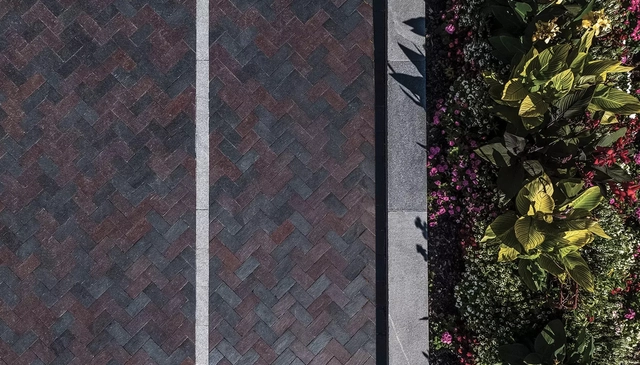
Composed of very fine mineral particles and formed through the weathering and erosion of rocks over long periods of time, clay has properties that make it useful for a wide range of applications. When wet, it becomes extremely malleable and plastic, and can be molded into different shapes. When dry, it is hard and rigid, and is widely used for construction and ceramics. Clay pavers are quite common for outdoor use due to their durability, resistance to weather and traffic, their natural hues and ease of installation.

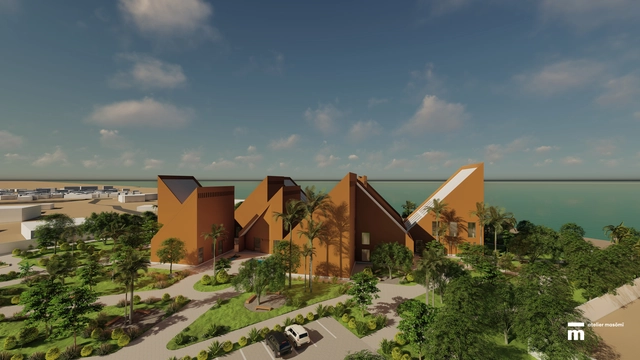
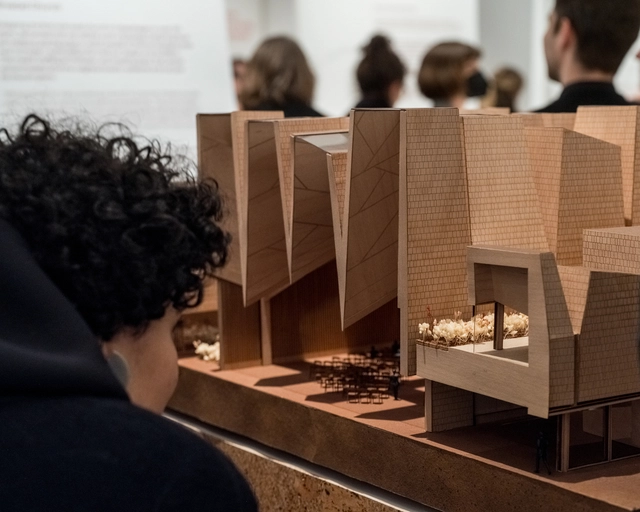
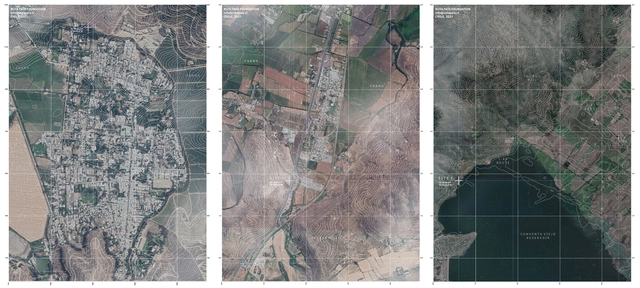
Atelier Masōmī Designs the Ellen Johnson Sirleaf Presidential Center for Women and Development in Liberia

Atelier Masōmī has just revealed its design for The Ellen Johnson Sirleaf Presidential Center for Women and Development (EJS Center). President Ellen Johnson Sirleaf chose an all-female team to work on the project with lead architect Mariam Issoufou Kamara of Atelier Masōmī, exhibition's architect Sumayya Vally of Counterspace, and the local architect Liberian architect Karen Richards Barnes. The EJS Center, located in Liberia’s capital Monrovia, will provide digital access to former President Ellen Johnson Sirleaf’s personal and professional archives.

Atelier Masōmī Designs the Ellen Johnson Sirleaf Presidential Center for Women and Development in Liberia - Image 1 of 4Atelier Masōmī Designs the Ellen Johnson Sirleaf Presidential Center for Women and Development in Liberia - Image 2 of 4Atelier Masōmī Designs the Ellen Johnson Sirleaf Presidential Center for Women and Development in Liberia - Image 3 of 4Atelier Masōmī Designs the Ellen Johnson Sirleaf Presidential Center for Women and Development in Liberia - Image 4 of 4Atelier Masōmī Designs the Ellen Johnson Sirleaf Presidential Center for Women and Development in Liberia - More Images

“Changing Our Footprint”: Henning Larsen Opens an Explorative Exhibition at Aedes Architecture Forum in Berlin

In an effort to address the architecture industry’s environmental impact, Henning Larsen is presenting the “Changing Our Footprint” exhibition at Aedes Architecture Forum in Berlin. The event features the small but scalable steps that the office is taking to move towards a more desirable future through the projects they are designing and the research they are conducting. The exhibition aims to be an engaging event, inviting visitors to participate in the dialogue, to think critically about the proposed solutions and initiatives, and to ask difficult questions in the search for better outcomes. The exhibition is open until March 22, 2023. Henning Larsen will also host a series of panel debates at the Aedes Architecture Forum from February 22 to March 14.
“Changing Our Footprint”: Henning Larsen Opens an Explorative Exhibition at Aedes Architecture Forum in Berlin - Image 1 of 4“Changing Our Footprint”: Henning Larsen Opens an Explorative Exhibition at Aedes Architecture Forum in Berlin - Image 2 of 4“Changing Our Footprint”: Henning Larsen Opens an Explorative Exhibition at Aedes Architecture Forum in Berlin - Image 3 of 4“Changing Our Footprint”: Henning Larsen Opens an Explorative Exhibition at Aedes Architecture Forum in Berlin - Image 4 of 4“Changing Our Footprint”: Henning Larsen Opens an Explorative Exhibition at Aedes Architecture Forum in Berlin - More Images+ 13

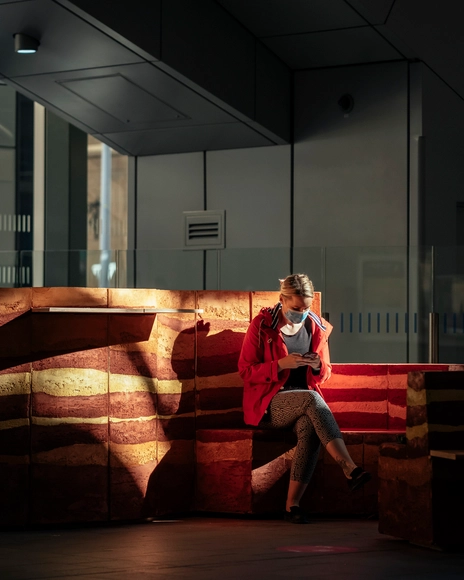
Local Collective Imagines Seating Made from Clay for London's Railway Station

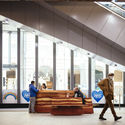
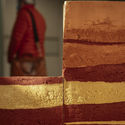
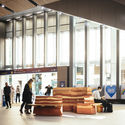
Local Collective has designed a seating made of clay for the London Festival of Architecture and Network Rail. Unveiled at London Bridge Station, the urban furniture is a result of a “competition organized by the LFA and Network Rail to create public installations that celebrate London’s shared spaces and connect people with playful encounters”.

Local Collective Imagines Seating Made from Clay for London's Railway Station - Image 1 of 4Local Collective Imagines Seating Made from Clay for London's Railway Station - Image 2 of 4Local Collective Imagines Seating Made from Clay for London's Railway Station - Image 3 of 4Local Collective Imagines Seating Made from Clay for London's Railway Station - Image 4 of 4Local Collective Imagines Seating Made from Clay for London's Railway Station - More Images+ 11

Recycling Tiles: 15 Examples of Repurposed Tiles in Walls, Facades, Flooring, and Furniture

Recycling Tiles: 15 Examples of Repurposed Tiles in Walls, Facades, Flooring, and Furniture - Image 10 of 4
Nave 8 B / Arturo Franco. Image © Carlos Fernández Piñar

Recycling Tiles: 15 Examples of Repurposed Tiles in Walls, Facades, Flooring, and Furniture - Image 1 of 4Recycling Tiles: 15 Examples of Repurposed Tiles in Walls, Facades, Flooring, and Furniture - Image 2 of 4Recycling Tiles: 15 Examples of Repurposed Tiles in Walls, Facades, Flooring, and Furniture - Image 3 of 4Recycling Tiles: 15 Examples of Repurposed Tiles in Walls, Facades, Flooring, and Furniture - Image 4 of 4Recycling Tiles: 15 Examples of Repurposed Tiles in Walls, Facades, Flooring, and Furniture - More Images+ 12

Whether you're looking for an upgrade or to replace broken pieces for floors or walls, tiles are always an effective and readily available option for any project that you have in mind. With their relatively low production cost, tiles are rarely reused or recycled and, if they are, it's usually for their original function.