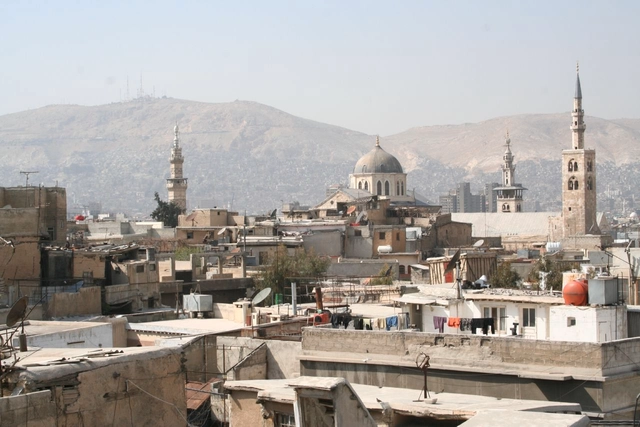
In the 20th century, urban planning went through some big changes, creating much of our current urban environment in a mold that is now widely seen as anti-human. Fortunately, in recent decades urban planning has changed again - partly revising and partly reverting the theories espoused by the 20th century. In this article, originally published on Autodesk’s Redshift publication as "What the Future of Cities Can Learn From Ancient Cities," James A Moore looks at why old models for creating cities have proved so timeless, and the role that they will play in creating 21st century cities.
As legend has it, upon leaving Carnegie Hall after a dissatisfying rehearsal, violinist Mischa Elman ran into two tourists looking for the hall’s entrance. They asked, “How do you get to Carnegie Hall?”
Without missing a beat, Elman said, “Practice.”
It’s an old and simple joke, but it points to an important reason why people are drawn to cities. Why do people move to Hollywood? They want to be in movies. Why do they move to Wall Street? They want to be in finance. In the best cases, cities enable citizens to pursue their aspirations.
























.jpg?1427129017 "Train Station. Image © SOM")