1. ArchDaily
  2. Burle Marx

Burle Marx: The Latest Architecture and News

Turning Water into Land: Major Landfill Projects Around the World

Subscriber Access | 

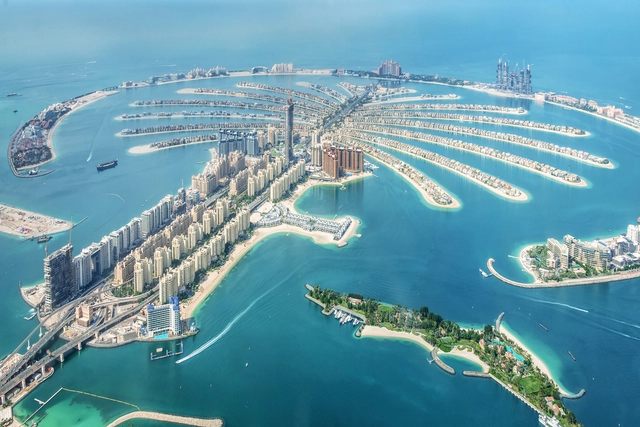
The idea of transforming water into land has captivated humanity for centuries. The Netherlands, for example, is a pioneering nation in this field, where approximately 20% of the territory has been reclaimed from the sea or lakes using dikes to control water flow and dry the surfaces. As technology has advanced, this practice has become more widespread. Today, China leads the way, joined by urban centers in the global south, such as cities in West Africa, East Asia, and the Middle East.

These megalomaniacal land reclamations are primarily undertaken in areas with extensive coastlines but insufficient landmass to meet their needs. In this regard, the newly reclaimed areas serve many purposes, ranging from the development of luxury residential complexes to an entertainment archipelago featuring hotels, restaurants, theaters, and shops.
Turning Water into Land: Major Landfill Projects Around the World - Image 1 of 4Turning Water into Land: Major Landfill Projects Around the World - Image 2 of 4Turning Water into Land: Major Landfill Projects Around the World - Image 3 of 4Turning Water into Land: Major Landfill Projects Around the World - Image 4 of 4Turning Water into Land: Major Landfill Projects Around the World - More Images+ 6

Lessons from Roberto Burle Marx: Designing Resilient and Evolving Urban Landscapes

Roberto Burle Marx is often celebrated as a pioneering figure in landscape architecture, particularly for his innovative approach to integrating nature within urban environments. His work, characterized by a deep respect for native flora and a commitment to ecological balance, offers valuable lessons for contemporary landscape architects. At a time when climate change and biodiversity loss are pressing global concerns, revisiting Burle Marx's principles provides insight into creating urban spaces that are not only functional and aesthetically pleasing but also resilient and sustainable.

From the 1930s to the 1990s, Burle Marx's work anticipated many of today's concerns about sustainability and urban well-being. Long before terms like "sustainable design" or "green infrastructure" became commonplace, Burle Marx was already advocating for the use of native plants, recognizing their role in creating self-sustaining ecosystems that required minimal intervention. His projects often transformed neglected urban areas into vibrant, ecologically balanced spaces that not only improved the environment but also enhanced the quality of life for city dwellers.

Lessons from Roberto Burle Marx: Designing Resilient and Evolving Urban Landscapes - Image 26 of 4Lessons from Roberto Burle Marx: Designing Resilient and Evolving Urban Landscapes - Image 1 of 4Lessons from Roberto Burle Marx: Designing Resilient and Evolving Urban Landscapes - Image 3 of 4Lessons from Roberto Burle Marx: Designing Resilient and Evolving Urban Landscapes - Image 7 of 4Lessons from Roberto Burle Marx: Designing Resilient and Evolving Urban Landscapes - More Images+ 23

12 Burle Marx Projects Seen from Space

Subscriber Access | 

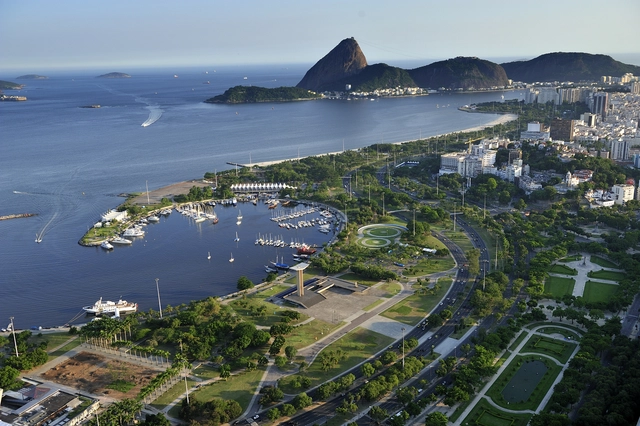
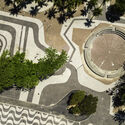
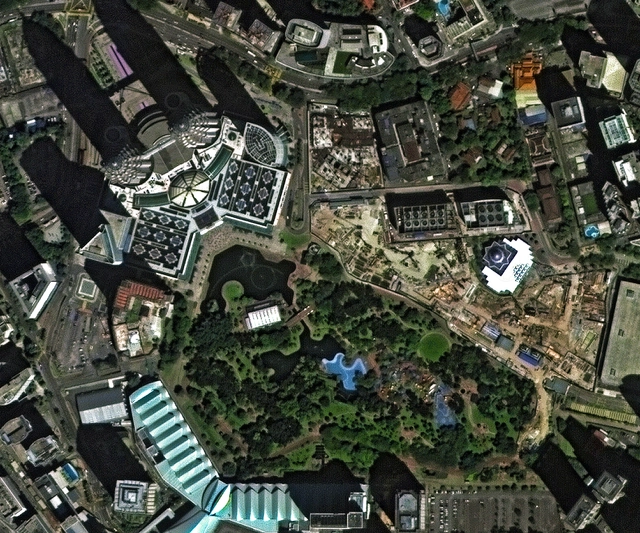
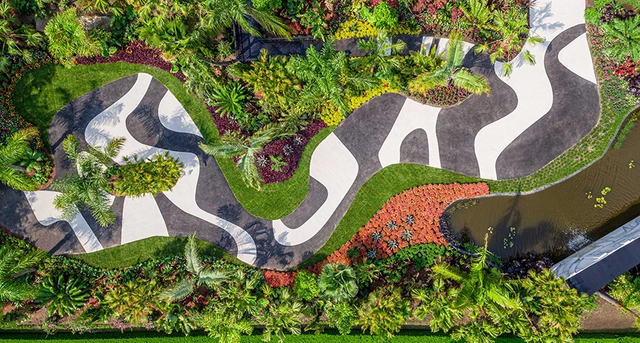
Architects often enjoy viewing projects through floor plans, and some landscape architecture works are so large that they’re hard to appreciate without this view fully. Seeing them from above lets you understand their full essence and admire the entire design. We’ve selected a series of aerial photographs of Roberto Burle Marx’s works, provided by the Spanish company Deimos Imaging, offering a rare perspective you may not have seen before.

The History of the Copacabana Sidewalk: From Its Origin in Portugal to Burle Marx's Intervention

Subscriber Access | 

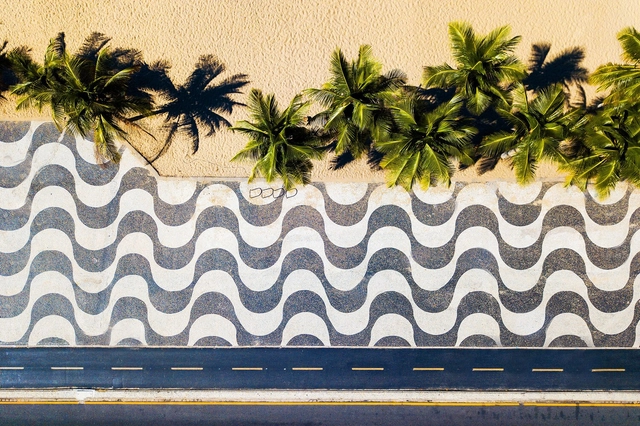
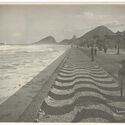
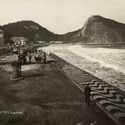
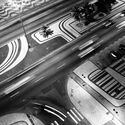
The Copacabana calçada (Copacabana sidewalk) is one of the greatest symbols in the stunning landscape of Rio de Janeiro. What not everyone knows is that its history (and design) precedes the intervention of Roberto Burle Marx in the 1970s. The origin of the design, as well as its stones, is Portuguese.

The History of the Copacabana Sidewalk: From Its Origin in Portugal to Burle Marx's Intervention - Image 1 of 4The History of the Copacabana Sidewalk: From Its Origin in Portugal to Burle Marx's Intervention - Image 2 of 4The History of the Copacabana Sidewalk: From Its Origin in Portugal to Burle Marx's Intervention - Image 3 of 4The History of the Copacabana Sidewalk: From Its Origin in Portugal to Burle Marx's Intervention - Image 4 of 4The History of the Copacabana Sidewalk: From Its Origin in Portugal to Burle Marx's Intervention - More Images+ 1

Oscar Niemeyer's Itamaraty Palace Captured by Paul Clemence

To honor the work of one of the greatest modernists of the 20th century, Oscar Niemeyer, American-Brazilian photo artist Paul Clemence has released images of the architect’s iconic Itamaraty Palace. Housing Brazil’s Ministry of Foreign Affairs Headquarters, the structure is also known as the Palace of the Arches.

Oscar Niemeyer's Itamaraty Palace Captured by Paul Clemence  - Image 1 of 4Oscar Niemeyer's Itamaraty Palace Captured by Paul Clemence  - Image 2 of 4Oscar Niemeyer's Itamaraty Palace Captured by Paul Clemence  - Image 3 of 4Oscar Niemeyer's Itamaraty Palace Captured by Paul Clemence  - Image 4 of 4Oscar Niemeyer's Itamaraty Palace Captured by Paul Clemence  - More Images+ 21

The New York Botanical Garden Opens Expansive Show on Roberto Burle Marx

This article was originally published on Metropolismag.com.

Roberto Burle Marx's Legacy Reveals The Role of Landscape Architects

Subscriber Access | 

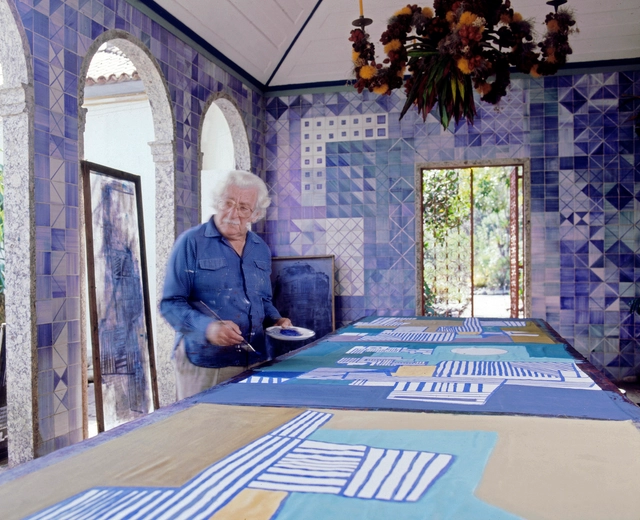
There wasn’t much in the way of art that Roberto Burle Marx couldn’t do. He was a painter, print-maker, sculptor, stage designer, jeweler, musician, tapestry-maker and one of the leading landscape architects in the 20th century. Marx’s passion for art, in all forms, strengthened his ability to design landscapes.