1. ArchDaily
  2. Brazilian modern architecture

Brazilian modern architecture: The Latest Architecture and News

Eduardo Longo’s Futuristic Spherical House in São Paulo to Open for ABERTO5 Exhibition

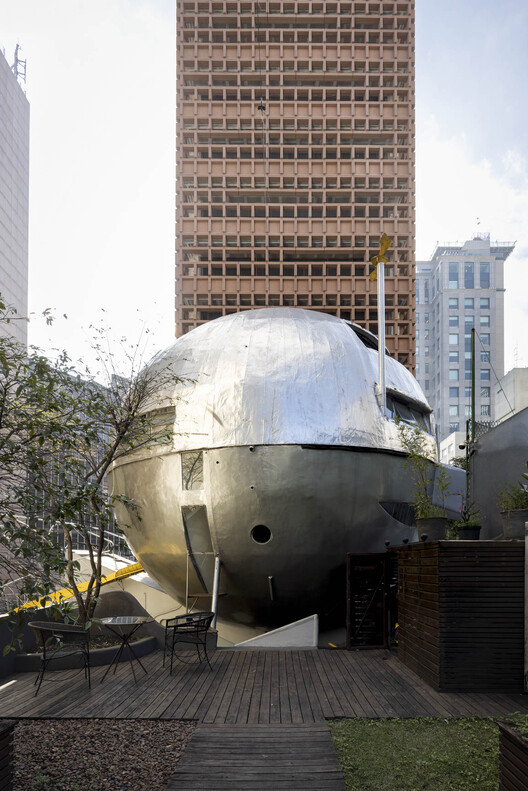
From 7 March to 31 May 2026, Brazilian architect Eduardo Longo's Casa Bola will open to the public for the first time. The futuristic ball-shaped house in São Paulo will host one of the two parts of the ABERTO5 exhibition, alongside a project on Faria Lima, a major avenue at the heart of the city featuring landmarks by architects such as Ruy Ohtake and Isay Weinfeld. Founded in 2022, ABERTO is an exhibition platform that promotes the encounter of architecture, art, and design in Brazil and internationally. After its first international exhibition at Maison La Roche in Paris, ABERTO returns to São Paulo for its fifth edition, presenting over 60 art and design pieces by 50 Brazilian and international artists. According to architect and curator Fernando Serapião, Casa Bola represents one of the most radical works of Brazilian architecture, challenging conventional domestic space and reflecting Eduardo Longo's experimental vision for housing.

Eduardo Longo’s Futuristic Spherical House in São Paulo to Open for ABERTO5 Exhibition - Image 1 of 4Eduardo Longo’s Futuristic Spherical House in São Paulo to Open for ABERTO5 Exhibition - Image 2 of 4Eduardo Longo’s Futuristic Spherical House in São Paulo to Open for ABERTO5 Exhibition - Image 3 of 4Eduardo Longo’s Futuristic Spherical House in São Paulo to Open for ABERTO5 Exhibition - Image 4 of 4Eduardo Longo’s Futuristic Spherical House in São Paulo to Open for ABERTO5 Exhibition - More Images+ 5

Nine Stunning Renovated Apartments in Oscar Niemeyer-Designed Buildings

Subscriber Access | 

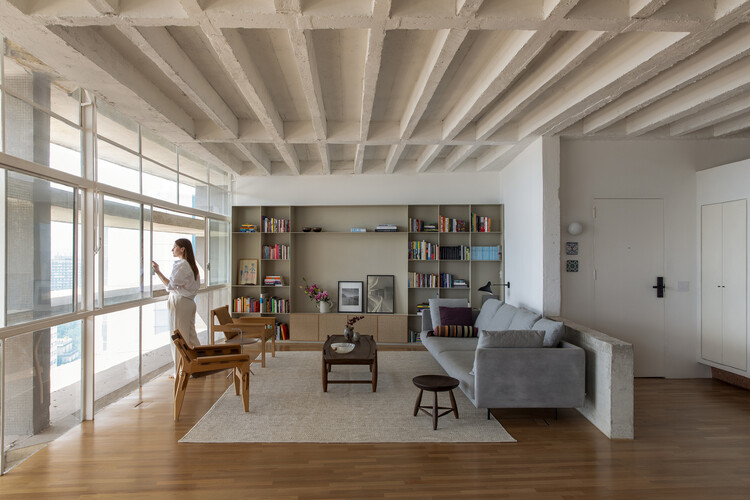
Living in residences designed by renowned modern architects is a dream sought after by many. Projects that have become iconic are major attractions for new residents who value both the authorial signature and history of the building, as well as the innovative architectural solutions that have contributed to the prominence of such projects. 

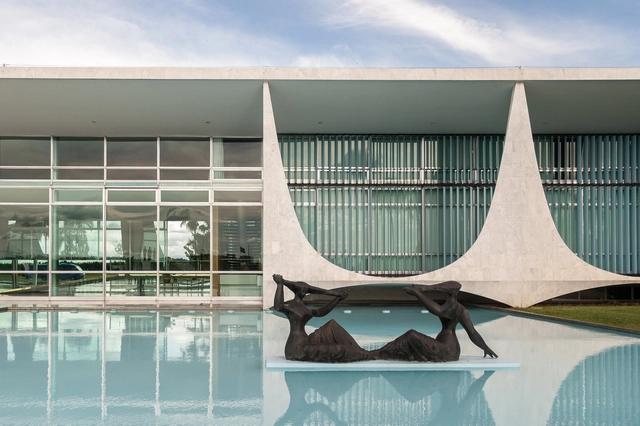
As for the work of Oscar Niemeyer, fluidity and flexibility may best express his plans and typologies. These features provide great potential for the architects working on renovations within these buildings. São Paulo’s Copan Building is a prime example: its 1160 units, spread over six blocks, vary from 25m² studio apartments to larger units of over 150m². Niemeyer’s extensive portfolio includes other residential landmarks in São Paulo — like the Montreal, California, and Eiffel buildings — plus others in Belo Horizonte and Brasília, even reaching as far as Berlin with the Interbau Apartment House.

Nine Stunning Renovated Apartments in Oscar Niemeyer-Designed Buildings - Image 1 of 4Nine Stunning Renovated Apartments in Oscar Niemeyer-Designed Buildings - Image 2 of 4Nine Stunning Renovated Apartments in Oscar Niemeyer-Designed Buildings - Image 3 of 4Nine Stunning Renovated Apartments in Oscar Niemeyer-Designed Buildings - Image 4 of 4Nine Stunning Renovated Apartments in Oscar Niemeyer-Designed Buildings - More Images+ 5

Inside the Construction of Niemeyer’s Cristo Rei Cathedral in Belo Horizonte, Seen Through Paul Clemence’s Lens

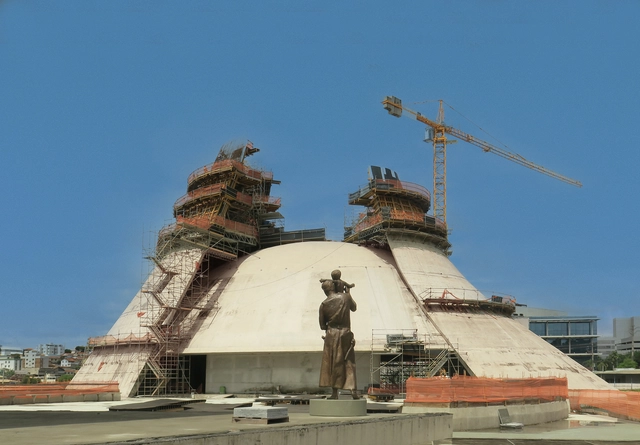
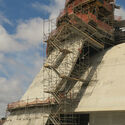
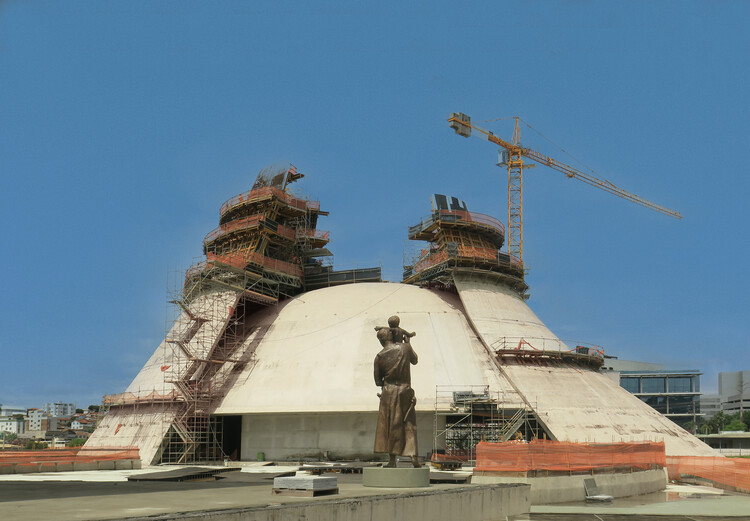
The Cristo Rei Cathedral is Oscar Niemeyer's design for the cathedral of Belo Horizonte, the capital of the state of Minas Gerais in southeastern Brazil. Conceived between 2005 and 2006, it is one of the late architect's final projects in the country. The design features a domed structure approximately 60 meters in diameter, suspended by two towering elements rising 100 meters high. Niemeyer referred to the project as a "square," consisting of a cathedral with a capacity for 3,000 people and an external altar designed to accommodate up to 20,000 worshippers for mass and public events. Construction began in 2013 and is still ongoing. Earlier this year, photographer Paul Clemence visited the site, documenting the building process and capturing the emergence of Niemeyer's signature curves.
Inside the Construction of Niemeyer’s Cristo Rei Cathedral in Belo Horizonte, Seen Through Paul Clemence’s Lens - Image 1 of 4Inside the Construction of Niemeyer’s Cristo Rei Cathedral in Belo Horizonte, Seen Through Paul Clemence’s Lens - Image 2 of 4Inside the Construction of Niemeyer’s Cristo Rei Cathedral in Belo Horizonte, Seen Through Paul Clemence’s Lens - Image 3 of 4Inside the Construction of Niemeyer’s Cristo Rei Cathedral in Belo Horizonte, Seen Through Paul Clemence’s Lens - Image 4 of 4Inside the Construction of Niemeyer’s Cristo Rei Cathedral in Belo Horizonte, Seen Through Paul Clemence’s Lens - More Images+ 23

Le Corbusier and Brazilian Modernism: ABERTO4 Exhibition Opens at Maison La Roche in Paris

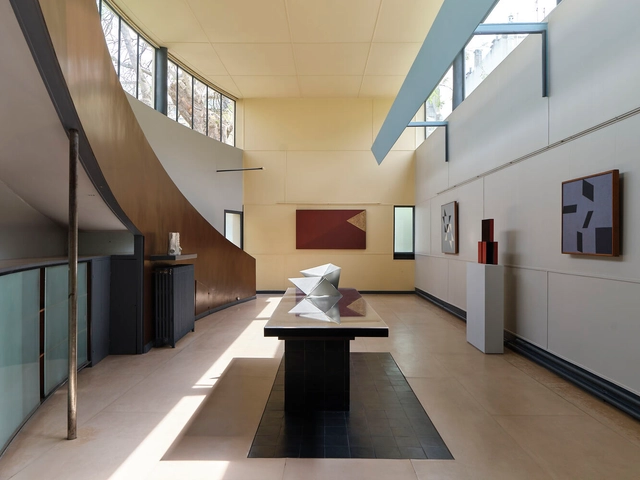
Founded in 2022 by art advisor Filipe Assis, ABERTO is an exhibition platform celebrating the convergence of art, design, and architecture in Brazil and beyond. Staging exhibitions in private and public modernist spaces, its past editions have highlighted the global connections forged by Brazilians from the 20th century onwards. Following three exhibitions in São Paulo, "ABERTO 4 – Brazil After Le Corbusier" marks its first international edition, taking place at Le Corbusier's Maison La Roche in Paris, from 14 May to 8 June 2025. The exhibition presents around 35 design and art pieces by Brazilian artists, spotlighting Le Corbusier's seminal connection to Brazilian modernist architecture and exploring his influence on contemporary Brazilian creatives. Previous editions of ABERTO have featured over 100 artists from Brazil and abroad in houses designed by Oscar Niemeyer (2022), Vilanova Artigas (2023), and Ruy Ohtake and Chu Ming Silveira (2024).

Le Corbusier and Brazilian Modernism: ABERTO4 Exhibition Opens at Maison La Roche in Paris - Image 1 of 4Le Corbusier and Brazilian Modernism: ABERTO4 Exhibition Opens at Maison La Roche in Paris - Image 2 of 4Le Corbusier and Brazilian Modernism: ABERTO4 Exhibition Opens at Maison La Roche in Paris - Image 3 of 4Le Corbusier and Brazilian Modernism: ABERTO4 Exhibition Opens at Maison La Roche in Paris - Image 4 of 4Le Corbusier and Brazilian Modernism: ABERTO4 Exhibition Opens at Maison La Roche in Paris - More Images+ 44

A Lighthouse in Rio de Janeiro's Landscape: the Niterói Contemporary Art Museum by Oscar Niemeyer

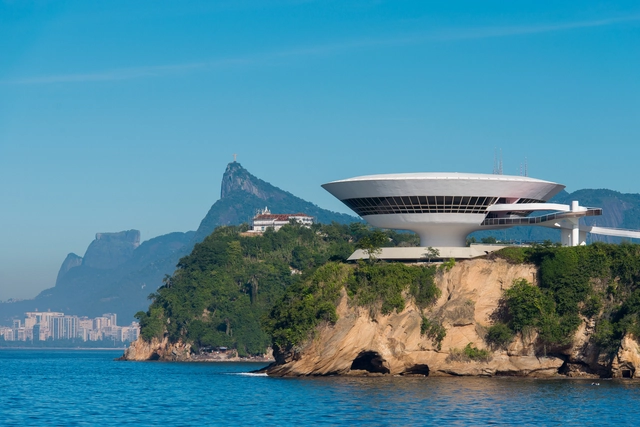
Located on the top of the Boa Viagem viewpoint in the city of Niterói, the Niterói Contemporary Art Museum - MAC was designed by architect Oscar Niemeyer. Inaugurated in 1996, it is a modern architectural masterpiece dedicated to housing a collection of Brazilian contemporary art from the 1960s to the 1990s. Rising above the cliff like a lighthouse, it appears to float in the air, resting on a water basin. Facing Rio de Janeiro’s Guanabara Bay in Brazil, its circular lines and revolutionary double-curved form stand out on the horizon, offering an open plaza of 2,500 square meters alongside a reflective pool that gives the structure a remarkable sense of lightness.

A Lighthouse in Rio de Janeiro's Landscape: the Niterói Contemporary Art Museum by Oscar Niemeyer - Image 1 of 4A Lighthouse in Rio de Janeiro's Landscape: the Niterói Contemporary Art Museum by Oscar Niemeyer - Image 2 of 4A Lighthouse in Rio de Janeiro's Landscape: the Niterói Contemporary Art Museum by Oscar Niemeyer - Image 3 of 4A Lighthouse in Rio de Janeiro's Landscape: the Niterói Contemporary Art Museum by Oscar Niemeyer - Image 4 of 4A Lighthouse in Rio de Janeiro's Landscape: the Niterói Contemporary Art Museum by Oscar Niemeyer - More Images+ 33

Why Do Modernist Principles Still Underpin Design Education in Brazil? Five Professors Share Their Perspectives

The complex relationship between architectural education and modernist principles in Brazil raises important questions about contemporary architectural practice. To explore this topic, we invited five professors from different Brazilian universities to share their perspectives: Eduardo Lopes (Universidade do Vale do Itajaí), Eduardo Westphal (Universidade Federal de Santa Catarina), Fábio Mosaner (Universidade Federal de Pernambuco), Marta Bogéa (Faculdade de Arquitetura e Urbanismo da Universidade de São Paulo), and Rodrigo Bastos (Universidade Federal de Santa Catarina). Their insights highlight modernism's lasting influence on architectural education while raising key questions for the current architectural debate.

Why Do Modernist Principles Still Underpin Design Education in Brazil? Five Professors Share Their Perspectives - Image 1 of 4Why Do Modernist Principles Still Underpin Design Education in Brazil? Five Professors Share Their Perspectives - Image 2 of 4Why Do Modernist Principles Still Underpin Design Education in Brazil? Five Professors Share Their Perspectives - Image 3 of 4Why Do Modernist Principles Still Underpin Design Education in Brazil? Five Professors Share Their Perspectives - Image 4 of 4Why Do Modernist Principles Still Underpin Design Education in Brazil? Five Professors Share Their Perspectives - More Images+ 5

Architecture and Coloniality: Brazilian Modernism in Critical Perspective

Brazilian modern architecture is often celebrated as a landmark of innovation and national identity, projecting the country onto the international stage with iconic works and a distinctive aesthetic. However, recent research and publications have highlighted its deep entanglement with colonial narratives, both in its influences and its social impact. Although modernism emerged as an attempt to break away from European academic traditions, it remained dependent on foreign references and incorporated strategies of domination that echoed colonial logic.

Architecture and Coloniality: Brazilian Modernism in Critical Perspective  - Image 1 of 4Architecture and Coloniality: Brazilian Modernism in Critical Perspective  - Image 2 of 4Architecture and Coloniality: Brazilian Modernism in Critical Perspective  - Image 3 of 4Architecture and Coloniality: Brazilian Modernism in Critical Perspective  - Image 4 of 4Architecture and Coloniality: Brazilian Modernism in Critical Perspective  - More Images+ 7

Promenade Architecturale: How the Modernist Concept Continues to Inspire Contemporary Architecture

Subscriber Access | 

In modernist architecture, promenade architecturale emerged as a key design strategy, embodying the principles of functionality, aesthetics, and integration with the urban context. Le Corbusier’s iconic projects, such as Villa La Roche (1925) and Villa Savoye (1929), exemplify this idea by guiding visitors through an ascending journey that culminates in the rooftop garden—a space where the building and nature seamlessly interact. A century later, this concept remains influential, continuing to shape contemporary designs that explore the relationship between movement and space in various architectural typologies, including houses, museums, libraries, and parks.

Promenade Architecturale: How the Modernist Concept Continues to Inspire Contemporary Architecture - Image 1 of 4Promenade Architecturale: How the Modernist Concept Continues to Inspire Contemporary Architecture - Image 2 of 4Promenade Architecturale: How the Modernist Concept Continues to Inspire Contemporary Architecture - Image 3 of 4Promenade Architecturale: How the Modernist Concept Continues to Inspire Contemporary Architecture - Image 4 of 4Promenade Architecturale: How the Modernist Concept Continues to Inspire Contemporary Architecture - More Images+ 14

Generations of Change: Women Who Redefined Landscape Architecture

Women have played a pivotal role in the evolution of landscape architecture, overcoming the constraints of a male-dominated profession to introduce groundbreaking ideas and fresh perspectives. From early pioneers to contemporary leaders, their work has reshaped how we interact with public and private spaces, intertwining aesthetics, functionality, and sustainability in innovative ways.

In the late 19th and early 20th centuries, female landscape architects carved out their place in the profession, emphasizing harmony between built structures and natural landscapes. Their projects showcased a deep commitment to community and ecological balance, setting the stage for an inclusive and thoughtful approach to design that continues to inspire the field today.

Generations of Change: Women Who Redefined Landscape Architecture - Image 1 of 4Generations of Change: Women Who Redefined Landscape Architecture - Image 2 of 4Generations of Change: Women Who Redefined Landscape Architecture - Image 3 of 4Generations of Change: Women Who Redefined Landscape Architecture - Image 4 of 4Generations of Change: Women Who Redefined Landscape Architecture - More Images+ 31

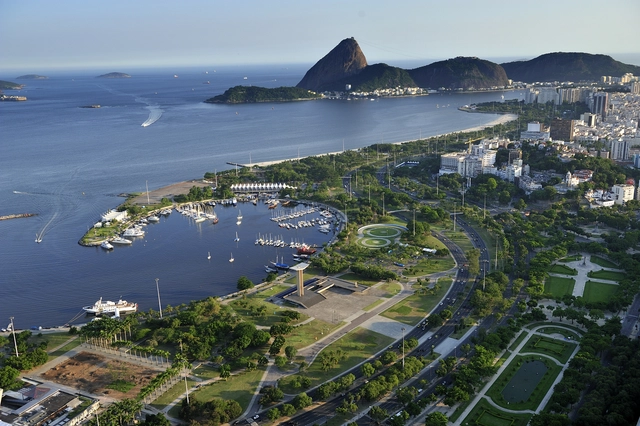
Lessons from Roberto Burle Marx: Designing Resilient and Evolving Urban Landscapes

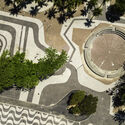
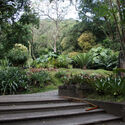
Roberto Burle Marx is often celebrated as a pioneering figure in landscape architecture, particularly for his innovative approach to integrating nature within urban environments. His work, characterized by a deep respect for native flora and a commitment to ecological balance, offers valuable lessons for contemporary landscape architects. At a time when climate change and biodiversity loss are pressing global concerns, revisiting Burle Marx's principles provides insight into creating urban spaces that are not only functional and aesthetically pleasing but also resilient and sustainable.

From the 1930s to the 1990s, Burle Marx's work anticipated many of today's concerns about sustainability and urban well-being. Long before terms like "sustainable design" or "green infrastructure" became commonplace, Burle Marx was already advocating for the use of native plants, recognizing their role in creating self-sustaining ecosystems that required minimal intervention. His projects often transformed neglected urban areas into vibrant, ecologically balanced spaces that not only improved the environment but also enhanced the quality of life for city dwellers.

Lessons from Roberto Burle Marx: Designing Resilient and Evolving Urban Landscapes - Image 26 of 4Lessons from Roberto Burle Marx: Designing Resilient and Evolving Urban Landscapes - Image 1 of 4Lessons from Roberto Burle Marx: Designing Resilient and Evolving Urban Landscapes - Image 3 of 4Lessons from Roberto Burle Marx: Designing Resilient and Evolving Urban Landscapes - Image 7 of 4Lessons from Roberto Burle Marx: Designing Resilient and Evolving Urban Landscapes - More Images+ 23

Retrofitting Brazilian Buildings: Sustainability and Innovation in Downtown São Paulo

Subscriber Access | 

The term "retrofit," unlike rehabilitation or restoration, has been adopted by the market to address technological upgrades in existing buildings. These projects focus on aligning constructions with local technical standards and adapting spaces to be more functional and sustainable, meeting current demands.

Retrofit has become a key practice in contemporary architecture, standing out for its ability to revitalize existing buildings without the need for demolition while offering significant economic and social benefits. This approach is gaining ground in the architectural field, driven by iconic projects and public and private initiatives.

Retrofitting Brazilian Buildings: Sustainability and Innovation in Downtown São Paulo - Image 1 of 4Retrofitting Brazilian Buildings: Sustainability and Innovation in Downtown São Paulo - Image 2 of 4Retrofitting Brazilian Buildings: Sustainability and Innovation in Downtown São Paulo - Image 3 of 4Retrofitting Brazilian Buildings: Sustainability and Innovation in Downtown São Paulo - Image 4 of 4Retrofitting Brazilian Buildings: Sustainability and Innovation in Downtown São Paulo - More Images+ 10

Architecture Classics: Crematorium at Vila Alpina / Ivone Macedo Arantes

Architecture Classics: Crematorium at Vila Alpina / Ivone Macedo Arantes - Religious BuildingsArchitecture Classics: Crematorium at Vila Alpina / Ivone Macedo Arantes - Religious BuildingsArchitecture Classics: Crematorium at Vila Alpina / Ivone Macedo Arantes - Religious BuildingsArchitecture Classics: Crematorium at Vila Alpina / Ivone Macedo Arantes - Religious BuildingsArchitecture Classics: Crematorium at Vila Alpina / Ivone Macedo Arantes - More Images+ 15

The Jayme Augusto Lopes Crematorium, popularly known as Crematorium of Vila Alpina, is located in Jardim Avelino, on the east side of the city of São Paulo. It was designed by architect Ivone Macedo Arantes - at the time an employee of the Cemetery Department of the City of São Paulo - and was inaugurated in 1974. It is considered to be the first crematorium in Brazil and Latin America and one of the largest in the world.

Iconic Columns in Modern Brazilian Architecture

Subscriber Access | 

Of Le Corbusier's five points of modern architecture (the ribbon window, free design of the façade and ground plan, a roof garden, and pilotis), pilotis are perhaps the most used element in Brazilian modern architecture.