1. ArchDaily
  2. Bird's Nest

Bird's Nest: The Latest Architecture and News

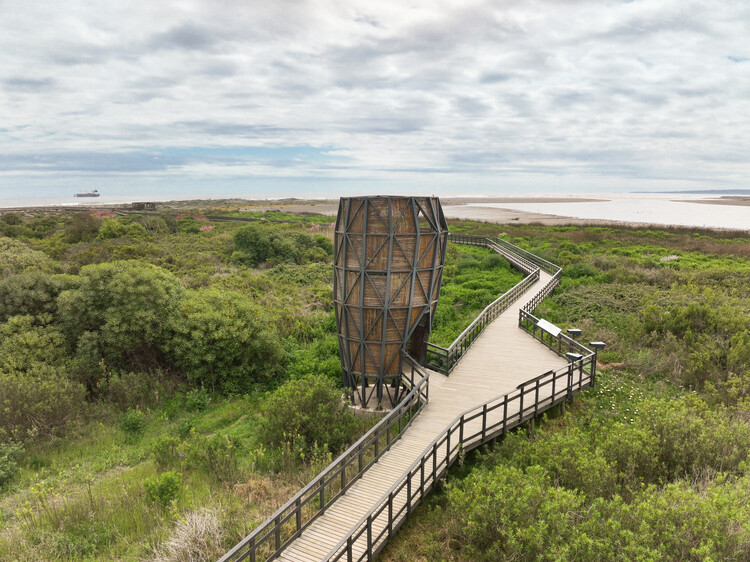
Architecture Inspired by Birds: Fundación Cosmos and the Wetland Parks of Chile

How can architectural design become an active tool for conservation? By considering nature as an inexhaustible source of inspiration, a harmonious connection with it frames the countless interrelationships that exist among humans, living organisms, and natural cycles. Designing with the landscape means learning to coexist with its temporal dynamics without controlling its processes. Traditions, ecology, and the past and present of a place all contribute to creating spaces that interpret their communities. Landscape architecture can draw inspiration from birds, plants, and other natural elements to shape the complex, dynamic network of ecosystems and human activities that make up the environment.

Architecture Inspired by Birds: Fundación Cosmos and the Wetland Parks of Chile - Image 1 of 4Architecture Inspired by Birds: Fundación Cosmos and the Wetland Parks of Chile - Image 2 of 4Architecture Inspired by Birds: Fundación Cosmos and the Wetland Parks of Chile - Image 3 of 4Architecture Inspired by Birds: Fundación Cosmos and the Wetland Parks of Chile - Image 4 of 4Architecture Inspired by Birds: Fundación Cosmos and the Wetland Parks of Chile - More Images+ 20

When Façades Become Habitats: Architecture Making Room for Other Species

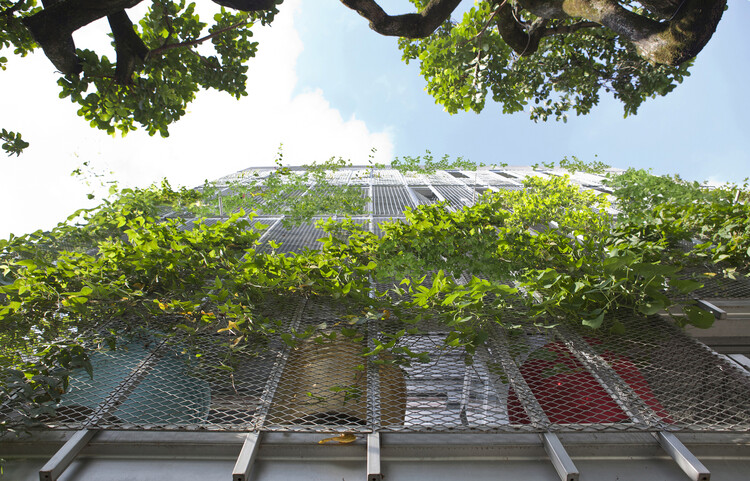
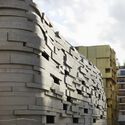
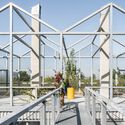
When we think of façades, we rarely think of them as habitats. We see them as the elements that separate interior from exterior, regulate temperature, reduce noise, and protect buildings from external conditions. They give architecture its visual language, but they are also expected to keep the outside world at a distance. In doing so, façades have often been understood as barriers: surfaces that define where human comfort begins and where the environment is meant to remain outside.

But the outside of a building is never empty. For centuries, architecture has unintentionally created opportunities for other forms of life. Birds nested beneath roof tiles, insects occupied cracks in masonry walls, and mosses or plants took root along ledges, gutters, and rough stone surfaces. These conditions were rarely designed with other species in mind, but they created small opportunities for life to inhabit them.
When Façades Become Habitats: Architecture Making Room for Other Species - Image 1 of 4When Façades Become Habitats: Architecture Making Room for Other Species - Image 2 of 4When Façades Become Habitats: Architecture Making Room for Other Species - Image 3 of 4When Façades Become Habitats: Architecture Making Room for Other Species - Image 4 of 4When Façades Become Habitats: Architecture Making Room for Other Species - More Images+ 21

10 Futuristic Homes Unveiled at the 2018 House Vision China Exhibition

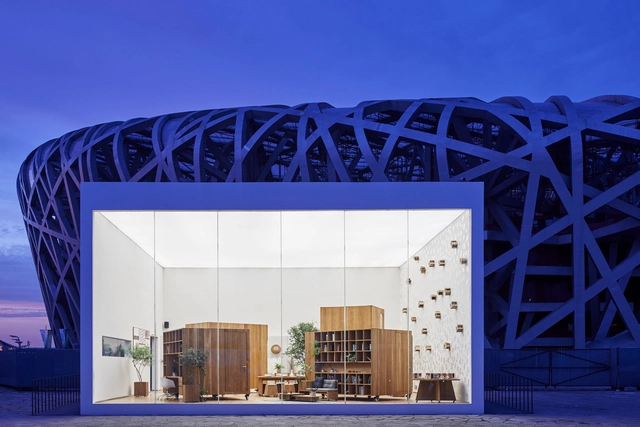
House Vision China 2018 has opened with 10 futuristic residential designs by architects like Penda, Open Architecture and MAD. Located outside the Bird's Nest stadium in Beijing's Olympic Park, House Vision is a cultural research project initiated with the concept of “new life in the future”. Together with architects and enterprises, the exhibition aims to build cultural research around the future home at a 1:1 ratio. House Vision features a range of home designs, from a shelter for life on Mars to a Living Garden.

10 Futuristic Homes Unveiled at the 2018 House Vision China Exhibition - Image 1 of 410 Futuristic Homes Unveiled at the 2018 House Vision China Exhibition - Image 2 of 410 Futuristic Homes Unveiled at the 2018 House Vision China Exhibition - Image 3 of 410 Futuristic Homes Unveiled at the 2018 House Vision China Exhibition - Image 4 of 410 Futuristic Homes Unveiled at the 2018 House Vision China Exhibition - More Images+ 28