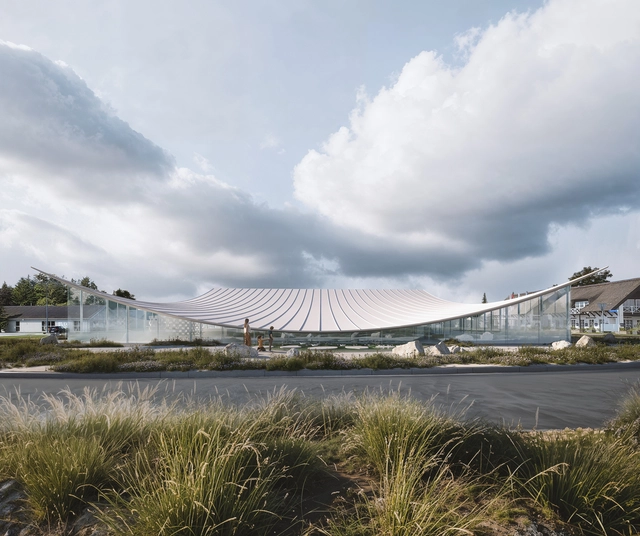
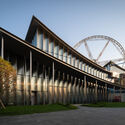
Sankt Lukas Hospice & Lukashuset. Image Courtesy of BIG
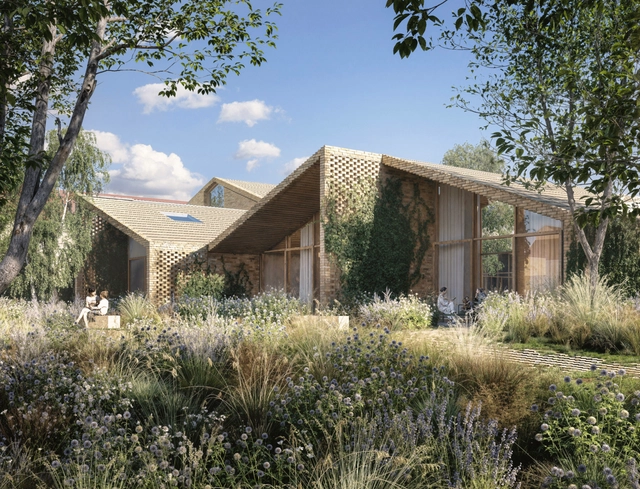
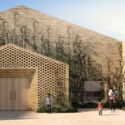
Bjarke Ingels Group has just won the competition to design the new Sankt Lukas Hospice and Lukashuset, an 8,500 m² palliative care center envisioned as a village surrounded by nature. Rooted in the history of the Sankt Lukas Foundation, which dates back to the 1930s, the project will expand Denmark's palliative care facilities, tripling current capacity to accommodate around 2,100 patients annually.
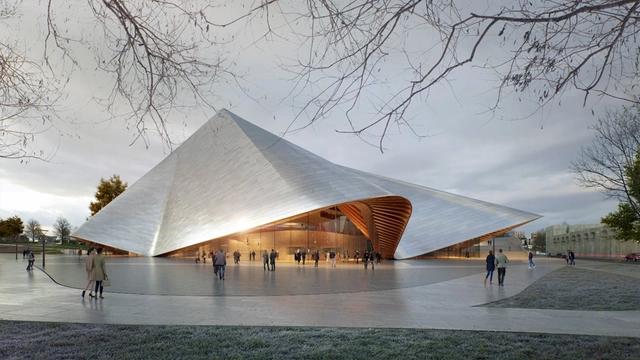
Bjarke Ingels Group (BIG), in collaboration with ALB-Architect, has unveiled the design for the Opera & Ballet Theatre of Kosovo, a new cultural venue set to reshape Prishtina's performing arts landscape. As the first operahouse in the Republic of Kosovo, the theatre will serve as a home for the country's Philharmonic, Ballet, and Opera, marking a significant step in the development of Kosovo's artistic institutions. The project includes multiple performance halls and a public plaza, reinforcing its role as a cultural hub within the capital.
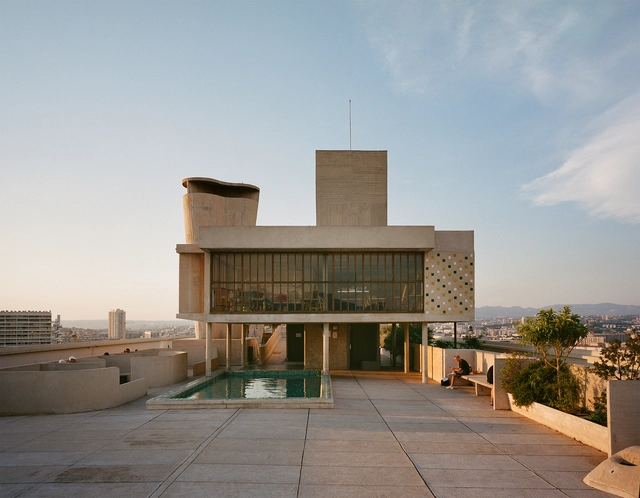
Modernism emerged in the early 20th century as a revolutionary movement that rejected historical styles, prioritizing functionality, innovation, and rationality. Grounded in the promise of industrial progress, architects like Walter Gropius, Le Corbusier, and Ludwig Mies van der Rohe championed using new materials and construction methods, striving for a universal architectural language. Their work introduced radical ideas: open floor plans, expansive glazing for natural light, and pilotis that elevated structures, symbolizing a new architectural era. However, alongside its groundbreaking ideas, modernism's relationship with sustainability has sparked ongoing debates.
While modernist architects sought to address social and economic challenges through affordable housing and efficient design, their reliance on energy-intensive materials like concrete and steel created unintended environmental consequences. The large-scale industrialization celebrated by modernists often disregarded local climates and ecological systems, leading to inefficiencies. Yet, the principles of functionality and adaptability embedded in modernist architecture laid the groundwork for what we now recognize as sustainable practices. From Le Corbusier's rooftop gardens to Frank Lloyd Wright's integration of nature, the seeds of environmentally conscious design were undeniably present, albeit limited in their execution.
Throughout the year, ArchDaily's team of curators works on expanding and populating our project library. Located all around the world, each curator carefully considers the best works emanating from their respective regions in an effort to have a diverse representation of the most inspiring and innovative built works. The team looks to new rising practices, new technologies, and the vernacular revival of traditional construction techniques. Seeking socially driven initiatives, as well as major works by renowned architects, the overall offers a holistic view of the built world today and is relayed through the yearly project review.
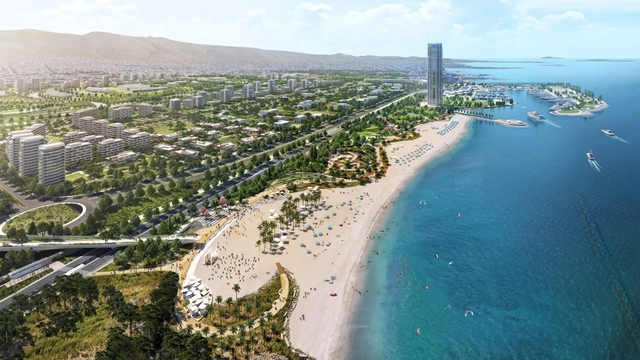
As Athens hosts The Architect Show (TAS) 2024, the event brings together global and local voices to highlight the latest innovations in architecture and design. Against this backdrop, the city's evolving urban narrative is exemplified by The Ellinikon, Europe's largest urban regeneration project. Encompassing 6.2 million square meters, this €8 billion development has already attracted globally renowned architects such as Bjarke Ingels Group (BIG), Kengo Kuma, Foster + Partners, and Aedas. Together, they are shaping the smart city that integrates sustainability, connectivity, and community-focused design into the heart of Athens.
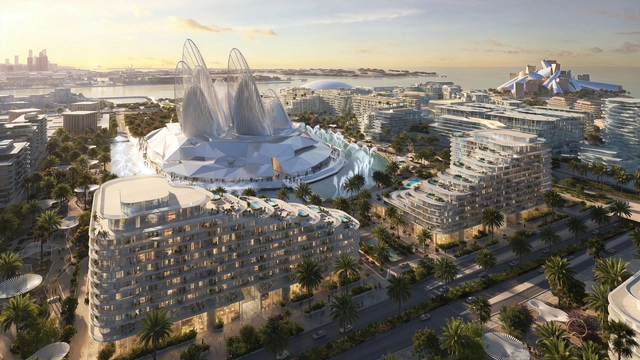
Mandarin Oriental Residences in Abu Dhabi's Saadiyat Cultural District / BIG. Image Courtesy of BIG
Recent architectural announcements showcase a global range of projects. This month, some of the most recognized architectural offices in the world have announced ambitious projects, some engaging with local communities, rediscovering and revitalizing existing structures, or contributing to complex architectural landscapes. Among them, BIG revealed their proposal for Saadiyat Island, a cultural district that gathers some of the world's most famous designers. Additionally, Populous revealed a new performance center, KCAP is developing a framework for an eco-industrial park, and Henley Halebrown is working to revitalize an overlooked structure in Belgium, reopening it to the local community. Read on to discover a collection of recent announcements from the architectural world, peeking into established architects' processes and recent announcements.
The world certainly looks different through the eyes of a young child; enormous, intriguing, and somewhat overwhelming, and it has long been believed that what we encounter as children shapes our perspective of the world. When asked about his childhood memories in Switzerland, Peter Zumthor shared that the memories of his youth contain the deepest architectural experience, which has become reservoirs of the architectural atmospheres and images that he explores in his work as an architect today.
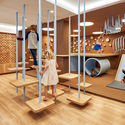
Having a complete understanding of how children change and grow physically and psychologically throughout their childhood requires an in-depth observation of different factors, such as their hereditary traits and genetics, the interactions they have with other children and adults, as well as the environment they are living, playing, and learning in. In celebration of World Children's Day on November 20th, we look at how architects and designers stimulated children's autonomy and promoted their mental and physical well-being through architecture and interior design. This initiative aligns with the theme of World Architecture Day 2024: "Mobilizing the Next Generation for Urban Transformation," emphasizing the crucial role that thoughtful design plays in shaping a sustainable and inclusive future for our cities and the communities within them.
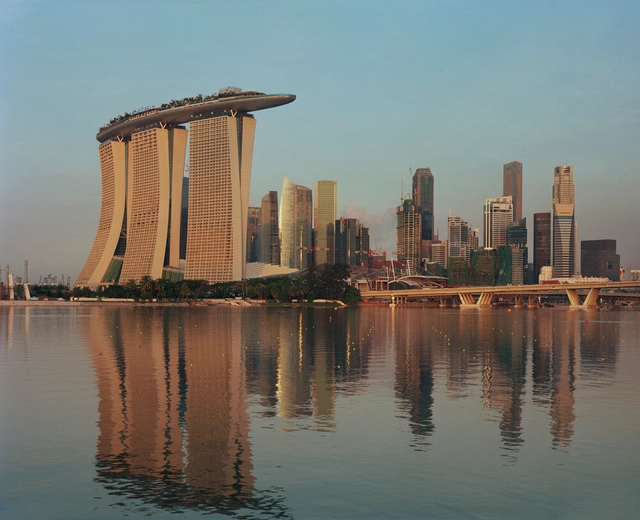
Courtesy of Safdie Architects | Marina Bay Islands
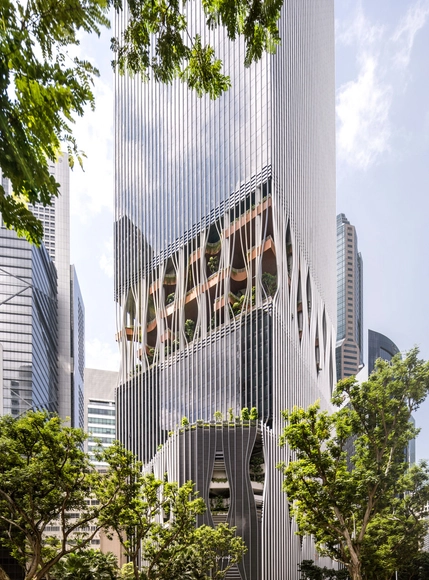
Nestled in the heart of Southeast Asia, Singapore stands as a beacon of sustainable urbanization. According to the 2016 Green City Index, the city-state of Singapore was the greenest city in Asia at one point. Renowned as the "City in a Garden," Singapore has intertwined lush greenery, verdant parks, and new environmental policies into its urban fabric/ After gaining independence in 1965, the city-state stands as a testament to how urban life can integrate with nature.
Architectural grafting, a concept recently popularized by Jeanne Gang inThe Art of Architectural Grafting, presents a transformative approach to urban regeneration and sustainability. Drawing inspiration from botanical and horticultural practices — where new growth is added to existing plants for enhanced resilience — this architectural method integrates new structures with existing ones, allowing them to coexist and adapt. Rather than pursuing demolition, grafting prioritizes adaptation, extending the life of buildings while safeguarding their cultural and historical significance.
While Studio Gang has played a pivotal role in advancing this method, architectural grafting embodies a broader principle that architects have long used to enhance sustainability, conserve resources, and honor heritage. Across scales — from individual buildings to urban landscapes —grafting reshapes the relationship between past and present, adapting existing structures for contemporary needs while addressing environmental demands. By reimagining historic buildings for modern use, this approach fosters a sustainable evolution of cityscapes.
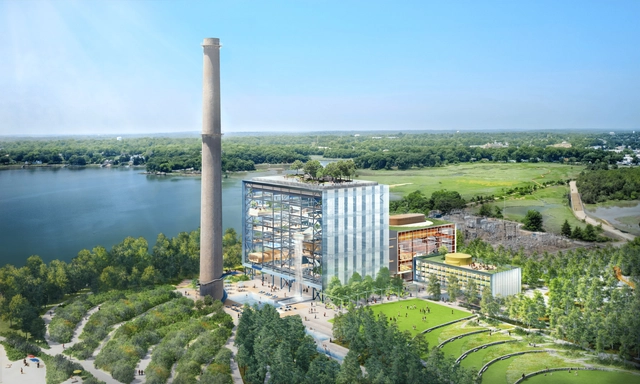
Landscape architecture firm SCAPE together with Bjarke Ingels Group have announced plans to transform Connecticut's ManresaIsland into a public-oriented development as a hub for learning, exploration, and community engagement. Originally slanted for private waterfront housing, the new scheme aims to open up the area as a public park with ample waterfront access, a project led by SCAPE. Additionally, the decommissioned coal-fired power plant is set to be converted by BIG into a community hub for multiple activities including swimming, small and large-scale events, research, and educational rooms. Supported by a private philanthropic investment from Austin McChord, the project is set to open in 2030 through a phased development.
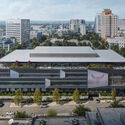
Bjarke Ingels Group (BIG) is leading the transformation of a former supermarket into the new Museum for Paper Art in Denmark's North Jutland region. With paper art deeply ingrained in Danish cultural heritage, symbolized by Le Klint's folded lampshades and H.C. Andersen's intricate paper cuttings, this renovation and expansion aim to elevate the museum's profile and double its visitor numbers. The design will celebrate paper as both an art form and a craft, extending the museum's role in promoting this unique heritage.
The relationship between architecture and naval design has been a fascinating interplay of form and function that has evolved significantly. Both disciplines have a shared history of innovation, aesthetics, and functionality that have informed and inspired each other. This "love affair" has seen architects drawing inspiration from boats, particularly in the modernist era when ships' streamlined, efficient designs influenced the aesthetic of buildings. Conversely, architectural principles have also been adapted to enhance the functionality and form of boats, demonstrating a reciprocal exchange that continues to shape both disciplines.
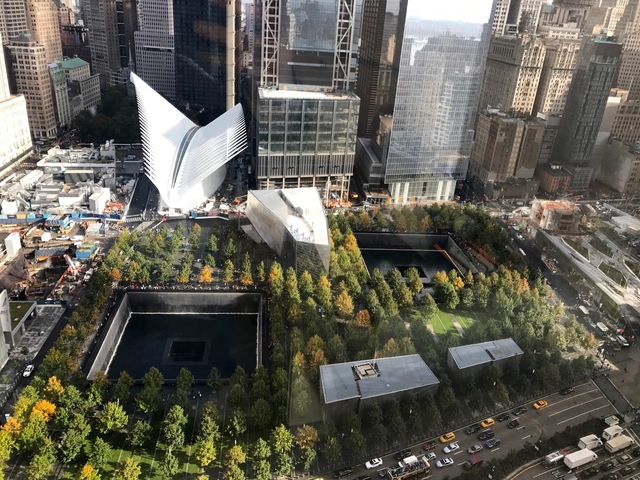
On the morning of September 11, 2001, two hijacked commercial jetliners struck the Twin Towers in Lower Manhattan, a third plane struck the Pentagon, and a fourth crashed in rural Pennsylvania. A total of 2.977 people were killed in the terrorist attacks. In the face of this unprecedented loss, the city of New York promised to rebuild Lower Manhattan as a lively neighborhood while honoring and maintaining the memory of this day. Thus began one of the largest reconstruction projects in New York City, a process that is still ongoing now, 23 years after the tragedy.
Space exploration isn’t merely a testament to human ambition or a quest for new territories and resources. Our ventures beyond Earth’s atmosphere are driven by a deeper purpose: to understand better our place in the cosmos and to pioneer innovations that can transform life on our home planet.
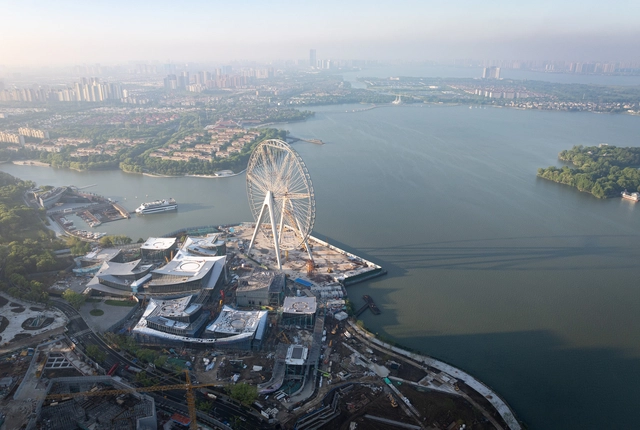
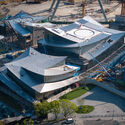
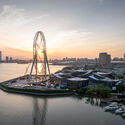
The Suzhou Museum of Contemporary Art, spanning 60,000 square meters, is envisioned as a village of 12 pavilions, presenting a contemporary take on the city's historic urbanism, architecture, and landscape. Designed by Bjarke Ingels Group - BIG, ARTS Group, and Front Inc., the project is part of Suzhou's development around Jinji Lake. It reimagines the classical garden 'lang,' or corridor, framing gardens with outdoor art installations. The pavilions' layout draws inspiration from Suzhou’s garden heritage, guiding visitors through an artistic, natural, and aquatic journey. The museum, which recently celebrated its topping out, is scheduled for completion in 2025.
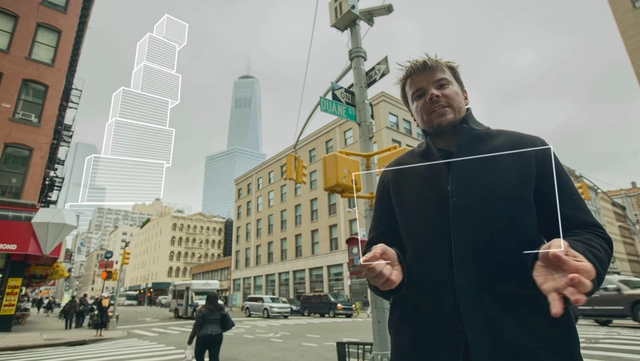
2 World Trade Center Video Clip / BIG, Squint/Opera. Image Courtesy of BIG
Architectural presentations to clients typically include renders, diagrams, and drawings. Interpreting these and envisioning the final product requires imagination and architectural insight to fill in the gaps and visualize a final product. BIG and Squint/Opera, a partnership between an architectural powerhouse and a creative digital studio, explore innovative methods to convey spatial and architectural design beyond traditional means. They reimagine architectural storytelling beyond static 2D visuals through cutting-edge video production and immersive technology, enabling clients and the general public to fully experience their futuristic visions of city planning and architectural design. Their notable collaborations include the video production for the Toyota Woven City Project and the creation of the VR collaborative design tool HyperForm.
In a conversation with ArchDaily, Daniel Sundlin, partner at BIG, and Matt Quinn, Commercial Director at Squint/Opera, discuss their insights on the future of architectural digital storytelling.
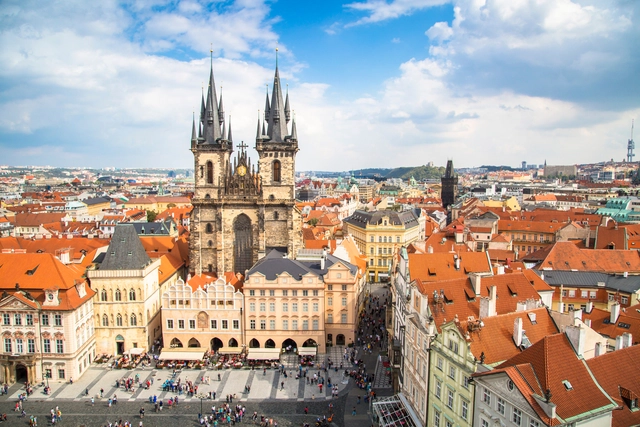
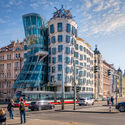
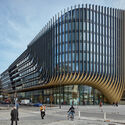
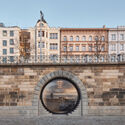
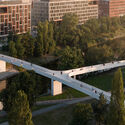
Prague, the capital of the Czech Republic, is one of Europe's best-preserved cities, having miraculously survived the widespread bombings of World War II. As the capital of the Czech Republic, Prague is home to over 1.3 million people and features an architectural heritage spanning centuries, covering a variety of architectural styles from Romanesque, Gothic, Renaissance, Baroque, and Rococo, to Modernist, Deconstructivism, and contemporary tendencies. The Old Town Square, where various architectural styles coexist, is a testament to this diversity. Known as the "Mother of all Cities," “the Golden City and “The City of a Hundred Spires,” Prague blends history and contemporary culture seamlessly. Its origins, steeped in legend, add to the city's charm.

















.jpg?1637144526&format=webp&width=640&height=580)


.jpg?1637144526)