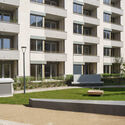

-
Architects: Modersohn & Freiesleben Architekten Parnerschaft
- Area: 20800 m²
- Year: 2020
-
Manufacturers: Feldhaus Klinker, Vibia, Bega, Casalgrande Padana, Alsecco, +5


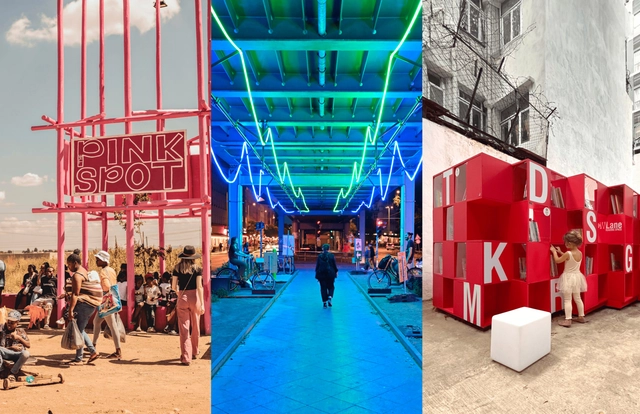
Contemporary cities and urban settlements manifest as intricate structures that demand deep reflection and a careful approach. The social models and spatial layouts within them are in constant evolution, transforming over time. In this context, a crucial question arises: What is the predominant model for cities today? Many contemporary cities result from a paradigm that reached its apogee in the 19th century, characterized by intensive densification and urbanization in response to needs that weren't always reflective of its inhabitants.
In some cases, due to the transformations experienced by large cities, certain urban sectors have fallen into disuse, becoming residual spaces or moving away from purposes oriented to community development. Recognizing that people are the driving force behind the dynamics of cities and human settlements, it is imperative to reclaim these spaces. To this end, theoretical approaches such as the one proposed by Henri Lefebvre's right to the city and the 15-minute city are presented as alternatives. In these cases, people regain the focus, becoming key elements in the design, and allowing for the re-establishment of a community-person-space bond.
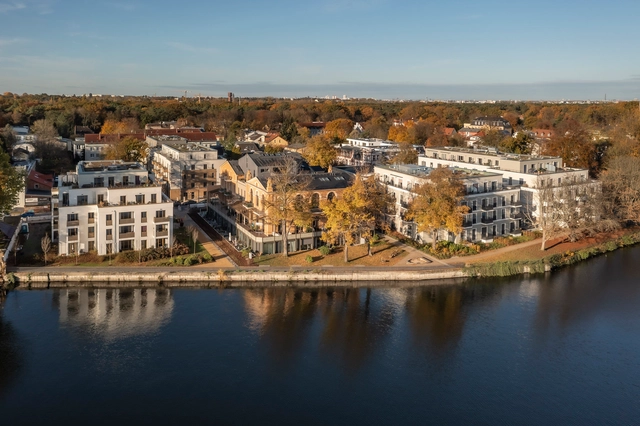
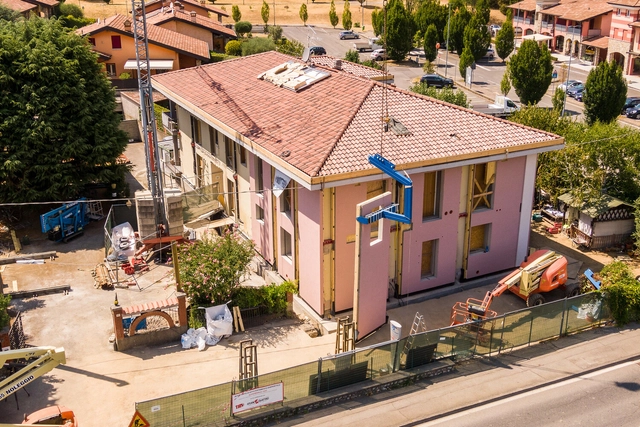
International non-profit organization World Habitat, in partnership with UN-Habitat, has announced the World Habitat Awards 2024. The prizes strive to highlight projects that demonstrate novel and transformative approaches to housing that incorporate principles of climate change adaptation and community-driven solutions. This year, 8 projects have been selected, out of which 2 projects were recognized with the Gold World Habitat Award.
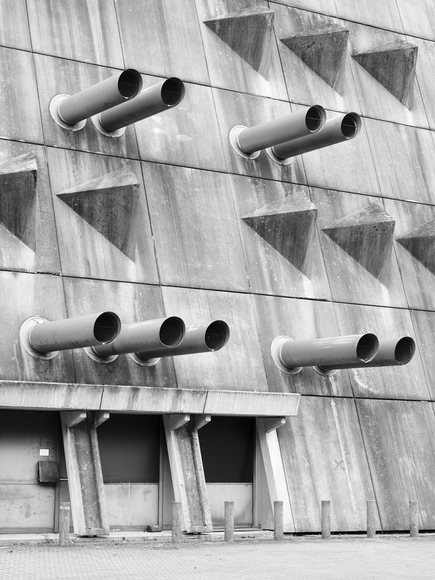
Regarding urban development, the choice between demolition and adaptive reuse holds far-reaching implications. From debates around the cultural and historical significance of structure to the environmental impact of the process of razing and rebuilding, compared to the cost of preserving and adapting, the matter of demolitions has ignited the architectural community to come together and ask for more responsible assessment strategies in hopes of rediscovering the value of existing structures. This article gathers some of the stories of buildings facing the threat of demolition and the processes that led to their rescue.
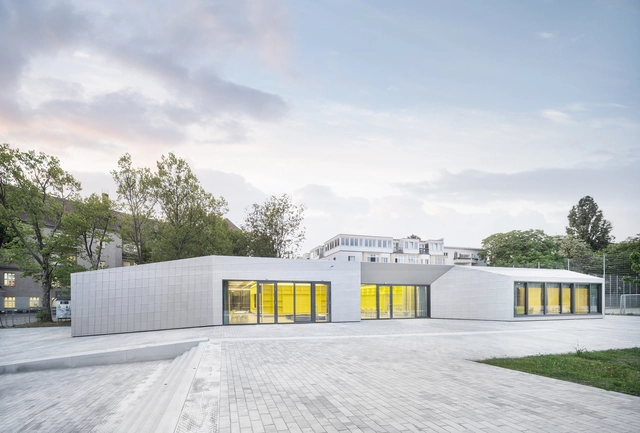

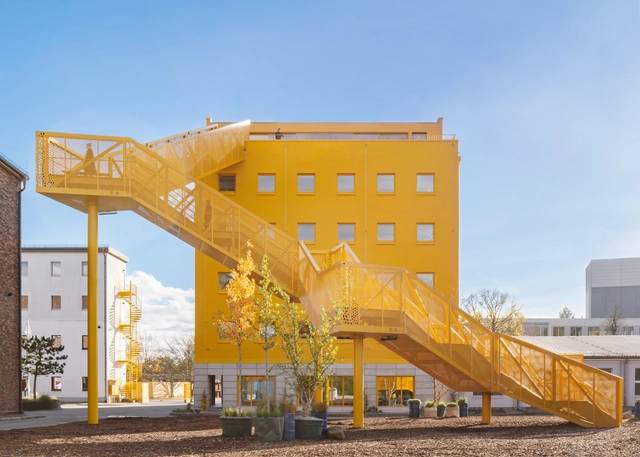

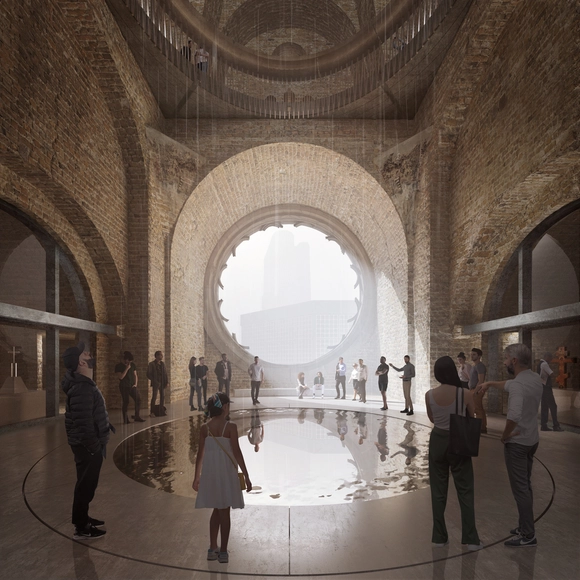
The design by heneghan peng architects, Dublin, with Ralph Appelbaum Associates, Berlin, was awarded 1st prize in the international competition for the replanning and expansion of the Old Tower of the Kaiser Wilhelm Memorial Church. The competition’s purpose was to redesign the original West Tower, which was partially destroyed during a bombing by the Allied Forces in 1943, and return it to the tourist circuit as a war memorial and exhibition space.


Oana Stănescu is a Romanian architect, designer, writer, and educator, based in New York and Berlin, with a diverse portfolio of interventions around the world. Selected as part of 2023 New Practices by ArchDaily, the young architect recognizes the value of architecture as a discipline, but nevertheless acknowledges that architecture cannot single-handedly resolve the complex challenges of our world. “Architecture is most powerful when recognized as part of a larger system, rather than being solely self-serving”, she adds in her conversation with ArchDaily’s Managing Editor, Christele Harrouk. In this way, Oana views architecture as a key player in a broader context, working to address significant societal issues.
With several ongoing projects, from the rehabilitation of an existing industrial infrastructure in Romania, to an integrated house within its natural environment in Canada, Oana’s creative process is centered on a commitment to serve people. Watch the full interview and discover below key insights from the conversation.