




-
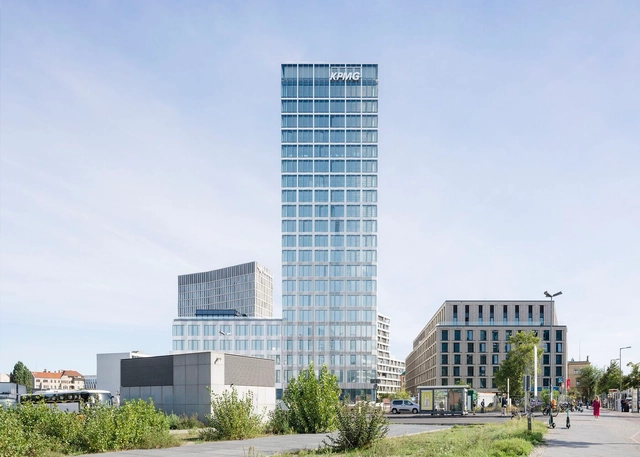
Architects: allmannwappner
- Area: 31165 m²
- Year: 2023



Beyond serving as mere backdrops for fashion shows, architecture often influences fashion collections, contributing spatially to their storytelling, offering material inspiration, and showcasing the connection between structure and shape. As both disciplines revolve around form, structure, and the human experience, architecture, and fashion share a strong connection, one often explored by creators in both fields. From meticulous tailoring and structural designs that mimic architectural lines, contours, and volumes, to architecture taking cues from how fashion works with the human shape, this interplay can create multidimensional experiences for the enthusiasts of both high fashion and architecture.
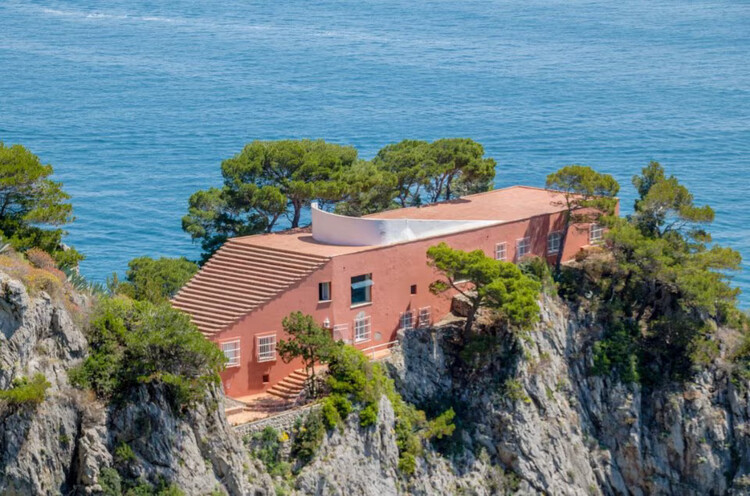
On June 10, French brand Jacquemus, known for its minimalist designs with surrealist touches, chose to celebrate its 15th anniversary with an exclusive runway show at Villa Malaparte. The location, usually inaccessible for this type of event, has made another exception for Saint Laurent, who featured it as the backdrop of its 2018 spring campaign starring Kate Moss.
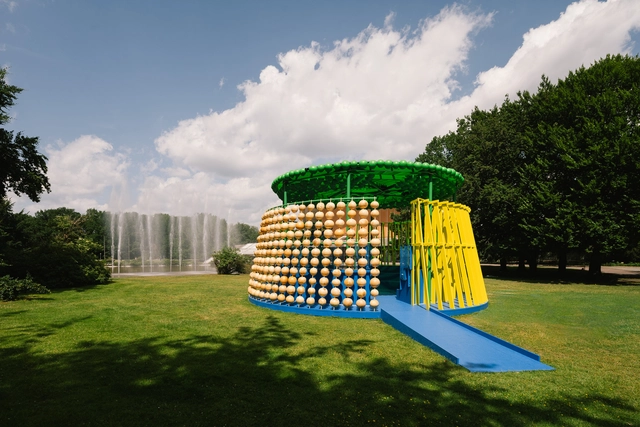
British-Nigerian multi-disciplinary artist and designer Yinka Ilori MBE has designed a pavilion as part of Haus der Kulturen der Welt’s (HKW) festival in Berlin. The festival, titled Ballet of the Masses - On Football and Catharsis, initiated an annual pavilion in 2023, and this year’s pavilion dresses intricate questions of coexistence through its materiality and form. Part of the Shaped to the Measure of the People’s Songs architectural series, Yinka Illori’s pavilion crafts a spatial proposition that explores complex themes of racism in sports and personal accountability.
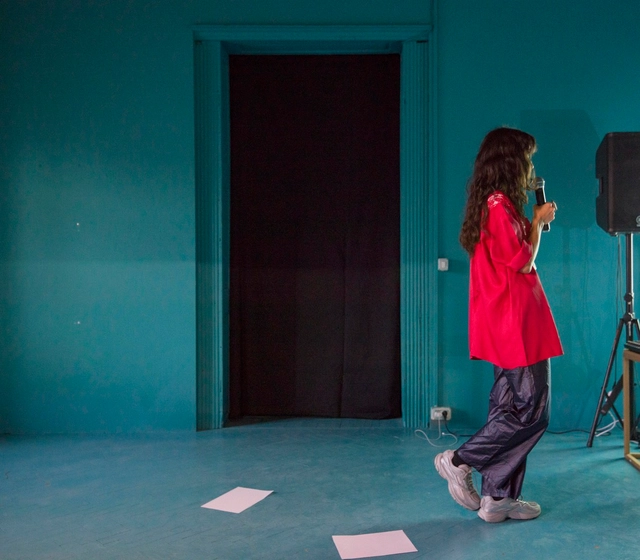
In January this year, Romanian architect, designer, and educator Oana Stănescu has been named the curator of Beta 2024 - Timișoara Architecture Biennial, now in its fifth edition. Based in New York and Berlin, Oana Stănescu is internationally recognized for her diverse portfolio of interventions around the world, challenging the confines of the profession and addressing significant societal issues. Recently, Stănescu, along with the team behind Beta, announced the theme of the main exhibition, taking place in Timițoara, Romania, between September 13th and October 27th.

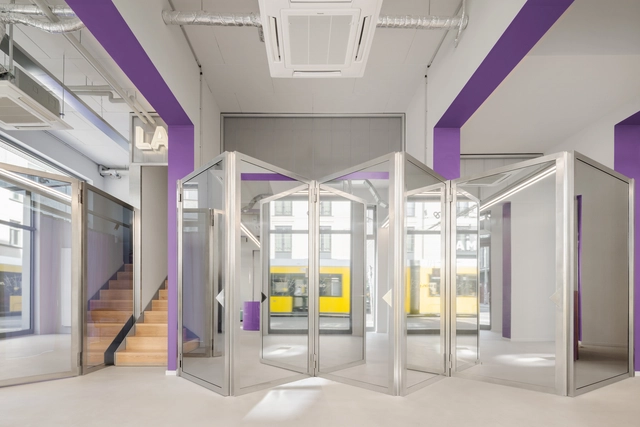

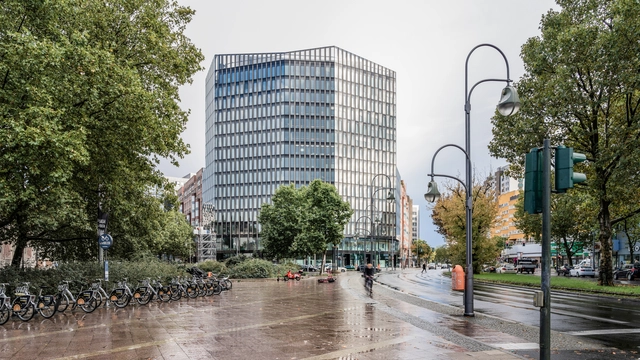


Rising demands for energy efficiency, technical functionality, and interior comfort in buildings necessitate the development of more efficient building envelope constructions. The building envelope serves as a mediator between a building's exterior and interior. In today's architectural landscape, it performs a multitude of functions to enhance the building's performance. These functions include building control systems, energy supply (such as gas and electricity), and heating, ventilation, and air conditioning (HVAC), among others. These elements primarily determine the functionality, efficiency, and safety of building spaces. Given that the nature of building envelopes heavily depends on these services, how can they serve as primary frameworks for building design development?
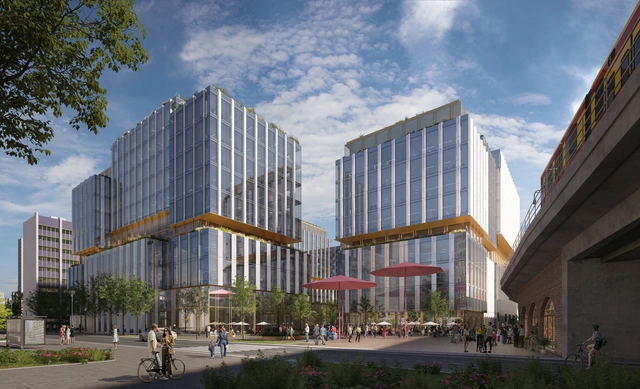
MVRDV has just begun construction on the LXK Office and Residential Campus in Berlin. Situated in Friedrichshain, near Berlin Ostbahnhof, the development spans approximately 61,200 sqm and boasts city center views from its green rooftops and terraces. Designed as two buildings, a horizontal band encircles the middle of either structure, serving as a distinctive landmark in Berlin.


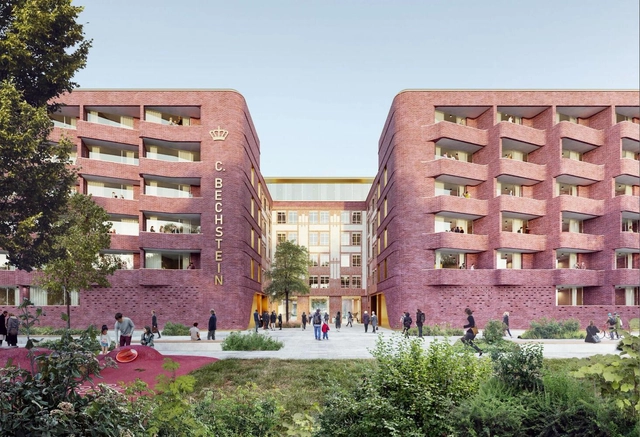
GRAFT Architects has just won the competition to design the new Carl Bechstein Music Campus. Located centrally in Berlin, the Carl Bechstein Foundation’s main goal with the campus is to create a cultural hub entirely devoted to piano music. Serving as a focal point for the Bechstein Brand, established in 1853 and known for its variety of Bechstein pianos, this campus will serve as a focal point and a new headquarters for the foundation.