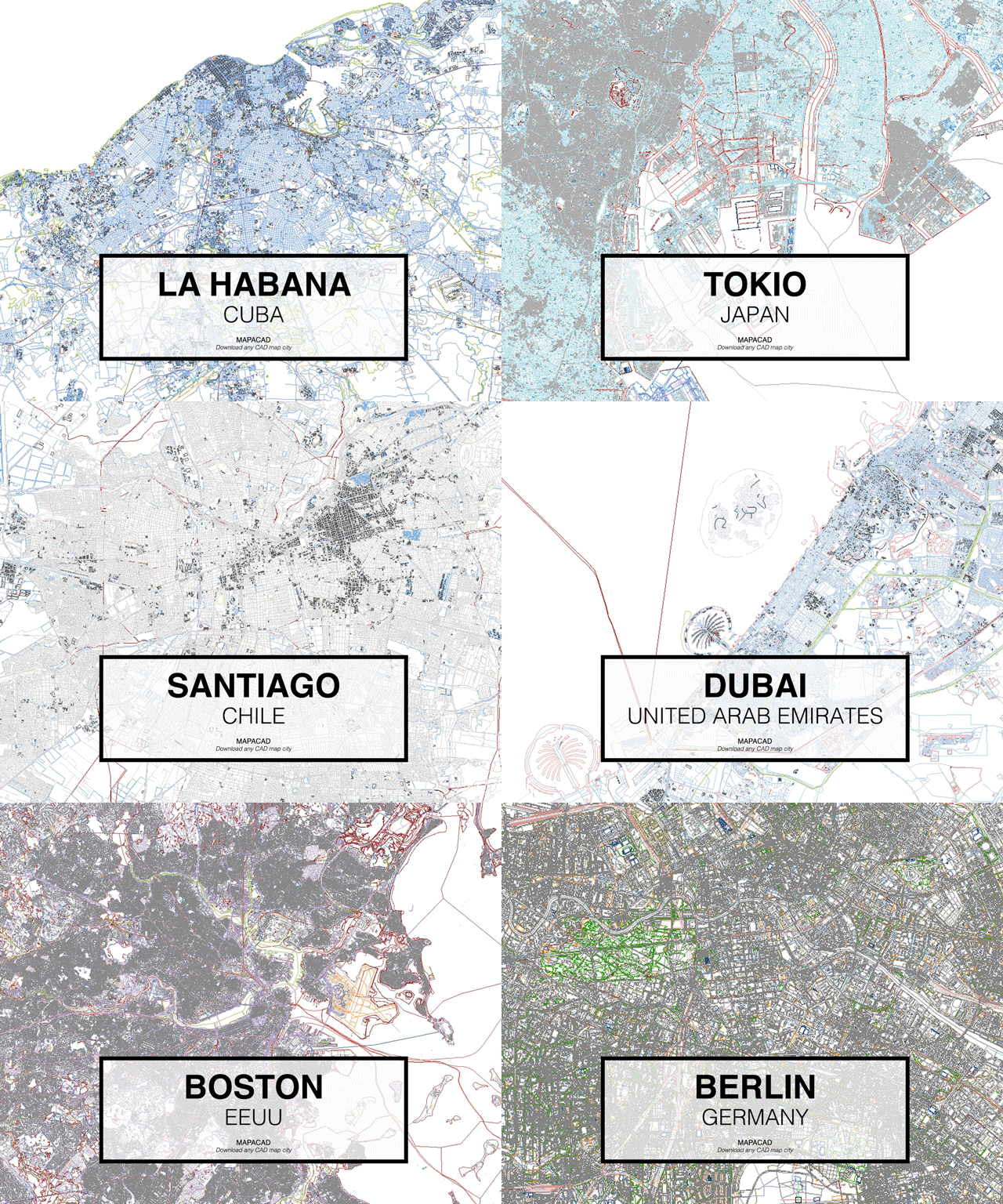
Mapacad is a website that offers downloads of .dwgs of dozens of cities. With 200 metropolises in their database, the founders have shared a set of their most-downloaded cities.
The files contain closed polyline layers for buildings, streets, highways, city limits, and geographical data--all ready for use in CAD programs like Autocad, Rhino, BricsCad and SketchUp.
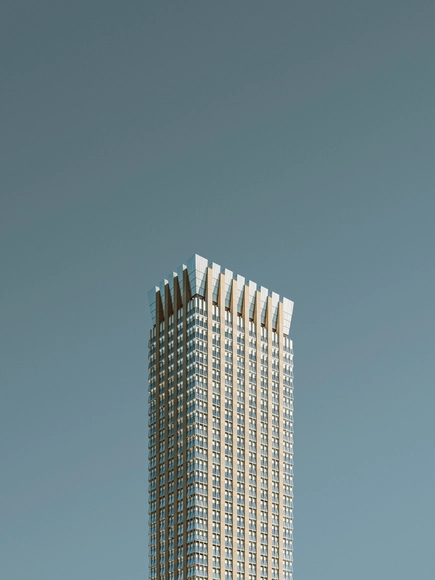
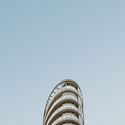
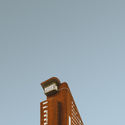
Florian W. Mueller's Singularity series is, in the photographer's own words, "just the building – reduced to the max." These deceptively simple shots of the summits of skyscrapers from around Europe and North America, each set against in infinite gradient of sky, are symbols of architecture's effort to reach ever higher in evermore unique ways. For Mueller, who is based in Cologne, they are an attempt at abstraction. In isolation—and especially when viewed together—they are remarkably revealing as studies of form and façade.
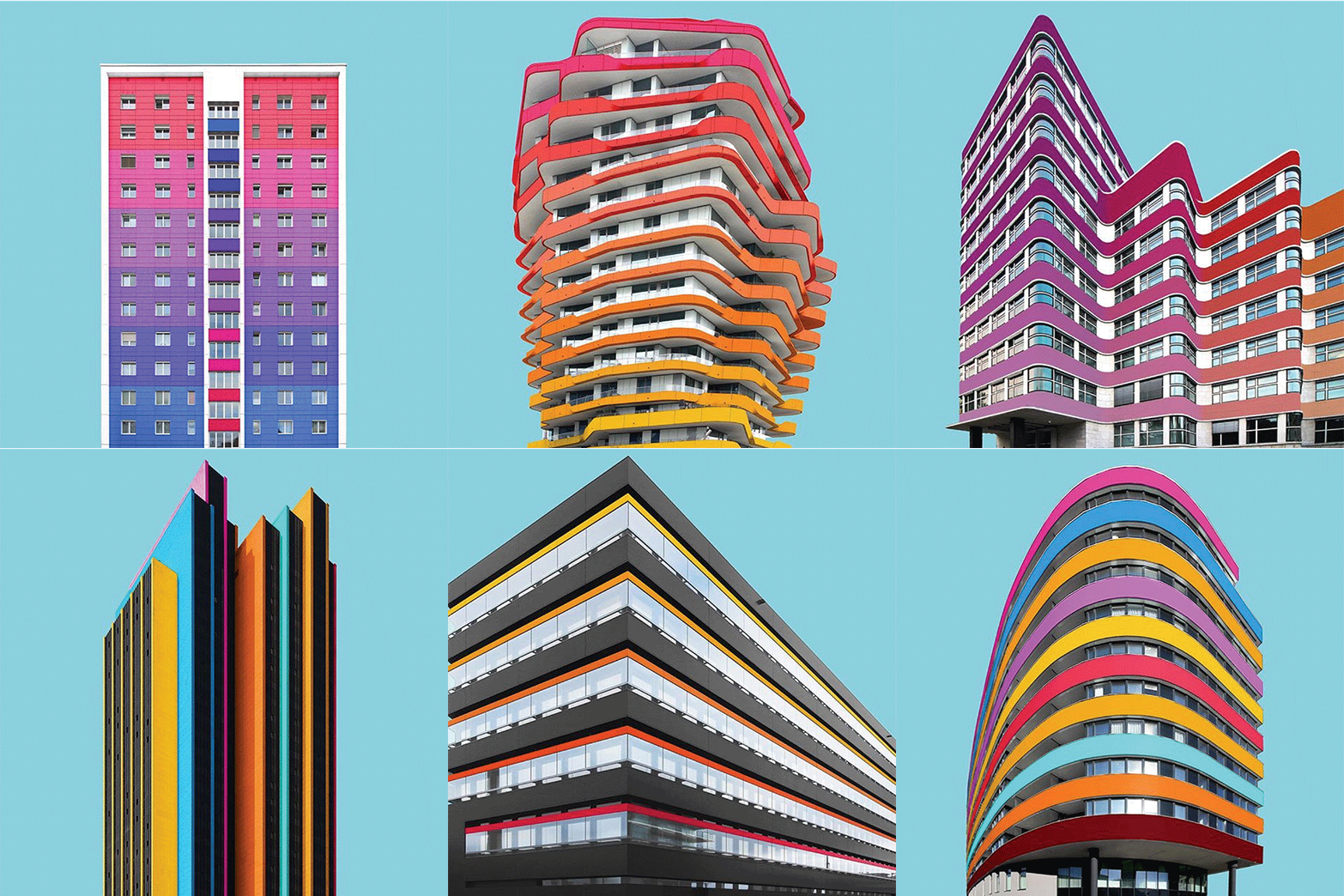
In any city across the world, there are countless examples of unsung architecture – well-designed if inoffensive buildings that strive to please by not standing out from the crowd. For German photographer Paul Eis, these buildings provide the perfect canvas for his work. Displayed on his Instagram account, the_architecture_photographer, Eis captures these buildings in their best light, and then digitally adds in bright colors, elevating these structures from mundane to magnificent.
Courtesy of Flicker User Andreas Levers, Creative Commons
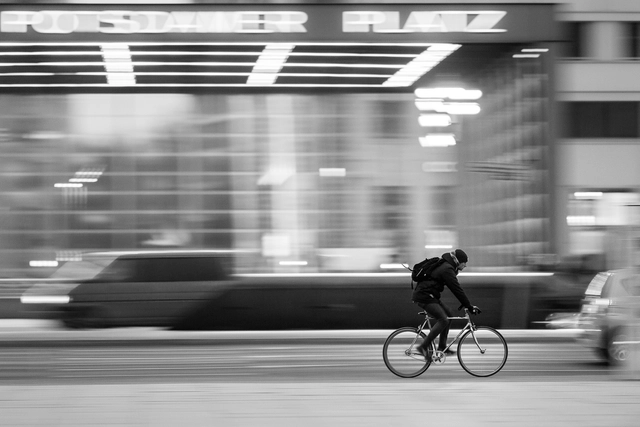
Amongst many things, Europe is known for some of the world’s most bicycle-friendly cities, offering safe and convenient travel routes for its two-wheeled commuters. Berlin, however, does not sit high on this list, but in an effort to address this, a new plan for a system of bicycle “superhighways” is undergoing implementation, incentivising cycling as an efficient means of transport.
Studies commissioned by Berlin’s Senate Department for the Environment, Transport, and Climate Protection looked into 30 possible bike paths, covering stretches of at least 5km. Of these, 12 have been selected as future superhighways, intended to be completely separated from other vehicles on the road.
https://www.archdaily.com/866846/this-system-of-superhighways-creates-a-more-bicycle-friendly-berlinOsman Bari
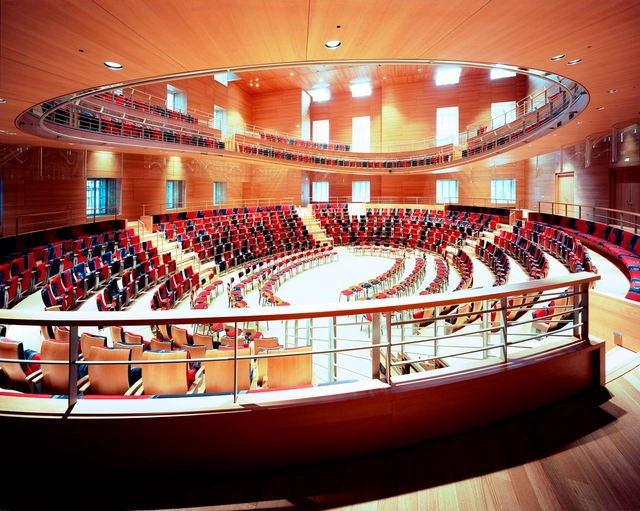
“If it hadn’t been for Frank Gehry, we would have made a simple, straightforward concert hall where students play concerts. But if the space is there, and somebody so gifted, like him, is prepared to do that, then of course you have to do that” - Daniel Barenboim, Founder, Pierre Boulez Saal.
In this Facebook video, Frank Gehry discusses the circumstances of his most recently-completed project, the Pierre Boulez Saal concert hall in Berlin, and the significance of contributing a new venue to Berlin’s historic musical scene.
Hardly another European capital has had so turbulent a history as Berlin. Especially in the twentieth century, tumultuous historical events have left their mark on the city: its growth, the golden 1920s, the dictatorships, the scars of war, reconstruction, division and then reunification. All this called for new planning and offered architects and city planners room and occasion for new projects, new ideas, new visions for Berlin. The city continues to grow and develop, so that the discussion about the future appearance of the German capital is still going on.
The World Architecture Festival has announced the launch of the 10th edition of the event referred to as the “Oscars of architecture” by launching the “WAF Manifesto,” which identifies key challenges the profession will face over the next ten years. Aimed at generated funding for architectural research, the manifesto outlines a range of topics where architects can use their influence to affect society as a whole.
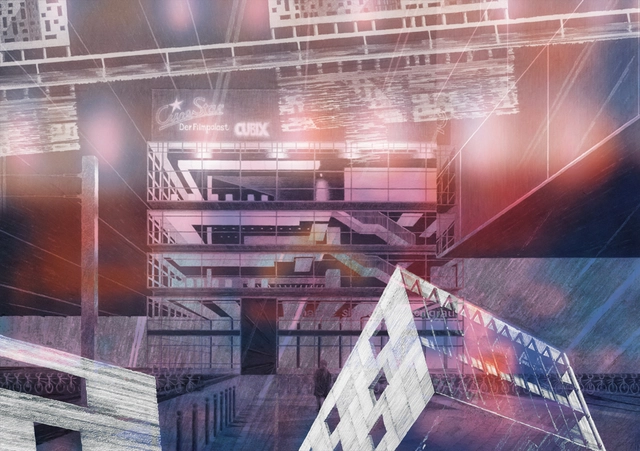
Towering like an infinite mountain of stone, a building devoid of windows and doors is hand-drawn in the tradition of the old masters. Elsewhere, colored strips of tape address the same project, visualized as a sequence of stacked layers. In yet another image, this time presented in a more realistic style, the cityscape is framed by two men gazing out at the viewer with a grin.
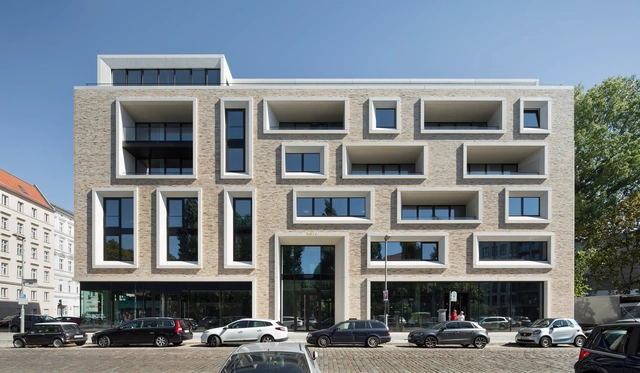
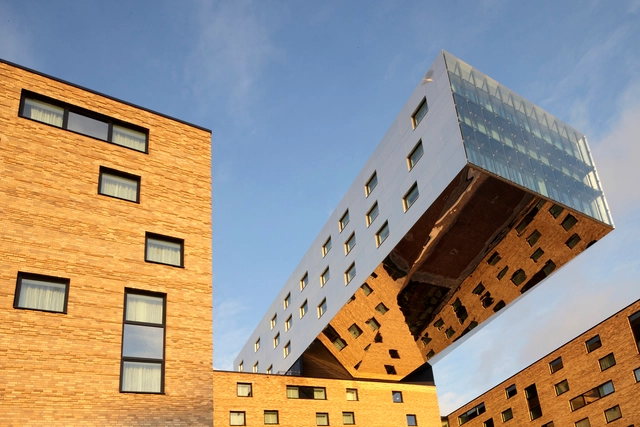
It’s a daring experiment that Tchoban Voss Architekten undertake in their exhibition “Images from Berlin.” Instead of presenting their projects with the usual means, they have delegated this task to 11 visual artists. The aforementioned works stem from a confrontation by Gottfried Müller and Valery Koshlyakov with the Museum for Architectural Drawing. Meanwhile, the Living Levels are approached by the duo Vrubel & Timofeeva as an everyday urban environment.
After receiving his education at the Repin Institute for Painting, Sculpture and Architecture in St. Petersburg, Sergei Tchoban moved to Germany at the age of 30. He now runs parallel practices in both Berlin and Moscow, after becoming managing partner of nps tchoban voss in 2003 and co-founding SPEECH with Sergey Kuznetsov in 2006. In 2009, the Tchoban Foundation was formed in Berlin to celebrate the lost art of drawing through exhibitions and publications. The Foundation’s Museum for Architectural Drawing was built in Berlin in 2013 to Tchoban’s design. In this latest interview for his “City of Ideas” series, Vladimir Belogolovsky spoke to Tchoban during their recent meeting in Paris about architectural identities, inspirations, the architect’s fanatical passion for drawing, and such intangibles as beauty.