1. ArchDaily
  2. CAD

CAD: The Latest Architecture and News

Barriers to BIM: Why India’s Construction Culture Slows Technology Adoption

Subscriber Access | 

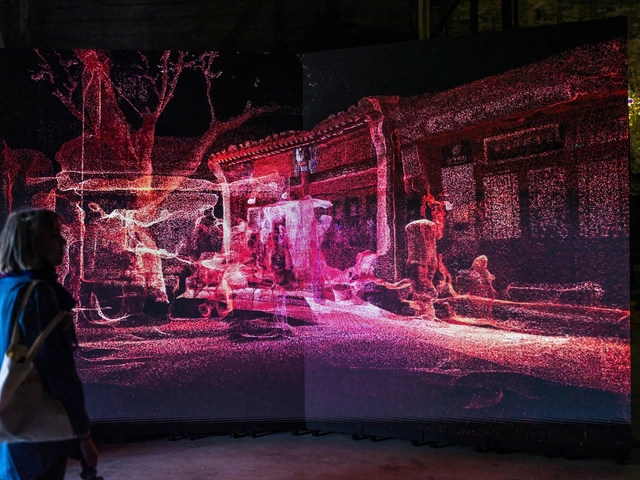
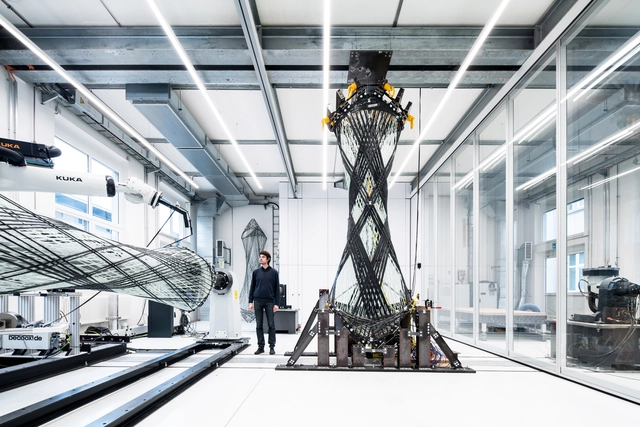
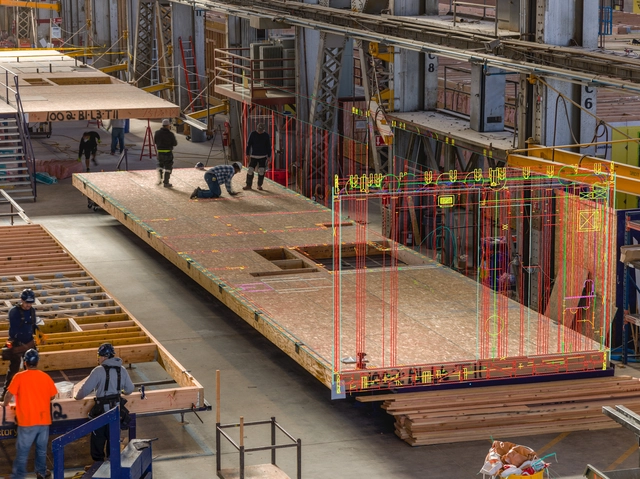
Touted as the new era in construction, Building Information Modeling (BIM) has captured global attention with its promise of seamless coordination, trimmed budgets, and newfound efficiencies. Yet in India's construction landscape, the adoption of technology tells a more nuanced story about cultural barriers and technical limitations.

"The bigger barrier isn't the technology but rather the planning culture," explains Rahul Bahl Managing Director of Krishna Buildestates Pvt Ltd, highlighting what may be BIM's most fundamental challenge in India. "BIM requires that every detail be finalized before construction begins, from electrical switch locations to final finishes. In India, we often break ground with just the shell resolved and spend the next several months value-engineering as we go."

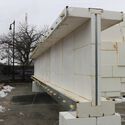
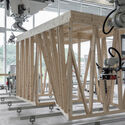
Barriers to BIM: Why India’s Construction Culture Slows Technology Adoption - Image 1 of 4Barriers to BIM: Why India’s Construction Culture Slows Technology Adoption - Image 2 of 4Barriers to BIM: Why India’s Construction Culture Slows Technology Adoption - Image 3 of 4Barriers to BIM: Why India’s Construction Culture Slows Technology Adoption - Image 4 of 4Barriers to BIM: Why India’s Construction Culture Slows Technology Adoption - More Images+ 1

Architecture in the Age of Platforms: What Role Does Software Play in Practice Today?

Subscriber Access | 

How many software tools and platforms are involved today in developing a contemporary project? From designing a single-family house to a public library, relying on just one or two programs is no longer common. Instead, multiple tools combine, overlap, and interact throughout various stages, including analysis, design, rendering, coordination, and construction. This widespread use of software in the virtual world reflects not only the technical complexity of today's practice but also a more subtle yet equally significant shift: software has become less a specific tool and more an environment that accompanies and even challenges the process.

The Continued Relevance of Models in Architecture's Digital Era

Subscriber Access | 

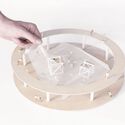
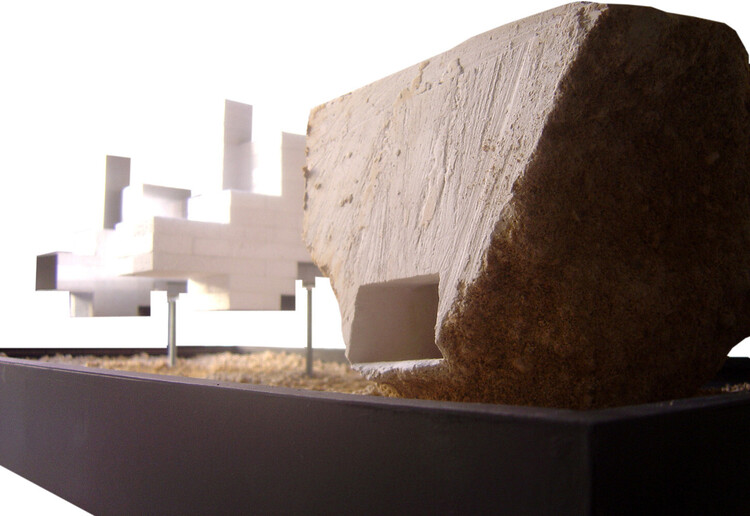
For centuries, models have been central to architectural design, providing architects with a tangible way to explore ideas, test concepts, and communicate their vision. From the Renaissance to Modernism, models have been instrumental in the construction and reflection processes, offering insights into form, proportion, and spatial relationships. However, in today's digital age, where 3D models and Virtual Reality (VR) have become powerful and efficient tools, the question arises: Are physical models still relevant in contemporary architecture?

The Continued Relevance of Models in Architecture's Digital Era - Image 1 of 4The Continued Relevance of Models in Architecture's Digital Era - Image 2 of 4The Continued Relevance of Models in Architecture's Digital Era - Image 3 of 4The Continued Relevance of Models in Architecture's Digital Era - Image 4 of 4The Continued Relevance of Models in Architecture's Digital Era - More Images+ 24

Transforming Architectural Education with Augmented and Virtual Reality

Subscriber Access | 

The discipline of architecture has undergone considerable change, primarily driven by advancements in the application of technology. Architects, long viewed as the futurists of the constructed world, are now utilizing progressive techniques and resources and expanding the use cases of technologies such as Augmented Reality (AR) and Virtual Reality (VR). This transition extends beyond professional practices into architectural education, bringing opportunities to redefine the approach of architects toward their craft.

Transforming Architectural Education with Augmented and Virtual Reality - Image 1 of 4Transforming Architectural Education with Augmented and Virtual Reality - Image 2 of 4Transforming Architectural Education with Augmented and Virtual Reality - Image 3 of 4Transforming Architectural Education with Augmented and Virtual Reality - Image 4 of 4Transforming Architectural Education with Augmented and Virtual Reality - More Images+ 2

Rayon: A Design Software Revolutionizing Collaboration for Efficient Project Development

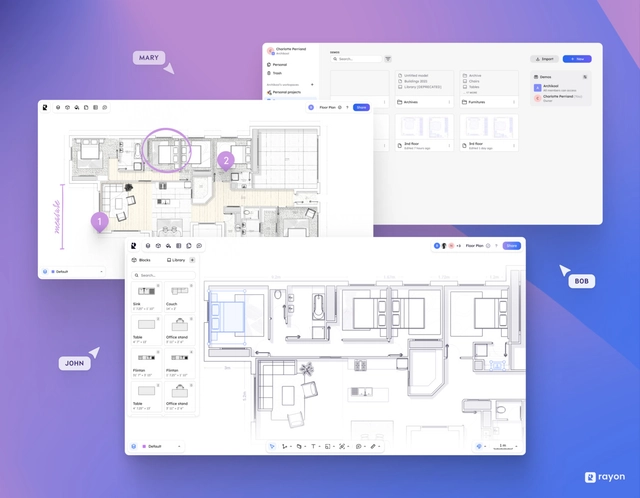
Rayon, an innovative online design tool that aims to create a new collaborative approach to developing "mundane buildings" within the city, has been selected as part of ArchDaily's 2023 Best New Practices. Founded in 2021 by Bastien Dolla and Stanislas Chaillou, it is a collaborative design software that brings together professionals in the architecture, engineering, and construction (AEC) industries. The software company believes that there is a “culture of the ordinary” in architecture. This culture represents an ecosystem of buildings that may seem unremarkable or aren't impressive landmarks in the city. However, these buildings and their construction professionals make up 90% of the urban fabric and contribute to the design culture that collectively gives identity to the city. The founders believe previous software generations have neglected this culture and propose Rayon as a novel tool to fill that gap by enhancing collaboration and user ergonomics.

Is AI Really the Next Big Thing in Architecture?

This article was originally published on Common Edge.

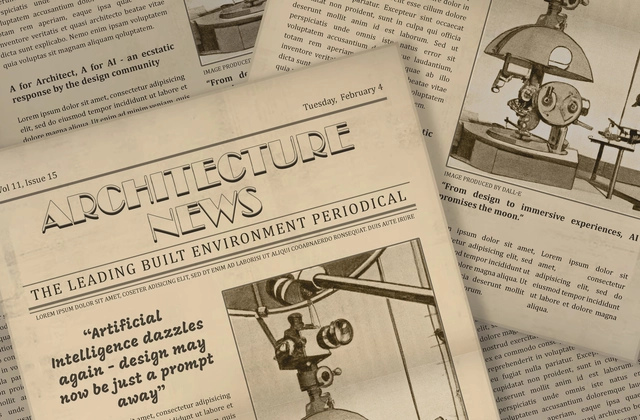
It’s here! The 21st-century digital renaissance has just churned out its latest debutante, and its swanky, sensational entrance has sent the world into an awed hysteria. Now sashaying effortlessly into the discipline of architecture, glittering with the promise of being immaculate, revolutionary, and invincible: ChatGPT. OpenAI’s latest chatbot has been received with a frenzied reception that feels all too familiar, almost a déjà vu of sorts. The reason is this: Every time any technological innovation so much as peeks over the horizon of architecture, it is immediately shoved under a blinding spotlight and touted as the “next big thing.” Even before it has been understood, absorbed, or ratified, the idea has already garnered a horde of those who vouch for it, and an even bigger horde of those who don’t. Today, as everyone buckles up to be swept into the deluge of a new breakthrough, we turn an introspective gaze, unpacking where technology has led us, and what more lies in store.

Support for Architects and Planners: Specifications, CAD Drawings, BIM Objects, and Other Design Tools

Subscriber Access | 

Technology manufacturer 2N is diversifying its range of products by offering A&E, BIM technology, and other strategies for architects and designers.

2N is a Prague-based company engaged in the development and manufacturing of products in the field of IP intercoms and access control systems. According to an IHS report in 2016, 2N is the largest global manufacturer of IP intercoms, and a major innovator in the field of IP access systems, IP audio, and IP lift communicators. The company was established in 1991 in the Czech Republic, where its headquarters remain to this day.

Architectural Rendering and the Slippery Slope of the Uncanny Valley

Fifty-one years ago, in 1970, a Japanese roboticist named Masahiro Mori came up with the concept of the “Uncanny Valley”. Around the same time, architectural renderings done using analog methods were still in vogue – collages and photomontages used to get ideas across to clients. A decade later, personal computers came along, and that saw the emergence of CAD and the wider adoption of digital rendering. Today’s architectural renderings are almost imperceptible from reality, with the increase in sophistication of rendering sofware. We struggle to tell the difference between what is a rendering and what is not – or rather we are able to tell a slight difference and it leaves us slightly uncomfortable, which brings us to Mori’s uncanny valley.

Architectural Rendering and the Slippery Slope of the Uncanny Valley - Image 1 of 4Architectural Rendering and the Slippery Slope of the Uncanny Valley - Image 2 of 4Architectural Rendering and the Slippery Slope of the Uncanny Valley - Image 3 of 4Architectural Rendering and the Slippery Slope of the Uncanny Valley - Image 4 of 4Architectural Rendering and the Slippery Slope of the Uncanny Valley - More Images+ 5

Alternative Free Software for Architecture and Design

Subscriber Access | 

During the academic formation process, beginner architects are educated and trained to develop projects on the most “traditional” software. Several reasons might explain that: the partnerships that these companies usually make with the university labs, the lack of time to learn a new program, or the culture to use the most popular software.

CAD Files of High Pressure Laminates (HPL) Panels Available for Your Next Project

Subscriber Access | 

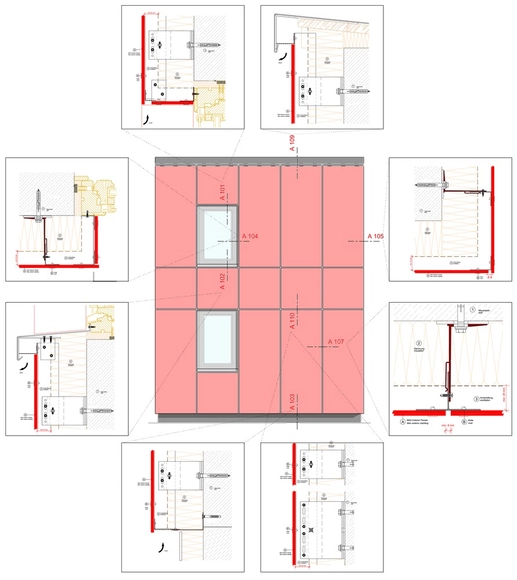
A facade must meet steep requirements as both the first skin that protects a building, its interiors, and its materials, and as the first thing a person sees. In addition to weather resistance and durability, its appearance is extremely vital for any architectural project. Prefabricated facade panels provide a clean, precise, and sophisticated finish to buildings and sport high versatility through different patterns and shapes.

50 AutoCAD Commands You Should Know

Subscriber Access | 

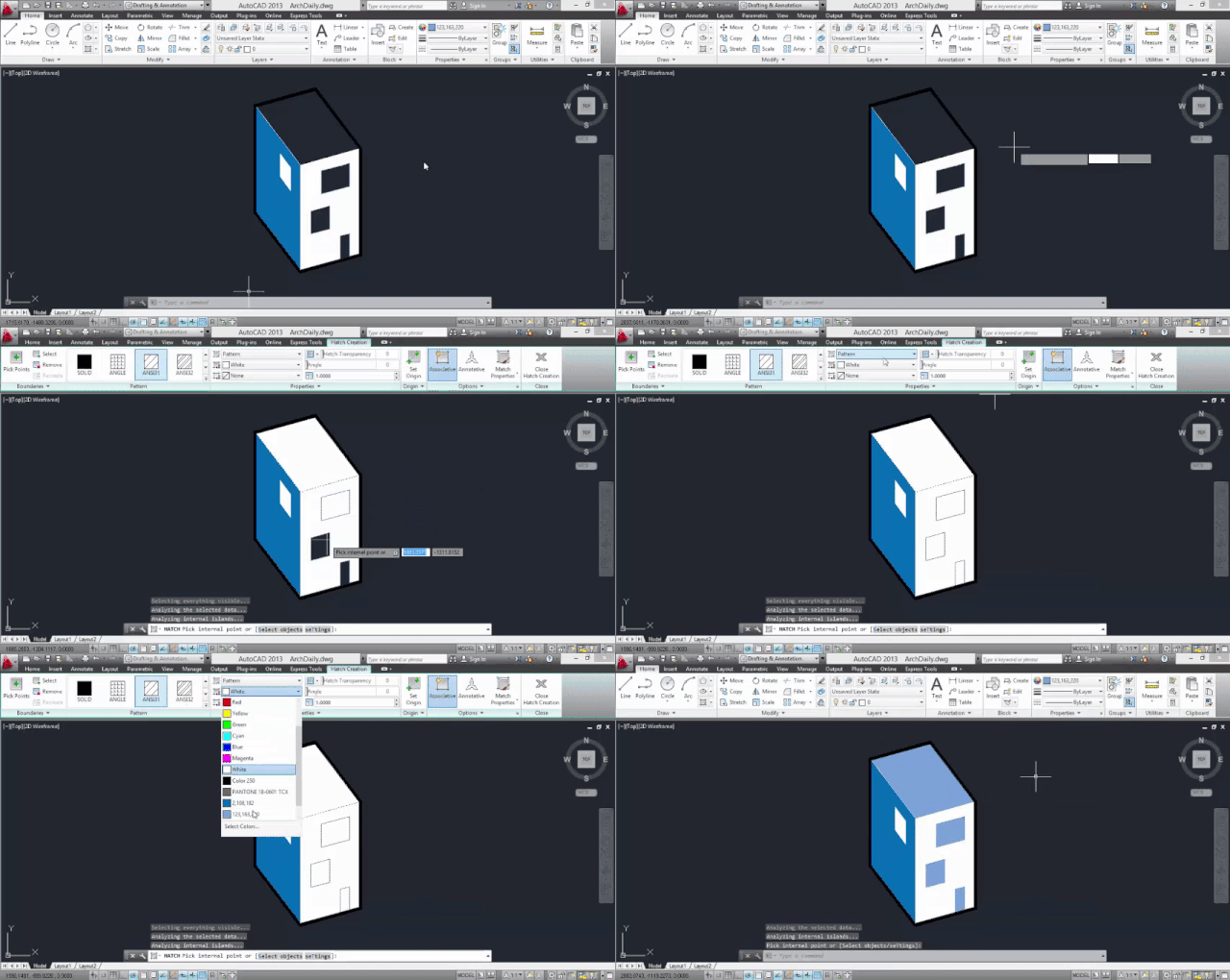
After spending countless hours in front of AutoCAD working on a project, you’re bound to have your own set of favorite commands to standardize a few steps. We also bet that you don’t have them all memorized or often forget them. To help you remember, we've made a list of 50 commands that can help you speed up your work game, discover new shortcuts, or come in use as a handy tool for when you forget what the command you need is called.

The following listing was developed and corroborated by our team for the 2013, 2014 and 2015 versions of AutoCAD in English. We also prepared a series of GIFs to visualize some of the trickier ones.

When you’ve finished reading, we would love to know what your favorite commands are (including those that we didn’t include). We will use your input to help us update the article!

16 CAD Files of Roof Windows and Light Tubes Available for Your Next Project

Subscriber Access | 

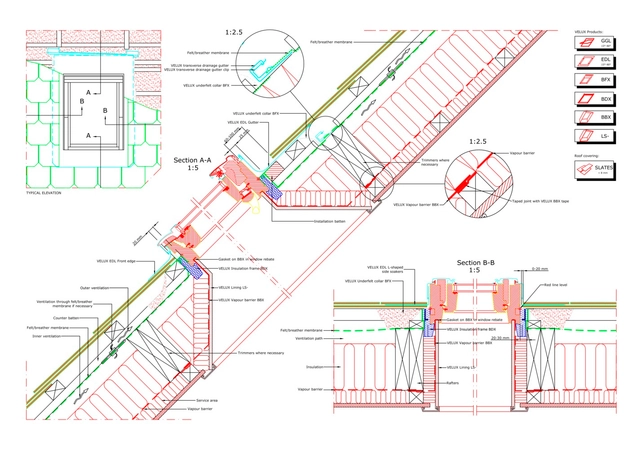
In the spirit of supporting our readers’ design work, the company Velux has shared a series of .DWG files with us of their different roofing windows models. The files can be downloaded directly from this article and include great amounts of detail and information.

Check the files below, separated into 'Pitched Roofs', 'Flat Roofs' and 'Light Tube'.

Structural Design of Zaha Hadid's 1000 Museum Revealed in CAD Drawings

As Zaha Hadid Architects’ 1000 Museum residential tower in Miami continues toward its December 2018 completion date (tracked by this nifty countdown clock), the computer drawings for the structure have been revealed, showing the complex structure in section, elevation and detail.

Construction of the 62-story skyscraper is getting close to topping out as it rises past its neighbors on Biscayne Bay.

Check out the drawings below as well as the latest interior and exterior renderings in the gallery at the bottom of the page.

Structural Design of Zaha Hadid's 1000 Museum Revealed in CAD Drawings - Image 3 of 4Structural Design of Zaha Hadid's 1000 Museum Revealed in CAD Drawings - Image 7 of 4Structural Design of Zaha Hadid's 1000 Museum Revealed in CAD Drawings - Image 27 of 4Structural Design of Zaha Hadid's 1000 Museum Revealed in CAD Drawings - Image 28 of 4Structural Design of Zaha Hadid's 1000 Museum Revealed in CAD Drawings - More Images+ 28

Decades After the Rise of CAD, Architecture Is Going “Paperless”—For Real This Time

Subscriber Access | 

If you visit an architecture office today, you may sense a slight change. The days of bulky desktops, ergonomic mouse pads and tower-high stacks of drawing sets are slowly giving way to digital pencils, tablets, and tons of architects’ hand-drawings—both physical and digital. Architects across the globe are clearing their desks, literally, and utilizing emerging touchscreen tools and software for designing, sharing and collaborating. It seems possible that, for the first time in years, the architecture profession could revisit Bernard Tschumi’s “paperless” studio which formed a key part of his tenure as dean of Columbia University’s GSAPP in the mid-1990s. However, this time, “paperless” starts with a pencil, instead of a click.

New Digital-Physical Building Block System Aims to Make 3D Modeling Accessible to Children

Modeling on the computer and physically building scale models are essential modes of iteration for the modern architecture studio. But what if this creative process of digital and physical ideation could be made accessible to everyone: children, hobbyists, and architects alike?

That is the question I set out to answer by designing an entirely new snapping block system, from the ground up, for the aesthetic and experiential expectations of the 21st century. It's called Kible, and after putting architecture aside and developing it since November 2015, I've recently launched the product on Kickstarter.

Download High Resolution World City Maps for CAD

Subscriber Access | 

Mapacad is a website that offers downloads of .dwgs of dozens of cities. With 200 metropolises in their database, the founders have shared a set of their most-downloaded cities.

The files contain closed polyline layers for buildings, streets, highways, city limits, and geographical data--all ready for use in CAD programs like Autocad, Rhino, BricsCad and SketchUp.

"后数字制图"会是手绘和电脑博弈的下一个阶段吗?

目前在纽约市的现代艺术博物馆(MoMA)展出的是建筑师扎哈哈迪德(Zaha Hadid)为她的开创性未建成项目香港太平山(The Peak in Hong Kong)所做的概念画作。本作品作于1991年,正处于3D CAD软件的普及为建筑制图的革命注入了一剂强心针的时期边缘。太平山(The Peak)画作出现于建筑制图因其自身原因的革新的末期,和旨在展示现实世界的可缩放,滚动,渲染时代的来临。只有这种新的图像创作软件在绘图功能上与以前的时代具有很大不同并且开创了新的制图风格,工具和过程通过对用户与他们的互动施加预定的议程来对设计进行约束。

在这个数字时代,像勒布贝斯·伍兹(Lebbeus Woods)和迈克尔·格雷夫斯(Michael Graves)这样的以手绘艺术而闻名的建筑师,推翻了建筑制图中占据主导地位的超级现实主义。 然而,根据 Sam Jacob 在“Metropolis”杂志上发布的最新文章,我们可能正在进入以“后数字”(post-digital)所代表的时代。 在后数字时期,建筑师重回传统制图时代,但是是通过创造新的方法论和重新评估过去数十年来最适合的数字工具。目前在建筑实践中还是大大倾向于拼贴技术,但是对于后数字制图的研究仍旧会在事务所和高等学府中继续。

Stoves, Sinks, and Refrigerators: Downloadable CAD Blocks for Kitchen Designs

Subscriber Access | 

In order to support the design work of our readers, the company Teka has shared with us a series of .DWG files of its various kitchen products. The files include both 2D and 3D drawings and can be downloaded directly from this article.

Download the objects below, which have been separated into the following categories: drop-in sinks, built-in sinks, undermount sinks, built-in ovens, faucets, stoves, extractor hoods, and refrigerators.