




-
Architects: HIBINOSEKKEI, Youji no Shiro
- Area: 811 m²
- Year: 2023
-
Manufacturers: Daiken, Elkay, Nets Tribe


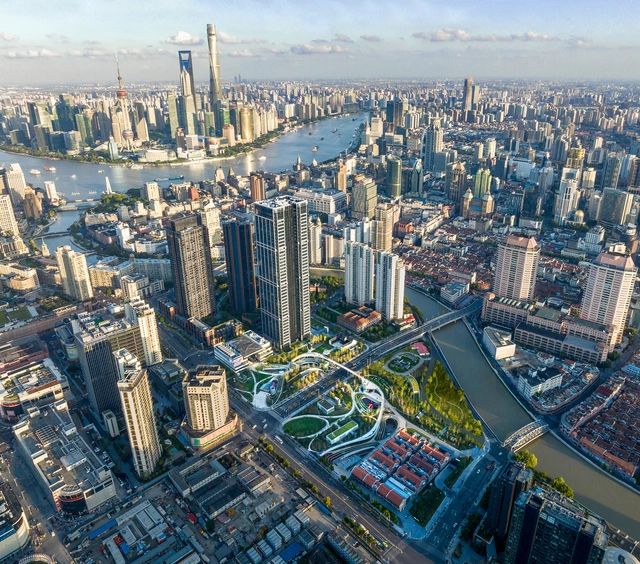
More than half of the world's population resides in urban areas, with over 4 billion people depending on cities as their main environment. According to the United Nations’ latest report on populations in cities, this number is expected to continue to increase over the next 50 years, prompting cities worldwide to strive to find better ways to accommodate their growing population while transitioning to more sustainable urban practices. To highlight this responsibility, the United Nations has declared July 11th the World Population Day.
Under this year’s theme, “To Leave No One Behind, Count Everyone,” the UN aims to also draw attention to the importance of data collection for reflecting societal diversity. The growth of world cities is part of this equation as an important measure for understanding global population trends. The following list presents the top 20 cities worldwide in 2024, ranked by the population size of their metropolitan areas. Comparing the results to the previous editions, the only cities to reduce their size are the two cities from Japan, Tokyo and Osaka. The highest growth rates can be observed in African mega-cities, Kinshasa and Lagos, while China continues to be the most present country in the list, with 5 metropolises present in the top 20: Shanghai, Beijing, Chongqing, Tianjin, and Guangzhou.
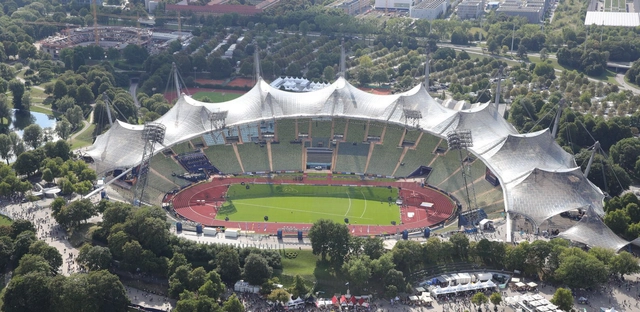
For cities, hosting an Olympic event represents both an honor, an important opportunity for growth, and a significant challenge. With over 200 nations taking part in the Games, the Olympics are the largest sporting competition in the world. Adapting the public and sporting infrastructure to accommodate this sudden influx of people and the scale of these events runs the risk of misunderstanding the cities’ needs after the closing ceremony, often producing “white elephants” that struggle to adapt to the rhythm and necessities of everyday urban life. Urban transformations are often cited as an advantage of hosting the Olympic Games, as cities are incentivized to invest in their traffic infrastructure, housing, and public spaces. One such example is the city of Paris, which introduced its first metro line on the occasion of hosting the second edition of the Olympic Games in 1900.
When it comes to the venues, however, the issue of adaptive reuse becomes a pressing one, as the architecture is challenged to find solutions to transform, accommodating thousands of people during the Olympics, then scaling down to become a financially sustainable part of a city’s sporting offering. Across the world, several Olympic venues have managed to extend their usability after the closing of the games, opening themselves to the local communities and welcoming a more diverse programming of sports and leisure events. While the high construction costs are often difficult to justify, these venues have become markers of local identity and attractive tourist attractions, extending their use decades after welcoming the Olympic crowds.

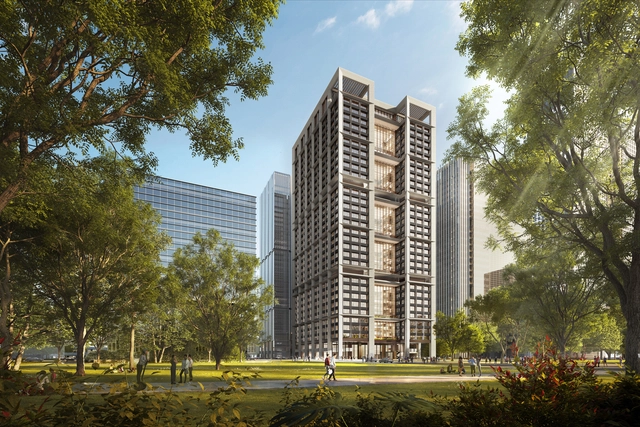
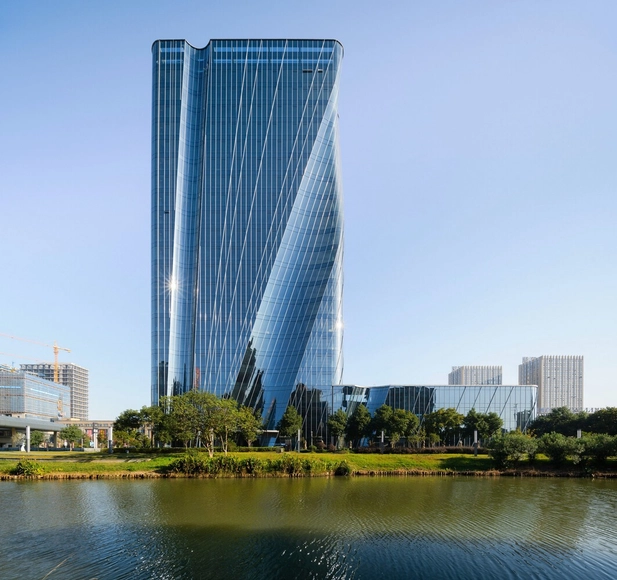
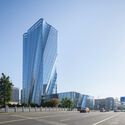
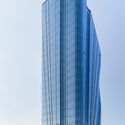
Located in the heart of Beijing’s Central Business District, the Z6 tower, designed by Foster + Partners, has become China's first high-rise office building to achieve “Net Zero Carbon Outstanding” certification. The project received this recognition by passing the “Net Zero Carbon Building Evaluation System,” which was developed by the British Research Establishment (BRE) and TÜV Rheinland Greater China, based on BREEAM standards.
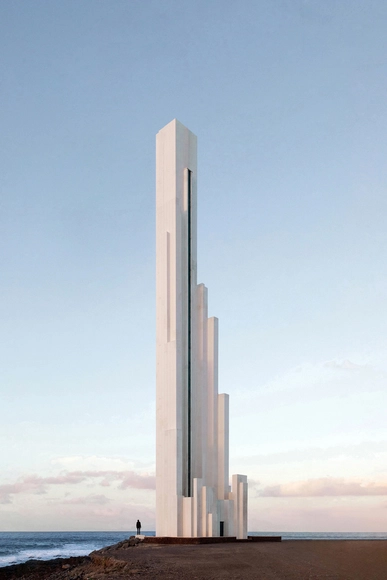
The Sony World Photography Awards 2024 has announced its category winners and shortlist, showcasing the best single images from around the world captured during the last year. With over 395,000 submissions from 220 countries and territories, the competition aims to highlight established and emerging photographers from around the world. The Open Competition is divided into 10 category sections, covering a diverse range of themes, from Architecture and Landscape to Portraiture, Lifestyle, and Wildlife photography.
For the Architecture category, ArchDaily collaborator Ana Skobe has been declared the winner with a photograph titled “Falling Out of Time.” Bathed in the soft hues of evening light, a sleek geometric structure rises from the coastal landscape, its clean lines contrasting with the natural elements surrounding it. Positioned at the base of the lighthouse, a solitary figure gives a sense of scale to the composition, as it contemplates the vastness of the ocean.
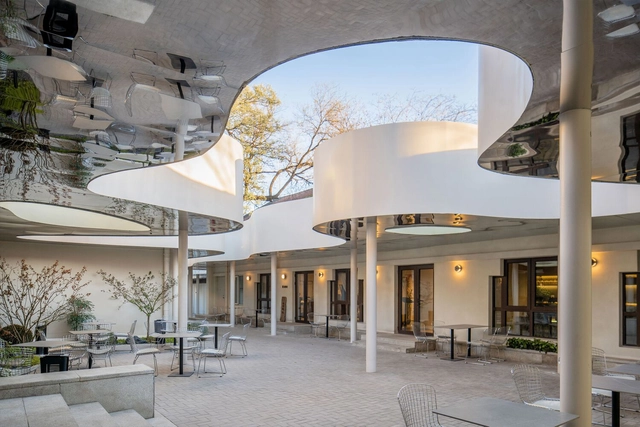
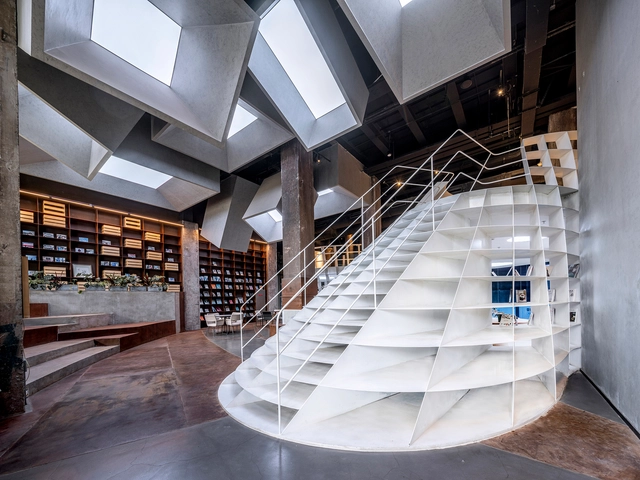
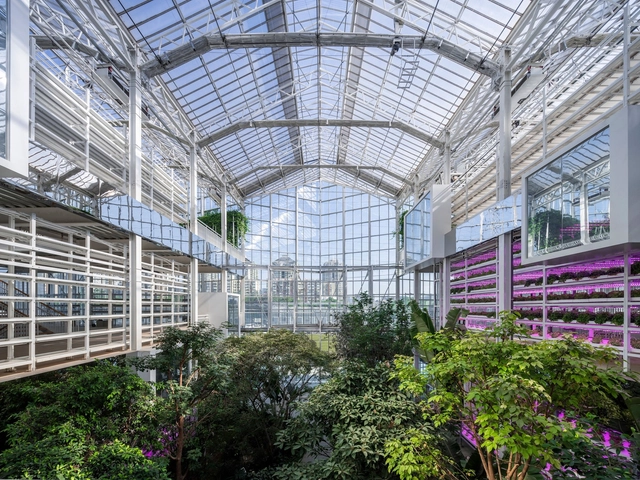
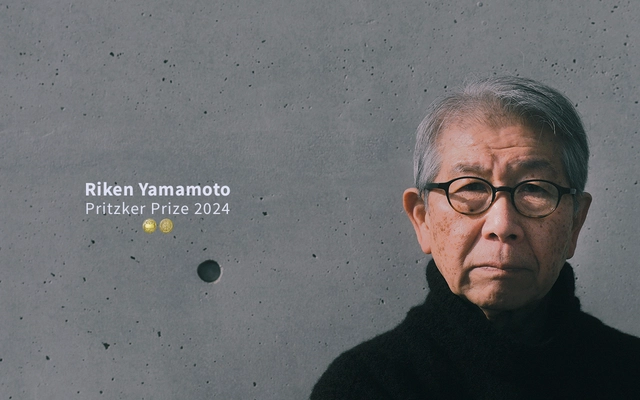
Japanese architect and social advocate, Riken Yamamoto, has been selected as the 2024 Pritzker Architecture Prize Laureate. Known for establishing a "kinship between public and private realms" and creating "architecture as background and foreground to everyday life," Yamamoto is the 53rd honoree of the Pritzker Architecture Prize and the ninth architect from Japan to receive this recognition, following Arata Isozaki, Shigeru Ban, Kazuyo Sejima, Ryue Nishizawa, Kenzō Tange, Fumihiko Maki, Toyo Ito and Tadao Ando. Succeeding David Chipperfield in 2023, Francis Kéré in 2022, and Anne Lacaton and Jean-Philippe Vassal in 2021, Yamamoto will receive the Pritzker Prize during the 46th Pritzker Prize ceremony in Chicago this spring, and the 2024 Laureate Lecture will be held at S.R. Crown Hall, Illinois Institute of Technology, in partnership with the Chicago Architecture Center, on May 16th.
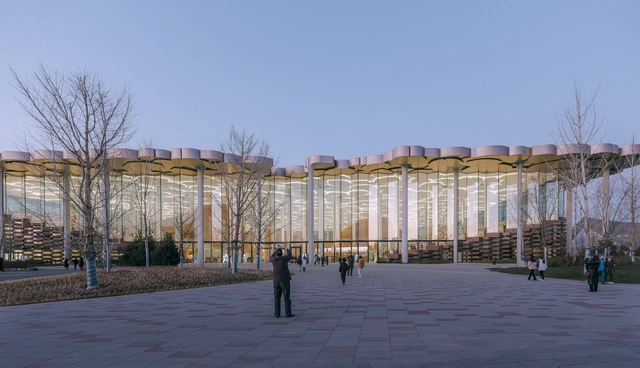
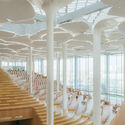
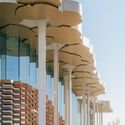
Snøhetta’s Beijing City Library has opened its doors to the public, introducing a unique space for learning and knowledge-sharing in Beijing’s cultural scene. As one of the most anticipated projects of 2024, the library features the world's largest climatized reading space, in addition to various facilities aimed at creating a vibrant cultural destination in the city. Snøhetta was awarded the Beijing City Library in 2018 through an international competition and the project was completed with local partner ECADI.