1. ArchDaily
  2. Baltic Countries

Baltic Countries: The Latest Architecture and News

Druzhba Sanatorium: A Soviet Monument Suspended Between Earth and Sea

Subscriber Access | 

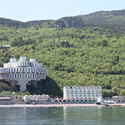
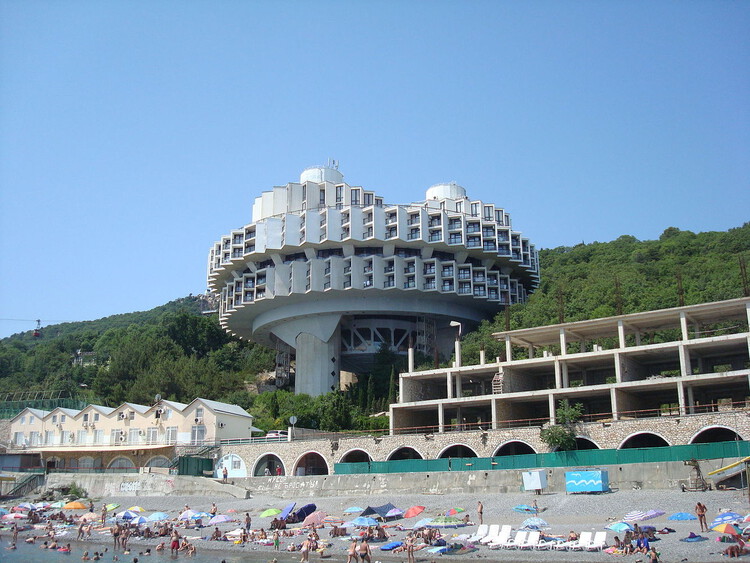
Perched above the cliffs of Crimea, the Druzhba Thermal Sanatorium appears less as a building than as a landed spacecraft. Its circular forms, suspended decks, and spiraling ramps evoke a scene from Andrei Tarkovsky's Solaris (1972), where architecture and psychology merge into a single landscape. Built between 1978 and 1985 by Igor Vasilevsky, the complex was conceived as a thermal resort for workers of the oil industry, part of the Soviet Union's extensive network of sanatoria dedicated to health and recreation.

Beyond its function as a place of recovery, Druzhba, meaning "friendship", embodied a broader political and aesthetic ambition. It sought to merge technological prowess with the restorative ideals of socialist modernity, translating collective well-being into concrete form. Rising from a steep coastal slope overlooking the Black Sea, its massive structure defies gravity, supported by a central concrete core from which radial wings extend like the blades of an enormous gear. Seen from a distance, it feels simultaneously mechanical and organic, a hybrid of infrastructure and landscape.
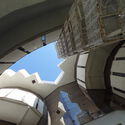
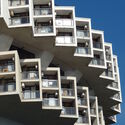
Druzhba Sanatorium: A Soviet Monument Suspended Between Earth and Sea - Image 1 of 4Druzhba Sanatorium: A Soviet Monument Suspended Between Earth and Sea - Image 2 of 4Druzhba Sanatorium: A Soviet Monument Suspended Between Earth and Sea - Image 3 of 4Druzhba Sanatorium: A Soviet Monument Suspended Between Earth and Sea - Image 4 of 4Druzhba Sanatorium: A Soviet Monument Suspended Between Earth and Sea - More Images+ 16

Zaha Hadid Architects Wins Competition for New Arrivals Terminal at Vilnius Airport, Lithuania

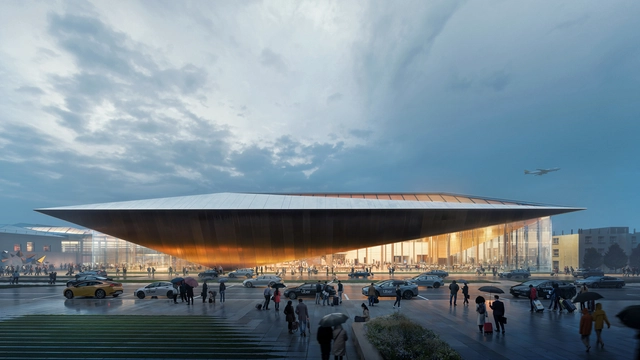
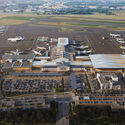
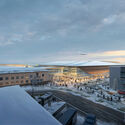
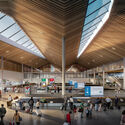
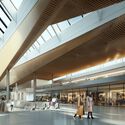
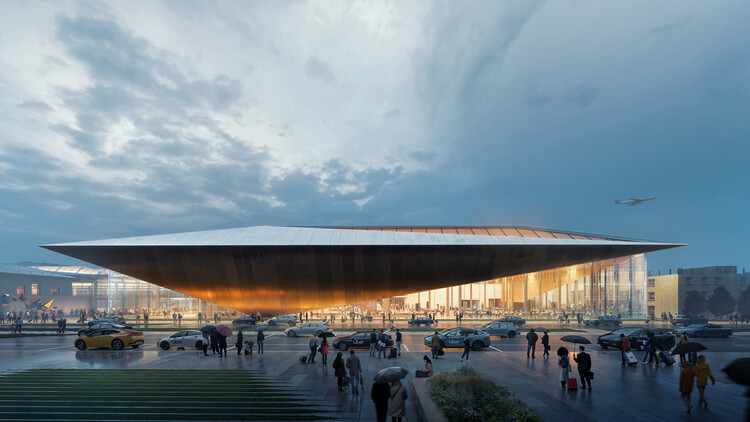
Lithuanian Airports has announced Zaha Hadid Architects as the winner of the international competition to design the new arrivals terminal at Vilnius Airport. Conceived as an integral part of the airport's evolving infrastructure, the new terminal will complement the recently completed departure terminal, enabling Vilnius Airport to accommodate up to 10.6 million passengers annually. The project marks a significant step in the airport's long-term development strategy, addressing future growth in passenger demand while enhancing Lithuania's role as a key gateway in the Baltic region.

Zaha Hadid Architects Wins Competition for New Arrivals Terminal at Vilnius Airport, Lithuania - Image 1 of 4Zaha Hadid Architects Wins Competition for New Arrivals Terminal at Vilnius Airport, Lithuania - Image 2 of 4Zaha Hadid Architects Wins Competition for New Arrivals Terminal at Vilnius Airport, Lithuania - Image 3 of 4Zaha Hadid Architects Wins Competition for New Arrivals Terminal at Vilnius Airport, Lithuania - Image 4 of 4Zaha Hadid Architects Wins Competition for New Arrivals Terminal at Vilnius Airport, Lithuania - More Images+ 3

A Narrative of Cultural Resilience: The Evolution of the Estonian Academy of Sciences

Subscriber Access | 

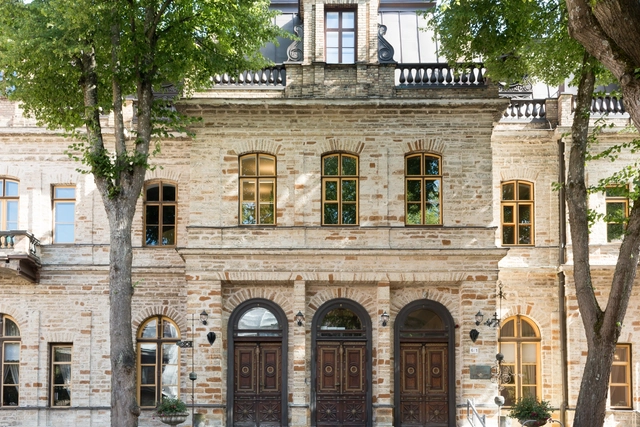
In the heart of Tallinn, where history weaves through cobblestone streets and ancient towers, stands the Ungern-Sternberg Palace — a monument that bridges the opulent past of Estonia's aristocracy with the vibrant world of contemporary academia. Now home to the Estonian Academy of Sciences, this historic building embodies Estonia's enduring dedication to knowledge and cultural preservation. Through Open House Tallinn, which highlights the city's architectural heritage, the palace's significant history, and remarkable architectural details are brought to a wider audience, offering unique insight into Estonia's cultural resilience.

Constructed in the 19th century as a symbol of aristocratic power, the palace has transformed from a private residence into a national hub of intellectual life. Its grand halls, once the scene of lavish gatherings, now foster scientific and academic pursuits, illustrating how heritage architecture can evolve alongside societal change.

A Narrative of Cultural Resilience: The Evolution of the Estonian Academy of Sciences - Image 1 of 4A Narrative of Cultural Resilience: The Evolution of the Estonian Academy of Sciences - Image 2 of 4A Narrative of Cultural Resilience: The Evolution of the Estonian Academy of Sciences - Image 3 of 4A Narrative of Cultural Resilience: The Evolution of the Estonian Academy of Sciences - Image 4 of 4A Narrative of Cultural Resilience: The Evolution of the Estonian Academy of Sciences - More Images+ 17

The Architect as Educator: Remembering Gunnar Birkerts

Subscriber Access | 

Gunnar Birkerts, Latvian-born architect and educator, passed away on August 15, 2017, at the age of 92. A passionate advocate of a creative process he called "organic synthesis," he leaves behind dozens of built works over three continents and influenced hundreds of architectural students and colleagues through his inquiry-based process and dynamic interactions. Eric Hill and John Gallagher, in their AIA Guide to Detroit, said of Birkerts’ architecture:

Each of his works seems to be approached as an opportunity to explore the essence of an architectural problem, resulting in a statement that often exceeds the immediate project.

The Architect as Educator: Remembering Gunnar Birkerts - Image 1 of 4The Architect as Educator: Remembering Gunnar Birkerts - Image 2 of 4The Architect as Educator: Remembering Gunnar Birkerts - Featured ImageThe Architect as Educator: Remembering Gunnar Birkerts - Image 3 of 4The Architect as Educator: Remembering Gunnar Birkerts - More Images

Latvian Pavilion at the 2018 Venice Biennale to Highlight Turning Points in 20th Century Apartment Block Design

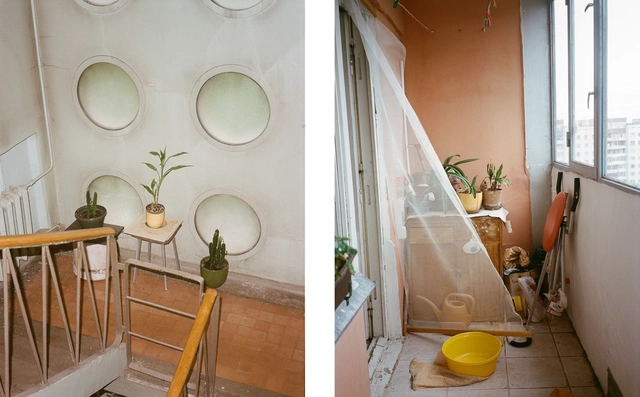
The Latvian Ministry of Culture have announced Together and Apart: 100 Years of Living as the theme of the Latvian Pavilion at the 2018 Venice Architecture Biennale. Urbanist Evelīna Ozola, architect Matīss Groskaufmanis, scenographer Anda Skrējānem, and Director of the New Theatre Institute of Latvia Gundega Laiviņa will highlight "ideological turning points from the last one hundred years," presenting ways in which "architectural projects and processes of apartment blocks have embodied different ideas about living together and building a nation."

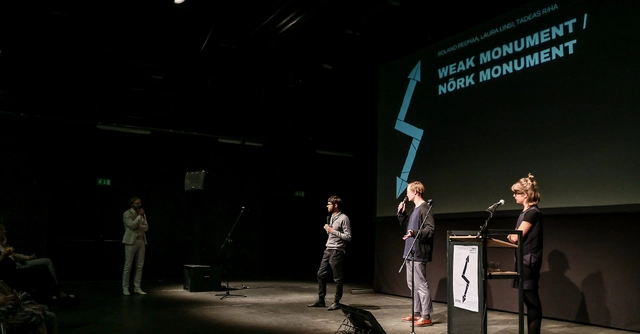
Estonian Pavilion at the 2018 Venice Biennale Will Investigate the Concept of the "Weak Monument"

Following an open competition, the Estonian Architecture Center have announced "Weak Monument" as the theme of the Estonian Pavilion at the 2018 Venice Architecture Biennale. Laura Linsi, Roland Reemaa, and Tadeáš Říha will develop a project which views the "architectural environment as a layered and historically continuous system," focusing the exhibition on "projects from the recent and more distant past."