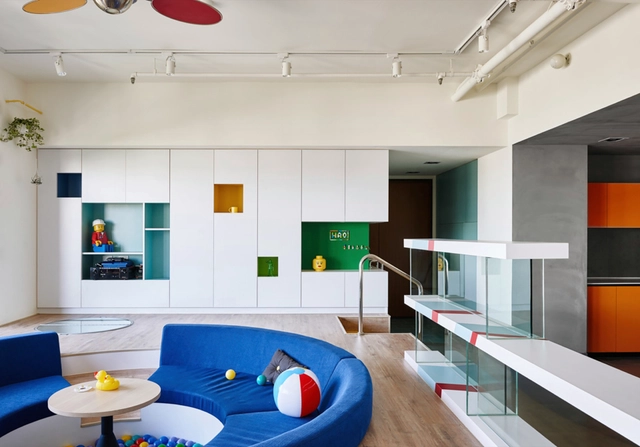
Despite its small size, the island of Taiwan is densely populated, with more than 80% of its people living in urban areas. Available space is often limited, particularly in major cities like Taipei, Taichung, and Kaohsiung. Therefore, designers face the ongoing challenge of creating interiors that feel spacious, functional, and visually appealing despite their sometimes compact footprints. Rather than seeing these limitations as constraints, architects embrace them as opportunities to experiment with smart layouts and multi-functional furniture that enhances livability.
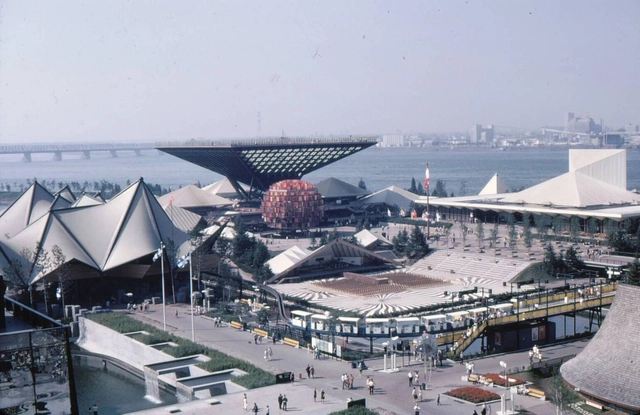
Canada's Expo 67 stands as one of the most successful world expos ever held, setting records and leaving an enduring impact on Montreal's urban landscape. As part of Canada's 100 years celebrations, the event provided an opportunity for the city to showcase its cultural and technological achievements on a global platform. With over 50 million visitors in just six months, it shattered attendance records, including an astonishing 569,500 visitors in a single day. An unprecedented feat for a world fair at the time. Now, 58 years later, and with the Osaka Expo 2025 set to showcase how to design the future society for our lives, it is worth revisiting the legacy of Expo 67 and exploring the urban transformations it brought to Montreal.
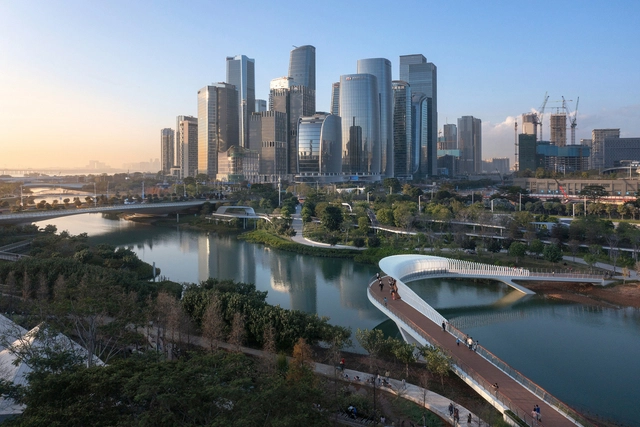
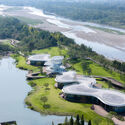
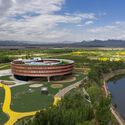
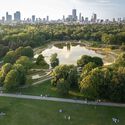
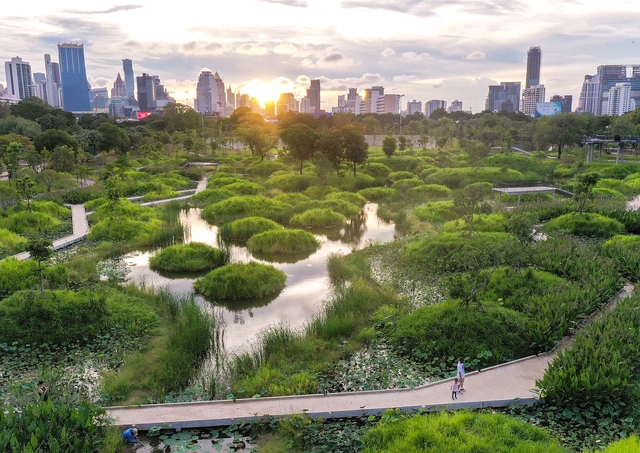
The concept of "sponge cities" has gained prominence since it was introduced by Chinese landscape architect Kongjian Yu, founder of Turenscape, and was officially adopted as a national policy in China in 2013 to combat urban flooding. This approach prioritizes nature-based infrastructure such as wetlands, rain gardens, and permeable pavements, creating landscapes with porous soil where native plants can thrive with minimal maintenance. When it rains, these systems absorb and slow down water flow, reducing flood risks. In contrast, traditional concrete- and pipe-based drainage solutions, though widely used, are costly, rigid, and require frequent maintenance, sometimes even making cities more vulnerable to flooding due to blockages and overflows.
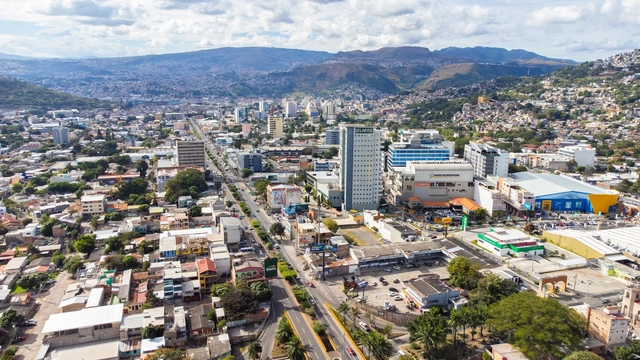
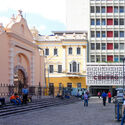
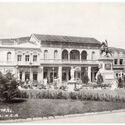
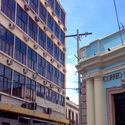
In 1975, Honduras was under a military regime that had been in power for over a decade, led at the time by General Juan Alberto Melgar Castro. During this period, Tegucigalpa underwent several big and unprecedented changes. The influx of people from various parts of the country due to rural migration transformed the city from a compact urban area into an expanding metropolis. This unexpected growth prompted the government to implement a municipal development and planning scheme, a project that would define the city's future and the evolution of its old town. This article was developed with the collaboration of the Honduran architect Lisandro Calderón, who specializes in Urban Planning and is currently a professor at the Central American Technological University (UNITEC), located in Tegucigalpa, Honduras.
2025 promises to be a landmark in architecture, heralding a vibrant renaissance of creativity and exploration. As societies confront challenges such as climate change, rapid urbanization, and technological evolution, architecture is both a mirror to these dynamics and a compass pointing toward a sustainable and inclusive future. This year's architectural calendar offers abundant opportunities to celebrate the discipline's transformative power — from boundary-pushing festivals to thought-provoking exhibitions that explore pressing cultural and environmental narratives.
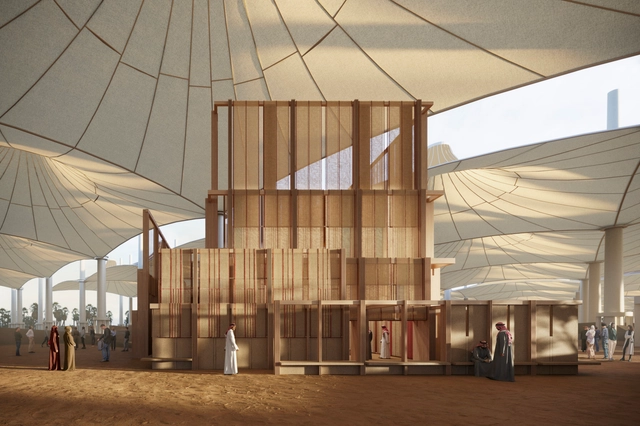
From well-established biennials to inaugural gatherings, including the World Architecture Festival 2025, Desert X Al Ula, and the COP Climate Conference, the 2025 calendar highlights themes such as sustainability, heritage, and community. These events underscore architecture's unique ability to shape a better future, addressing global challenges while honoring cultural diversity and design ingenuity.
The year 2024, following a period of global uncertainty, saw a complex interplay of challenges and advancements. While geopolitical tensions and the lingering effects of past crises remained prominent, a focus shifted towards rebuilding, with communities worldwide seeking local solutions and ways to advance despite the turmoil. The architectural landscape of 2024 saw a growing exploration of new building systems and technologies, often inspired by vernacular solutions. At an urban scale, spaces are reconsidered for their potential to shift towards more pedestrian-friendly activities, more natural areas, and opportunities for community gathering and event organizing.
Discussions around decolonization, the preservation of traditional building techniques, and the integration of local narratives into design continued to gain momentum. The focus was less on singular, iconic structures and more on environmentally responsible and socially conscious projects that addressed the specific needs of communities. Concurrently, new technologies such as AI systems have continued to impact the profession, but are understood more and more not as replacements, but as tools available for architects and designers to improve their processes.
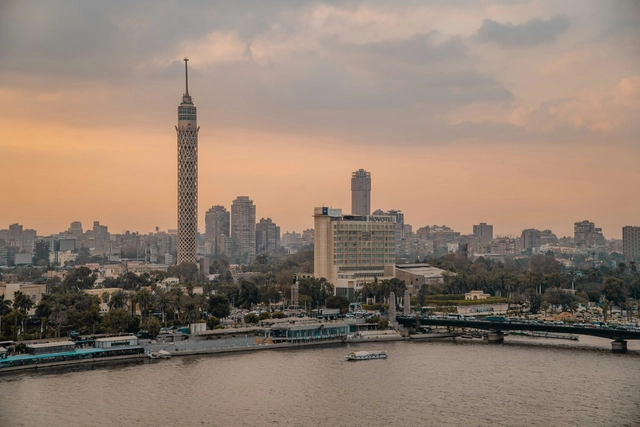
To this day, Cairo has a vibrant history, rich architectural culture, and heritage, which, from an outside perspective, is still the vivid and leading representation of the city. But what is today's Cairo beyond the capital of Egypt, the Nile, the deserts, the bustling streets, the museums, and the archaeological sites and historic buildings? The city has experienced a rapid urban transformation over the past few decades, acquiring a remarkably different character from the one recent and older generations remember from their youth in the streets, neighborhoods, and buildings of the city.
Cairo represents a population growth of 4 million in the 1960s to over 20 million today, while its urban footprint expanded by approximately 400% since the 1960s. The built-up area represents nearly half the metropolitan region, with an annual urban growth rate of 2-4% - much higher than the approximate 1% growth rate typical in countries like Canada, Germany, Japan, Italy, and Sweden. Due to this rapid urbanization, agricultural land now constitutes less than 10% of the total area of Greater Cairo. The city is a constantly evolving mosaic of over 50 distinct neighborhoods, each embodying its own unique identity and demographic composition, contributing to Cairo's diverse urban fabric.
https://www.archdaily.com/1022982/cairo-a-mosaic-of-contrasting-urban-narrativesHadir Al Koshta
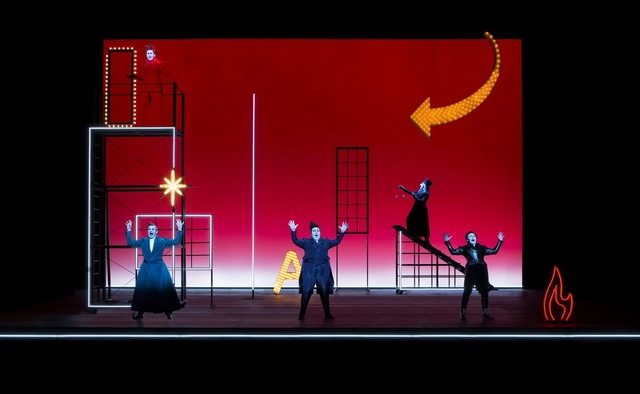
Robert Wilson embodies the roles of director, set designer, scenographer, lighting designer, and architect in a single figure. Internationally celebrated as a pioneer of stage lighting and honored with numerous prestigious awards, including the Golden Lion of the Venice Biennale and the Praemium Imperiale, Wilson, now in his eighties, continues to travel the world, staging remarkable productions. His use of light and color is marked by precision and minimalism, creating scenes that skillfully oscillate between stillness and drama. During rehearsals at the Düsseldorf Schauspielhaus, he elaborates on the interplay between stage and architecture, his creative process, and the profound impact of light on darkness.
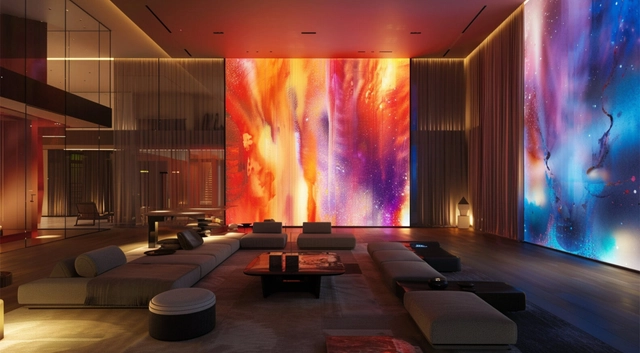
Walls have long been more than mere structural elements; they are canvases that narrate stories, reflecting desires for nature, spirituality, or the pursuit of tranquility and stimulation. With advancements in addressable LED pixels, walls have evolved into immersive digital surfaces capable of displaying any image in large format, adapting to the needs of the moment.
However, while universities continue to train architects and interior designers to create static buildings, the art of meaningful storytelling through digital screens—especially those with dynamics—remains largely unexplored in academic curricula.
It's fundamental that architects know about structures, not only to bring their designs to reality but also to be able to discuss their projects with engineers in order to find the best solutions for construction. Structural pre-dimensioning is crucial to the initial design of the structural components, revealing the restrictions and the possibilities of the spaces.
One of the main loads that a structure must support is its own weight, so it's essential to know this information so that the different parts of the building can be dimensioned. When starting a structural project, the engineer doesn't yet know the dimensions of the different pieces that make up the structure, and therefore, can't know their own weight. A paradox appears without a solution: to know the weight it's necessary to know the dimensions, but, to know the dimensions, it's necessary to know the weight.
During the development of the project the architect finds himself in the curious situation of having to design without necessarily knowing the size of each of the parts of the building (such as the size of the pillars, for example). These important elements directly affect functionality and aesthetics of the project.
https://www.archdaily.com/891880/learn-to-pre-dimension-a-reinforced-concrete-structureJoão Carlos Souza
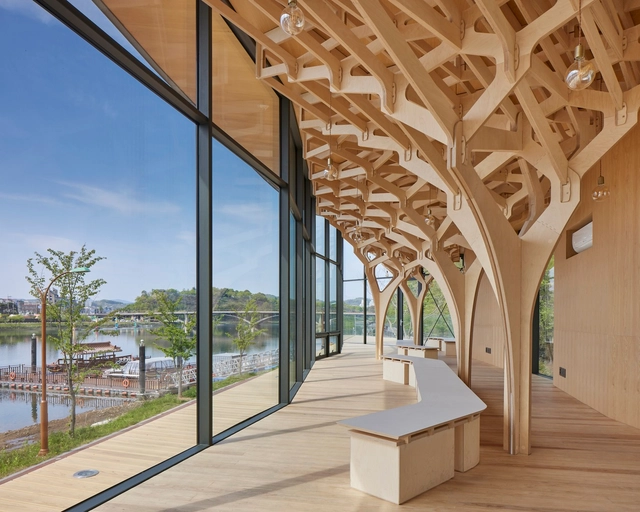
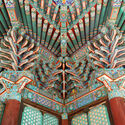
By imagining an alternative reality and rediscovering his cultural background, architect Jae Kyung Kim of JK-AR established his identity as an architect when creating his practice, selected as one of ArchDaily’s New Practices 2023. After studying and working in South Korea and the US, he’d noticed an absence of traditional Asian architecture, which had peaked his interest. He began to thoroughly look at a possibility where the traditional timber buildings of East Asia had still been relevant and continued to evolve.
Modernity and globalization have significantly reduced geographical distances, transformed social interactions, and accelerated the flow of information across nations, which has, in a sense, made the world more accessible to people everywhere. However, it's important to note that when we say "everyone," we refer to a vast and diverse population. Modernity and globalization had an impact on noticeable inequalities in both social and technological realms, as more advanced and privileged nations have established benchmarks and norms for leisure, culture, and consumption. As a result, certain cultures have established a dominant influence, promoting the notion that there is a "correct" way to live and build cities. This unchecked pursuit of development comes at a significant cost to the Earth's ecosystems and biomes.
From the famous Kitchen Debate between Nikita Khrushchev and Richard Nixon to the popularity of Henry Ford within the USSR, the hundreds of factories designed by Detroit engineer Albert Kahn for Soviet Russia, and skyscrapers erected in Moscow, the Cold War had a peculiar side to it, that is the Russian fascination with American culture and technology.
This summer the federal government released an astonishing statistic: 87% of American homes are now equipped with air conditioning. Since the world is getting undeniably warmer, I suppose this isn’t all that surprising, but keep in mind that robust number of mechanically cooled homes include residences in some fairly temperate climates. So my question is a simple one: When did air conditioning in the U.S. became a requirement, rather than an add-on?
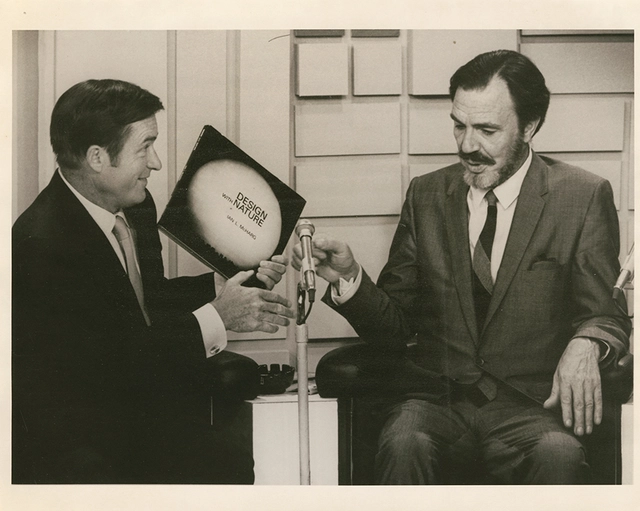
McHarg promoting his book in 1969. Image Courtesy of the Architectural Archives, University of Pennsylvania
Fifty years have passed since the publication of influential landscape architect Ian McHarg’s book, Design With Nature in 1969. Throughout the United States, an environmental movement was taking place, into the center of which McHarg’s book was thrust. The 1970s and ‘80s were a time of much landmark legislation surrounding ecological concerns, and McHarg argued that landscape architecture alone was able to integrate all the disparate fields involved.
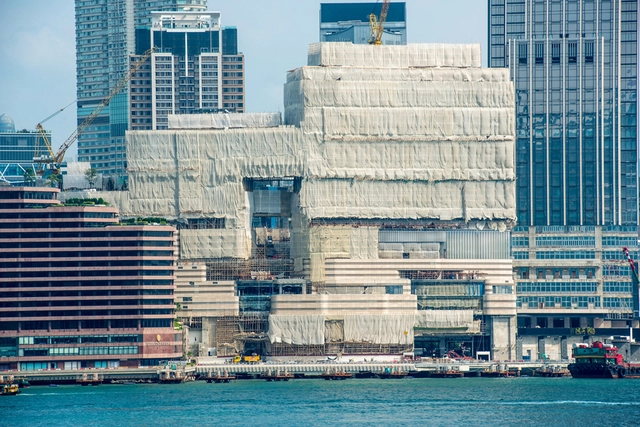
CTF Museum under construction within the existing KPF development. Image Courtesy of SO-IL
As a firm which has already won major awards, worked on culturally significant projects on a large scale, and generally achieved substantial success and recognition in just over 10 years, SO-IL seem to straddle a line between being an “emerging” and an “established” practice. Florian Idenburg and Jing Liu founded SO-IL (Solid Objectives-Idenburg Liu) in 2008 and have since gained a reputation for modern, clean-lined designs, but often with a unique material twist.
Innovation and technology are often presented as inextricably linked ideas. Yet, when it comes to solving today’s urban problems, technology does not always represent the best way forward.
Innovation instead should come from a thorough understanding of the city’s functions and processes, including its municipal government and other local organizations. Technology can help, yes, but cannot be used as a panacea.