After being shut down for more than a year, museums across the world are beginning to show signs of reopening. Most architecture and design events that were scheduled for 2020 have been pushed a year or two, depending on the severity of the pandemic in their respective regions. But while museums are open to the public once again, administrators have installed numerous precaution measures to ensure the safety of visitors and curators, and to avoid potential re-closures.
As international travels have been revived by government officials, and tourism is expected to recover gradually, read on to discover 18 museums and exhibitions that have begun welcoming visitors into their exhibition spaces as of May 2021, and the procedures required from the attendees before and during visitations.
"Is a museum defined by its collection? Or by its architecture? In The Art Museum in Modern Times, Charles Saumarez Smith suggests it is both and still something more". Lauren McQuistion, an architectural designer and Ph.D. Candidate in the Constructed Environment at the University of Virginia School of Architecture discusses in her Architect's Newspaper piece, Saumarez's book, exploring the notion of a modern museum.
When we are discussing the definition of “structure”, the term varies within different disciplines. In the context of the built environment, "structure" refers to anything that is constructed or built from different interrelated parts with a fixed location on the ground.
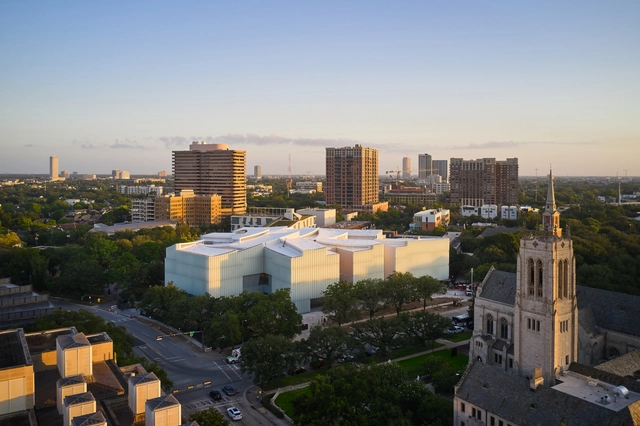
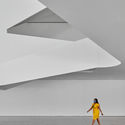
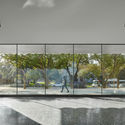
Designed by Steven Holl Architects, the third gallery building on the MFAH Susan and Fayez S. Sarofim Campus, the Nancy and Rich Kinder Building will open to the public on Saturday, November 21, 2020. Dedicated to the Museum’s international collections of modern and contemporary art, the newest addition will exhibit a wide range of works, ranging from painting and sculpture to craft and design, video, and immersive installations.
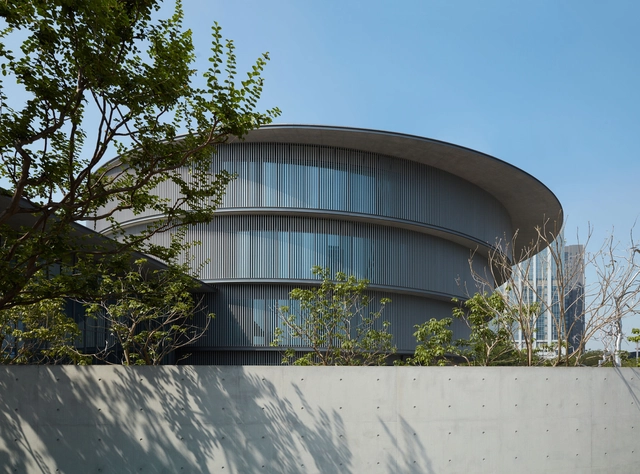
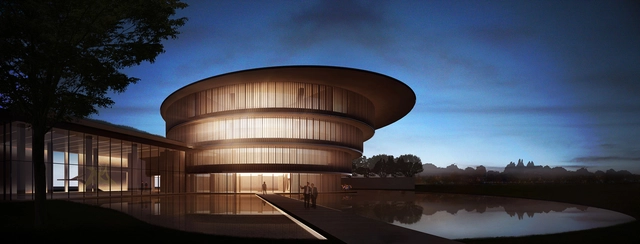
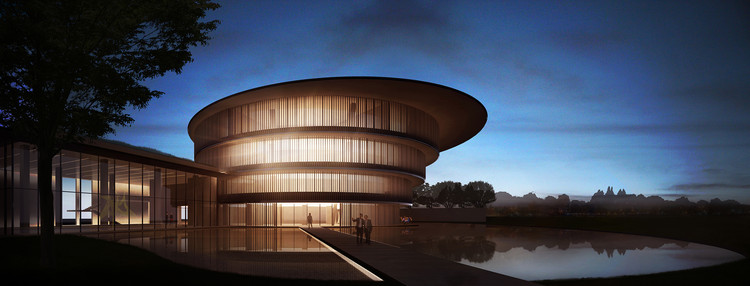
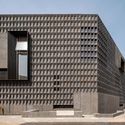
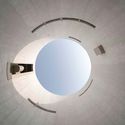
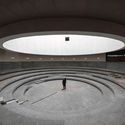
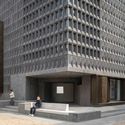
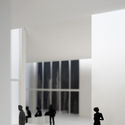
The He Art Museum will finally open to the public on October 1st, after delays due to the coronavirus pandemic. Designed by Pritzker Prize laureate Tadao Ando, the museum located in Guangdong, China will be home to the He family’s art collection, focusing mainly on International Contemporary Art, Chinese Modern Art, and Chinese Contemporary Art.
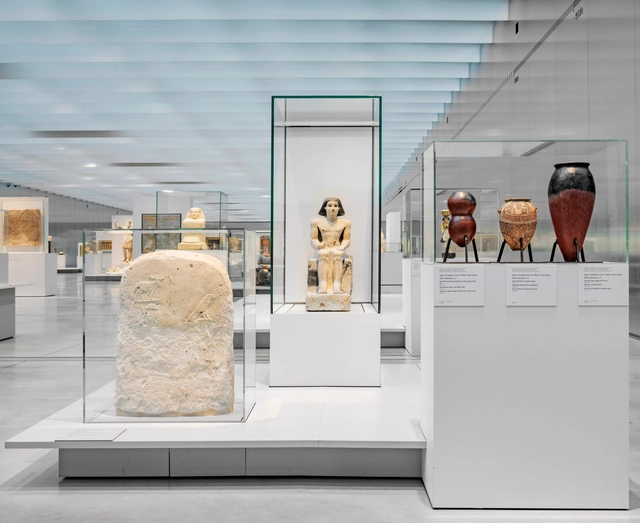
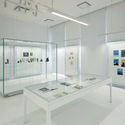
Museums are complex organizations: curators, exhibition designers, conservationists, editors, and marketers have to work together to ensure that artworks in galleries and exhibitions are properly displayed to the public. Instrumental to this process is the use of effective display cases, which must both protect the art and highlight it aesthetically. Below, we delineate some of these visual and practical considerations with photographic examples from Goppion, giving some indication how one should choose which display cases to use.
Tadao Ando Architect & Associates revealed the design for He Art Museum (HEM), the first art museum dedicated to southern China’s regional Lingnan culture. Scheduled for opening on the 21st of March 2020, with an inaugural exhibition curated by Feng Boyi, entitled From The Mundane World, the Tadao Ando-designed museum will become a gateway for the arts.
With no shortage of historical buildings in need of expansion or repurposing, alterations of older architecture via contemporary interventions have flourished in the past four decades – particularly in service of new or growing art museums. These spaces represent the resilience of our historical legacy through contemporary times, demonstrating that the combination even of two vastly different architectural styles can be both beautiful and impressive. Here are ten of the best examples of contemporary interventions on historical buildings in art museums around the world.
https://www.archdaily.com/920474/10-historical-museum-buildings-with-contemporary-interventionsLilly Cao
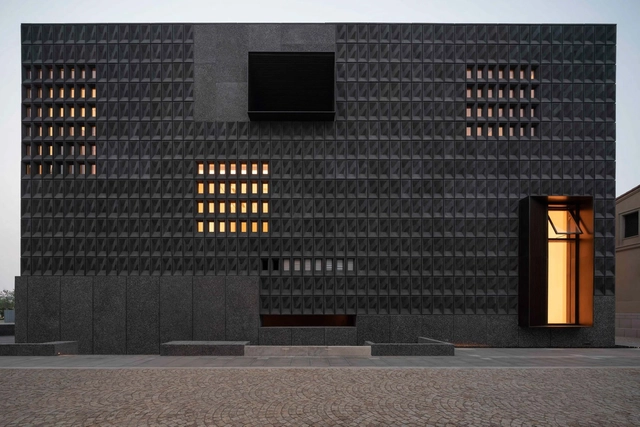
The Aranya Art Center in Qinhuangdao, China has been completed, designed by Neri&Hu. Situated in a seaside environment, the scheme was designed to evoke notions of space for art versus communal space. Despite the straightforward brief for the art center, the scheme reaches further to become a communal space for residents in the deeply spiritual community.
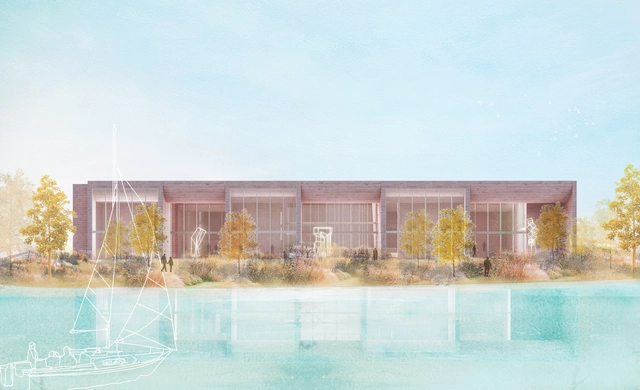
Reacting to the influx of gargantuan, iconic museum buildings produced by China’s recent “museum boom,” MORE Architecture aimed to create an intricate, experiential space with their design for Ginkgo Gallery. The gallery, construction on which has now begun, was conceived as a humble merging of art and nature, part of a network of private museums in the Yangtze River Delta. Ginkgo Gallery also houses an auditorium and workshop space in an effort to make art a part of public life and educate children in contemporary art.
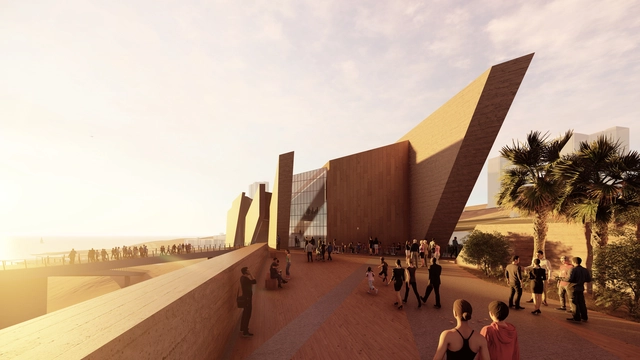
“The Dragon of Tarapacá,” a new project for Museo Antropológico Regional de Iquique (Regional Museum of Iquique) that will overlook Playa Huayquique, is moving forward with the design presented by Daniel Libeskind. The proposal comes after extensive work that began in December of last year, when the American-born architect visited Chile to familiarize himself with the the project, originally proposed by Mauricio Soria Macchiavello, the local mayor.
The first inklings of the project started almost 30 years ago, as the city sought to optimize the spaces along the coastline, allowing residents better access to the sea and optimizing the community's public spaces.
https://www.archdaily.com/913588/daniel-libeskind-to-design-the-regional-museum-of-iquique-in-northern-chileArchDaily Team
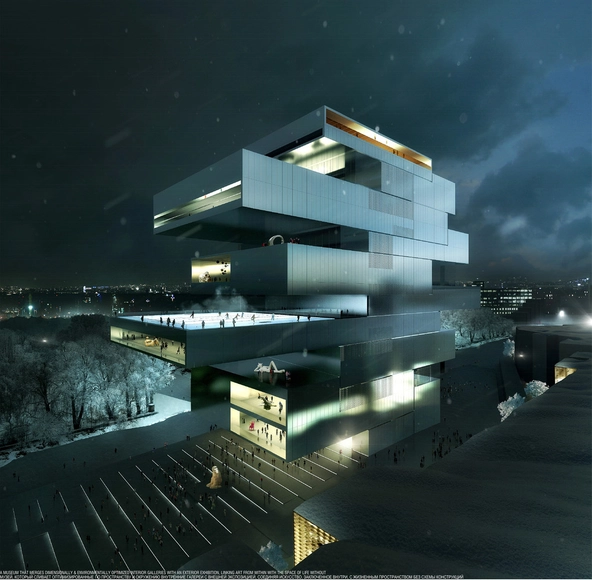
Speaking to the Art Newspaper Russia, the head of the NCCA Sergey Perov confirmed that the project has been officially scrapped due to lack of funding.
https://www.archdaily.com/902678/heneghan-pengs-moscow-contemporary-arts-center-scrapped-due-to-funding-shortageNiall Patrick Walsh
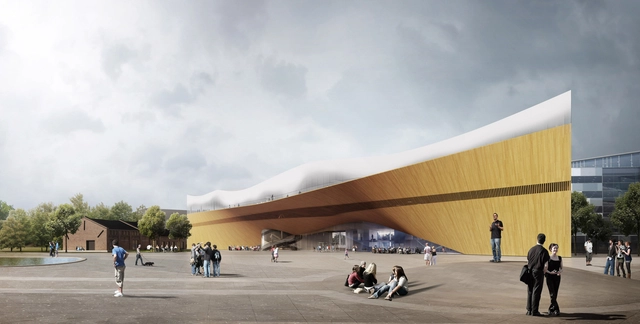
The Helsinki Central Library Oodi. Image Courtesy of ALA Architects
The Helsinki Central Library Oodi, designed by ALA Architects, is nearing completion in Finland. Due to open its doors on December 3rd 2018, the library is situated in the cultural district of Töölönlahti, where it will sit as a ”powerful and iconic temporary design” among other architectural landmarks.
Situated across from the Finnish Parliament House, the scheme represents an interaction between the state and its citizens, “a new avenue to promote freedom of speech and democracy.”
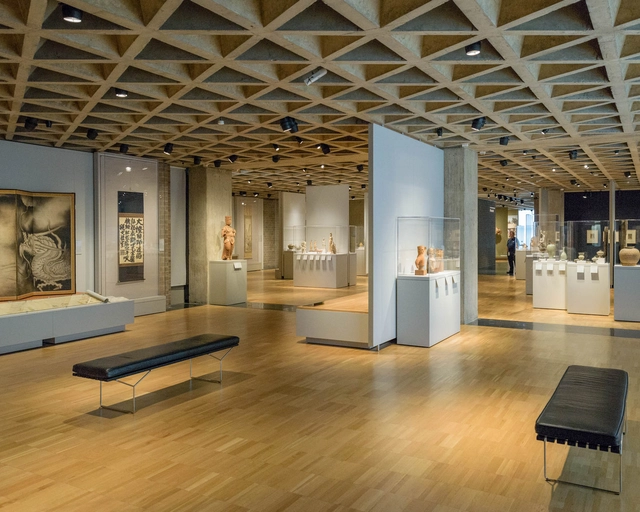
Yale University’s School of Architecture was in the midst of pedagogical upheaval when Louis Kahn joined the faculty in 1947. With skyscraper architect George Howe as dean and modernists like Kahn, Philip Johnson, and Josef Albers as lecturers, the post-war years at Yale trended away from the school’s Beaux-Arts lineage towards the avant-garde. And so, when the consolidation of the university’s art, architecture, and art history departments in 1950 demanded a new building, a modernist structure was the natural choice to concretize an instructional and stylistic departure from historicism.[1] Completed in 1953, Louis Kahn’s Yale University Art Gallery building would provide flexible gallery, classroom, and office space for the changing school; at the same time, Kahn’s first significant commission signaled a breakthrough in his own architectural career—a career now among the most celebrated of the second half of the twentieth century.
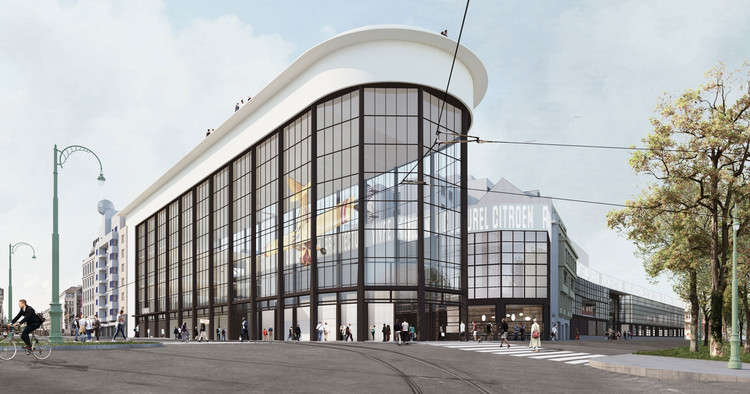
A team comprising noAarchitecten, EM2N, and Sergison Bates has won a design competition for the transformation of a former Citroën factory in Brussels into a cultural hub, merging a Museum of Contemporary Art, architecture center, and public amenities under the name “KANAL – Centre Pompidou.” The architects’ vision was for a scheme which reflects on the role of the twenty-first-century museum in society, one which opens out towards the city to entice the general public.
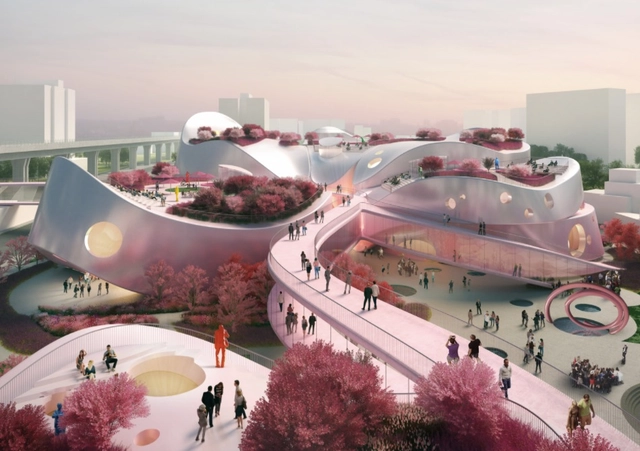
Throughout the design process, MVRDV drew inspiration from the natural world, recognizing the potential for public spaces in the rapidly-expanding Taoyuan City to blur the boundaries between the built and natural environment.
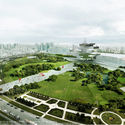
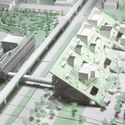
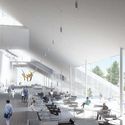
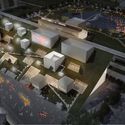
Riken Yamamoto & Field Shop has released images of the proposed TaoyuanMuseum of Art in Taiwan, having won an international competition for the scheme’s design in 2018. Acting as a symbolic gateway to the heart of the city, the architect’s vision was for a hub where every visit leads to new discoveries and experiences.
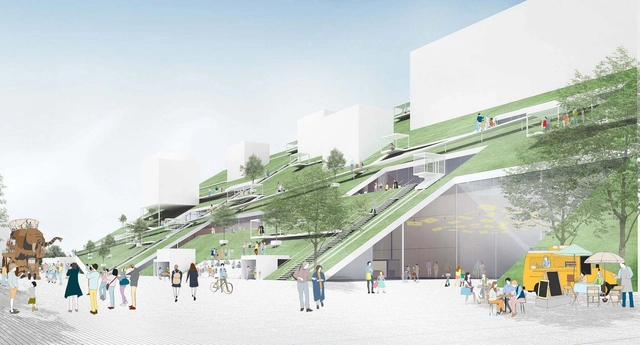
Named “The Hill,” the competition-winning scheme is defined by a sloping green roof, hosting artwork, pavilions, trees, and an outdoor theater. Beneath the roof, a structure named “The Cube” contains permanent exhibitions and collections, and establishes a link between the museum and Blue Pond Park beyond.