1. ArchDaily
  2. Architecture Representation

Architecture Representation: The Latest Architecture and News

How Real-Time Tools Are Transforming Architectural Practice

 | In Collaboration

Architecture has always depended on systems of representation to make ideas visible before they exist. But where Filippo Brunelleschi's fifteenth-century linear perspective once organized space according to human perception, today's architects face an unprecedented saturation of imagery. AI generates atmospheres in seconds, and projects circulate continuously long before construction begins. But the abundance of images does not necessarily produce greater clarity and as architectural workflows become faster and more fragmented, visuals sometimes circulate detached from the decisions, constraints, and intentions that generated them. The real value of modern visualization is no longer just about rendering a final image—it is about how design and visual communication are understood collectively throughout the entire process.

How Television Narratives Shape Urban Imaginaries

Subscriber Access | 

Cities are not just inert landscapes or lifeless settings; they play active and significant roles in shaping numerous television narratives. Whether in series or soap operas, urban environments play a fundamental role not only as the backdrop where plots unfold but also in shaping the developments of storylines, their creations, guidelines, and contexts. While, on the one hand, cities and their urban cultures contribute to the composition of various small screen plots, on the other hand, television programs can also help shape a certain idealized imagination about these urban spaces, generating unrealistic expectations and perpetuating a series of stereotypes about the represented cities.

How Television Narratives Shape Urban Imaginaries - Image 1 of 4How Television Narratives Shape Urban Imaginaries - Image 2 of 4How Television Narratives Shape Urban Imaginaries - Image 3 of 4How Television Narratives Shape Urban Imaginaries - Image 4 of 4How Television Narratives Shape Urban Imaginaries - More Images+ 2

Between Commercial and Real: Reflections on Architectural Representation

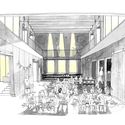
Architecture uses drawings as a form of communication. Whether to represent ideas, communicate spaces and their ambiences or even technically understand constructive issues, there are many types of drawings and tools used to make them. It is up to the architects to find, within their knowledge, preferences and goals, the best way to communicate. If, on the one hand, the work drawings are more technical, rigid and standardized, so that they can be used for constructive execution, those used to understand the project by the client are usually freer and have greater visual appeal. It is within this aesthetic freedom that we question: how far can we go with these representations without confusing people?

Between Commercial and Real: Reflections on Architectural Representation - Image 1 of 4Between Commercial and Real: Reflections on Architectural Representation - Image 2 of 4Between Commercial and Real: Reflections on Architectural Representation - Image 3 of 4Between Commercial and Real: Reflections on Architectural Representation - Image 5 of 4Between Commercial and Real: Reflections on Architectural Representation - More Images+ 1

From Representation to Reality: 19 Projects that Rethink Representation Techniques

From Representation to Reality: 19 Projects that Rethink Representation Techniques - Films & Architecture
© José Hevia

Graphics, even before language and writing, were the first means of communication and significance for humanity. Drawing is the act of replacing reality with representation, that is, replacing objects with images encoded in each of the graphic representation systems.

In architecture, graphics stimulate the imagination and are the basis of project thinking since they do not only constitute our code of communication but configure our ability to express ourselves in disciplinary terms. In fact, at first, the drawing is constructed in the mind of the architect, before it looks for support from any type of instrument.

From Representation to Reality: 19 Projects that Rethink Representation Techniques - Films & ArchitectureFrom Representation to Reality: 19 Projects that Rethink Representation Techniques - Films & ArchitectureFrom Representation to Reality: 19 Projects that Rethink Representation Techniques - Films & ArchitectureFrom Representation to Reality: 19 Projects that Rethink Representation Techniques - Films & ArchitectureFrom Representation to Reality: 19 Projects that Rethink Representation Techniques - More Images+ 35

Rendering Styles: Different Techniques and How to Achieve Them

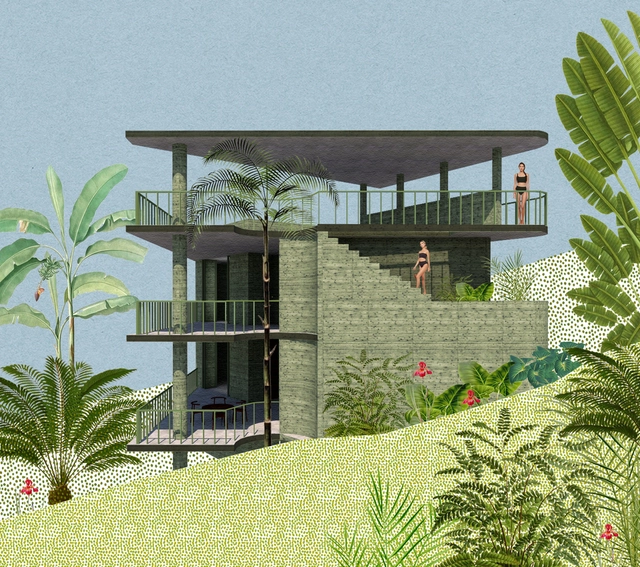
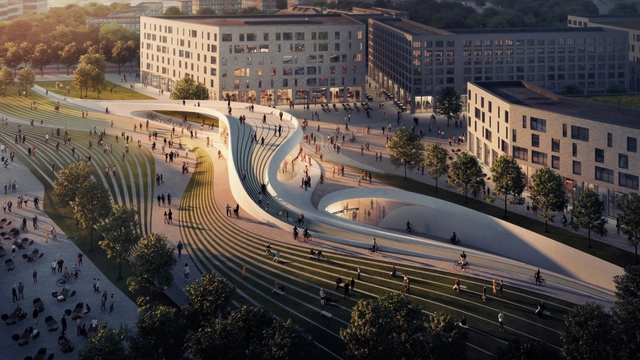
Renders are representations that can convey the three-dimensional aspect of a design through two-dimensional media, i.e., an image, providing a preview of how the project will look in the future. However, unlike what people often imagine, rendering is not always a realistic visualization of architecture.

Since it is a tool for visual communication, renderings can have different styles depending not only on the project itself but also on the specific targeted audience and, above all, on the identity of the architect or architectural firm responsible for the design.

Rendering Styles: Different Techniques and How to Achieve Them - Image 3 of 4Rendering Styles: Different Techniques and How to Achieve Them - Image 5 of 4Rendering Styles: Different Techniques and How to Achieve Them - Image 8 of 4Rendering Styles: Different Techniques and How to Achieve Them - Image 9 of 4Rendering Styles: Different Techniques and How to Achieve Them - More Images+ 7

Representation of the Human Scale in 20 Architectural Sections

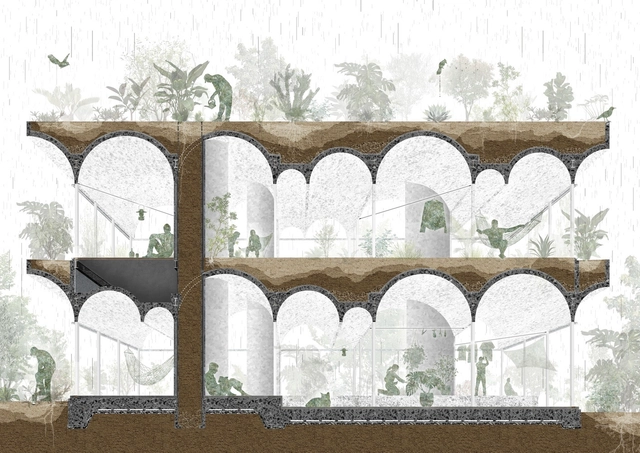
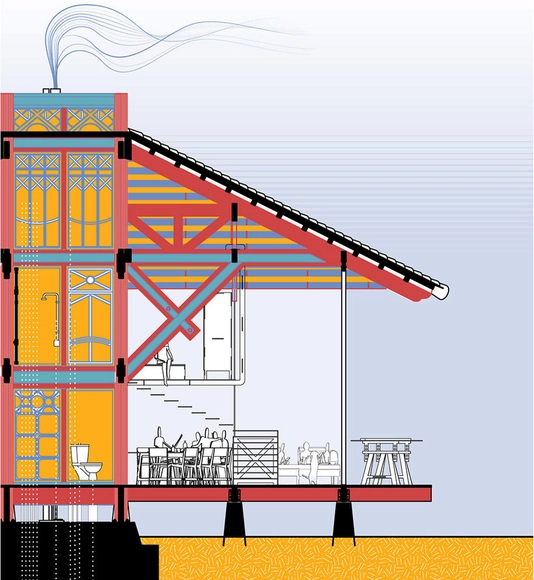
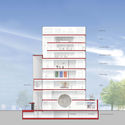
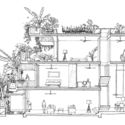
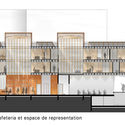
Rendered floor plans and sections are a kind of translation of technical construction drawings into a language more accessible to people who are not familiar with architectural design. In other words, they are responsible for introducing the human scale to the project, not only through the human figure but also by displaying furniture, textures, and other aspects of architecture that are more realistic and humanizing, making the representation more understandable.

Representation of the Human Scale in 20 Architectural Sections - Image 3 of 4Representation of the Human Scale in 20 Architectural Sections - Image 9 of 4Representation of the Human Scale in 20 Architectural Sections - Image 19 of 4Representation of the Human Scale in 20 Architectural Sections - Image 20 of 4Representation of the Human Scale in 20 Architectural Sections - More Images+ 16

12 Post-Production Tutorials to Dramatically Improve Your Renders

In an era of great marketing efforts, in which architectural ideas increasingly seem to focus on hyper-realistic representation in an attempt to convince clients (or the jury in the case of architectural competitions) that the upcoming construction will achieve just as much quality as the visual fantasy, renderings become highly important in a project's presentation.

Because of this, every year there are new updates, as well as the launching of new software specialized in renderings, tools capable of achieving such impressive results that may lead to images being mistaken for photographs, thus blending the unreal with the notion of ultra-reality.

Tutorials for Post Production Editing of Architecture Drawings in Photoshop

Subscriber Access | 

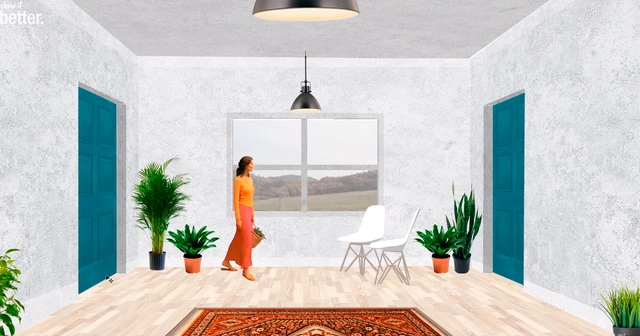
If you are trying to approach the representation of architecture through postproduction in Photoshop, the YouTube channel Show It Better can be very useful. The following tutorials allow you to maximize the effectiveness of photoshop by providing both technical and visual tips.

Here we have selected examples that address axonometric representation, plans, sections, elevations, diagrams, and others.

We hope you enjoy the following tutorials. What other kinds of drawing tips would you like to see?