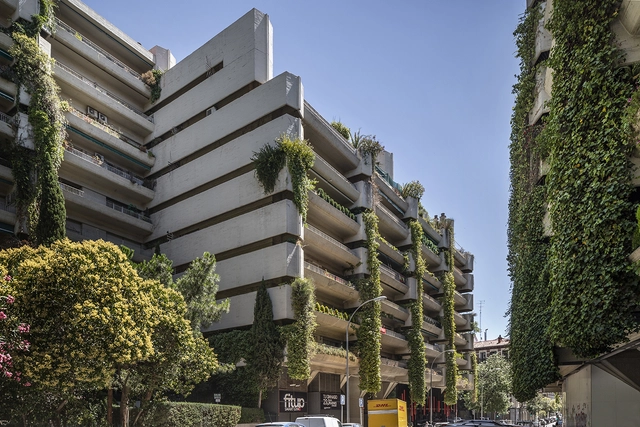
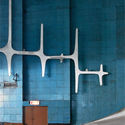
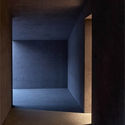
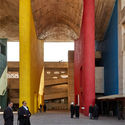
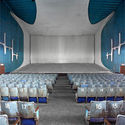
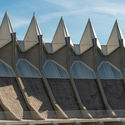
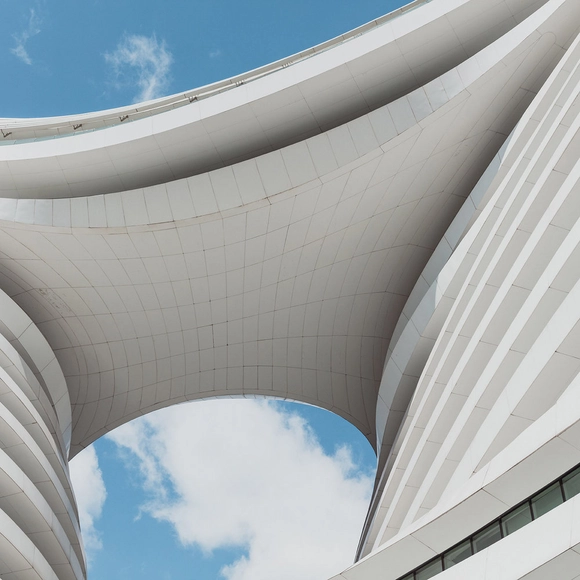
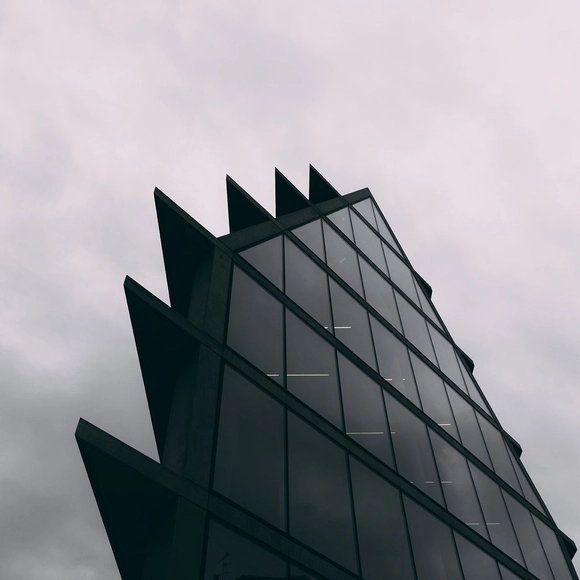
The city of Madrid can be viewed as a place that is representative of all the architectural styles found on the European continent. 16th-century Renaissance buildings and 18th-century Baroque buildings all co-exist in harmony with more modern architectural styles such as Art Deco or the expressive contemporary architecture of recent years. Iconic contemporary architecture firms such as Herzog & de Meuron and Rogers Stirk Harbour + Partners, with projects such as the BBVA Headquarters and Madrid-Barajas Airport Terminal, have all played a part in defining Madrid’s architectural character too, making for a city with highly varied and distinct streetscapes.
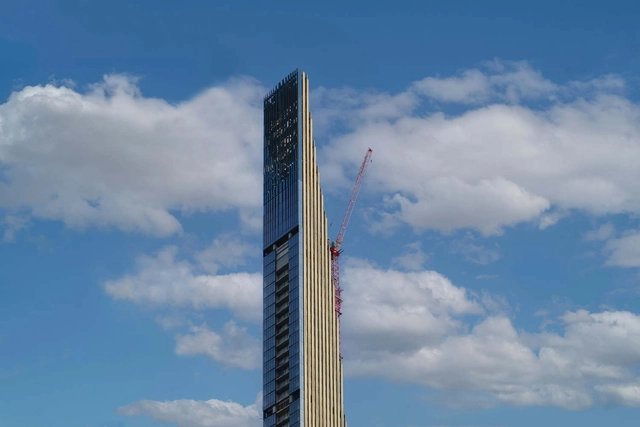
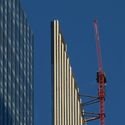
Paul Clemence has released a new series of images, showcasing the on-going construction works on 111 West 57th, designed by SHoP. Located in New York, the residential tower is set to become the second-tallest building in the city by roof height, and the most slender tall building in the world, once completed.
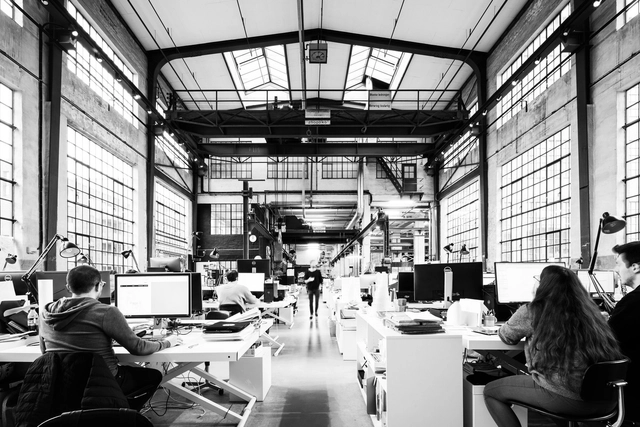
Seeking to give insights into the architectural creative centers of the world, Rainer Taepper created an architectural book that doesn’t feature buildings and plans. Looking behind the scenes, the architecture photographer highlighted both the working spaces of international design firms and the creative people, who contribute to the conception of a building.
Skyler Dahan, an LA-based photographer, has captured Frank Lloyd Wright's Civic Center, in Marin County. Shot on Kodak Portra film with a Contax 645 medium format camera, the series of images highlight Frank Lloyd Wright's latest commission. Serving as a justice hall, the project was actually completed by Wright's protégé Aaron Green after the architect’s death.
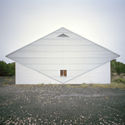
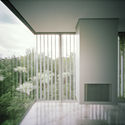
In documenting the body of work of Miró Rivera Architects, Belgian photographer Sebastian Schutyser employs a photographic technique never before used for the presentation of contemporary architecture. The soft, pictorial imagery produced with a pinhole camera perfectly showcases the dialogue between architecture and landscape which underlines the studio’s designs.
In the introduction of Cities for People, Jan Gehl stated clearly that most cities have neglected the human aspect when planning the built space. While technologies have allowed us to build large, our focus shifted from creating architecture for humans to erecting structures that look like they are meant for a different kind of species. Top-down urban planning decisions have ignored scales adapted to the senses and organic growth, and new ideologies prioritized speed, functionality, and profitability.
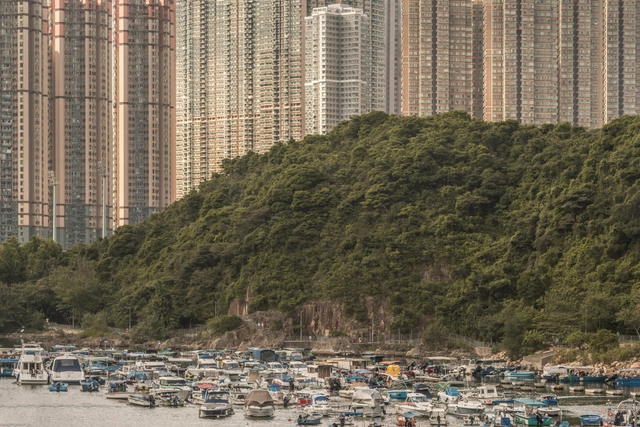
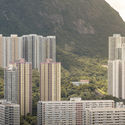
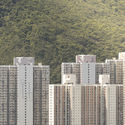
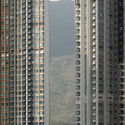
Dictating our city experience, scale, this major spatial component related to the human dimension, stimulates our senses, and influences our well-being. In this article, we lay down historical changes and underline scientific facts to highlight how scale can impact our daily city life, guided by Eden of the Orient, a series of photos by Belgian photographer Kris Provoost, portraying a battle of scale in Hong Kong.
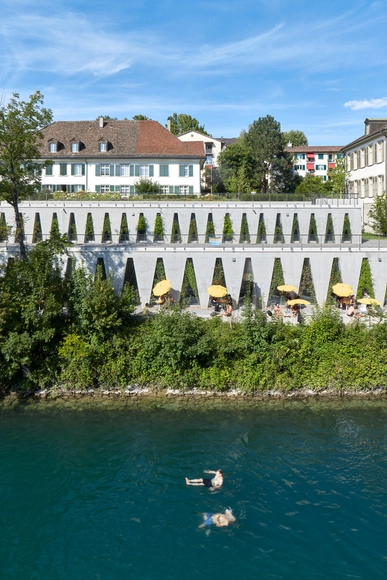
Federico Covre’s latest series of photographs showcases two of Barozzi Veiga's projects in Switzerland, the Tanzhaus Zürich Cultural Center, and the Cantonal Museum of Fine Arts. The Italian architectural photographer based in Italy and Sweden, who “seeks to achieve a balance between conceptual rigor and functionality” through his images, has captured both projects after a year of their completion.
Lesley MacGregor_HM architecture_Dark in Light. Image Courtesy of International Photography Awards 2020
The International Photography Awards has announced the winners of its 2020 photography competition. Showcasing some of the most outstanding photographic work from around the globe, this year’s contest gathered a total of 13,000 entries from 120 countries. Discover the selection of winners and honorable mentions from the architecture sub-categories: fine art, cityscapes, bridges, buildings, interior, historic, industrial, abstract, and other.
Situated on the Mediterranean port of Agde, France, the eclectic Laurens castle holds a history as rich as its architecture. Emmanuel Laurens, owner and architect of the villa, gathered inspiration from countries all over the world to create his masterpiece. Photographer Romain Veillon visited the castle ahead of its renovation and captured the architectural collages present inside it.
Halloween is a holiday that centers on space and ritual. Most likely originating from Celtic harvest festivals, Halloween is tied to processions like trick-or-treating, as well as history and spatial stories. The holiday celebrates imagined settings, characters, and events. In similar celebrations like Mexico's Día de Muertos, people gather in unlikely places; cemeteries and graveyards become the backdrops to picnics and celebrations. There, families offer flowers and food to deceased relatives as they celebrate history and the lives of loved ones.
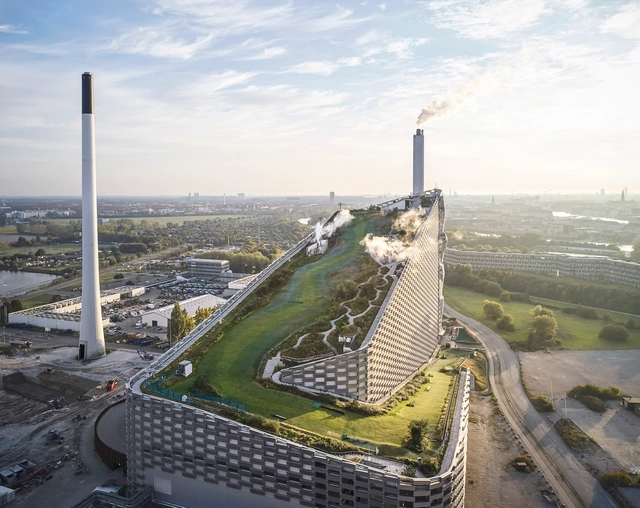
Hufton+Crow has unveiled its latest series of images, capturing Denmark's recent and inventive projects, completed between 2018 and 2019. The photographs showcase CopenHill Energy Plant and Urban Recreation Center by BIG, along with Tingbjerg Library and Culture House and Køge Nord Station, both designed by COBE.
During the COVID-19 pandemic, due to the lack of exhibitions and commissions, artists around the world started to struggle. The Artist Support Pledge, an initiative born in March of 2020 in response to this global crisis, seeks to support creative individuals, including architectural photographers. Founded by artist Matthew Burrows, the global movement connects communities in order to ensure “an equitable and sustainable economy for artists and makers of all countries, media, and ethnicities”.
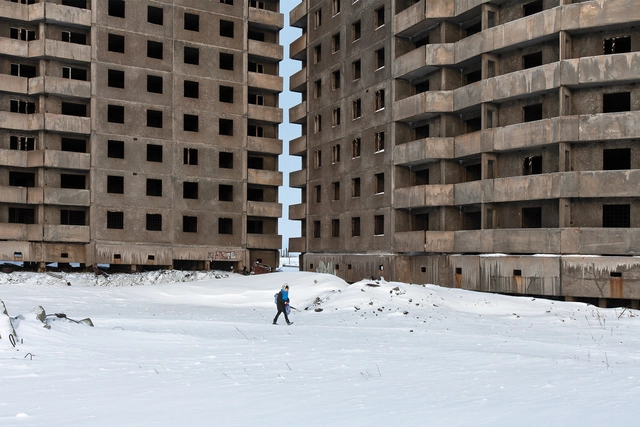
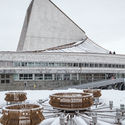
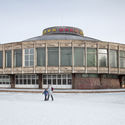
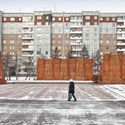
Over the past few years, a series of exhibitions and monographs have prompted a rediscovery of socialist modernism, its powerful expression and exoticism stirring significant interest. The recently published photo book Concrete Siberia. Soviet Landscapes of the Far North by Zupagrafika casts a new light on this relatively unexplored chapter of architecture history by showcasing the Soviet architecture of Siberia's major cities while providing an insight into a little-known landscape. The book presents the architecture and urban environment of six Siberian cities: Novosibirsk, Omsk, Krasnoyarsk, Norilsk, Irkutsk and Yakutsk, through the lens of Russian photographer Alexander Veryovkin, bringing about a new-found perspective on post-war architecture.
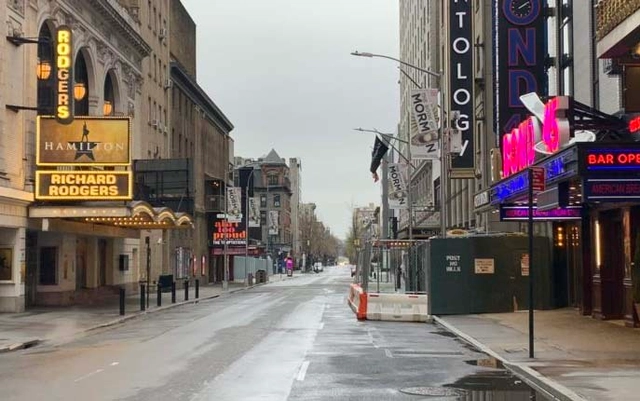
New York City: locked down, empty. It was heartbreaking, of course, but it was also beautiful. For artist Edgar Jerins, that revelation was something of a surprise. Who knew this bustling, chaotic, dirty, vibrant, profane, amazing city could look so … gorgeous when stripped of people and activity? For years, Jerins rode the subway to his studio near Times Square. When news of the spreading pandemic first surfaced—more as a vague, undefined threat, initially—he fled out of fear to the bus, and then, after the severity of the event became apparent and the lockdown began, he borrowed his daughter’s bicycle.
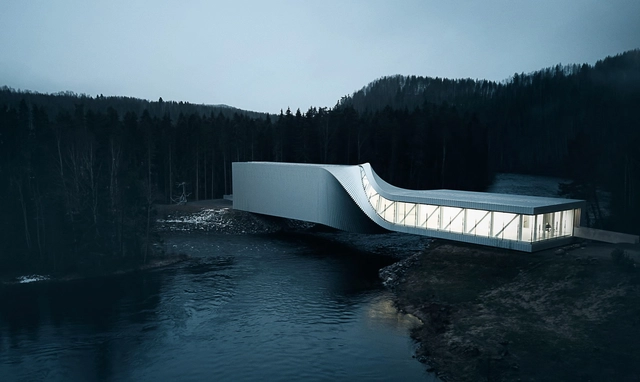
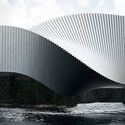
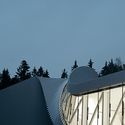
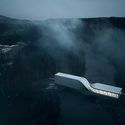
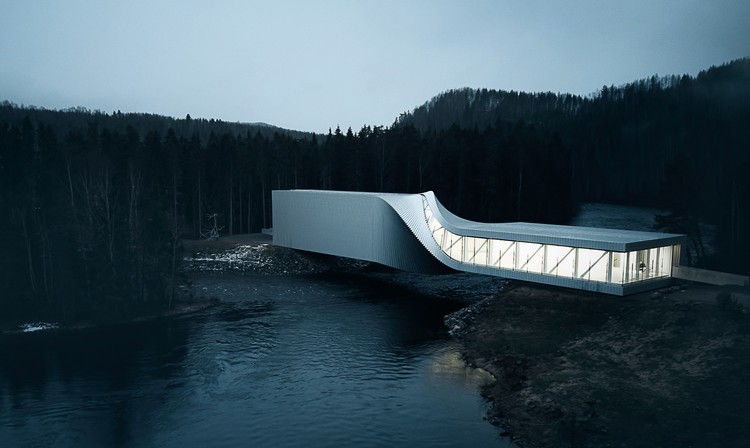
The new Twist Museum by Bjarke Ingels Group is open in Norway. Traversing the winding Randselva river, the inhabitable bridge is torqued at its center, forming a new journey and art piece within the Kistefos Sculpture Park in Jevnaker. The project was recently captured through a series of images by photographer Jacob Due. The photos explore the museum's formal approach and place the design in its larger natural context.
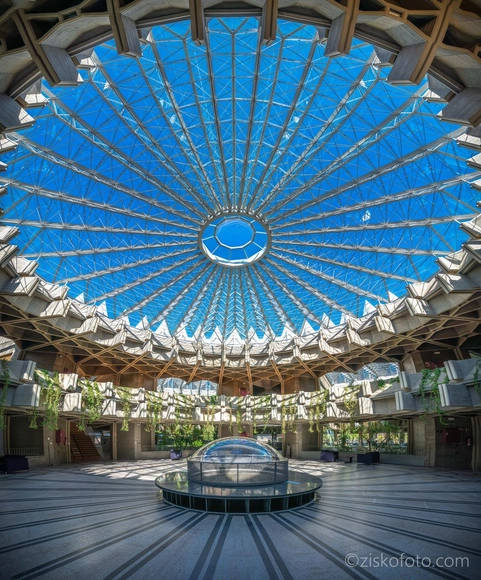
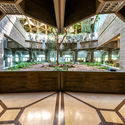
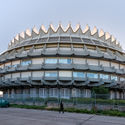
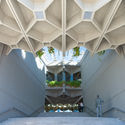
Madrid-based architectural photographer Zisko Gómez captures the recently-growing interest in Spanish architect Fernando Higueras with his photo series of Higueras’ “La Corona de Espinas,” or “The Crown of Thorns.” The building is currently headquarters to the Spanish Cultural Heritage Institute and contemporary art foundation ICO recently organized an exhibition in Madrid of Higueras’ work.