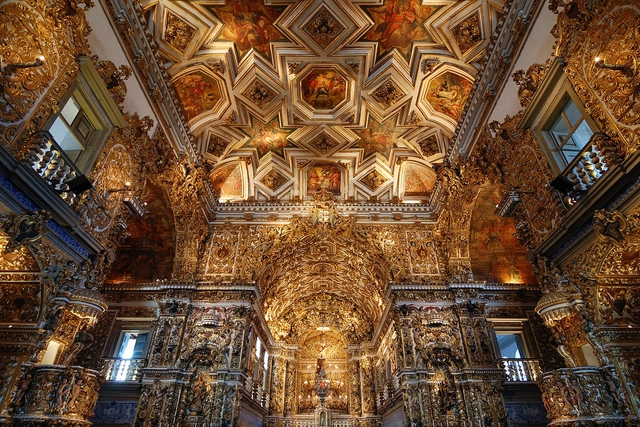
In the study of architectural history, one noticeable pattern is the apparent oscillation between different styles and languages. When a more restrained trend dominates, the subsequent one often reverts to more ornate motifs, and vice versa. It's crucial to acknowledge that this perceived 'flow' is only an impression; historical reality is invariably more intricate than records suggest, and the dominance of one style over another is an interpretation made by historians looking back from a future perspective. The Baroque style is a notable example of this phenomenon.
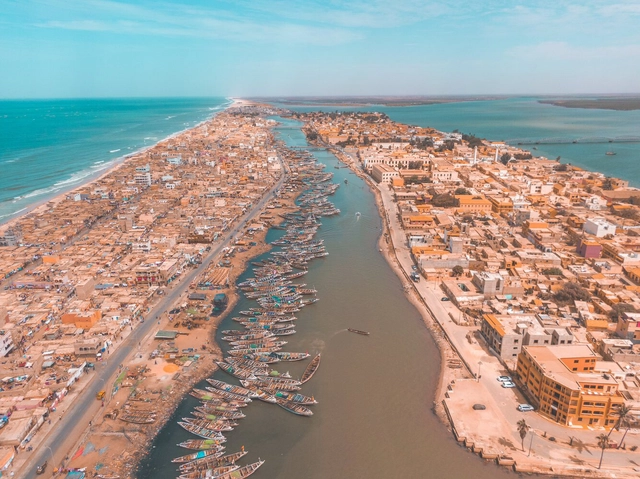
Located 270km north of Dakar, the capital of Senegal, and near the border with Mauritania, is the Island of Saint-Louis. It is a prominent colonial city in West Africa, known for its blend of Mediterranean architecture with a tropical climate. Saint-Louis was founded by the French Colony in 1659 as its first trading post on the Atlantic coast of Africa. It later became the capital of French West Africa (AOF) and Senegal. However, it lost this status in 1902, which led to its economic decline.
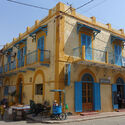
This complex history has made Saint-Louis a melting point for different layers of architecture and urbanism. The island showcases a grid urban form with double-storey villas, which is typical of 19th-century French colonial urbanism. Additionally, it features tropical courtyards, shaded balconies, 1920s art déco houses, and early '30s modern civic buildings. However, due to its economic and infrastructural isolation, this architecture and urban heritage have continuously degraded. Therefore, it seeks new interventions for the conservation, restoration, and re-adaptation of the city.
Exploring materiality, contextuality, and approach, our editors developed thought-provoking articles seeking to question and describe some of the aspects that make any Architecture, a good one.
Discover in this piece a selection of editorial writings that aim to answer this interrogation, grouped under the themes of cities, materials, history, context, and Interior Spaces. Moreover, find at the end an excerpt from the ArchDaily book.
Almost a century after the iconic aesthetic emerged, Art Deco is finally having its comeback. As seen in new projects, interior spaces, and furniture around the globe, the glitz and glam that makes us long for the Roaring 20s of the early 20th century is now giving us a small taste of the Roaring 20s revival in the 21st century. As the distinct identity of Art Deco architecture and design has continued to inspire the world, what can we expect from new designs, and the preservation of existing ones?
Auction houses, secondhand furniture stores, and realtors make small fortunes from a nomenclature that, despite the fuzziness surrounding its indeterminate span and whether everything made during its indefinite duration ought to be stamped with the same label, continues to demand attention. Years from now, serious collectors of architectural magazines may search for that single issue of the 21st century magazine Dwell, absent a major spread of a house designed in the midcentury modern (MCM) manner or a restoration of a building from that era. MCM is the very blood that pulses through the publication’s arteries, promulgating a view of a squeaky-clean and well-lighted lives lived almost invariably by (often childless) ectomorphic couples, blissfully happy under a flat roof with floor-to-ceiling windows affording fine views of distant landscapes best enjoyed behind insulated glass in an ambient temperature of 72 degrees Fahrenheit. But what are we to make of this term, this period—some even call it a “movement”—so well-known globally it goes by initials?
Housing has always been a significant issue in metropolises. It accommodates the city's population and can impact other urban concerns, such as the necessary commute between home and work or school.
Broadly, urban densification enjoys widespread acceptance in urban planning. In today's context, the correlation between densification and housing is addressed by designing high-rise buildings with smaller floor areas. This approach yields apartments with minimal functionalities, known in Brazil as kitchenettes. As with any architectural type, these compact residences have advantages and disadvantages, serving either as a model of efficiency or as an illustration of housing instability.
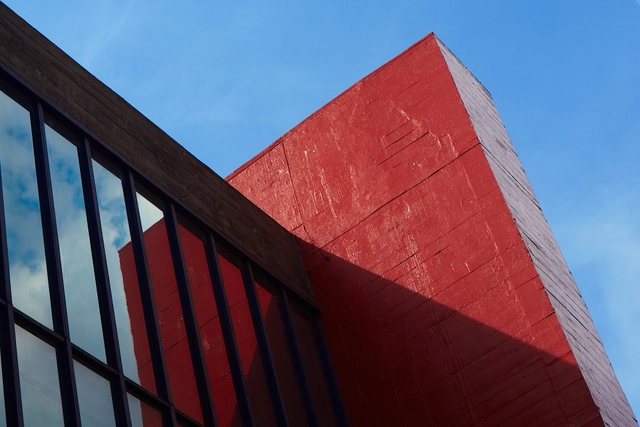
Among the many marks left by architect Lina Bo Bardi in Brazilian architecture is the use of red as a highlight in her works. Whether bringing lightness and vividness to the hardness of São Paulo's concrete at Sesc Pompeia or warming the whiteness of Solar do Unhão in Bahia, red transcended mere visual and aesthetic status to become a distinctive characteristic of the Italo-Brazilian architect, weaving connections between many of her works.
What we build can be metaphoric—often intentionally, sometimes subliminally. But architecture is seldom the intentional commentary of architects, crafting symbolism; more often it is a direct reflection of its time and the culture that made it.
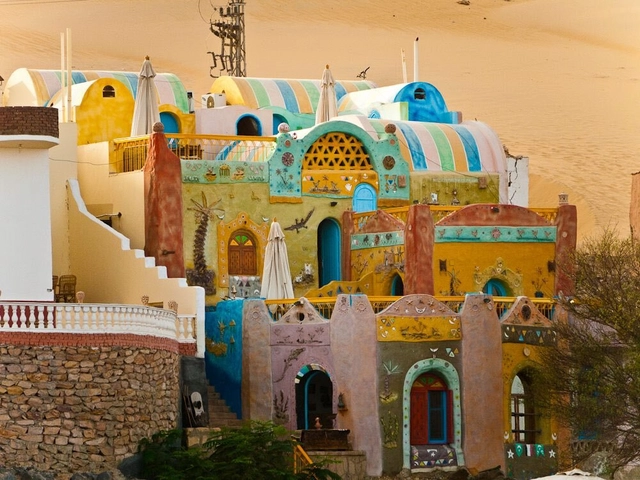
African societies' cultures are intrinsically linked to color. From fabrics to clothing, products, sculptures, and architecture, various societies explore rich and vibrant colors that are vivid, expressive, and joyful. Through different shades, hues, contrasts, motifs, and ornamentations, colors are embraced as an unspoken language, a palette for storytelling, and a sense of cultural identity. Although the use of color in African societies may seem decorative on the surface, it is extremely symbolic, with a deep sense of history behind it. Traditional African architecture is a prime example. Ethnic societies have endowed their homes with color through ornaments and motifs, expressed it with religious and cultural patterns, employed it on facades to tell familial stories, and created labyrinths of communal architecture that not only celebrate color but explore its ethnic meaning.
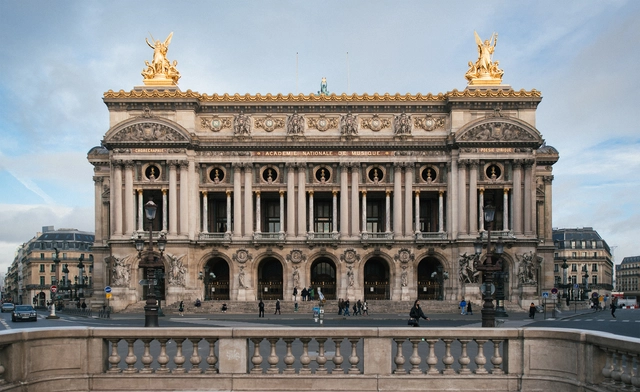
Paris Opera by Charles Garnier. Photo by Francesco Zivoli, via Unsplash
Architectural styles have fallen out of favor throughout history. Generally, the peak of one movement means the decline of another. Over time, the situation may reverse, as in the case of postmodernism, which has divided opinions since its emergence, but experienced a revival in the first decades of the 2000s (or maybe not). Temporal distance contributes to the revision of certain styles' relevance and evaluation of their qualities - or problems.
Recently, I resolved that I wasn’t going to be drawn into the silly posturing about how ChatGPT would take the jobs of every experienced architect on earth before 2030, but an intelligent post on this website by Geethanjali Raman and Mohik Acharya broke that resolve. What isn’t being stressed is that algorithms that sample internet-based information are only as good as the quality of that information. Architectural history suggests that all new things have a shelf life, quickly fading from view after being hyped. Only the best will persist after a lengthy period of evaluation and criticism. Any new architecture widely praised and available since the rise of the internet is likely to be untested by time and thus not worth using as a benchmark. And let’s face it: Some of the worst buildings ever designed by humans are out there in cyberspace, crowding out better ones that haven’t yet been digitized.
https://www.archdaily.com/1003243/architects-must-resist-the-ai-revolutionMark Alan Hewitt
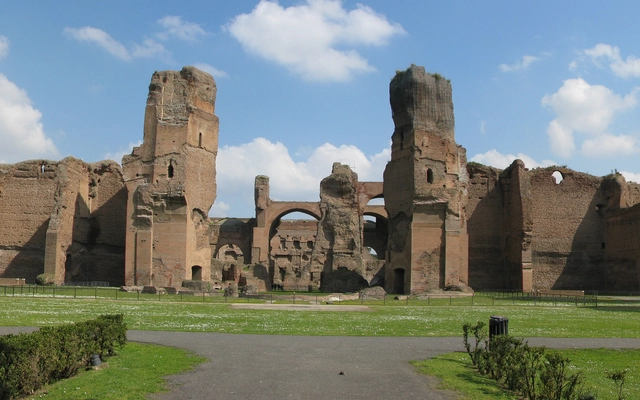
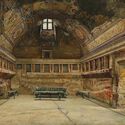
Within the canonical architecture, Vitruvius' treatises are the first treatises known. In addition to discussing the intellectual and cultural formation, interests, and sensitivity of the architect, or the "sacred" triad of architecture - venustas, firmitas, and utilitas (beauty, solidity, and functionality) - the treatise describes a design method, a kind of manual for Roman construction at the time. Complex and sophisticated, Roman architecture presented a variety of buildings with several functions. Among them were thermal baths, which did not escape Vitruvian prescriptions.
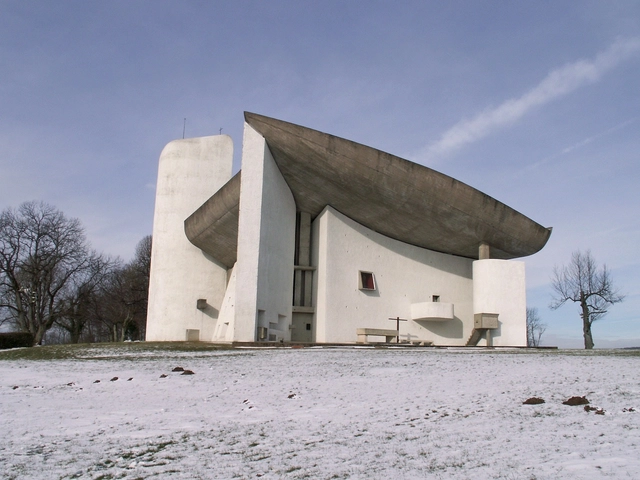
Chapel of Notre Dame du Haut in Ronchamp. Image via Maxpixel
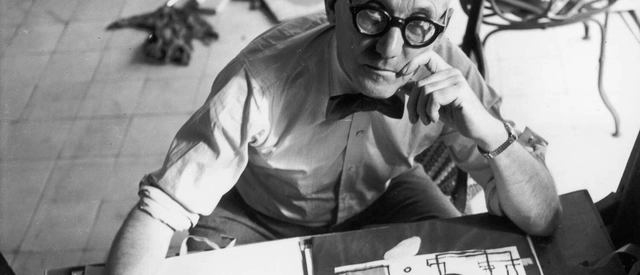
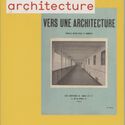
One hundred years ago, in 1923, Le Corbusier’s “Vers une Architecture” was published in the magazine “L’Esprit Nouveau.” The controversial collection of essays authored by the Modernist master served as a manifesto for the development of modern architecture, influencing generations of architects and sparking polemics on the proposed principles of architectural design. The book advocates for the beauty of streamlined industrial designs, like those of airplanes, automobiles or ocean liners; it proposes a completely different way of building cities, favoring tall and slender towers surrounded by abundant greenery, and introduces Le Corbusier’s 5 principles for modern design.
Now, a century later, these theories have become part of every architect’s education, but they are also highly contested. Some critics argue that the rigid approach, especially in relation to urban planning principles, fails to engage the cultural and contextual nuances of different communities, leading to alienating urban environments. Still, the legacy of Le Corbusier is significant, serving as a constant point of reference for architects when exploring the balance between functionality, aesthetics, symbolism and the social impact of their designs.
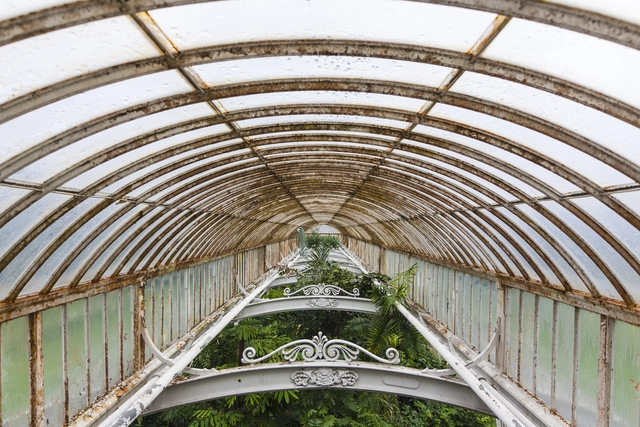
The greenhouse is a commonplace architectural typology, a frequent fixture in a host of cities, built to shield plants from the elements — from excess heat or cold or to prolong the growing season of crops. Evidence of the presence of greenhouses in some form stretches as far back as the 1450s during the Korean Joseon dynasty, but it is in the 1700s that the greenhouse was born as a specific architectural form. Glassmaking improved, and thus the largely transparent, wide-span structures we know today were born. Nestled under the intricate iron metalwork of greenhouses are also wider stories — of control and undeserved wealth, and resistance.
Wivi Lönn (1872-1966) established and ran her own architectural office in Finland, becoming the first woman to do so. Lönn designed a number of significant public facilities and received widespread professional recognition, serving as a role model for aspiring female architects. And in May 1942, while a group of female architects gathered to commemorate Wivi Lönn's 70th birthday, they founded Architecta, the Finnish Association of Women Architects. At that point, up to a hundred women architects had already graduated in Finland. To celebrate the 150th birthday of architect Lönn and the 80th anniversary of the organization, Architecta commissioned interviews that highlight the different types of careers pursued by women in the field. Discover the profiles of 11 female Finnish architects with texts by Paula Holmila, journalist and architecture critic at Helsingin Sanomat, translated by Pirkko-Liisa Schulman.
This year marks the centennial of the first edition of Vers Une Architecture, Le Corbusier’s epoch-making book. Though a new English translation appeared in 2007 to much acclaim, most other practicing architects read the first English edition that appeared in 1928, entitled Towards a New Architecture. Comparing the three editions is instructive, particularly in one crucial respect: the insertion of the word “new” in the title. The book wasn’t really about new architecture, because very little of it showed buildings in the International Style. Instead, it was in many respects a clever diatribe intended to convince Europeans that they had no choice but to renounce every kind of architecture that had been built before the Great War and begin anew. It was remarkably successful in fulfilling that aim.
https://www.archdaily.com/1000499/away-from-old-architecture-what-le-corbusier-really-meantMark Alan Hewitt
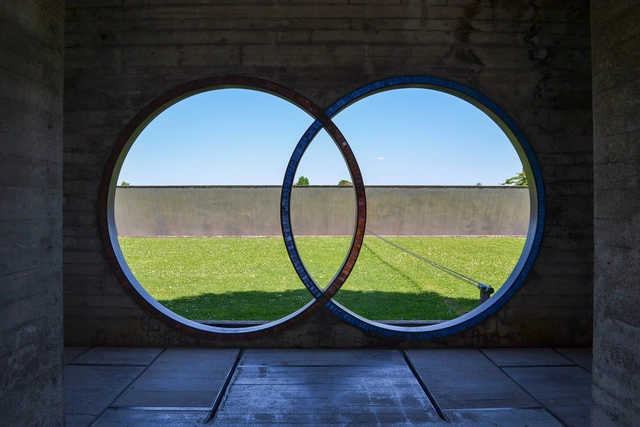
Natural light is one of the most critical elements in architecture. Although unbuilt and difficult to control, it plays a crucial part in defining how space is perceived in terms of scale, textures, materiality, and overall atmosphere. Natural light also impacts the emotions people feel in a space, whether lack of light makes us feel fear and anxiety or ample light makes us feel safe and ethereal. As much as light impacts architecture, architecture also impacts light. Through framing vistas, creating 3D massings that cast sculptural shadows, and carving voids from solids that create unique light projections, many architects have mastered design techniques that utilize light in a way that seamlessly integrates it within a building- and perhaps one of the best to do this was the Venetian architect, Carlo Scarpa.
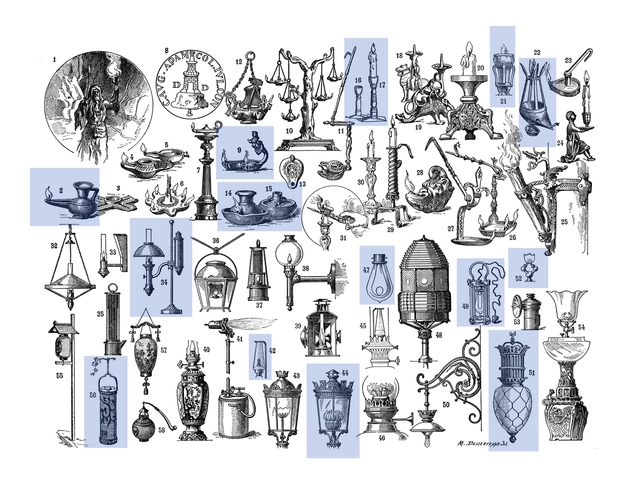
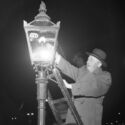
The simple activity of taking a walk in the evening can easily turn from a relaxing leisurely activity to a dangerous endeavor by removing just one element from the streetscape: public lighting. While not often recognized as defining aspect of urban environments, artificial illumination has played an essential role in defining the character of modern cities. Crime control, the appeal of nightlife, the rise of the shop window, revolutionary movements, utopias, and ideals of social equity are all concepts whose development is tightly linked to the history of public lighting. Technological advancements over the past centuries have continuously shaped the appearance and symbolism of streetlamps. Still, the this element has remains a constant throughout its history.