1. ArchDaily
  2. Architecture for the Blind

Architecture for the Blind: The Latest Architecture and News

Mapping Space Without Sight: Inside SEAlab’s Sensory Architecture

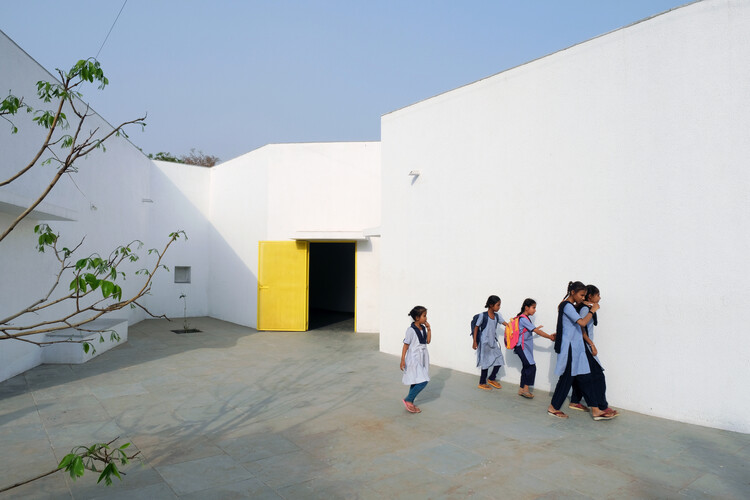
Founded in 2015 in Ahmedabad by Anand Sonecha, SEAlab is a practice shaped by a slow, contemplative engagement with place, proportion, and participation. Recognized as one of the winners of the ArchDaily 2025 Next Practices Awards, the studio builds with simple materials and local techniques, pursuing environments that are experienced as much as they are seen. This ethos became particularly tangible in Gandhinagar, where the School for Blind and Visually Impaired Children did not begin as a purpose-built institution. The school had been operating from an existing primary school building, with classrooms stacked above dormitories and twelve children sharing a single room. Space was limited, and so were growth opportunities. The new academic building was required to expand capacity, improve living conditions, and support greater student independence.

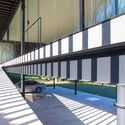
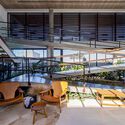
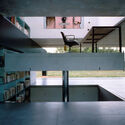
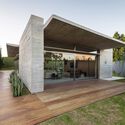
Mapping Space Without Sight: Inside SEAlab’s Sensory Architecture - Image 1 of 4Mapping Space Without Sight: Inside SEAlab’s Sensory Architecture - Image 2 of 4Mapping Space Without Sight: Inside SEAlab’s Sensory Architecture - Image 3 of 4Mapping Space Without Sight: Inside SEAlab’s Sensory Architecture - Image 4 of 4Mapping Space Without Sight: Inside SEAlab’s Sensory Architecture - More Images+ 33

Overcoming Barriers: 4 Residential Projects with Accessibility Strategies in Latin America

Subscriber Access | 

According to the United Nations (UN), over 1 billion people worldwide live with disabilities, whether physical or intellectual, with 80% residing in Global South countries. Despite advancements in their rights, they still encounter significant barriers and remain among the most marginalized in accessing essential services like healthcare, education, and employment. In this context, architecture is crucial for ensuring safety and spatial independence, enabling their full and effective participation in society.

Overcoming Barriers: 4 Residential Projects with Accessibility Strategies in Latin America - Image 1 of 4Overcoming Barriers: 4 Residential Projects with Accessibility Strategies in Latin America - Image 2 of 4Overcoming Barriers: 4 Residential Projects with Accessibility Strategies in Latin America - Image 3 of 4Overcoming Barriers: 4 Residential Projects with Accessibility Strategies in Latin America - Image 4 of 4Overcoming Barriers: 4 Residential Projects with Accessibility Strategies in Latin America - More Images+ 8

How to Guide People in Architectural Spaces with Tactile Paving Surfaces?

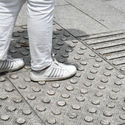
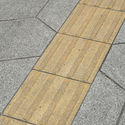
Theoretically, architecture is a multisensory discipline involving textures, colors, shadows, sounds, and aromas. However, in practice, using visual language is often prioritized to explore it, limiting mainly to sight for identifying architectural elements and navigating autonomously in built environments and urban contexts. Therefore, it is crucial to integrate tactile paving surfaces into architecture.

Blindness and vision impairment transcend being a condition or disability; they represent an alternative way of perceiving the environment around us. In this sense, touch becomes a language and a fundamental guide for interacting with architecture. According to the Convention on the Rights of Persons with Disabilities (Article 9), all individuals have an inherent right to access the physical environment on an equal basis with others.

Why We Should Integrate Tactile Surfaces into Architecture

Why We Should Integrate Tactile Surfaces into Architecture - Image 1 of 4Why We Should Integrate Tactile Surfaces into Architecture - Image 2 of 4Why We Should Integrate Tactile Surfaces into Architecture - Image 3 of 4Why We Should Integrate Tactile Surfaces into Architecture - Image 4 of 4Why We Should Integrate Tactile Surfaces into Architecture - More Images+ 12

Accessibility is one of the most important considerations in architecture, ensuring that the built environment caters to people of all abilities. However, popular conceptions of what disability and accessibility look like remain limited, and often encompass only physically disabled people such as wheelchair users. Among architectural designers especially, it is common to visualize accessibility as adding ramps, wide corridors, and elevators. However, disability can take many different forms, some less visible than others; accordingly, accessibility in architecture means much more than accommodating just wheelchair users. For the visually impaired, incorporating specific tactile elements in architecture and urban design can vastly improve the navigability of a foreign space. In this article, we talk about tactile paving specifically, including its different forms, its history, and its means of implementation.

Architecture for the Blind: Intelligent and Inclusive Spaces for the Blind User

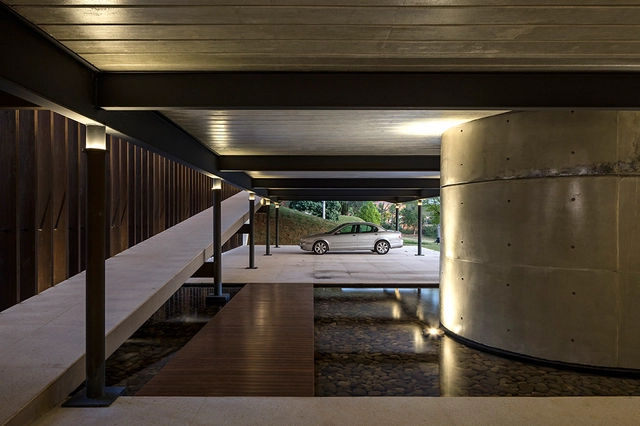
The design of spaces for people with visual disabilities is an important issue when it comes to talking about accessibility. Architects who adopt the principles of universal design understand that the needs of a blind client are the same as those of all people.

Inclusive design is vital in order for all users to be able to develop comfortably and to correctly understand the various functions of a space. Given the need for our cities to promote integration, we present three exemplary projects for a blind user; a house, a building and a public space.

These 13 Designs by IKEA Make Life Easier (and More Equitable) for Differently-Abled People

Subscriber Access | 

Architects' general ignorance about the needs and requirements of people with special needs is worrisome. Beyond complying with mandatory regulations (different in each country), the quality of life for different-abled people depends on specific and daily factors that go beyond a railing or a ramp, and are often left in the hands of professionals who have never dealt with such issues.

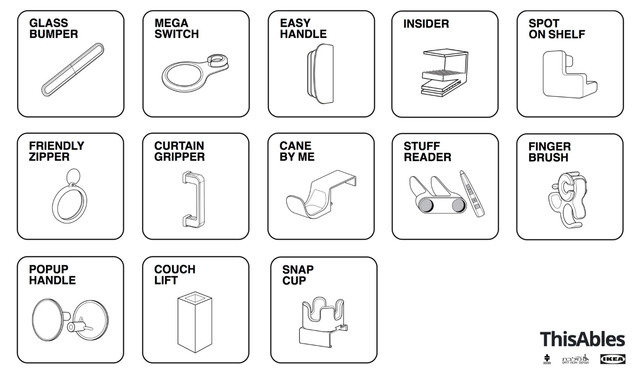
This Ables, a project developed by IKEA and the non-profit organizations Milbat and Access Israel, provides an excellent resource for how to create an equitable design in the smallest and simplest of details. From door handles that are can be opened with a forearm to a couch lift that enables users to sit down and get up easily, these 13 products are available to the general public on ThisAbles.com. Some products can even be 3D-printed independently.

See the video below for more details of the project.

The Trends that Will Influence Architecture in 2019

It is, once again, the time of year where we look towards the future to define the goals and approaches that we will take for our careers throughout the upcoming year. To help the millions of architects who visit ArchDaily every day from all over the world, we compiled a list of the most popular ideas of 2018, which will continue to be developed and consolidated throughout 2019.

Over 130 million users discovered new references, materials, and tools in 2018 alone, infusing their practice of architecture with the means to improve the quality of life for our cities and built spaces. As users demonstrated certain affinities and/or demonstrated greater interest in particular topics, these emerged as trends. 

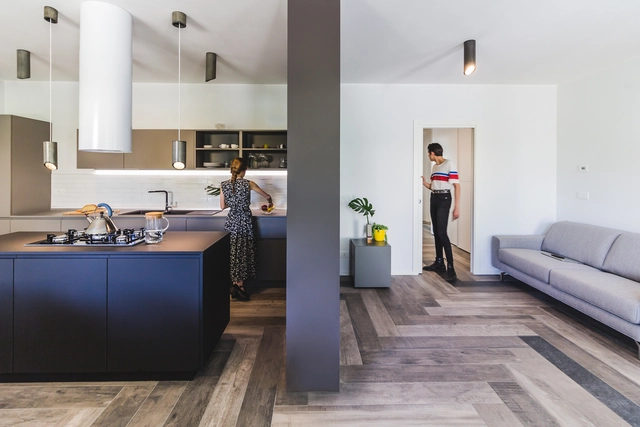
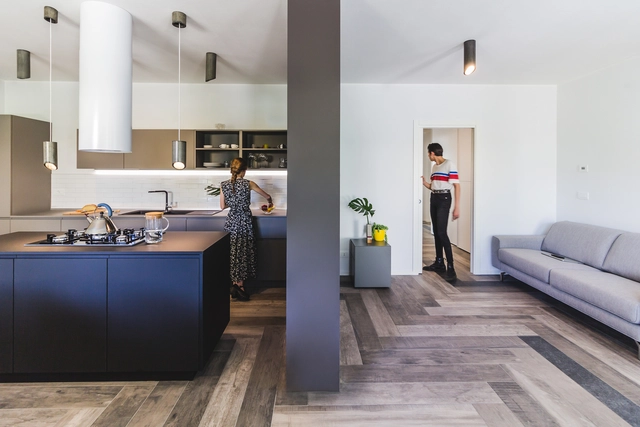
Designing a new home for a blind client / So & So Studio

Designing a new home for a blind client / So & So Studio - Houses Interiors, Kitchen, Door, Facade, Table, ChairDesigning a new home for a blind client / So & So Studio - Houses Interiors, FacadeDesigning a new home for a blind client / So & So Studio - Houses Interiors, Table, ChairDesigning a new home for a blind client / So & So Studio - Houses Interiors, Facade, Arch, Column, Table, BenchDesigning a new home for a blind client / So & So Studio - More Images+ 10

  • Architects: So & So Studio
  • Area Area of this architecture project Area:  232
  • Year Completion year of this architecture project Year:  2018
  • Manufacturers Brands with products used in this architecture project
    Manufacturers:  Falmec, Florim, Franke, Kardamov, LARIO, +1