1. ArchDaily
  2. Architectural Copyright

Architectural Copyright: The Latest Architecture and News

Architectural Authorship in the Age of the Collective Practices

Subscriber Access | 

This article is part of our new Opinion section, a format for argument-driven essays on critical questions shaping our field.

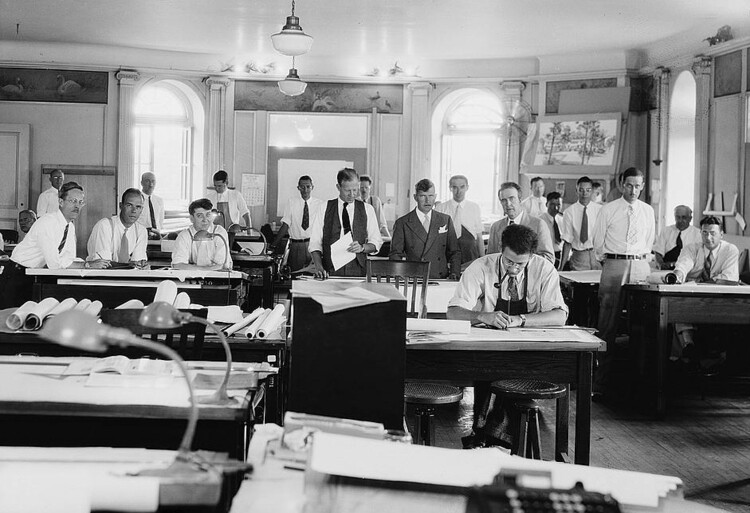
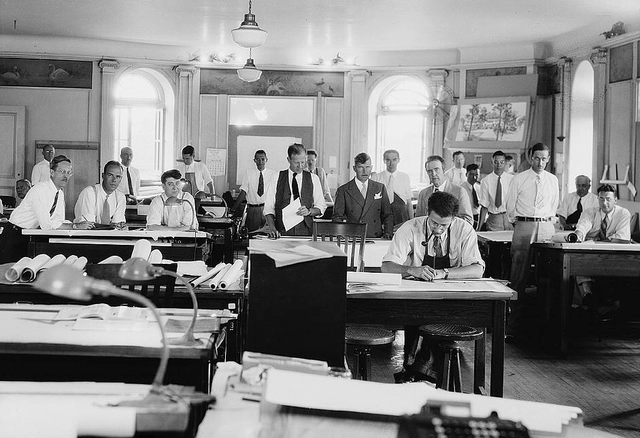
Who designs architecture today? In a professional landscape increasingly defined by collaborative workflows, generative software, and distributed teams, the figure of the architect as a singular creative author feels both anachronistic and inadequate. This article argues that architectural authorship is no longer an individual act, but a collective and distributed condition shaped by institutions, technologies, and shared forms of labor. The transition from individual to collective authorship is not simply a consequence of larger offices or digital tools; it signals a deeper structural shift in how architecture is produced, communicated, and validated.


Architectural Authorship in the Age of the Collective Practices - Image 1 of 4Architectural Authorship in the Age of the Collective Practices - Image 2 of 4Architectural Authorship in the Age of the Collective Practices - Image 3 of 4Architectural Authorship in the Age of the Collective Practices - Image 5 of 4Architectural Authorship in the Age of the Collective Practices - More Images+ 23

Copyrights for Architectural Imagery in the AI Era

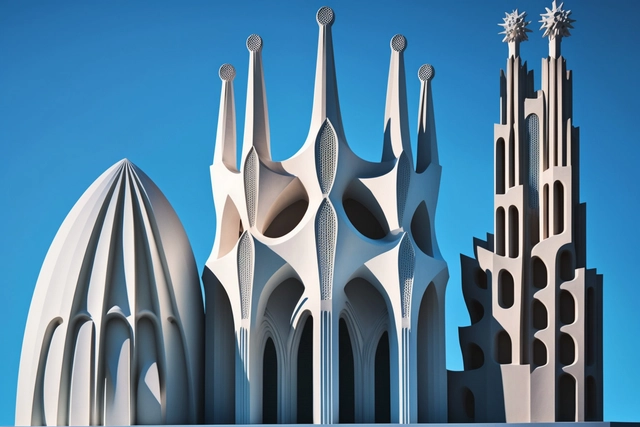
Architecture is a referential discipline. From ziggurats, machines for living, to contemporary biophilic high-rises designs, it is impossible to know whether ideas are genuinely novel or whether they have been conceptualized before. Artificial intelligence has ignited the conversation on intellectual property (IP) even more. As millions generate unique graphic work by typing keywords, controversies have arisen, specifically concerning protecting creative work and the Copyright of architects in their creations. Therefore, understanding the scope of what is protected helps determine whether licenses are sufficient, whether trademark registration's long road is worth it; or perhaps a graphic piece cannot be protected and belongs to the public domain.

Copycat: Why Is Copying a Style Bad for Cities?

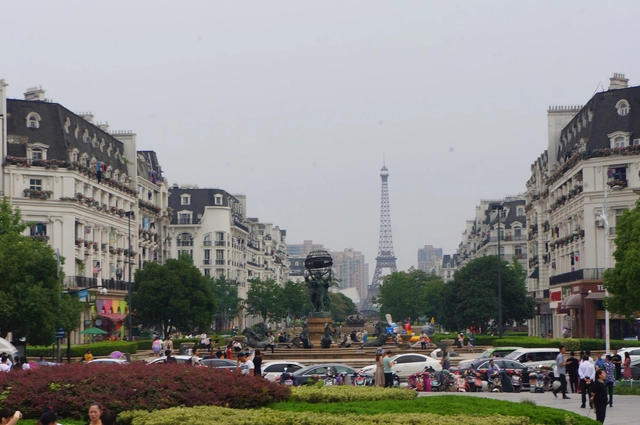
CopyCat is the act of emulating something that's already been created and using it in a different context. Copycats can exist in music, arts and design; but they are not exactly a design inspiration or a style reference, but rather a literal copy with almost no modification of the original work.

In architecture, it is as if you were inspired by an emblematic work from another space-time and placed it somewhere unconnected with the original roots of the work-style.

Freedom of Panorama: The Internet Copyright Law that Should Have Architects Up in Arms

Subscriber Access | 

Earlier this week, the Supreme Court of Sweden ruled against Wikimedia Sverige in a landmark case over “Freedom of Panorama,” a ruling which The Wikimedia Foundation has “respectfully disagreed with” in a blog post. The Swedish Supreme Court’s ruling, in short, states that Wikimedia Sverige is not entitled to host photographs of copyrighted works of art on its website Offentligkonst.se, which provides maps, descriptions and images of artworks placed in public spaces in Sweden.

The concept of freedom of panorama describes a provision in copyright law which extends the right to take and to disseminate photographs of copyrighted works provided those photographs were taken in public spaces. Most people who own a camera (in other words, most people) have probably given very little thought to their freedom of panorama, or any restrictions that may have been placed upon it. But the reality of this little-known copyright-related oddity is something that many people, and architects especially, should find very concerning indeed.

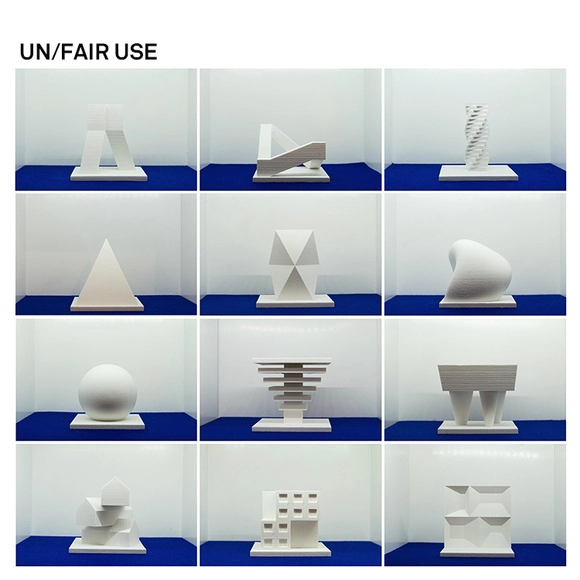
Exhibition: Un/Fair Use

Un/fair Use is an exhibition of research and proposals related to copying and copyright in architecture.

Appropriation is as much a part of architecture as the expectation of novelty, and so it is at the very core of the discipline. Architecture advances via comment, criticism, parody, and innovation, forms of appropriation that fall under the umbrella of fair use. But what about when appropriation is deemed unfair? Where and how are the lines drawn around permissible use? Un/fair Use probes that legal boundary.

Want to Work Internationally? Here's What You Need to Know About Copyright

Subscriber Access | 

Ideas are precious, precious things. A good one can upend a movement or make a career and they are, of course, worth a great deal. Architects live in a competitive globalized world, and in the race to succeed, defining who owns ideas is becoming increasingly important in an architect's professional life. ArchDaily has previously explained the essential points of architectural copyright and explored the complexities of legal judgments, but what if you want to work internationally? It's a much more complex issue than "China will let people copy what they want" or "Belgians will sue you" and if you want to work outside your home country then it's essential you understand the variables.

Fortunately, we've got you covered: we've pulled together a rundown of the essentials of copyright law and practice in some of the most popular countries to find work - read on for more.