1. ArchDaily
  2. ArchDaily Topics

ArchDaily Topics: The Latest Architecture and News

Obsolete Typologies Revived Through 17 Adaptive Reuse Projects

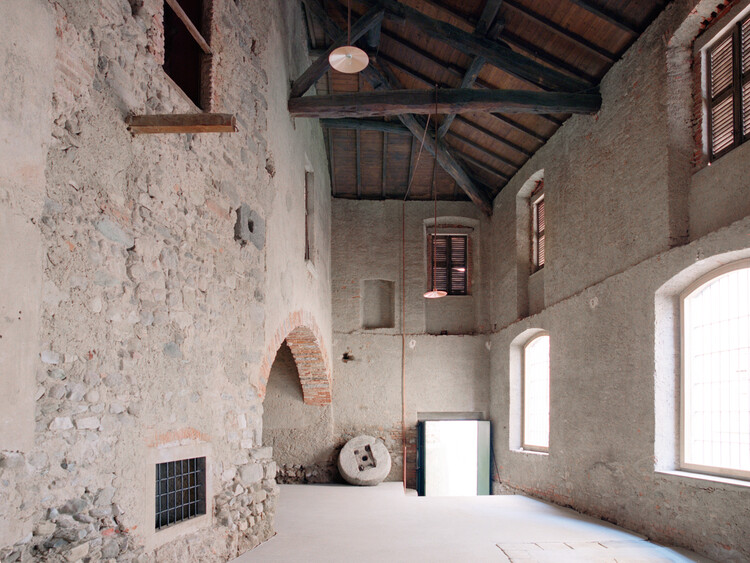
Adaptive reuse is shifting from simple preservation to active revitalization, a process of structurally rescuing and reprogramming architectural typologies whose original functions are no longer relevant. The obsolescence of architectural spaces occurs for varied reasons: sociological shifts, leaving spaces uninhabited; technological advances, phasing out specific machinery; and economic changes, making centralized functions necessary. The strategy of repurposing focuses on achieving spatial and functional longevity through minimal interventions, allowing the original structure to serve as the memory anchor of the project.

This wave of adaptive reuse treats the historic shell as a limited resource, prioritizing structural permanence over surface aesthetics. Designers are engaging in a sort of archaeological process by exposing the original structural essence: the heavy timber, raw concrete, or monumental masonry. Interventions are confined to meeting new programmatic needs, often appearing as an independent insertion within the ancient envelope. This contrast redefines the building's lifespan not as a singular narrative but as a layered story of continuous events.

Obsolete Typologies Revived Through 17 Adaptive Reuse Projects - Image 9 of 4Obsolete Typologies Revived Through 17 Adaptive Reuse Projects - Image 4 of 4Obsolete Typologies Revived Through 17 Adaptive Reuse Projects - Image 13 of 4Obsolete Typologies Revived Through 17 Adaptive Reuse Projects - Image 5 of 4Obsolete Typologies Revived Through 17 Adaptive Reuse Projects - More Images+ 13

Beyond Manufactured Landscapes: Quarries as Sites for Interdisciplinary Collaboration

Quarries can be seen as indelible abandoned scars of human resource extraction. Man-made spaces, perceived as voids, and material gain, have fundamentally shaped our accelerating built environment. All the while, the earth stands still as a silent witness. For decades, these open-pit mines have been viewed as a necessary consequence of consumerism and urban growth, their raw, imposing forms a testament to the large-scale extraction of materials essential for building our cities. However, a global architectural movement is now emerging to engage with these existing forms, transforming these subtractive spaces into sites of innovation, collaboration, and renewed purpose.

Beyond Manufactured Landscapes: Quarries as Sites for Interdisciplinary Collaboration - Image 1 of 4Beyond Manufactured Landscapes: Quarries as Sites for Interdisciplinary Collaboration - Image 2 of 4Beyond Manufactured Landscapes: Quarries as Sites for Interdisciplinary Collaboration - Image 3 of 4Beyond Manufactured Landscapes: Quarries as Sites for Interdisciplinary Collaboration - Image 4 of 4Beyond Manufactured Landscapes: Quarries as Sites for Interdisciplinary Collaboration - More Images+ 25

The Why, What, and How of Human-Centered and Successful Playground Design

 | Sponsored Content

By Jeanette Fich Jespersen, MA, Head of the KOMPAN Play Institute, Head of the steering committee of the World Playground Research Institute, University of Southern Denmark, Vice-president of International Play Association, Denmark.

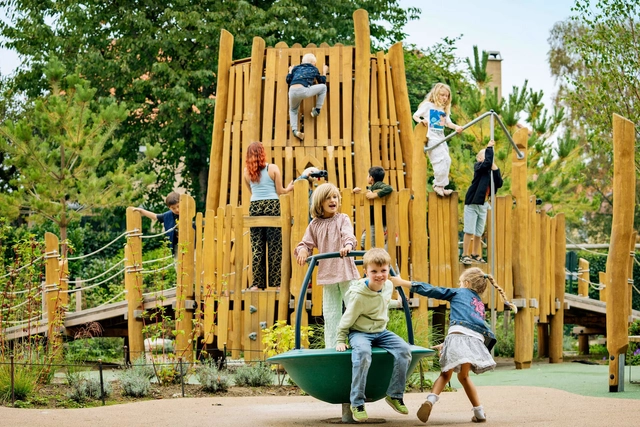
"No, I don't want to go to that playground. It is boring!" This may sound like something no child would ever utter. But children do have strong opinions on what playgrounds they like, from quite early on. The reason why not only parents and caregivers but also city planners and architects should listen and adjust is more critical than ever.

Wellbeing and Slow Spaces: Can Architecture Distort the Way We Experience Time?

A good conversation can make time feel like it's passing more quickly. But is this effect solely due to the verbal exchange, or could our perception of time be shaped by the spatial conditions surrounding us? There are environments that, due to their scale, distribution, and atmosphere, are conducive to meeting, listening, or pausing, thereby influencing the human experience. Perhaps it's not the words we share, but the space in which we speak that truly shapes our understanding of time. Some sociological theories about our society and the built environment go beyond considering it as a mere physical container and suggest that architecture, in its very duality, can act as both an inhibitor and a catalyst for our temporal experiences, impacting our wellbeing.

Refuges of Hope: 10 Shelters for Vulnerable Children Around the World

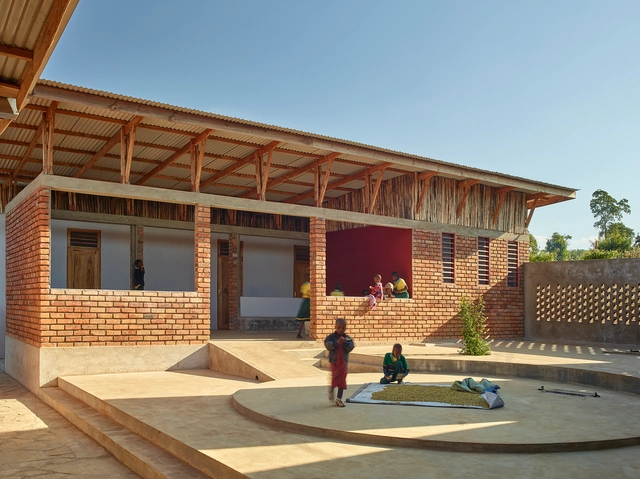
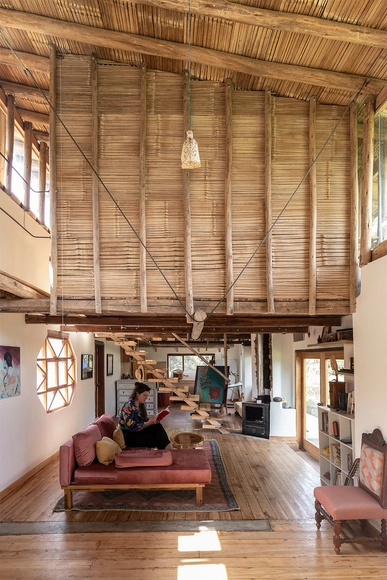
Architecture in children’s shelters serves a purpose beyond building physical spaces; it is about creating refuges that nurture healing, protection, and growth. For vulnerable children, designing these environments plays a vital role in their emotional recovery. Every aspect—from natural lighting to room layout—works together to create a secure and welcoming atmosphere, supporting their physical well-being and psychological and social development.

Refuges of Hope: 10 Shelters for Vulnerable Children Around the World - Image 1 of 4Refuges of Hope: 10 Shelters for Vulnerable Children Around the World - Image 2 of 4Refuges of Hope: 10 Shelters for Vulnerable Children Around the World - Image 3 of 4Refuges of Hope: 10 Shelters for Vulnerable Children Around the World - Image 4 of 4Refuges of Hope: 10 Shelters for Vulnerable Children Around the World - More Images+ 10

Lessons from Roberto Burle Marx: Designing Resilient and Evolving Urban Landscapes

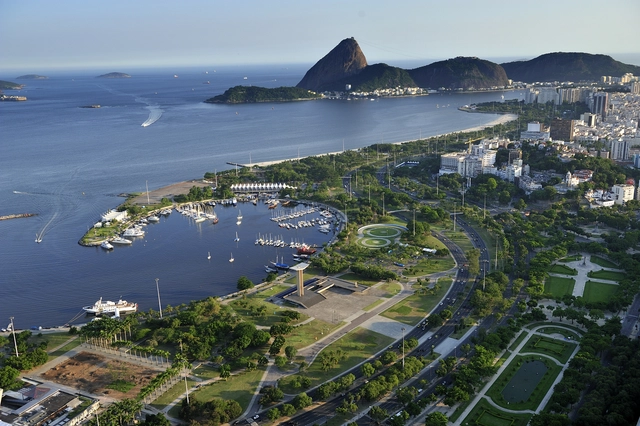
Roberto Burle Marx is often celebrated as a pioneering figure in landscape architecture, particularly for his innovative approach to integrating nature within urban environments. His work, characterized by a deep respect for native flora and a commitment to ecological balance, offers valuable lessons for contemporary landscape architects. At a time when climate change and biodiversity loss are pressing global concerns, revisiting Burle Marx's principles provides insight into creating urban spaces that are not only functional and aesthetically pleasing but also resilient and sustainable.

From the 1930s to the 1990s, Burle Marx's work anticipated many of today's concerns about sustainability and urban well-being. Long before terms like "sustainable design" or "green infrastructure" became commonplace, Burle Marx was already advocating for the use of native plants, recognizing their role in creating self-sustaining ecosystems that required minimal intervention. His projects often transformed neglected urban areas into vibrant, ecologically balanced spaces that not only improved the environment but also enhanced the quality of life for city dwellers.

Lessons from Roberto Burle Marx: Designing Resilient and Evolving Urban Landscapes - Image 26 of 4Lessons from Roberto Burle Marx: Designing Resilient and Evolving Urban Landscapes - Image 1 of 4Lessons from Roberto Burle Marx: Designing Resilient and Evolving Urban Landscapes - Image 3 of 4Lessons from Roberto Burle Marx: Designing Resilient and Evolving Urban Landscapes - Image 7 of 4Lessons from Roberto Burle Marx: Designing Resilient and Evolving Urban Landscapes - More Images+ 23

Beyond Sports: 10 Reversible and Multifunctional Olympic Villages

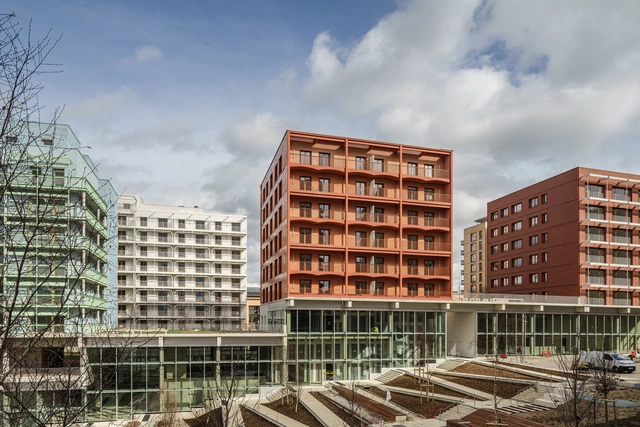
The first Olympic village was built for the 1924 Summer Games in Paris. Before this, athletes stayed in hotels, hostels, schools, headquarters, and even on the ships that brought them to the host cities. Pierre de Coubertin, co-founder of the International Olympic Committee (IOC), proposed the idea of an Olympic village. He realized it would be more cost-effective to house athletes in temporary structures rather than hotels. He believed the village would also create a sense of community among the international competitors.

Beyond Sports: 10 Reversible and Multifunctional Olympic Villages - Image 1 of 4Beyond Sports: 10 Reversible and Multifunctional Olympic Villages - Image 2 of 4Beyond Sports: 10 Reversible and Multifunctional Olympic Villages - Image 3 of 4Beyond Sports: 10 Reversible and Multifunctional Olympic Villages - Image 4 of 4Beyond Sports: 10 Reversible and Multifunctional Olympic Villages - More Images+ 7

Refurbishment vs. Demolition: Enhancing Housing for Sustainable Energy Efficiency

World War II was pivotal in human history, leaving a profound political and social impact. Its conclusion marked a significant turning point, leading to post-war suburbanization and the baby boom. These phenomena resulted in rapid urban growth and a surge in housing construction, which peaked in the 1960s and continued to flourish throughout the following decades, gradually slowing down until the present day. Currently, we are facing a very different scenario in which a backlog of affordable housing, combined with a challenging economic outlook and a climate agenda, have led to the need for a transformation of the built environment into a cleaner and more resource-efficient one, in line with the Paris Agreement.

Thus, with the ever-increasing demand for housing, combined with policy initiatives such as the European Green Deal, the post-war model of hyper-production is becoming unsustainable. Consequently, refurbishing derelict or redundant buildings has emerged as a viable alternative. Unlike the scheme of demolition and new construction, this approach offers opportunities for energetic retrofitting, which helps mitigate environmental obsolescence, extend the lifespan of buildings, and revitalize the existing and dilapidated stock—including postwar housing—while improving people's quality of life.

Housing Refurbishment in Latin America: 10 Projects that Excel in the Use of Materials

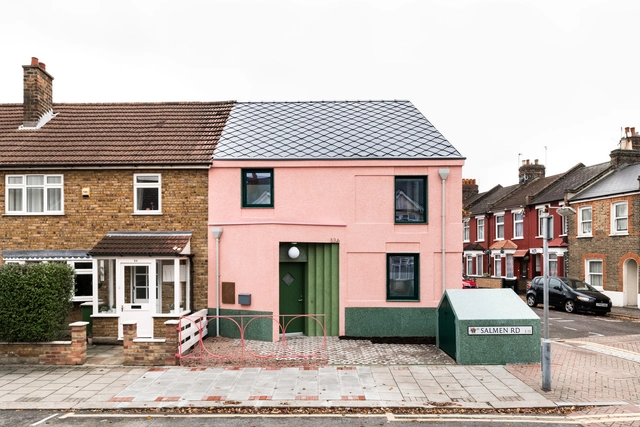
Refurbishment is an increasingly common and fundamental practice in contemporary architecture. More than a trend, it represents a crucial strategy for reducing resource consumption and minimizing waste generation, providing clear advantages over brand-new constructions. In the Latin American context, this philosophy stands out for its unique characteristics. It intricately weaves circularity and climate action with local materials, addressing economic challenges while harmonizing Indigenous, colonial, and contemporary influences.

Housing plays a crucial role in this context, where traditional materials and construction techniques define each project's distinctiveness and integrate it into the community's social fabric. Throughout Latin America, regional identities are deeply embedded in refurbishment efforts, ranging from restoring facades and repurposing wood to reimagining the use of demolition waste. The adaptation of spaces in these projects is influenced by their unique identities and geographic conditions, rooted in social and cultural expressions.

How to Improve Internal and External Environments with Glass Ceilings

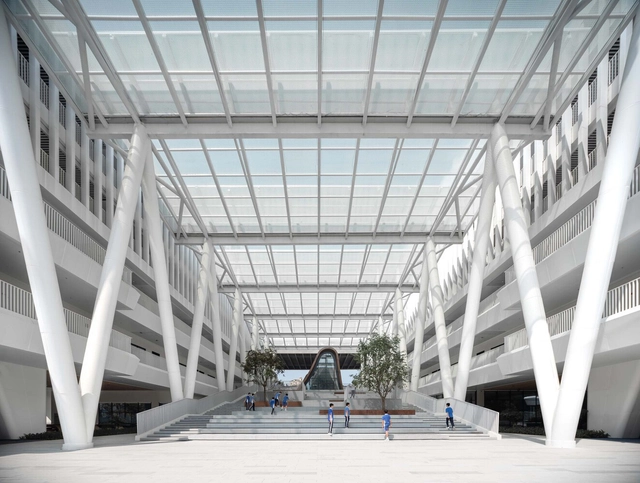
As a highly transparent material that stands up to all but the most extreme of weather conditions, is easily formed into any size or shape, and, once formed, will last for thousands of years, glass is still one of the most innovative and crucial materials used in architecture. Although contemporary building practices allow us to form huge, glittering skyscrapers of glass that rise hundreds of meters into the air, the ancient material’s original purpose – to welcome light into weathertight and secure interiors – remains its most important more than a thousand years on.

As important as glass is to almost every typology of architecture in the form of windows, when it comes to the roof of a building, the use of glass is not so simple. We’ve understood the power and danger of combining light and glass ever since we saw a magnifying glass used to concentrate the heat of sunlight into incredibly high temperatures in children’s cartoons. Under a glass roof, the solar gain can make for uncomfortable internal environments without the correct protective precautions.

How to Improve Internal and External Environments with Glass Ceilings - Image 1 of 4How to Improve Internal and External Environments with Glass Ceilings - Image 2 of 4How to Improve Internal and External Environments with Glass Ceilings - Image 3 of 4How to Improve Internal and External Environments with Glass Ceilings - Image 4 of 4How to Improve Internal and External Environments with Glass Ceilings - More Images+ 10

Reframing the Concept of Building Envelope Through Minimalist Windows

 | Sponsored Content

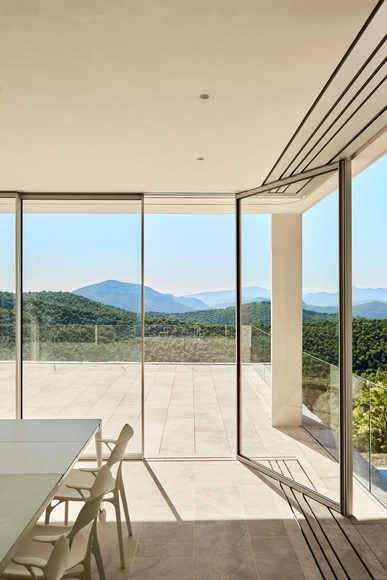
When we talk about the building envelope, we often make the analogy of a skin that protects and wraps the structure, creating a transition in the physical environment. This concept is interesting as it identifies that, similar to its function in humans, the skin plays a role in protecting and regulating the interior setting, besides contributing to the aesthetics of the building. In this way, both the human skin and the building envelope act as elements that respond to the stimuli of the surroundings and the life that develops within them. More than just protective barriers, they are experienced as means of active interaction with the context.

While envelopes evolve within diverse contexts, materials, and systems, minimalist windows distinguish themselves through their aesthetic qualities by being transparent and fluid skins. These windows excel with their functionality and visual lightness, standing out in the architectural landscape. In addition, they are noteworthy thanks to their versatility across different systems that connect life within the interior and exterior. Considering Swiss and Pritzker Prize-winning architect Peter Zumthor's statement that "architecture is exposed to life,” windows play a vital role in expressing that connection, becoming a significant part of the building's identity and essence.

Tokyo Travel Diary: Architecture and Manga

Traveling around Japan can be an impressive experience for a Western tourist - especially if they have some connection with architecture. In addition to the huge cultural differences, the country is known for its rich architectural production - eight of the 42 Pritzker Prize laureates are Japanese - which has maintained its consistency since the 1960s.