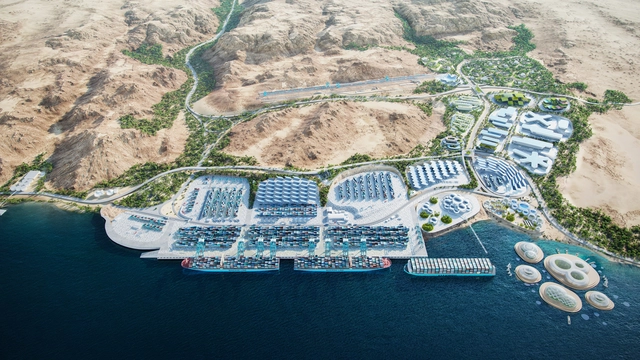
BIG Unveils Master Plan for the Green Transformation of Aqaba Container Terminal in Jordan

BIG – Bjarke Ingels Group supports APM Terminals and Maersk in reimagining the shipping industry's future with a master plan for the Aqaba Port Terminal in Jordan, expected by 2040. Considered one of the most strategic ports in the country and an important gateway to the Levant region, the 3 square kilometers plan will merge different strategic approaches at the regional scale, starting from the terminal refurbishment, expansion of the logistics functions, and connecting to the broader port's community and natural environment.

Returning the Building to the Soil: an Interview with the Architect and Scientist Mae-Ling Lokko

Agriculture and the food industry seem to have little in common with architecture, but it is precisely the overlap of these three areas that interests Ghanaian-Filipino scientist and architect Mae-ling Lokko, founder of Willow Technologies based in Accra, Ghana. Working with recycling agricultural waste and biopolymer materials, Lokko searches for ways to transform the so-called agrowaste into building materials.

A Carbon-Neutral Architecture Goes Beyond Construction Materials: Planning, Logistics and Context

Discussing carbon neutrality in architecture should not only be based on local materials and new technologies, since there are many aspects that impact the construction production chain. From design to construction, without losing sight of the context and economic system of our society, the construction industry is responsible for a considerable part of the energy consumed worldwide. In order to interfere in this reality, it is necessary to expand the fronts of action, questioning the place of construction in our society.

3D Printing with Low-Carbon Concrete: Reducing CO2 Emissions and Material Waste

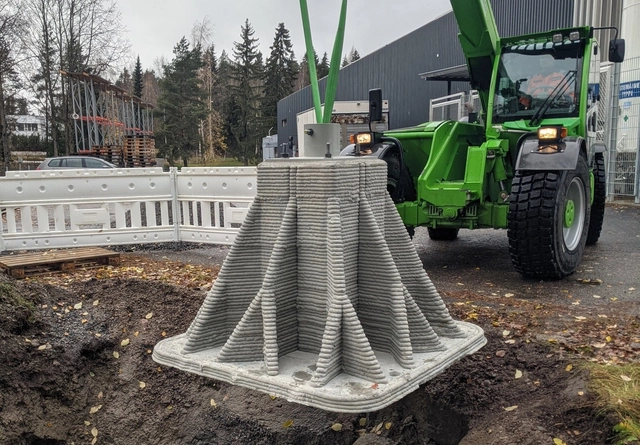
After water, concrete is the second most-consumed material on the planet and its production is substantially growing, expected to increase from 4.4 billion tons, reaching production up to 5.5 billion tons by 2050. Unfortunately, this comes at a huge environmental cost, accounting for almost eight percent of the global carbon emissions. With this estimated expected growth, stakeholders in the construction industry must work on integrating sustainable building materials and innovative processes. 

What Can We Learn About Zero Carbon From Lelé’s Work?

The Zero Carbon policy is intended to create a kind of ecological balance to neutralize greenhouse gas emissions. Several studies report that the construction sector is one of the main responsible for the unbalance in which we find ourselves today, after all, it consumes natural resources on a gigantic scale and still builds buildings that do not collaborate with the maintenance of the environment. Therefore, searching for paths towards a carbon neutral architecture has become fundamental and one of them is learning from past masters, such as the Brazilian architect João Filgueiras Lima, known as Lelé.

Understanding the Scales of Carbon Emissions: Who Makes the Most Impact?

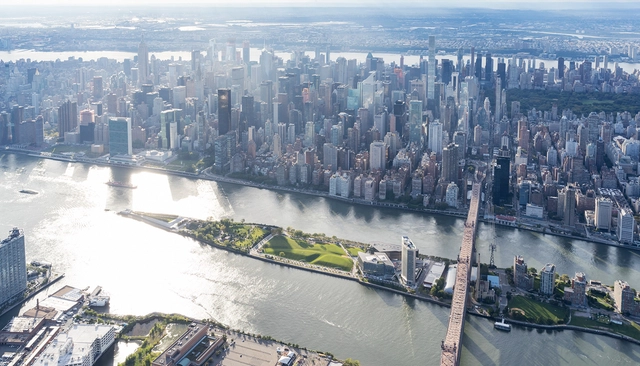
Carbon footprints and CO2 emissions are large topics in our conversations about how we create a more sustainable future. Over time, different companies, organizations, and individuals have pledged to alter their lifestyles and habits to make changes that show that they are dedicated to combating climate change. Especially in the design industry, where buildings generate nearly 40% of annual CO2 emissions broken down between daily operations and construction/demolition, architects have long been feeling the pressure of exploring ways to prove that we are doing our part.

Explore the Road to Chinese Net Zero Architecture from Life Carbon Assessment (LCA)

Climate change mitigation has become a priority issue, with the architectural industry accounting for 38% of global energy-related CO2 emissions. In December 2015, the Paris Agreement proposed to limit global warming to less than 2 ℃ above pre-industrial levels and strive for no more than 1.5 ℃. The architectural industry must achieve net zero carbon emissions by 2050 in order to meet the Paris Agreement's goal.

Redesigning the Road to Net Zero: How CO Adaptive Architecture is Breaking New Ground

The climate crisis has reshaped contemporary architecture. Sustainability has become a central guiding force in design, and in turn, architects are rethinking how to build today. For CO Adaptive Architecture, addressing the climate crisis begins with a process oriented practice. Together, Ruth Mandl and Bobby Johnston have created a firm that embodies how a values-based approach can tackle the most pressing issues of our time. The result is elegant and impactful architecture brought to life with poise and finesse.

50 Shades of Green: The Contradictions of Greenwashing in Architecture

Nowadays everything is “painted” green. It's green packaging, green technologies, green materials, green cars and, of course, green architecture. A “green wave”, stimulated by the environmental and energy crisis we are facing, with emphasis on climate change and all the consequences linked to global warming. This calamitous situation is confirmed by the second part of the report entitled Climate Change 2022: Impacts, Adaptation and Vulnerability prepared by the Intergovernmental Panel on Climate Change (IPCC) and presented in recent weeks. It reveals that, although adaptation efforts are being observed in all sectors, the progress implemented so far is very low, as the actions taken are not enough.

Can Exterior Green Walls Contribute to a Carbon Neutral Architecture?

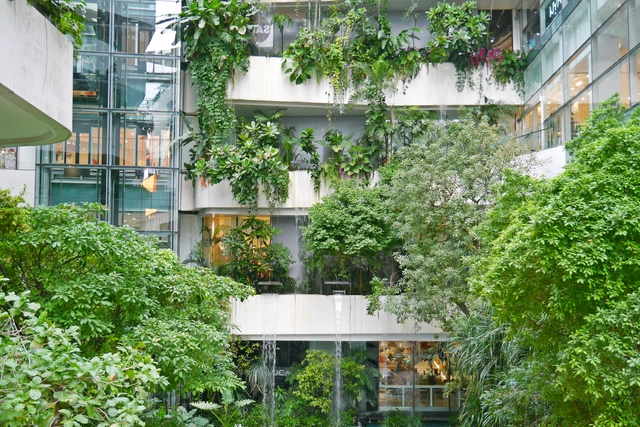
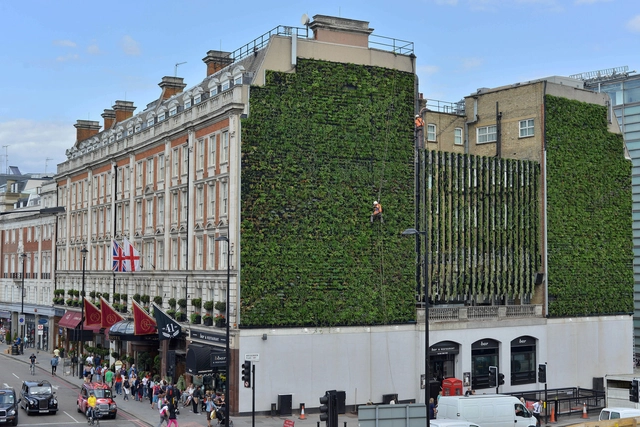
A carbon neutral building is achieved when the amount of CO2 emissions is balanced by climate-positive initiatives so that the net carbon footprint over time is zero. Considering their unmatched ability to absorb CO2, planting trees is often viewed as the best carbon offsetting solution. But as cities become denser and the amount of available horizontal space for green areas drastically reduces, architects have been forced to explore other approaches. Therefore, to address these climatic challenges and connect people to nature, exterior green walls have become a rising trend in increasingly vertical cities. Even if there is research to claim that these can positively impact the environment, many question if they can actually contribute to a carbon neutral architecture. Although the answer may be quite complex, there seems to be a consensus: green walls can be effective, but only through good design.

Has the Pandemic Halted the Road to Net-Zero Carbon?

With the magnitude and urgency of the immediate Covid-19 crisis worldwide, efforts have been concentrated on saving lives, rather than focusing on concerns related to the road to Net-zero carbon. Net Zero carbon in regards to construction is defined as when the amount of carbon emissions associated with the construction of a building and its completion is zero. A zero-energy building will have an overall zero net energy consumption; the total amount of energy used by the building annually is equal to the amount of renewable energy generated on-site.

“Net Zero” Homes: Marketing Morality

Almost no one buys an automobile for its stated price with cash on hand, so those looking to buy a car look to what the cost will be each month to own their automobile. Homes are our deepest investment, and most homeowners are equally as proud of their home as they are of their car and are terrified of its cost. So it is not surprising that “Net Zero” homes use the same sales tactic, proving their value by promising no monthly energy bills.

Climate-Smart Studs Made of Paper: Wood Tube

Among the many difficulties that the construction industry currently faces, confronting the climate emergency continues to be one of the main challenges. In fact, considering that the sector is responsible for around 40% of global greenhouse gas emissions, aiming towards net-zero, carbon-neutral architecture should and must be the top priority. Although there is a long way to go for most buildings to cancel out the amount of carbon dioxide they produce, the concept is quickly gaining traction and will certainly become the new norm as we look into the not-too-distant future. As a result, the following question arises: how can architects, designers and other actors involved in the industry contribute to sustainable design and net-zero architecture?

Sustainability: The Space Debate

In the architectural conversations taking place today, sustainability is a key topic of interest. Architecture firms embrace the term as a key part of their design ethos, and architecture schools globally have integrated designing “green” architecture as a core component of their curriculums. This sustainability conversation has also filtered down into more individual actions one can take within their immediate context. Online, for instance, guides abound on how you can make your home more eco-friendly and energy-efficient.

The Future of Sustainability in Japan: Paving the Way to Net Zero Energy Housing

The tech industry in Japan has continued to serve as a pivotal driving force in Japan, with the whole country being well known for its technological innovations in various industries. As of late, most industries and companies have begun to shift their focus to the topic of sustainable development, with the inclusion of using these very technologies to work towards zero energy goals.

Durability and Sustainability Can Be Synonymous: The Example of Bricks

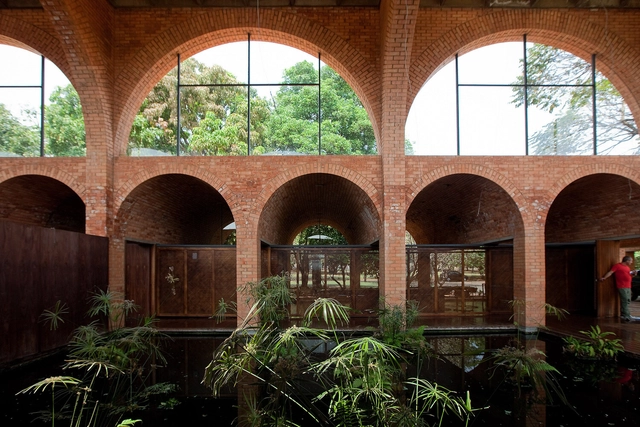
It is crucial to consider the future environmental impact of everything we create. Climate change remains high on the global agenda, and every industry must take part in the goal of reaching Net Zero. One of the more challenging industries concerns construction, which plays a vital role in the process of decarbonization and is constantly encountered with challenges to become greener. Therefore, it demands innovative techniques and development of data to find new and sustainable processes. One solution is to introduce and design both cleaner and more efficient materials. Bricks are a good example, as they can be used in building constructions to ensure a circular process and minimize carbon emissions, being an extremely durable material that can be produced with more sustainable techniques.

Circular Economy in Urban Design: Sustainability and Community Involvement

While circular economy is often discussed in relation to the architectural object through the lens of material recycling, design for disassembly, and material passports, the framework is most fully enacted at the neighbourhood and city scale. Whether it is visions of circular communities that hint at some level of self-sufficiency or policies set in motion by cities, urban-scale projects exemplify the guiding principles of the circular economy, providing a glimpse into what a fully-fledged version of it might look like. The following explores the strategies used in circular urban environments, from architecture and construction materials to energy production, waste management and food production, as well as the processes and operations that govern these designs, providing insights into the conditions that inform circularity. 

What Is Ecological Urbanism?

According to the architect and researcher Patrícia Akinaga, ecological urbanism emerged at the end of the 20th century as a strategy to create a paradigm shift with regard to the design of cities. With this, urban projects should be designed from the potential and limitations of existing natural resources. Unlike other previous movements, in ecological urbanism architecture is not the structuring element of the city — the landscape itself is. In other words, green areas should not only exist to beautify spaces, but as true engineering artifacts with the potential to dampen, retain and treat rainwater, for example. With ecological urbanism, urban design becomes defined by the natural elements intrinsic to its fabric.