1. ArchDaily
  2. Arabian Peninsula

Arabian Peninsula: The Latest Architecture and News

The Earthen Towers of Shibam: A Vertical City in the Yemeni Desert

Subscriber Access | 

Symbols of technological development and urban density, tall buildings as we know them today emerged in the late nineteenth century, particularly in the United States, as a response to the rapid expansion of urban commerce and the need to grow cities without occupying additional land. The term skyscraper, for instance, was coined in the 1880s and originally referred to buildings with around 10 to 20 stories—an impressive height for the time.

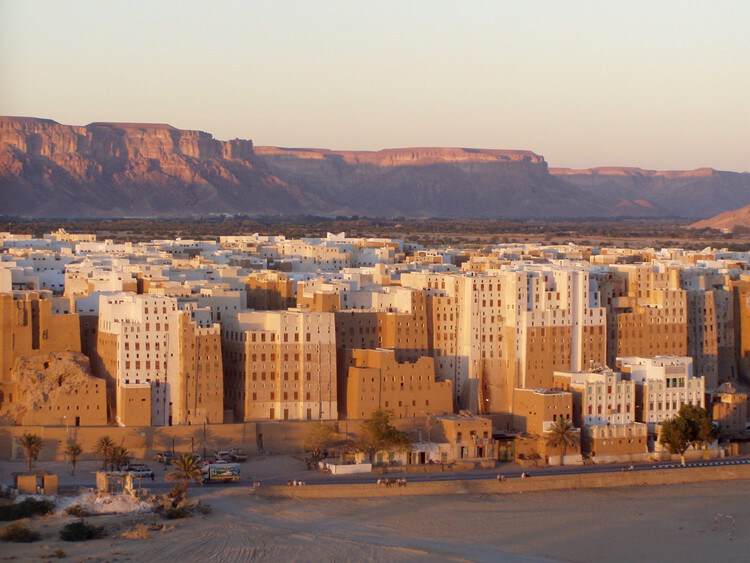
However, the idea of building vertically is much older than the steel-and-glass skyscrapers of modern cities might suggest. Long before the Industrial Revolution, some societies were already experimenting with forms of vertical urbanization as a response to limited space, territorial defense, or environmental adaptation.
The Earthen Towers of Shibam: A Vertical City in the Yemeni Desert - Image 1 of 4The Earthen Towers of Shibam: A Vertical City in the Yemeni Desert - Image 2 of 4The Earthen Towers of Shibam: A Vertical City in the Yemeni Desert - Image 3 of 4The Earthen Towers of Shibam: A Vertical City in the Yemeni Desert - Image 4 of 4The Earthen Towers of Shibam: A Vertical City in the Yemeni Desert - More Images+ 7

Mecanoo’s Natural History Museum Opens in Abu Dhabi’s Saadiyat Cultural District

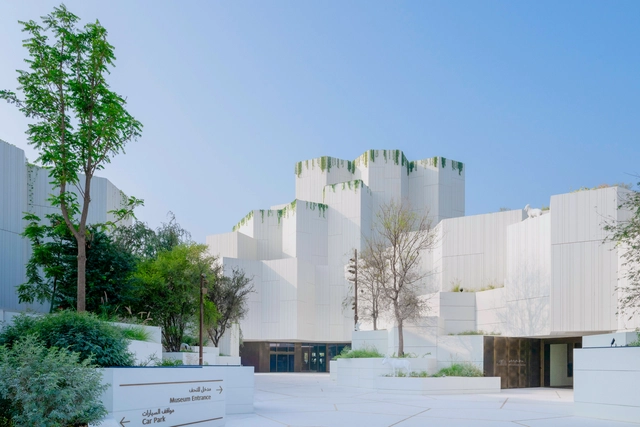
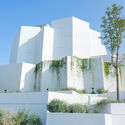
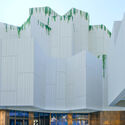
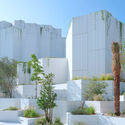
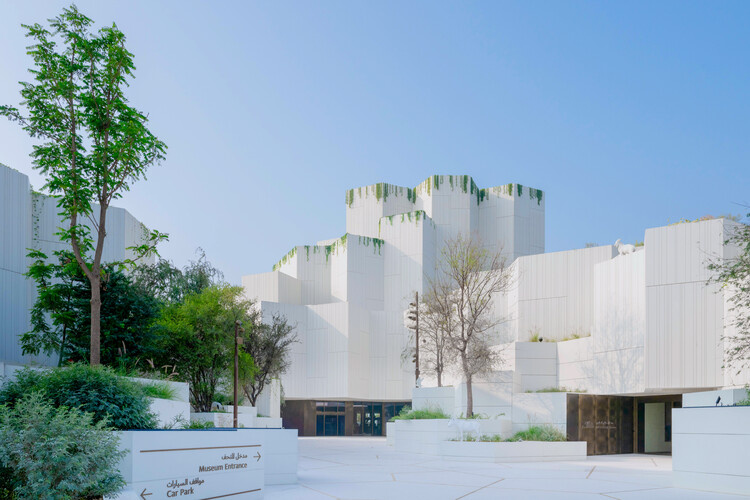
Back in April 2022, Abu Dhabi unveiled the first images of a new Natural History Museum designed by the Dutch practice Mecanoo. Three years later, on November 22, 2025, the museum opened its doors to the public, presenting 13.8 billion years of science and discovery with a special focus on the Arabian region. Covering more than 35,000 sqm, the design is intended to resonate with natural rock formations. Geometry acts as the unifying theme, with pentagonal shapes referencing cellular structures. Water and vegetation, symbols of life in the desert, also play an important role in the design. Located in Abu Dhabi's Saadiyat Cultural District, the building houses rare meteorites, dinosaur fossils, and reconstructions of the region's prehistoric landscapes, combining natural history, storytelling, and immersive environments. Through interactive exhibitions, special events, and community-science programmes, the museum seeks to encourage audiences of all ages to engage with the natural world.

Mecanoo’s Natural History Museum Opens in Abu Dhabi’s Saadiyat Cultural District - Image 1 of 4Mecanoo’s Natural History Museum Opens in Abu Dhabi’s Saadiyat Cultural District - Image 2 of 4Mecanoo’s Natural History Museum Opens in Abu Dhabi’s Saadiyat Cultural District - Image 3 of 4Mecanoo’s Natural History Museum Opens in Abu Dhabi’s Saadiyat Cultural District - Image 4 of 4Mecanoo’s Natural History Museum Opens in Abu Dhabi’s Saadiyat Cultural District - More Images+ 8

Creating Architecture in an Uncivil Time: In Conversation with Ali Karimi of Civil Architecture

Subscriber Access | 

The Arabian Peninsula represents one of the world's leading exporters and users of fossil fuels, an economic reality that influences the area's visions for the future and, implicitly, architecture and urban planning's role in these scenarios. A number of emerging offices are however countering these narratives, turning to contextual research to reframe the area's production of architecture. Among these, cultural practice Civil Architecture has become recognized for its provocative works that explore alternative narratives for the identity of the Middle East. While in Bahrain, ArchDaily's Christele Harrouk had the chance to sit down with Ali Karimi, who, together with Hamed Bukhamseen, co-founded Civil Architecture. In the video interview, they discuss the practice of architecture in the Gulf region and the narrative and research-focused approach of the office.

Creating Architecture in an Uncivil Time: In Conversation with Ali Karimi of Civil Architecture - Image 1 of 4Creating Architecture in an Uncivil Time: In Conversation with Ali Karimi of Civil Architecture - Image 2 of 4Creating Architecture in an Uncivil Time: In Conversation with Ali Karimi of Civil Architecture - Image 3 of 4Creating Architecture in an Uncivil Time: In Conversation with Ali Karimi of Civil Architecture - Image 4 of 4Creating Architecture in an Uncivil Time: In Conversation with Ali Karimi of Civil Architecture - More Images+ 12

Khalil Khouri, Modernism, and the Arab World: In Conversation with Bernard Khoury

Subscriber Access | 

In Beirut, the Interdesign Building stands as a striking yet enigmatic structure. Never used since its conception in 1973, the building was designed by Lebanese architect Khalil Khouri and, in some ways, it represents a physical testament to the region’s hopes and struggles. During the inaugural edition of We Design Beirut, the exhibition “All Things Must(n't) Pass: A Subjective Recount Of Khalil Khouri’s Life And Career As A Designer” opened the building to the public, aiming to tell the story of its architect, Khalil Khouri, through the lens of his son and grandson, Bernard and Teymour Khoury. On this occasion, ArchDaily’s Editor in Chief, Christele Harrouk sat down with Bernard Khoury at his DW5 office to discuss the life of his father and a little-known chapter of Lebanese architectural history.

Khalil Khouri, Modernism, and the Arab World: In Conversation with Bernard Khoury - Image 5 of 4Khalil Khouri, Modernism, and the Arab World: In Conversation with Bernard Khoury - Image 1 of 4Khalil Khouri, Modernism, and the Arab World: In Conversation with Bernard Khoury - Image 2 of 4Khalil Khouri, Modernism, and the Arab World: In Conversation with Bernard Khoury - Image 3 of 4Khalil Khouri, Modernism, and the Arab World: In Conversation with Bernard Khoury - More Images+ 34

Polished, Private, and Passive: Traditional Courtyard Houses and their Timeless Architectural Features

Subscriber Access | 

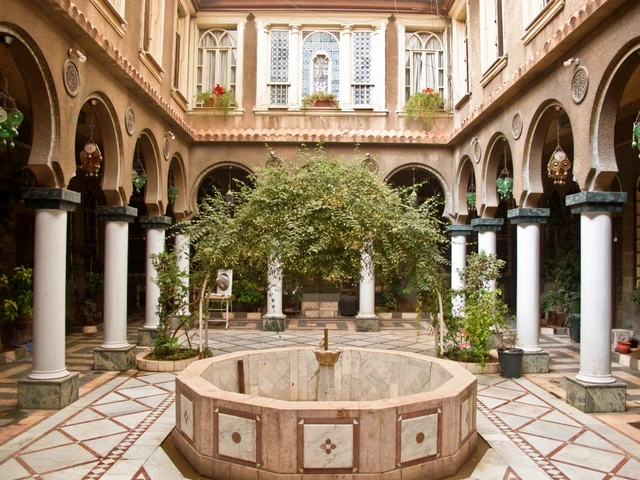
We have seen in recent residential projects the need for bringing the outdoors inside, whether it's through green walls, biophilic designs, or interior courtyards, especially in countries with dry and hot climates. When it comes to countries of the Arab world, creating these outdoor-inspired inner spaces is a lot more than just bringing in some sunlight and fresh air, it is an architectural expression of a rich culture that transcended generations and inspired nations beyond their borders. In this article, we will explore how cultural and social norms influenced the creation of traditional courtyard houses in Arabian countries and how their unique architectural features were reimagined in modern contexts.

Polished, Private, and Passive: Traditional Courtyard Houses and their Timeless Architectural Features - Image 1 of 4Polished, Private, and Passive: Traditional Courtyard Houses and their Timeless Architectural Features - Image 2 of 4Polished, Private, and Passive: Traditional Courtyard Houses and their Timeless Architectural Features - Image 3 of 4Polished, Private, and Passive: Traditional Courtyard Houses and their Timeless Architectural Features - Image 4 of 4Polished, Private, and Passive: Traditional Courtyard Houses and their Timeless Architectural Features - More Images+ 14

The Doors of the Coast: From Zanzibar to Oman

Subscriber Access | 

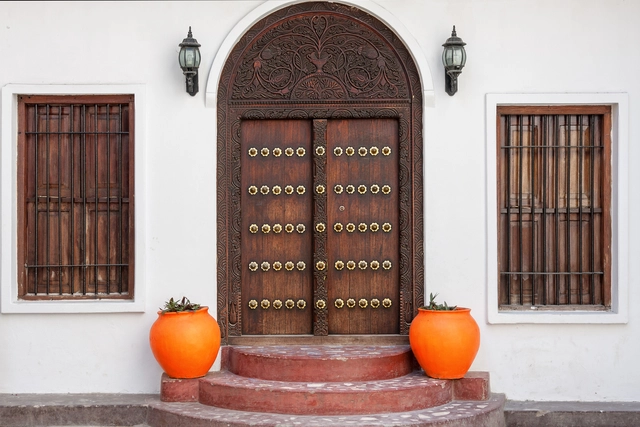
A defining feature of the architecture of the Swahili Coast—apart from its coral stone buildings and mangrove poles used to elaborate those structures—is undoubtedly the ornamented door so commonly found across this coastal area. Richly decorated, and historically often layered with meaning, these doors, apart from serving the more utilitarian function of an entrance, were also signifiers of status and wealth. From this Swahili Coast to the Arabian Peninsula, these doors of the coast are very much markers of their location, representative of trade and migration.

The Doors of the Coast: From Zanzibar to Oman - Image 1 of 4The Doors of the Coast: From Zanzibar to Oman - Image 2 of 4The Doors of the Coast: From Zanzibar to Oman - Image 3 of 4The Doors of the Coast: From Zanzibar to Oman - Image 4 of 4The Doors of the Coast: From Zanzibar to Oman - More Images+ 6