1. ArchDaily
  2. Aldo van Eyck

Aldo van Eyck: The Latest Architecture and News

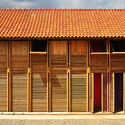
PREVI Lima and the Politics of Resident Authorship in Social Housing

Subscriber Access | 

Architects are accustomed to being credited for buildings long after construction ends. Names remain attached to projects through photographs, publications, and histories, often decades after the original drawings were produced. Buildings, on the other hand, rarely remain faithful to that narrative for long. Families grow, technologies change, businesses emerge, and daily life introduces demands that no plan can fully anticipate. Over time, architecture accumulates modifications, repairs, additions, and improvisations that gradually distance it from its original form.

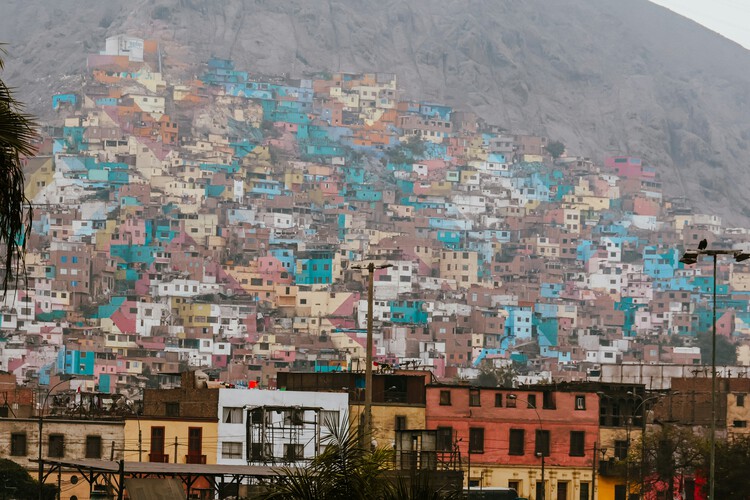
Few projects confront this question as directly as PREVI Lima. Conceived in the late 1960s as Peru's Experimental Housing Project, PREVI invited an international group of architects to develop housing prototypes capable of accommodating growth over time. The project is often remembered for its ambitious roster of designers, which included figures such as James Stirling, Aldo van Eyck, and Christopher Alexander. More than fifty years later, the neighborhood has become a record of resident decisions, revealing a form of architecture designed to remain unfinished.
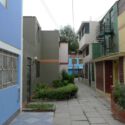
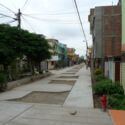
PREVI Lima and the Politics of Resident Authorship in Social Housing - Image 1 of 4PREVI Lima and the Politics of Resident Authorship in Social Housing - Image 2 of 4PREVI Lima and the Politics of Resident Authorship in Social Housing - Image 3 of 4PREVI Lima and the Politics of Resident Authorship in Social Housing - Image 4 of 4PREVI Lima and the Politics of Resident Authorship in Social Housing - More Images+ 14

Serious Play: The Subversive Designs of Lina Bo Bardi and Aldo van Eyck

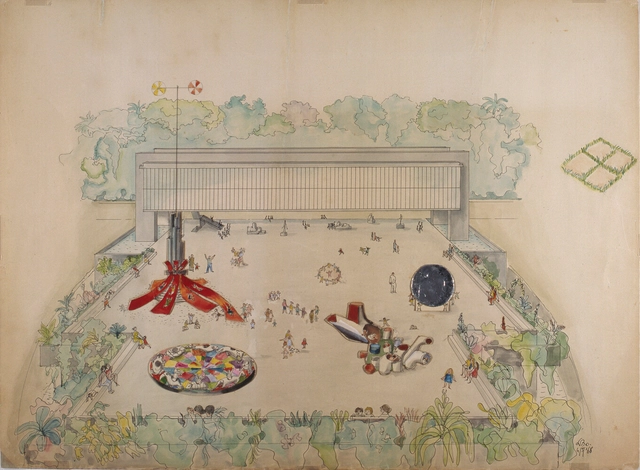
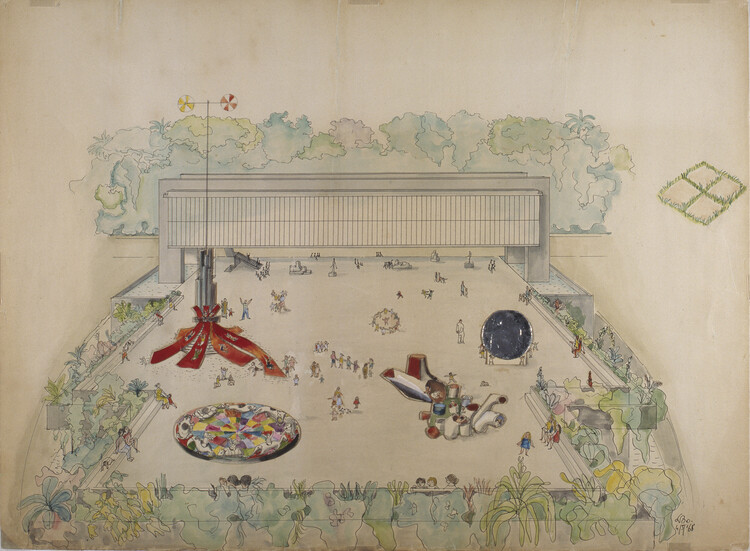
Aldo van Eyck and Lina Bo Bardi were two subversive figures. Their visions of collectivity and playfulness—though applied to very different kinds of structures—shared a common ground: an idea of architecture that goes beyond design. For both, architecture was a living space, animated by appropriation, movement, and exchange. From Dutch playgrounds to thw São Paulo Museum of Art, their ideals intertwined, reinforcing the notion of an architecture where anyone could become a child again.

Serious Play: The Subversive Designs of Lina Bo Bardi and Aldo van Eyck - Image 1 of 4Serious Play: The Subversive Designs of Lina Bo Bardi and Aldo van Eyck - Image 2 of 4Serious Play: The Subversive Designs of Lina Bo Bardi and Aldo van Eyck - Image 3 of 4Serious Play: The Subversive Designs of Lina Bo Bardi and Aldo van Eyck - Image 4 of 4Serious Play: The Subversive Designs of Lina Bo Bardi and Aldo van Eyck - More Images+ 8

Unconventional Playgrounds: Built from Junk, Shaped by Concrete, Freed by Play

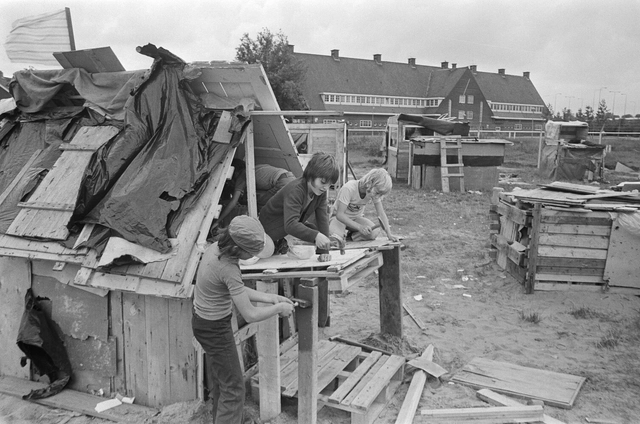
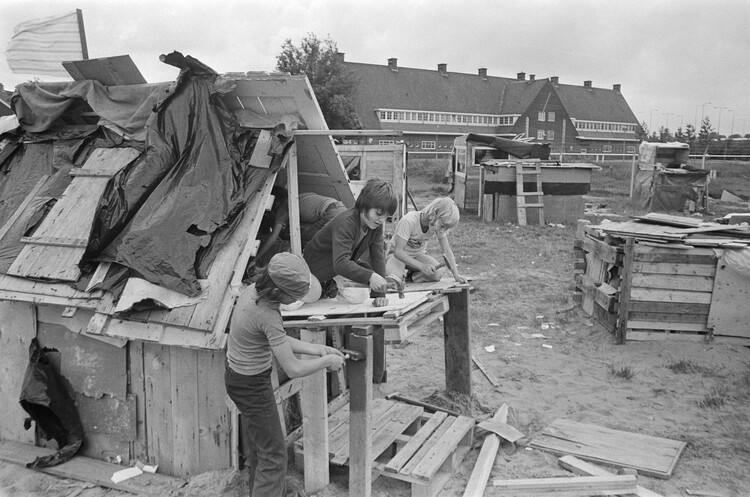
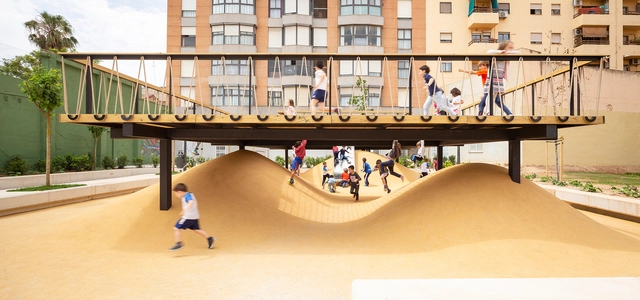
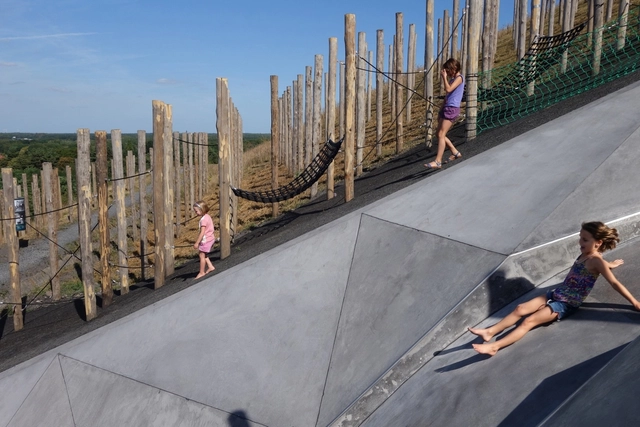
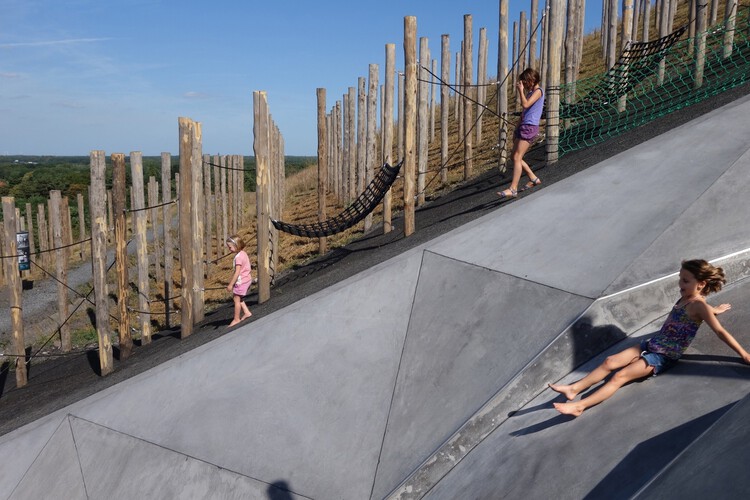
What if the best kind of play isn't the safest? For decades, cities have built playgrounds to be clean, colorful, and easy to supervise. Yet these spaces—designed more for adult peace of mind than for children's curiosity—often strip away what makes play truly transformative: risk, unpredictability, and self-direction. Rising safety standards, shrinking public space, and the commercialization of play equipment have only further narrowed the possibilities for children's independent exploration. From a junkyard in 1940s Copenhagen to the concrete landscapes of postwar Amsterdam, a handful of architects, planners, and activists have challenged the idea that play must be neat and controlled. Their unconventional playgrounds—made of loose parts, raw materials, and abstract forms—gave children the freedom to build, demolish, explore, and get dirty.

Unconventional Playgrounds: Built from Junk, Shaped by Concrete, Freed by Play - Image 1 of 4Unconventional Playgrounds: Built from Junk, Shaped by Concrete, Freed by Play - Image 2 of 4Unconventional Playgrounds: Built from Junk, Shaped by Concrete, Freed by Play - Image 3 of 4Unconventional Playgrounds: Built from Junk, Shaped by Concrete, Freed by Play - Image 4 of 4Unconventional Playgrounds: Built from Junk, Shaped by Concrete, Freed by Play - More Images+ 8

Inclusive Playgrounds: Every Body Can Play Through Architecture

Play extends beyond its recreational dimension, unfolding as a social act that encourages children to learn, interact, be creative, and engage with their spatial context. As Johan Huizinga notes in Homo Ludens, it is a fundamental element of culture, where kids form bonds and explore ways of coexisting. When the architecture of play spaces excludes certain bodies or modes of participation, the collective experience becomes fragmented and loses part of its meaning. Designing with inclusion in mind, therefore, means recognizing that the actual value of play lies in its potential to be shared by everyone.

Playgrounds as Political Spaces: Negotiating Risk, Space, and Childhood

Playgrounds are spatial instruments through which society projects its expectations on childhood, testing the boundaries between control and autonomy, exposure and protection. They regulate how children relate to space, to others, and their bodies — encoding, often invisibly, social norms, fears, and aspirations. In this sense, playgrounds are not peripheral spaces of leisure; they are political constructs shaped by specific ideologies about what childhood is and how it should unfold. Since 1989, the right to play has been formally recognised in the United Nations Convention on the Rights of the Child, affirming that play is a fundamental part of human development. To design a playground is not only to draw lines on a plan or to install equipment in a park; it is to define the conditions under which play is permitted, imagined, or constrained.
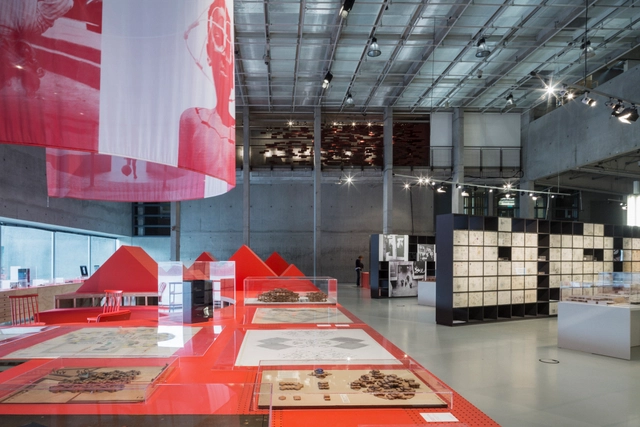
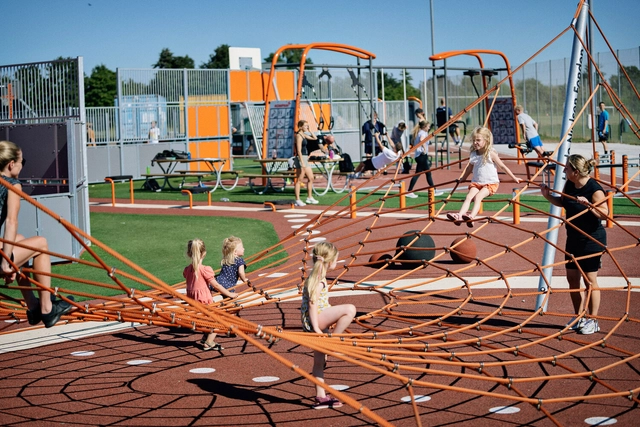
Playgrounds as Political Spaces: Negotiating Risk, Space, and Childhood - Image 1 of 4Playgrounds as Political Spaces: Negotiating Risk, Space, and Childhood - Image 2 of 4Playgrounds as Political Spaces: Negotiating Risk, Space, and Childhood - Image 3 of 4Playgrounds as Political Spaces: Negotiating Risk, Space, and Childhood - Image 4 of 4Playgrounds as Political Spaces: Negotiating Risk, Space, and Childhood - More Images+ 21

Refuges of Hope: 10 Shelters for Vulnerable Children Around the World

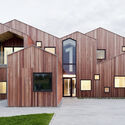
Architecture in children’s shelters serves a purpose beyond building physical spaces; it is about creating refuges that nurture healing, protection, and growth. For vulnerable children, designing these environments plays a vital role in their emotional recovery. Every aspect—from natural lighting to room layout—works together to create a secure and welcoming atmosphere, supporting their physical well-being and psychological and social development.

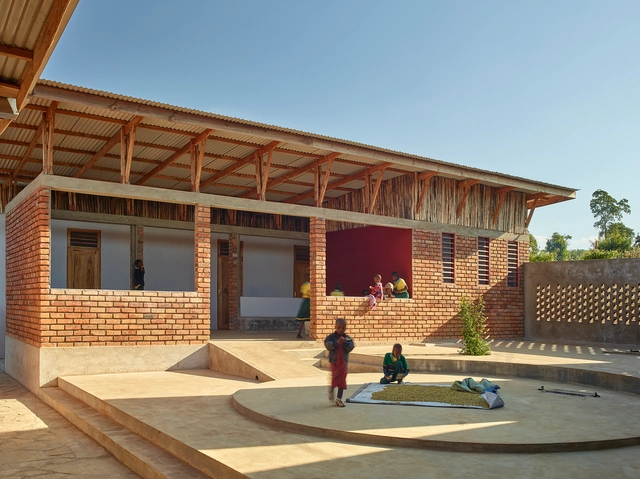
Refuges of Hope: 10 Shelters for Vulnerable Children Around the World - Image 1 of 4Refuges of Hope: 10 Shelters for Vulnerable Children Around the World - Image 2 of 4Refuges of Hope: 10 Shelters for Vulnerable Children Around the World - Image 3 of 4Refuges of Hope: 10 Shelters for Vulnerable Children Around the World - Image 4 of 4Refuges of Hope: 10 Shelters for Vulnerable Children Around the World - More Images+ 10

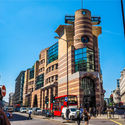
Who Has Won the RIBA Royal Gold Medal?

Subscriber Access | 

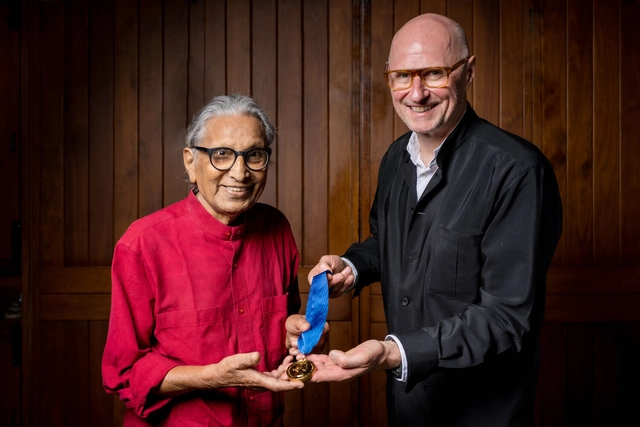
Recognized as the UK’s highest honor for architecture, the RIBA Royal Gold Medal for Architecture is approved personally by Her Majesty The Queen and is given to a person or group of people who have had a significant influence "either directly or indirectly on the advancement of architecture.", according to the organization. In 2024, the recognition was awarded for the first time to an African Woman, to the Ghanaian-Scottish architect, academic, and curator Lesley Lokko.

Who Has Won the RIBA Royal Gold Medal? - Image 1 of 4Who Has Won the RIBA Royal Gold Medal? - Image 2 of 4Who Has Won the RIBA Royal Gold Medal? - Image 3 of 4Who Has Won the RIBA Royal Gold Medal? - Image 4 of 4Who Has Won the RIBA Royal Gold Medal? - More Images+ 9

Amsterdam's Seventeen Playgrounds: Aldo van Eyck's Neglected Legacy

Subscriber Access | 
Amsterdam's Seventeen Playgrounds: Aldo van Eyck's Neglected Legacy - Image 3 of 4
© Seventeen Playgrounds

The Dutch Structuralist architect Aldo van Eyck left his mark in Amsterdam – not only in the form of buildings but also, perhaps surprisingly, in the form of urban playgrounds. Over the course of his career he created a network of more than 700 playgrounds throughout the capital. Today, only a handful of these remain intact. A special publication, compiled by Denisa Kollarova and Anna van Lingen, revisits the seventeen remaining Van Eyck playgrounds in Amsterdam’s city centre. The following extract from the book seeks to introduce the project, and describe its urgency.

We live in an era in which there are not many carefully constructed playgrounds. We don’t like what we see. Have we—city decision makers, architects, designers, parents, friends —forgotten to be critical?

'An Installation In Four Acts' - Exploring Structuralism At Rotterdam's Nieuwe Instituut

Subscriber Access | 

Great movements in architecture are usually set in motion by a dull societal ache or as a response to a sudden, unforeseen reorientation of a community at large. The Dutch city of Rotterdam - vast swathes of which were cast into oblivion during the blitz of May 1940 - has been at the forefront of many shifts in approach to the built environment. It is therefore fitting that the latest exhibition at the Nieuwe Instituut (formerly the NAi), simply titled Structuralism, is being held in the city that was recently named Europe’s best.

Furthermore, Dutch Structuralism is a timely subject for Dirk van den Heuvel and the Jaap Bakema Study Centre (JBSC) in Delft to tackle. With major civic buildings like OMA's extension to Rotterdam's City Hall taking shape, it appears that a resurgence of Structuralist formal thought is appearing in the contemporary city. The exhibition seeks to shine a new light on the movement by uncovering drawings, models and texts which profoundly shaped 20th century architectural thinking.

'An Installation In Four Acts' - Exploring Structuralism At Rotterdam's Nieuwe Instituut - Image 1 of 4'An Installation In Four Acts' - Exploring Structuralism At Rotterdam's Nieuwe Instituut - Image 2 of 4'An Installation In Four Acts' - Exploring Structuralism At Rotterdam's Nieuwe Instituut - Image 3 of 4'An Installation In Four Acts' - Exploring Structuralism At Rotterdam's Nieuwe Instituut - Image 4 of 4'An Installation In Four Acts' - Exploring Structuralism At Rotterdam's Nieuwe Instituut - More Images+ 23