1. ArchDaily
  2. AI Tools

AI Tools: The Latest Architecture and News

Rethinking the Architecture Firm for the AI Era

 | In Collaboration

Artificial intelligence has made its way into almost every corner of professional workflows, prompting the architectural industry to rethink how it works. To adapt to this shift, firms are now facing the limits of a model that has changed very little over the past few decades.

What has shifted, and noticeably so, is the pressure on productivity. Today's studios are expected to deliver more work faster and with greater accuracy, while managing tighter budgets, complex regulations, and rising client expectations. In practice, this translates into compressed timelines and a constant demand for precision that leaves little room for error. Often, much of this pressure falls on a small group of individuals who hold critical project knowledge.

What Architects Expect From AI Tools in 2026

 | Sponsored Content

Artificial intelligence is no longer a distant concept in architectural practice. It is rapidly becoming a practical tool used by firms around the world to accelerate design workflows, generate visualizations, and explore new creative possibilities.

According to a new industry survey conducted by Chaos in collaboration with Architizer, architects are already integrating AI into their daily work. Nearly 800 architects and designers from around the globe participated in the study, sharing insights into how they use AI tools, how much time the technology saves, and how they believe artificial intelligence will shape the future of architecture.

How 2025 Turned Architectural Visuals Into Disputed Media

For much of modern architectural history, images have functioned as interpretive tools rather than literal records. Renderings, drawings, and competition visuals were traditionally understood as speculative instruments, offering atmospheres, intentions, and possible futures rather than fixed realities. This ambiguity allowed architects to communicate ideas that were still in formation, and it shaped a visual culture in which representation was valued as much for its suggestive quality as for its precision.

In recent years, this long-standing relationship began to shift. Architectural images did not simply become more refined or technologically advanced; they took on new social and institutional significance. As images moved beyond professional contexts and entered wider public circulation, their role expanded. They were no longer only methods of communication within the discipline, but also objects of public interpretation, discussion, and, at times, dispute. This marked a subtle but important change in how architectural visuals were understood and used.

How 2025 Turned Architectural Visuals Into Disputed Media - Image 1 of 4How 2025 Turned Architectural Visuals Into Disputed Media - Image 2 of 4How 2025 Turned Architectural Visuals Into Disputed Media - Image 3 of 4How 2025 Turned Architectural Visuals Into Disputed Media - Image 4 of 4How 2025 Turned Architectural Visuals Into Disputed Media - More Images+ 3

How Top Firms See AI Shaping Architecture’s Workflows

 | Sponsored Content

As artificial intelligence tools sweep through creative industries, architecture stands at a pivotal moment: how to adopt systems that amplify design thinking without eroding authorship or craft. To understand how the profession is responding, AIRI Lab surveyed designers and leaders from practices including LWK+P, MVRDV, Gensler, Büro Ole Scheeren, CUBE, HUAYI, and others. Their responses reveal a nuanced, pragmatic view: AI is a collaborator rather than a substitute.

Snaptrude Launches Free Student Plan to Equip the Next Generation of Architects

 | Sponsored Content

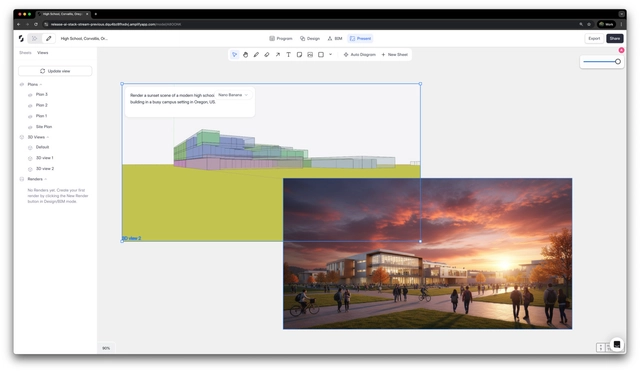
Snaptrude announced the launch of the Snaptrude Student Plan, a free offering that gives architecture students worldwide full access to Snaptrude's professional platform and intelligent AI workflows. The initiative reflects Snaptrude's commitment to strengthening architectural education and ensuring that emerging designers can build real-world skills while still in school. Full access to the professional platform and AI tools empowers students to design faster and build portfolio-ready work.