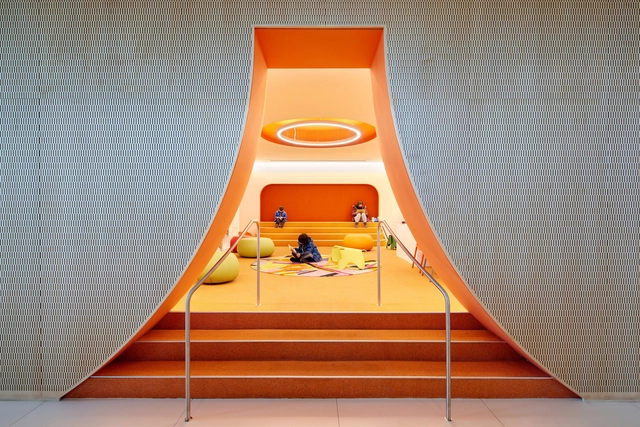
What is the vision for a 21st-century library? How can architecture professionals foster the interest of new and future generations in reading? Globally, the rapid growth of communication technologies, along with the increase in available information and the constant need to update knowledge, brings with it new educational approaches, cultural practices, and community activities that involve the creation of more dynamic spaces capable of adapting to different functions simultaneously. The connection with play, the integration of other uses, or even the incorporation of new technologies typically play a central role in the interiors of contemporary libraries designed for a young audience.
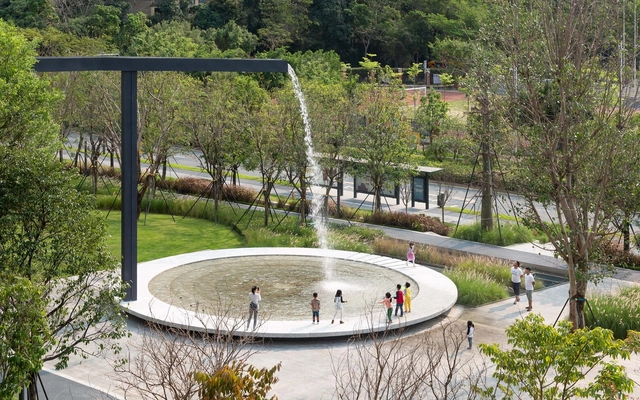
Due to climate change, heat waves are becoming increasingly frequent and intense, and they present a critical challenge for the design of urban spaces. Elevated temperatures exacerbate public health issues, increase energy consumption, and diminish cities' overall quality of life. Urban design must adopt strategies that promote resilience to mitigate these effects rather than merely replicating traditional formats that do not address the thermal stress experienced by many.
For quite some time, we have recognized the positive effects of urban green spaces, interaction with nature, water, and soil, and the associated health and well-being benefits for residents living next to parks. The significance of this matter has been further underscored, particularly in the aftermath of the panic induced by the Covid-19 pandemic. However, the present moment once again highlights the influence of our urban models on modern life, now grappling with unprecedented extreme temperatures.
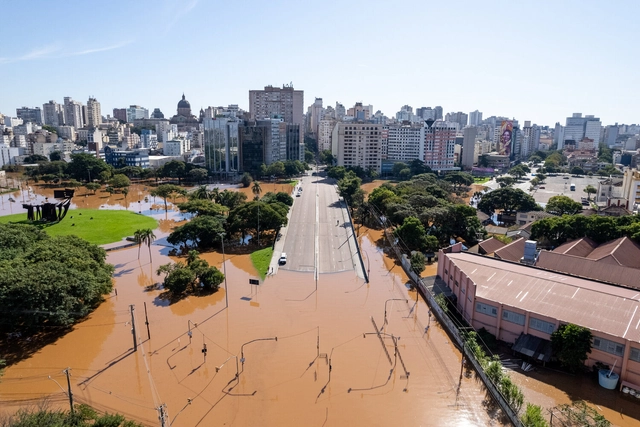
PORTO ALEGRE, RS, BRAZIL, 05/07/2024 - General photos of floods, Av Loureiro da Silva, CAFF and region. Photos: Gustavo Mansur/ Piratini Palace. Flickr user licensed under CC BY-NC 2.0 DEED Attribution-NonCommercial 2.0 Generic
The world has changed, and accepting this fact is no longer a matter of choice but survival. Our rainfall patterns, periods of drought, average temperatures, sea levels—everything is in constant flux. The denialist stance of many countries, including Brazil, has led to catastrophic situations like the one we are facing now.
The floods that devastated the southern region of the country in recent days cannot be considered isolated incidents. Due to global warming, climate events like this will become increasingly frequent. In other words, unfortunately, we cannot prevent them from happening, but we can—and must—make our cities more resilient to these situations.
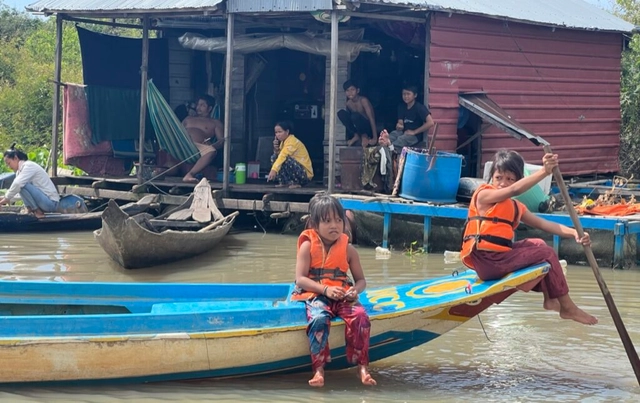
Lake Tonle Sap is a part of Cambodia’s inland water system that’s connected to the flooded forests that purify water and buffer communities from storms—an important benefit as climate change makes extreme weather more frequent. Every year from June to November, the Mekong Delta backs up into Lake Tonle Sap, creating water-depth fluctuations of up to 10 meters. The result is that land-based buildings are inundated during the rainy season, then refurbished and reoccupied again after the water recedes.
The year 2024 brings forth an intriguing array of Color of the Year selections from renowned paint manufacturers, each offering a unique perspective on the hues that will influence our living spaces. Striving to capture the moods and aspirations of the coming year, color experts have veered towards soft and calming shades, hoping to bring a sense of serenity to counter the hectic and tumulus passing year. Countering the bold color chosen by Pantone in 2023 as their previous Color of the Year, Benjamin Moore embraces a softly saturated and nuanced shade, AkzoNobel emphasizes calmness and stability, Sherwin Williams aims to inspire mindfulness, Graham & Brown fosters warmth and tranquility, and C2 Paint focuses on freshness and sustainability.
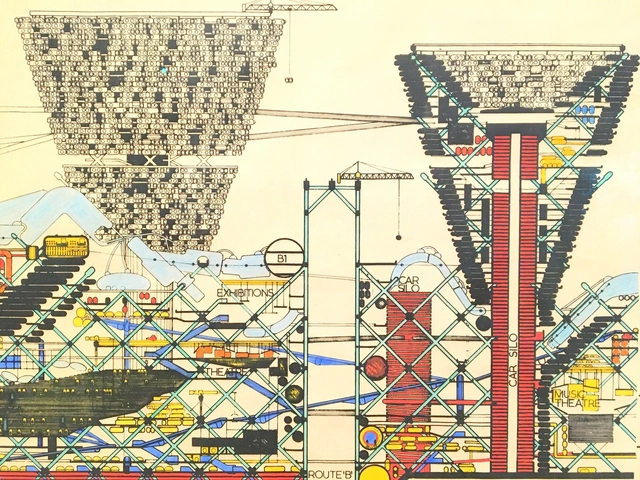
The concept of a city can be viewed as a constantly evolving system where both architects and users contribute to its design and redesign. While its framework may start with planners or designers, the character of the urban fabric is ultimately shaped by the societies and generations that inhabit it. The question of "city authorship" often arises in the context of masterplan design. Can architects and urban planners determine the extent to which a city will evolve through its initial design? The answer is no. User authorship then acknowledges that city planning should not be approached like building design, where designers attempt to predict every aspect of shape, pattern, behavior, and culture. Instead, it recognizes the role that people play in shaping the urban fabric through their personal taste in architecture, the development of neighborhood personality, and ongoing redesign that contributes to the story and spirit of a place. These factors should be considered in the initial design by engaging ideas related to future expansion, adaptable infrastructure, and empowering citizens to contribute to the city's architecture, thus making the city design democratic. This article explores conceptual radical cities where designers embrace the ideas of user authorship and the constant evolution of ephemeral architecture.
As part of the Circlewood consortium, OMA’s David Gianotten and Michel den Otter have developed a modular system to build schools that can adapt and transform throughout their lifecycle. The system was selected by the City of Amsterdam to be employed to build multiple schools in the coming ten years, as part of the Innovation Partnership School Buildings program. The citywide initiative aims to build nine to thirty “high-quality, flexible, and sustainable” schools as a way to contribute to the city’s goal of becoming fully circular by 2050.
Climate change has been one of the most pressing topics of this year, and for a good reason. Its effects are visible not only in natural habitats but also in urban environments. The construction industry has an important role to play in this dynamic. Throughout the year, events such as COP27 emphasized the importance of striving to achieve net carbon zero and the challenges faced by developing countries affected by increasingly devastating natural disasters. Possible directions for development include actions at varying stages and scales, from optimizing green spaces for urban heat control to employing local and innovative building materials to minimize the carbon footprint or passing laws that help create more sustainable urban and natural environments.
This article represents a roundup of articles published on ArchDaily during the course of 2022 with themes related to climate change and architecture’s potential to make a difference. It breaks down the topic into four main questions: What Are Cities Doing to Mitigate Urban Heat? How to Tackle Rising Sea Levels? What Was COP27 and Why Does It Matter? Can Building Materials Play a Role in Achieving These Goals? The last section presents an overview of new legislation approved during 2022 as a way of understanding how state and local governments are imposing this need for change.
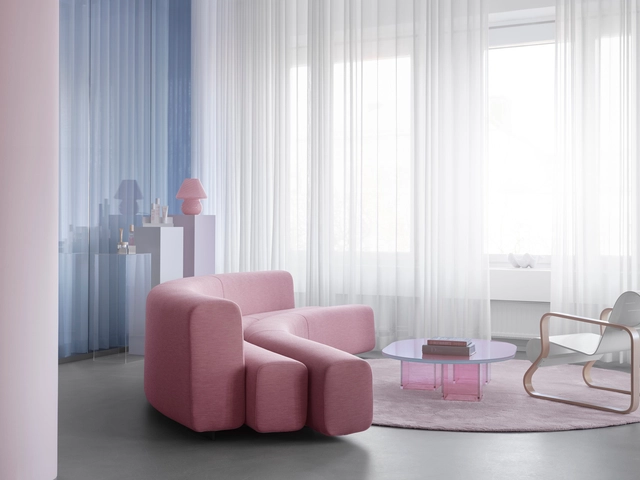
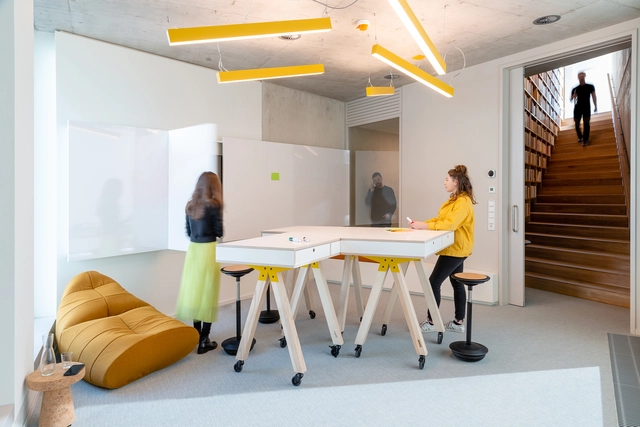
In a time where space grows more and more limited and people increasingly spend time at home, flexibility presents itself as an underutilized strategy of interior design. With flexible furniture, residents can optimize square footage and easily reshape configurations according to specific requirements and shifting needs. Below, we discuss the benefits and variations of furniture on wheels, closing with 7 example projects illustrating their creative and practical application.
https://www.archdaily.com/950641/why-should-we-design-spaces-with-furniture-on-wheelsLilly Cao
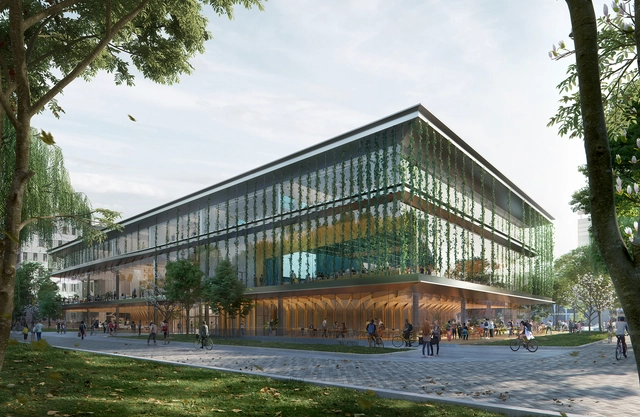
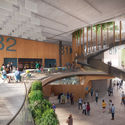
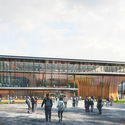
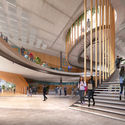
Part of Delft University of Technology (TU Delft), in the Netherlands, Echo is a new multifunctional and flexible inter-faculty building, now under construction and due for completion in Dec 2021. Designed by UNStudio, in collaboration with Arup and BBN, the future-proof facility meets the needs of the ever-increasing numbers of students.
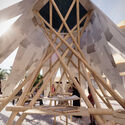
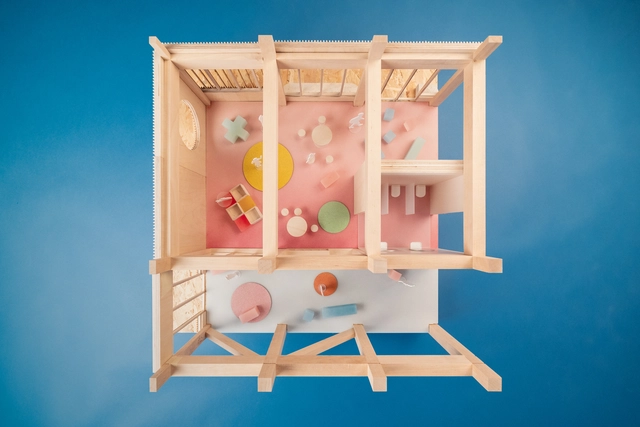
Pragmatic Award - Director's Choice. Image Courtesy of HOME Competition 2019
The HOME competition 2019, organized by architectural initiative arch out loud, has released its winning projects. The annual challenge that pushed the limits of adaptability and innovation, asked designers “What is the future of HOME?”
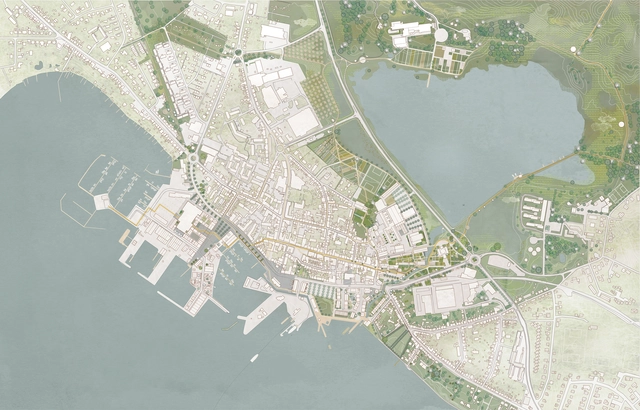
Kjellander Sjöberg, one of the leading architectural practices in Scandinavia, in collaboration with GHB Landskabsarkitekter, Mogens A. Morgen, Realise and Tyréns, was selected to design a strategic development plan for Faaborg. The coastal town in southern Denmark is facing many challenges like a high risk of flooding and an important decrease in its population.
As you may know, things aren't going too well for mother earth. With challenges like deforestation, fires, pollution, and even methane from cows we are facing an uphill battle against climate change.
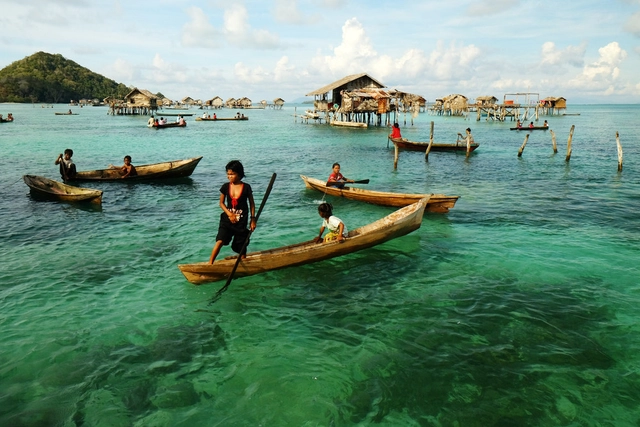
Thousands of years ago, a small civilization of hunter gatherers migrated to the coastal regions of Southeast Asia. These people progressed into a widespread tribe of travelling sea dwellers. To this day, they remain a stateless people with no nationality and no consistent infrastructure, sometimes living miles away from land. Yet these people are one of the few civilizations whose collective life practices have survived so long through human history. They are called the Badjao, and they have a surprising amount to teach us about architecture.
































.jpg?1577975601&format=webp&width=640&height=580)
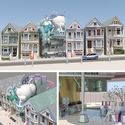
.jpg?1577975466 "Adaptability Award - Winner. Image Courtesy of HOME Competition 2019")
.jpg?1577975388 "Adaptability Award - Honorable Mention. Image Courtesy of HOME Competition 2019")
.jpg?1577975601)