1. ArchDaily
  2. AD Topics

AD Topics: The Latest Architecture and News

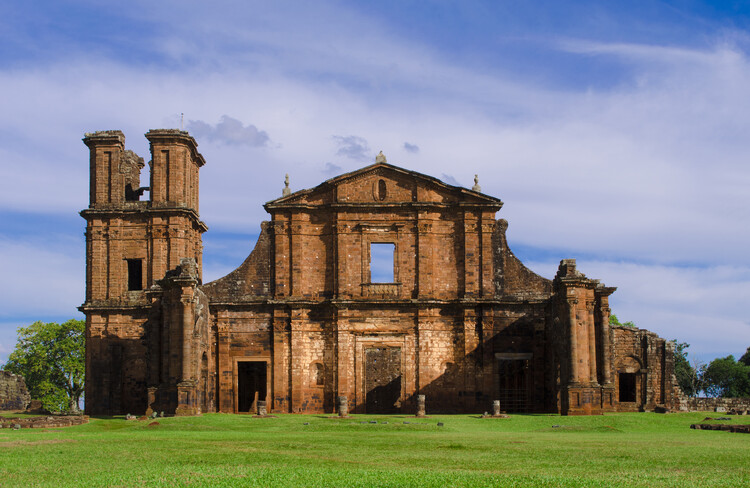
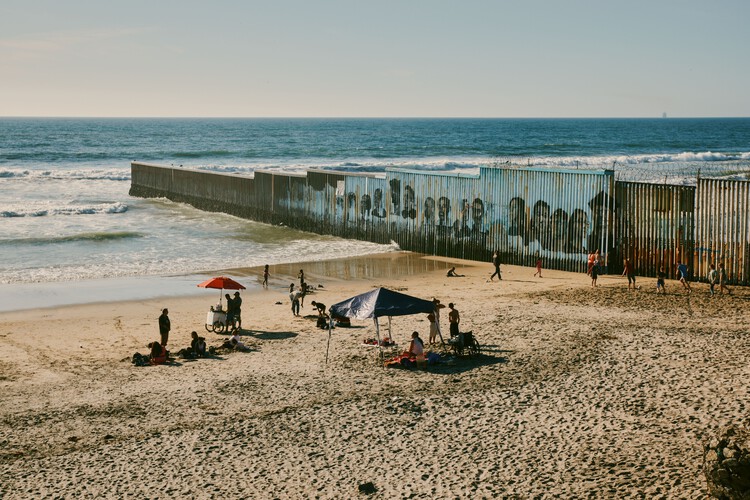
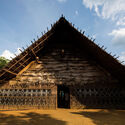
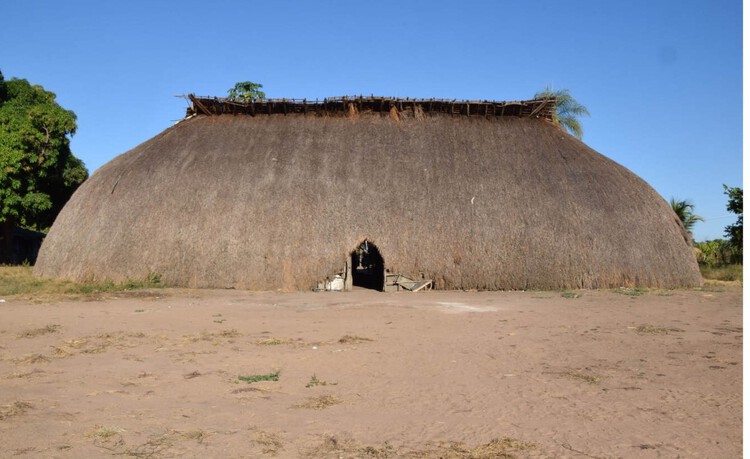
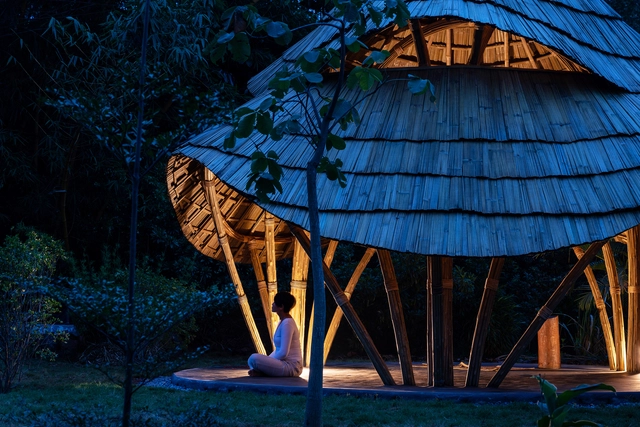
Who Decides What Is Worth Preserving? Power and Heritage in Latin America

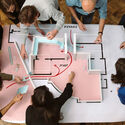
When we enter a museum, walk through a historic center, or review a country’s list of protected heritage sites, we rarely think about the process behind those choices. Who decided, on behalf of all of us, that certain objects, places, and architectures deserved to be preserved and disseminated, while others were discarded?

In most cases, the power of decision lies with specialized professionals—historians, museologists, architects, geographers. But on what basis are these decisions made? Can the complexity of history be reduced to a checklist? Or, more fundamentally, which version of history underlies these choices?

Who Decides What Is Worth Preserving? Power and Heritage in Latin America - Image 1 of 4Who Decides What Is Worth Preserving? Power and Heritage in Latin America - Image 2 of 4Who Decides What Is Worth Preserving? Power and Heritage in Latin America - Image 3 of 4Who Decides What Is Worth Preserving? Power and Heritage in Latin America - Image 4 of 4Who Decides What Is Worth Preserving? Power and Heritage in Latin America - More Images+ 13

The Kitchen as a Social Space: Everyday Rituals and the Making of Place

Can architecture be built from food? Between the fire that warms, the smells that spread, and the bodies that gather around the table, the apparent banality of cooking and eating reveals itself as a choreographed dance of spatial appropriation and belonging. These gestures organize routines, produce bonds, and transform the built environment into lived place. The kitchen—domestic, communal, or urban—thus ceases to be merely a functional space and affirms itself as a territory of encounter.

The Kitchen as a Social Space: Everyday Rituals and the Making of Place - Image 1 of 4The Kitchen as a Social Space: Everyday Rituals and the Making of Place - Image 2 of 4The Kitchen as a Social Space: Everyday Rituals and the Making of Place - Image 3 of 4The Kitchen as a Social Space: Everyday Rituals and the Making of Place - Image 4 of 4The Kitchen as a Social Space: Everyday Rituals and the Making of Place - More Images+ 8

From the Courtyard to the Neighborhood: Latin American Lessons on Collective Placemaking

In Latin America, encounters do not necessarily arise from grand architectural gestures or monumental urban plans. They emerge from the in-between, from intermediate spaces: the courtyard, the veranda, the sidewalk, the shared corridor. These areas, often considered residual or informal by the traditional architectural discipline, are precisely where everyday life builds bonds.

From this Latin American culture comes a spatial logic in which daily life is organized in a relational and expansive way. Practices such as sitting at the front door, occupying the sidewalk, and playing in the street produce a lived city that extends beyond the formal limits of design.

From the Courtyard to the Neighborhood: Latin American Lessons on Collective Placemaking - Image 1 of 4From the Courtyard to the Neighborhood: Latin American Lessons on Collective Placemaking - Image 2 of 4From the Courtyard to the Neighborhood: Latin American Lessons on Collective Placemaking - Image 3 of 4From the Courtyard to the Neighborhood: Latin American Lessons on Collective Placemaking - Image 4 of 4From the Courtyard to the Neighborhood: Latin American Lessons on Collective Placemaking - More Images+ 5

What Fits in the Void? Terrain Vague and Cities That Resist Planning

Subscriber Access | 

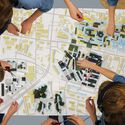
Every city carries, woven into its fabric, fissures that resist capture: ruins, vacant lots, leftover infrastructures, and gaps that persist at the margins of the official narrative. These are places that slip through the logics of planning, emerging as unexpected counter-scenes within a territory that seeks to present itself as coherent.

In the rush to organize and predict, we rarely pause to notice what emerges from such unforeseen conditions. Yet it is precisely in them that new forms of urban life begin to take shape. Free from pragmatic control or predetermined codes of conduct, these spaces reveal another layer of the city — one that, in its continual state of latency, opens room for new modes of appropriation.

What Fits in the Void? Terrain Vague and Cities That Resist Planning - Image 1 of 4What Fits in the Void? Terrain Vague and Cities That Resist Planning - Image 2 of 4What Fits in the Void? Terrain Vague and Cities That Resist Planning - Image 3 of 4What Fits in the Void? Terrain Vague and Cities That Resist Planning - Image 4 of 4What Fits in the Void? Terrain Vague and Cities That Resist Planning - More Images+ 8

Louvres Around the World: The Export of Museums and Architecture as a Global Brand

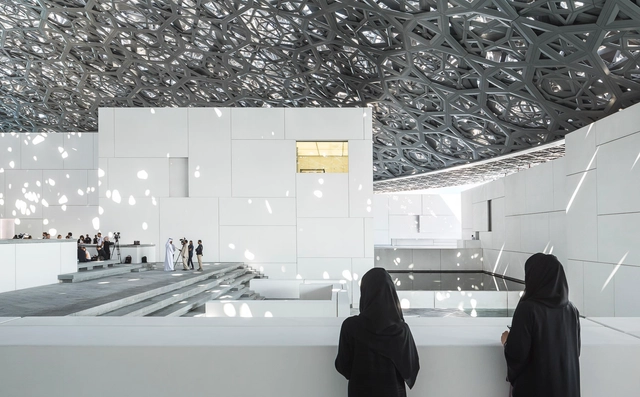
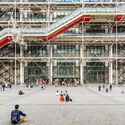
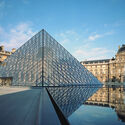
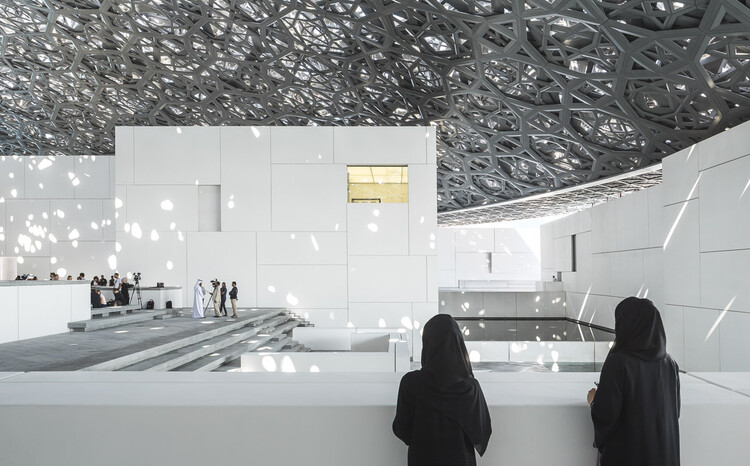
It is undeniable that, at first glance, the idea of a Louvre in Abu Dhabi or a Centre Pompidou in Brazil may seem somewhat disconcerting. The image of these museums, internationally renowned, appears in many ways inseparable from their original cultural contexts. And to some extent, it truly is. The Louvre, deeply rooted in the history of France as a former fortress and later royal residence, embodies a set of invaluable heritage values, further amplified by I. M. Pei’s iconic glass pyramid intervention in 1989. The Pompidou, meanwhile, is remembered as a historic turning point: by redefining the concept of public infrastructure through radically unconventional architecture, it marked the first time culture drew in mass audiences.

Louvres Around the World: The Export of Museums and Architecture as a Global Brand - Image 1 of 4Louvres Around the World: The Export of Museums and Architecture as a Global Brand - Image 2 of 4Louvres Around the World: The Export of Museums and Architecture as a Global Brand - Image 3 of 4Louvres Around the World: The Export of Museums and Architecture as a Global Brand - Image 4 of 4Louvres Around the World: The Export of Museums and Architecture as a Global Brand - More Images+ 8

Architects as Mediators: Three Cases of Dialogue Between Communities, Governments, and Businesses in the Global South

In contemporary times, architectural practice goes far beyond designing buildings or materializing ideas; it has become a multidimensional field, taking on broader and more complex roles. In contexts marked by inequality, environmental crises, and territorial disputes, architecture becomes a tool for negotiation, capable of mediating interests among diverse actors. In this scenario, architects also assume the roles of cultural translators, social facilitators, and, often, advocates for collective rights.

Architects as Mediators: Three Cases of Dialogue Between Communities, Governments, and Businesses in the Global South - Image 1 of 4Architects as Mediators: Three Cases of Dialogue Between Communities, Governments, and Businesses in the Global South - Image 2 of 4Architects as Mediators: Three Cases of Dialogue Between Communities, Governments, and Businesses in the Global South - Image 3 of 4Architects as Mediators: Three Cases of Dialogue Between Communities, Governments, and Businesses in the Global South - Image 4 of 4Architects as Mediators: Three Cases of Dialogue Between Communities, Governments, and Businesses in the Global South - More Images+ 12

Teaching Empathy: New Approaches to Architecture Education in Latin America

Historically, the first universities in the contemporary model were established in Europe to educate elites for the State and the Church, rather than to promote social emancipation. With the rise of capitalism, they became privileged centers for producing and reproducing modern Western culture. However, from the 1960s onward—particularly after the student uprisings of May 1968—the academic focus shifted toward market-oriented values, displacing humanist and critical ideals. The humanities lost prominence, while technical fields gained central importance, often at the expense of reflecting on the social impact of their work.

Teaching Empathy: New Approaches to Architecture Education in Latin America - Image 1 of 4Teaching Empathy: New Approaches to Architecture Education in Latin America - Image 2 of 4Teaching Empathy: New Approaches to Architecture Education in Latin America - Image 3 of 4Teaching Empathy: New Approaches to Architecture Education in Latin America - Featured ImageTeaching Empathy: New Approaches to Architecture Education in Latin America - More Images+ 6

Childhood and Ancestry: What South American Indigenous Communities Can Teach Us About Environments for Children

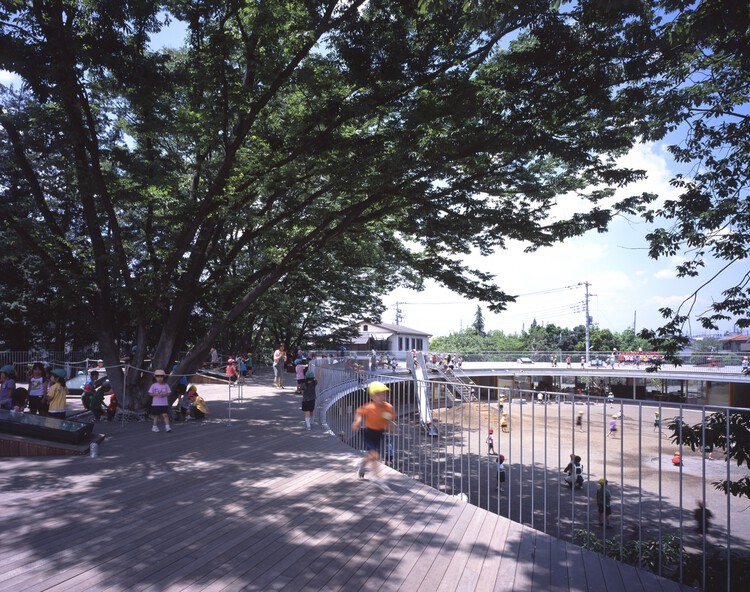
In South American Indigenous communities, a child’s place is wherever they choose to be. Babies crawl on the earthen floor, approach the fire, investigate anthills, and experience the world with their whole bodies. They learn by feeling: discovering limits, recognizing dangers, and gathering lessons no manual could ever teach. In urban contexts, by contrast, children are often confined to spaces designed for adults, filled with rules that—though well-intentioned—tend to distance them from essential experiences. Rather than judging which model is “better,” what matters is recognizing that when cultures observe one another, there is always room for learning.

From an architectural perspective, this childhood with little freedom of time and movement challenges us to rethink how we shape daily environments. Why restrict spontaneous exploration to controlled settings? Why create physical and symbolic barriers between children and the natural world? And, above all, how might contemporary architecture break away from this paradigm and, inspired by Indigenous childhoods, design environments that restore to children their wild, curious, and complete dimension?

Childhood and Ancestry: What South American Indigenous Communities Can Teach Us About Environments for Children - Image 1 of 4Childhood and Ancestry: What South American Indigenous Communities Can Teach Us About Environments for Children - Image 2 of 4Childhood and Ancestry: What South American Indigenous Communities Can Teach Us About Environments for Children - Image 3 of 4Childhood and Ancestry: What South American Indigenous Communities Can Teach Us About Environments for Children - Image 4 of 4Childhood and Ancestry: What South American Indigenous Communities Can Teach Us About Environments for Children - More Images+ 15

The Why, What, and How of Human-Centered and Successful Playground Design

 | Sponsored Content

By Jeanette Fich Jespersen, MA, Head of the KOMPAN Play Institute, Head of the steering committee of the World Playground Research Institute, University of Southern Denmark, Vice-president of International Play Association, Denmark.

"No, I don't want to go to that playground. It is boring!" This may sound like something no child would ever utter. But children do have strong opinions on what playgrounds they like, from quite early on. The reason why not only parents and caregivers but also city planners and architects should listen and adjust is more critical than ever.

Evolving Urban Playgrounds: 5 Design Strategies and 31 Projects Around the Globe

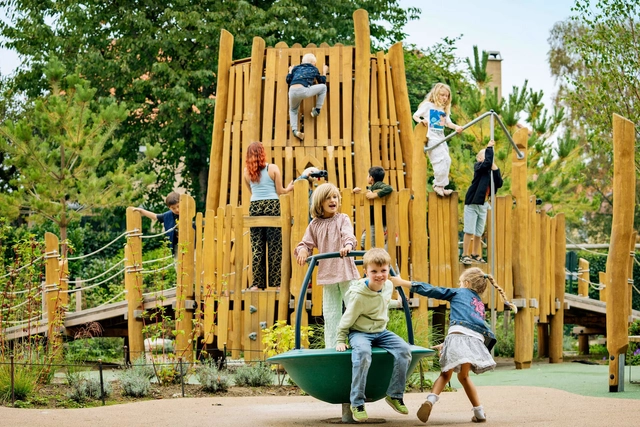
Urban playgrounds are evolving from simple swing sets and slides into dynamic, multi-faceted urban landscapes. These new designs are more than just places to play; they are thoughtfully integrated spaces that address urban challenges, promote community, and inspire creativity. A key trend is the intentional use of color and pattern. Designers are utilizing vibrant color zones to segment different functional areas, creating a visually dynamic experience that contrasts with natural surroundings. This approach can also be used to establish a cohesive urban identity, with thoughtful color palettes that complement the existing cityscape.

Evolving Urban Playgrounds: 5 Design Strategies and 31 Projects Around the Globe - Image 1 of 4Evolving Urban Playgrounds: 5 Design Strategies and 31 Projects Around the Globe - Image 2 of 4Evolving Urban Playgrounds: 5 Design Strategies and 31 Projects Around the Globe - Image 3 of 4Evolving Urban Playgrounds: 5 Design Strategies and 31 Projects Around the Globe - Image 4 of 4Evolving Urban Playgrounds: 5 Design Strategies and 31 Projects Around the Globe - More Images+ 34

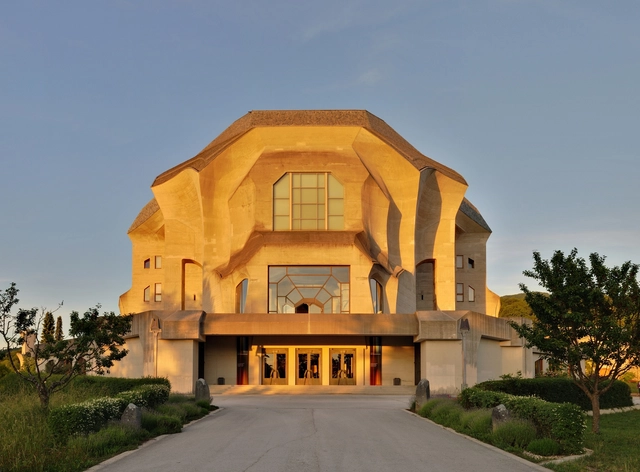
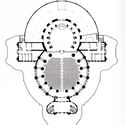
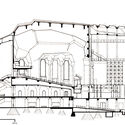
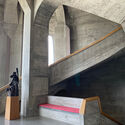
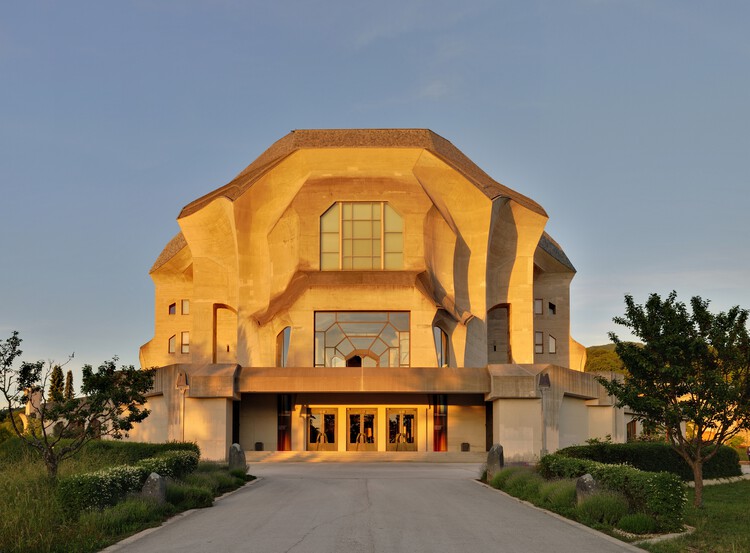
Living Cycles in Regenerative Architecture: Lessons from the Goetheanum

As climate uncertainty and ecosystem changes reshape design priorities, architecture plays an increasingly active role in these discussions, rather than merely observing. Within this perspective, the idea of making a "re" encourages a conscious step back to rethink, reconnect, and realign the relationship between buildings and their environments. This approach, central to regenerative architecture, extends beyond specific technologies or scales, encompassing everything from master plans that aim to re-naturalize cities to national pavilions that combine art and science.

What is the way forward? On the one hand, many current discussions emphasize technology; on the other, there are approaches that, rather than being in opposition, complement one another and broaden the range of possibilities, drawing on tradition, ancestral knowledge, and a profound understanding of the environment. Among these perspectives, the work of Rudolf Steiner and the anthroposophical movement, developed in the early 20th century, offers a vision and insights that connect architecture with ecological rhythms, materials, and community life.
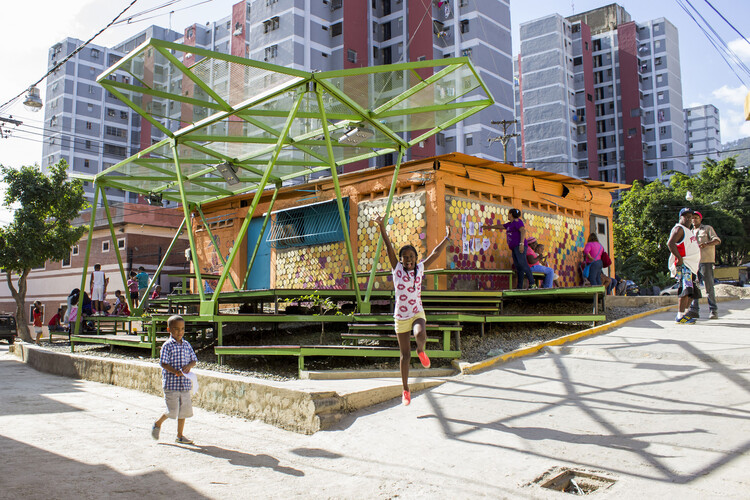
Living Cycles in Regenerative Architecture: Lessons from the Goetheanum - Image 1 of 4Living Cycles in Regenerative Architecture: Lessons from the Goetheanum - Image 2 of 4Living Cycles in Regenerative Architecture: Lessons from the Goetheanum - Image 3 of 4Living Cycles in Regenerative Architecture: Lessons from the Goetheanum - Image 4 of 4Living Cycles in Regenerative Architecture: Lessons from the Goetheanum - More Images+ 9

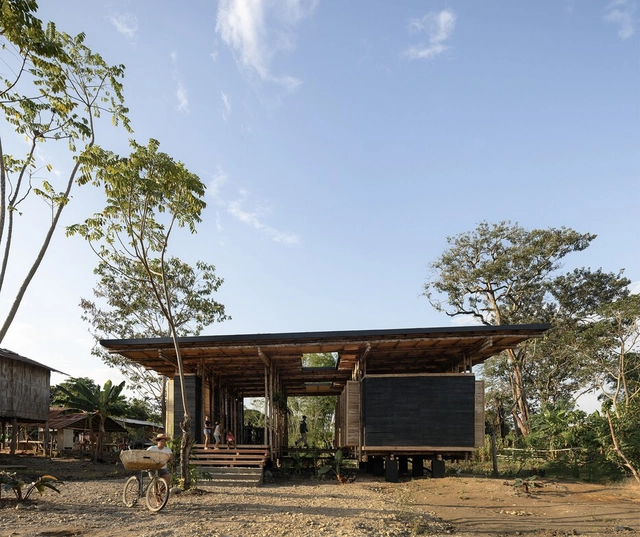
From Extraction to Regeneration: Architecture's Role in Rural Developments in Latin America

Rural areas have long played a foundational role in the social and economic development of nations. Until the 18th century, they were the primary sites of production and social organization. However, the Industrial Revolution brought profound structural shifts that reshaped this landscape. Industry took center stage, anchoring itself in urban environments and establishing a hierarchical, binary view of rural versus urban, agriculture versus industry. Within this new paradigm, two opposing narratives gained prominence: one predicted the decline of rural life in the face of urbanization and economic progress; the other envisioned its persistence and eventual renewal. Today, it is clear which of these predictions has come to pass.

From Extraction to Regeneration: Architecture's Role in Rural Developments in Latin America - Image 1 of 4From Extraction to Regeneration: Architecture's Role in Rural Developments in Latin America - Image 2 of 4From Extraction to Regeneration: Architecture's Role in Rural Developments in Latin America - Image 3 of 4From Extraction to Regeneration: Architecture's Role in Rural Developments in Latin America - Image 4 of 4From Extraction to Regeneration: Architecture's Role in Rural Developments in Latin America - More Images+ 9

Nothing Is Lost, Everything Transforms: The Reusable Future of the Biennial’s Structures

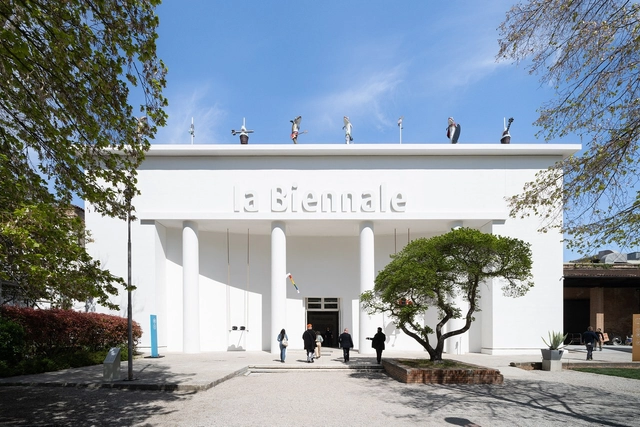
At the end of each edition of the Architecture Biennale, far from the public eye, tons of exhibition materials are transported across Venice in handcarts and boats. Only a small portion of these materials is reused. The main obstacles are the limited storage space in Venice and the high logistical costs—recurring challenges for circular architecture. As a result, most of the waste ends up in landfills or nearby recycling centers. But this scenario is beginning to change. In response to growing environmental concerns, architects are developing strategies to make reuse more viable. These efforts go beyond architectural and construction decisions—they also involve logistics and international trade.

Nothing Is Lost, Everything Transforms: The Reusable Future of the Biennial’s Structures - Image 1 of 4Nothing Is Lost, Everything Transforms: The Reusable Future of the Biennial’s Structures - Image 2 of 4Nothing Is Lost, Everything Transforms: The Reusable Future of the Biennial’s Structures - Image 3 of 4Nothing Is Lost, Everything Transforms: The Reusable Future of the Biennial’s Structures - Image 4 of 4Nothing Is Lost, Everything Transforms: The Reusable Future of the Biennial’s Structures - More Images+ 9

Between Algorithms and Ancestral Knowledge: Expanding the Concept of Architectural Intelligence

Artificial intelligence (AI) is no longer a futuristic idea in architecture — it is a concrete reality that is reshaping how we design. In seconds, computational systems can process and evaluate a wide range of variables — formal, programmatic, contextual, and regulatory — guiding architects toward highly optimized solutions. But as we embrace this algorithmic revolution, a critical question arises: can architectural intelligence be reduced to data-driven logic? In response, alternative approaches are gaining momentum — ones that value ways of building grounded in sensory experience, adaptation to place, and the intergenerational transmission of knowledge. In the exchange between artificial and ancestral forms of intelligence, a deeper understanding begins to take shape. Intelligence does not reside in the tools themselves, but in the intention and sensitivity with which we use them to navigate complex realities.

Between Algorithms and Ancestral Knowledge: Expanding the Concept of Architectural Intelligence - Image 1 of 4Between Algorithms and Ancestral Knowledge: Expanding the Concept of Architectural Intelligence - Image 2 of 4Between Algorithms and Ancestral Knowledge: Expanding the Concept of Architectural Intelligence - Image 3 of 4Between Algorithms and Ancestral Knowledge: Expanding the Concept of Architectural Intelligence - Image 4 of 4Between Algorithms and Ancestral Knowledge: Expanding the Concept of Architectural Intelligence - More Images+ 8

Architectures of Care: Healing Spaces Across Cultures

Around the world, different cultures have developed unique ways of understanding and experiencing healing. Far from being merely a physical process, healing encompasses emotional, spiritual, social, and architectural dimensions. Healing spaces—whether physical, symbolic, or natural—reflect each culture's values, beliefs, and ways of life. Exploring these cultural approaches not only broadens our perspective on health but also encourages us to reconsider how we design environments that nurture care and well-being.

Architectures of Care: Healing Spaces Across Cultures - Image 1 of 4Architectures of Care: Healing Spaces Across Cultures - Image 2 of 4Architectures of Care: Healing Spaces Across Cultures - Image 3 of 4Architectures of Care: Healing Spaces Across Cultures - Image 4 of 4Architectures of Care: Healing Spaces Across Cultures - More Images+ 12

Refuges of Hope: 10 Shelters for Vulnerable Children Around the World

Architecture in children’s shelters serves a purpose beyond building physical spaces; it is about creating refuges that nurture healing, protection, and growth. For vulnerable children, designing these environments plays a vital role in their emotional recovery. Every aspect—from natural lighting to room layout—works together to create a secure and welcoming atmosphere, supporting their physical well-being and psychological and social development.

Refuges of Hope: 10 Shelters for Vulnerable Children Around the World - Image 1 of 4Refuges of Hope: 10 Shelters for Vulnerable Children Around the World - Image 2 of 4Refuges of Hope: 10 Shelters for Vulnerable Children Around the World - Image 3 of 4Refuges of Hope: 10 Shelters for Vulnerable Children Around the World - Image 4 of 4Refuges of Hope: 10 Shelters for Vulnerable Children Around the World - More Images+ 10

Mimetic Houses: 15 Latin American Projects Integrated into the Landscape

Latin America's natural landscape is incredibly diverse, featuring everything from majestic mountains to expansive deserts. In this varied geography, many architectural projects are noteworthy for their seamless integration with their surroundings, blending subtly into the landscape. This is accomplished by carefully choosing materials, colors, and shapes that reflect the natural environment.
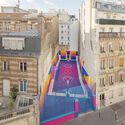
 Mimetic Houses: 15 Latin American Projects Integrated into the Landscape - Image 1 of 4 Mimetic Houses: 15 Latin American Projects Integrated into the Landscape - Image 2 of 4 Mimetic Houses: 15 Latin American Projects Integrated into the Landscape - Image 3 of 4 Mimetic Houses: 15 Latin American Projects Integrated into the Landscape - Image 4 of 4 Mimetic Houses: 15 Latin American Projects Integrated into the Landscape - More Images+ 24

Green Therapy: How Does Nature Contribute to Healing Hospitalized Patients?

Connection with nature has become increasingly important in architectural theory and practice in recent years, especially after the COVID-19 pandemic, which emphasized the role of natural environments in healing. During this time, many scientific studies highlighted the positive effects of green spaces on human well-being, whether in workplaces, homes, or urban areas. With these proven benefits, it is clear that incorporating natural elements into hospital designs is crucial, creating spaces that provide vital support for patients facing physical or mental challenges.
Green Therapy: How Does Nature Contribute to Healing Hospitalized Patients? - Image 4 of 4Green Therapy: How Does Nature Contribute to Healing Hospitalized Patients? - Image 1 of 4Green Therapy: How Does Nature Contribute to Healing Hospitalized Patients? - Image 2 of 4Green Therapy: How Does Nature Contribute to Healing Hospitalized Patients? - Image 3 of 4Green Therapy: How Does Nature Contribute to Healing Hospitalized Patients? - More Images+ 4