1. ArchDaily
  2. AD Projects Roundup

AD Projects Roundup: The Latest Architecture and News

Building with the Landscape: Non-Invasive Design Strategies for Steep Terrain

Subscriber Access | 

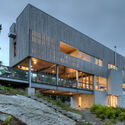
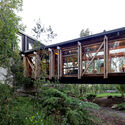
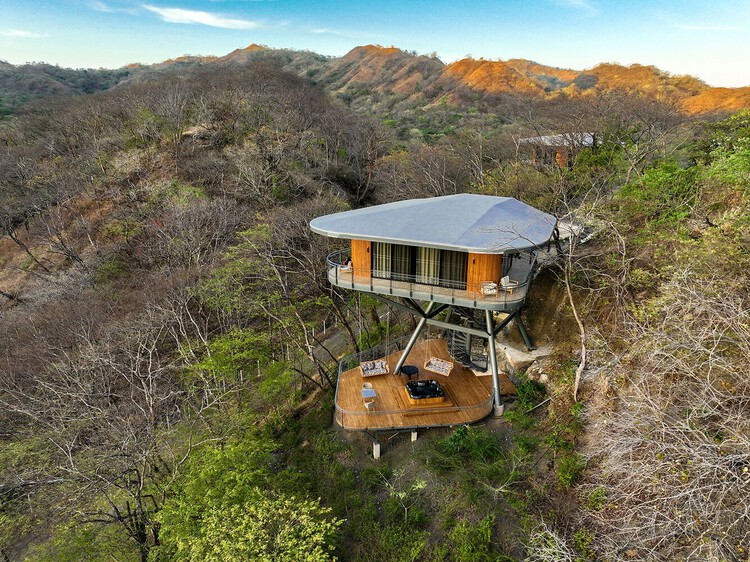
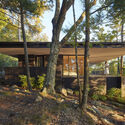
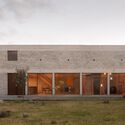
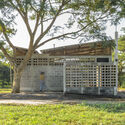
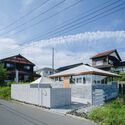
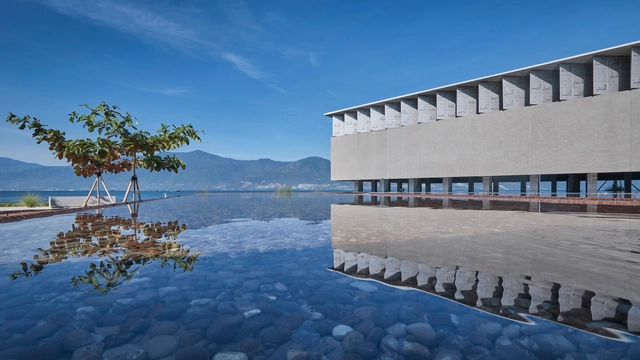
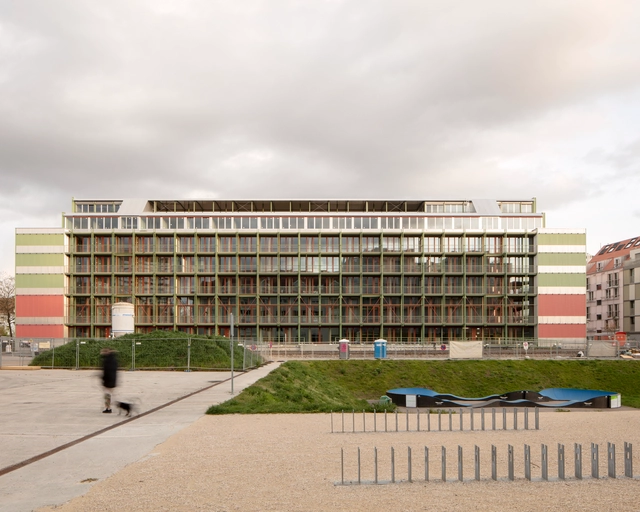
The relationship between constraint and design excellence is well established in architectural theory, yet often remains underexplored in discussions of site-specific practices. When architects encounter extreme topography, they face a fundamental choice: transform the landscape to accommodate the building, or modify the building to fit the landscape. The first approach is straightforward and requires the builder to cut, fill, terrace, and build on level ground. This choice, however, carries cascading consequences as any amount of earth moved may destabilize slopes, disrupt drainage, and fracture ecosystems. A growing body of innovative architectural work demonstrates an alternative to earth-moving and retaining walls.

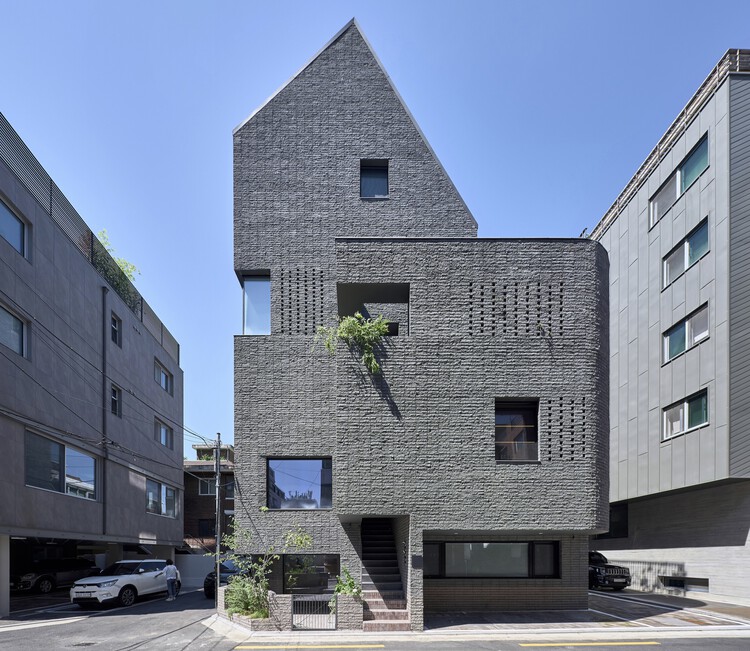
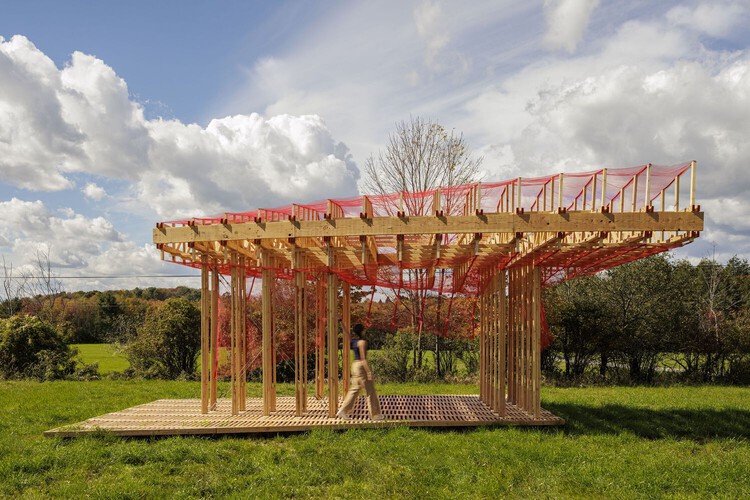
Building with the Landscape: Non-Invasive Design Strategies for Steep Terrain - Image 1 of 4Building with the Landscape: Non-Invasive Design Strategies for Steep Terrain - Image 2 of 4Building with the Landscape: Non-Invasive Design Strategies for Steep Terrain - Image 3 of 4Building with the Landscape: Non-Invasive Design Strategies for Steep Terrain - Image 4 of 4Building with the Landscape: Non-Invasive Design Strategies for Steep Terrain - More Images+ 76

Cities of the Dead: 10 Projects Exploring Burial Architecture

Subscriber Access | 

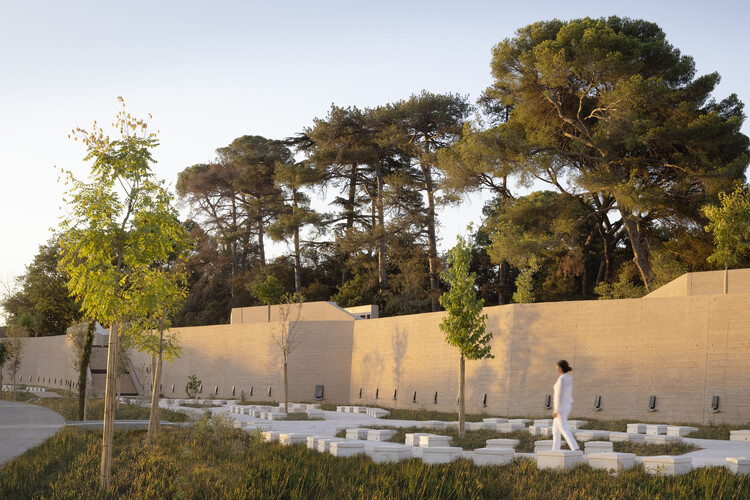
Death is a certainty, but its architecture has never been stable. Every period and culture has invented a different way of placing the dead in the world (close or far, visible or screened, monumental or almost anonymous), and those choices have always carried social and political weight. Cemeteries are where that weight becomes legible in space, turning belief and regulation into boundaries, paths, and names.

In that sense, a cemetery behaves like a piece of city-making. It needs access, limits, and an internal order that can grow without losing clarity. It depends on ground and water management as much as on symbolism, and on administration as much as on form. But its real architectural problem is how to make a large, evolving territory readable while preserving the intimacy of a visit. Names must be locatable; routes must remain legible; trees grow, paths shift, stones weather, records accumulate. What looks fixed is, in practice, a living system designed to be used and revisited, long after the first grief has passed.

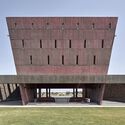
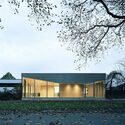
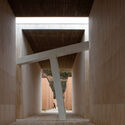
Cities of the Dead: 10 Projects Exploring Burial Architecture - Image 1 of 4Cities of the Dead: 10 Projects Exploring Burial Architecture - Image 2 of 4Cities of the Dead: 10 Projects Exploring Burial Architecture - Image 3 of 4Cities of the Dead: 10 Projects Exploring Burial Architecture - Image 4 of 4Cities of the Dead: 10 Projects Exploring Burial Architecture - More Images+ 14

Deep Tones and Natural Roots: 22 Shou Sugi Ban Homes Across the US and Canada

Subscriber Access | 

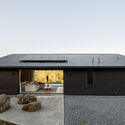
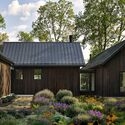
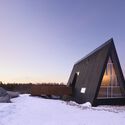
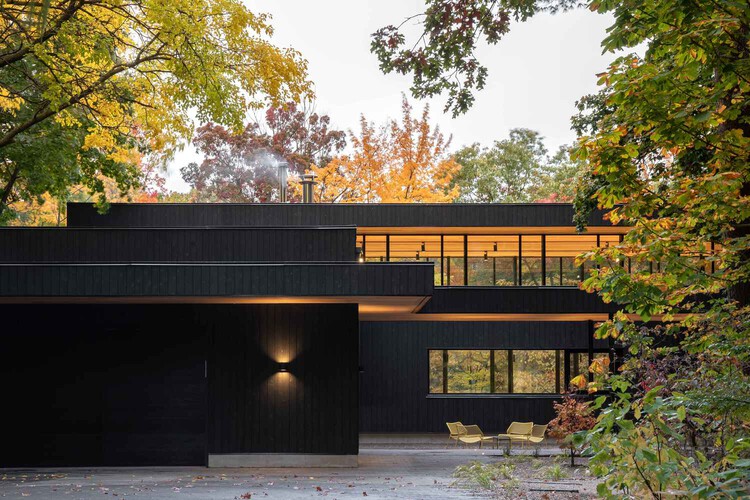
Shou Sugi Ban is a traditional Japanese technique for wood preservation that involves charring the surface of timber to create a protective layer. While its origins are rooted in practical durability, the method has been widely adapted into the modern built environment and shapes a unique and distinctive aesthetic. It is a material of contradiction: it remains bold in its visual language due to its dark tones, yet it simultaneously borrows from and complements its natural surroundings, allowing houses to settle quietly into their sites.

The charred finish among the 22 residences featured here across Canada and the United States serves as a common thread for navigating extreme climates. From humid lakefronts to dense forests, the carbonized skin acts as a resilient shield against diverse conditions. Beyond mere protection, these houses demonstrate how the material's texture changes with exposure to light, transforming from a flat matte in the shade to a silver-flecked, shimmering surface in direct sun. These projects also showcase the technique's ability to define architectural volumes, using the dark cladding to create sharp, monolithic silhouettes or to highlight the voids in a building's mass, such as recessed entryways and sheltered terraces.
Deep Tones and Natural Roots: 22 Shou Sugi Ban Homes Across the US and Canada - Image 1 of 4Deep Tones and Natural Roots: 22 Shou Sugi Ban Homes Across the US and Canada - Image 2 of 4Deep Tones and Natural Roots: 22 Shou Sugi Ban Homes Across the US and Canada - Image 3 of 4Deep Tones and Natural Roots: 22 Shou Sugi Ban Homes Across the US and Canada - Image 4 of 4Deep Tones and Natural Roots: 22 Shou Sugi Ban Homes Across the US and Canada - More Images+ 20

Obsolete Typologies Revived Through 17 Adaptive Reuse Projects

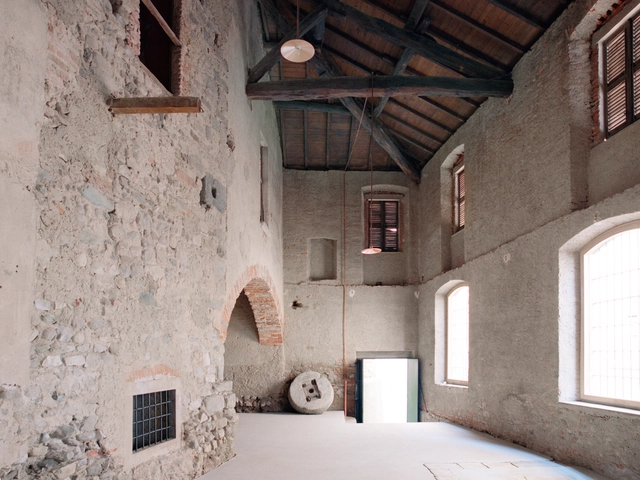
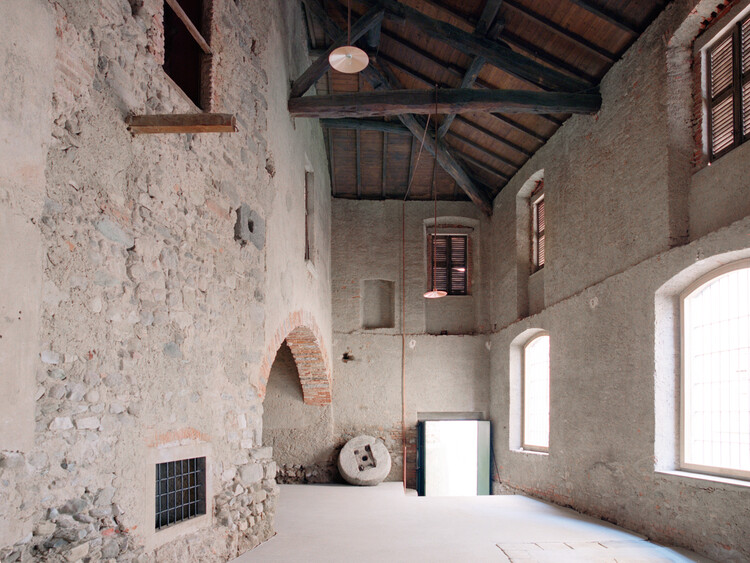
Adaptive reuse is shifting from simple preservation to active revitalization, a process of structurally rescuing and reprogramming architectural typologies whose original functions are no longer relevant. The obsolescence of architectural spaces occurs for varied reasons: sociological shifts, leaving spaces uninhabited; technological advances, phasing out specific machinery; and economic changes, making centralized functions necessary. The strategy of repurposing focuses on achieving spatial and functional longevity through minimal interventions, allowing the original structure to serve as the memory anchor of the project.

This wave of adaptive reuse treats the historic shell as a limited resource, prioritizing structural permanence over surface aesthetics. Designers are engaging in a sort of archaeological process by exposing the original structural essence: the heavy timber, raw concrete, or monumental masonry. Interventions are confined to meeting new programmatic needs, often appearing as an independent insertion within the ancient envelope. This contrast redefines the building's lifespan not as a singular narrative but as a layered story of continuous events.

Obsolete Typologies Revived Through 17 Adaptive Reuse Projects - Image 9 of 4Obsolete Typologies Revived Through 17 Adaptive Reuse Projects - Image 4 of 4Obsolete Typologies Revived Through 17 Adaptive Reuse Projects - Image 13 of 4Obsolete Typologies Revived Through 17 Adaptive Reuse Projects - Image 5 of 4Obsolete Typologies Revived Through 17 Adaptive Reuse Projects - More Images+ 13

More Than Parking: 12 Projects to Reclaim Urban Space

Subscriber Access | 

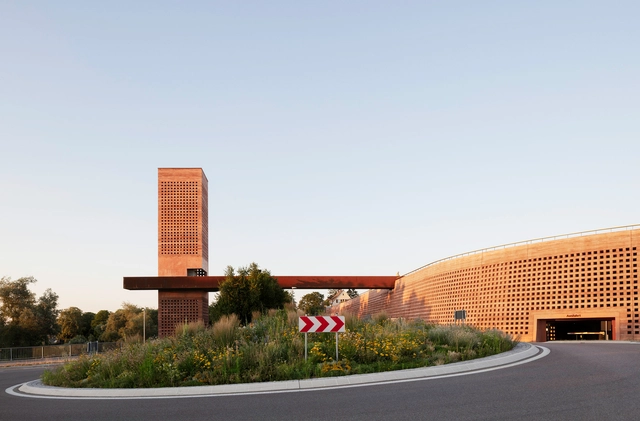
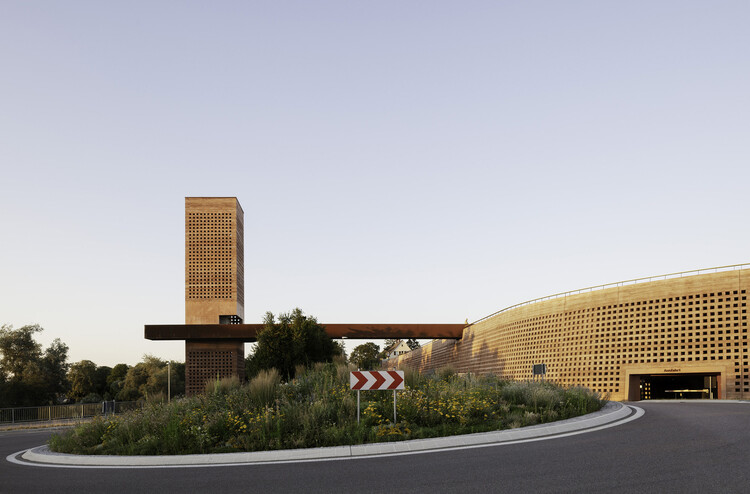
Marginalized in architectural discourse and often dismissed as purely functional, parking garages remain among the most ubiquitous structures in the urban landscape. Designed to accommodate the needs of private vehicles, they occupy central locations, shape skylines, and consume considerable resources, yet rarely receive the same attention — or architectural care — as cultural institutions, schools, or housing. Despite their prevalence, these buildings tend to fade into the background of daily life, treated as infrastructural necessities rather than as design opportunities.
This is beginning to change. As urban mobility undergoes profound transformations — from the decline of car ownership to the rise of electric vehicles and shared transport systems — the role of parking infrastructure is being redefined. Architects and planners are reimagining garages as adaptable frameworks that integrate public space, ecological functions, and mixed-use programs. These new approaches challenge the perception of parking as a residual typology and instead position it as a civic structure with the potential to support more inclusive, flexible, and sustainable urban models.
More Than Parking: 12 Projects to Reclaim Urban Space - Image 1 of 4More Than Parking: 12 Projects to Reclaim Urban Space - Image 2 of 4More Than Parking: 12 Projects to Reclaim Urban Space - Image 3 of 4More Than Parking: 12 Projects to Reclaim Urban Space - Image 4 of 4More Than Parking: 12 Projects to Reclaim Urban Space - More Images+ 26

Raw, Refined, and Resilient: 14 Projects Showcasing Concrete Block as a Design Language

Subscriber Access | 

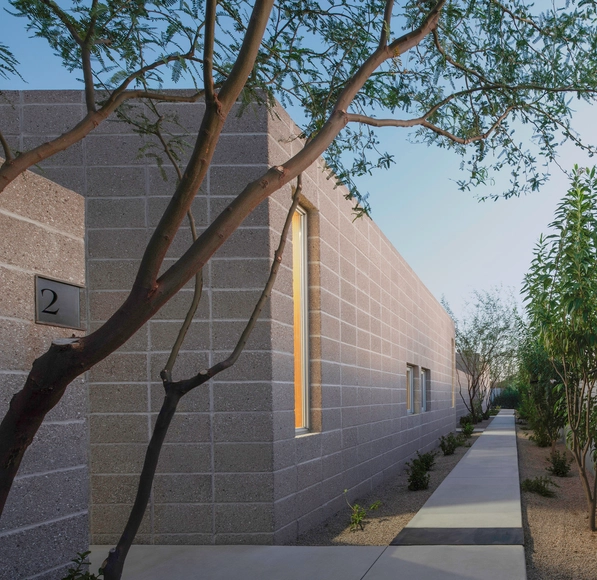
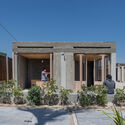
Once seen as purely utilitarian, bare concrete blocks have increasingly become part of an architectural transformation. In regions where warm climates make insulation unnecessary, this material can be left exposed, free of cladding, finishes, or embellishment. In doing so, texture, bond, and form can define the building's character and simplify construction while creating new opportunities for expression and identity. This also creates a platform to explore the concept of material honesty. Beyond its aesthetic value, using a material "as is" can significantly reduce construction costs and minimize maintenance during the building's lifespan.

 Raw, Refined, and Resilient: 14 Projects Showcasing Concrete Block as a Design Language - Image 1 of 4 Raw, Refined, and Resilient: 14 Projects Showcasing Concrete Block as a Design Language - Image 2 of 4 Raw, Refined, and Resilient: 14 Projects Showcasing Concrete Block as a Design Language - Image 3 of 4 Raw, Refined, and Resilient: 14 Projects Showcasing Concrete Block as a Design Language - Image 4 of 4 Raw, Refined, and Resilient: 14 Projects Showcasing Concrete Block as a Design Language - More Images+ 11

Contemporary Mosques: Using Context as Driver over Symbolism

Subscriber Access | 

The configuration of the mosque, the worshipping place for Muslims, traces its history to the courtyard of the religion's founder. The first mosques were, therefore, simple open spaces marked for ritual prayer use. Over the years and centuries, they would gain multiple standard, functional features, such as the mihrab, a niche that indicates the direction of prayer, and the minbar, a pulpit for the preacher to give the sermon. Other elements also became common, such as domes and minarets, which were historically used for the call to prayer. These had the additional purpose of signifying the function of the building as a mosque and were used by rulers and benefactors to elevate its grandeur.

In contemporary times, mosques are not immune from architectural debate. Elements that have no religious function are questioned, as is the relationship between a mosque and its context. The discussion is especially stark in parts of the world with relatively new Muslim communities, where some theorists have advocated for the removal of symbolic elements on the basis that they are 'pastiche,' while others are nostalgic about the sentimentality associated with historical forms. Nonetheless, contemporary architects have been successfully elevating mosque architecture, fulfilling its functional requirements creatively, while allowing the building's context to drive the form.

Contemporary Mosques: Using Context as Driver over Symbolism - Image 1 of 4Contemporary Mosques: Using Context as Driver over Symbolism - Image 2 of 4Contemporary Mosques: Using Context as Driver over Symbolism - Image 3 of 4Contemporary Mosques: Using Context as Driver over Symbolism - Image 4 of 4Contemporary Mosques: Using Context as Driver over Symbolism - More Images+ 6

ArchDaily Curator's Picks 2023: Global Projects our Curators Highlighted Through the Year

The ArchDaily projects library is managed by our curators who constantly seek to populate our stream with the most interesting global works, showcasing evolving focuses and criteria. While we usually share our reader’s top 100 favorites, this year, we also decided to initiate our editor’s picks on the ArchDaily Instagram account, where our curators highlight some projects that include interesting themes and unique traits. 

ArchDaily Curator's Picks 2023: Global Projects  our Curators Highlighted Through the Year - Featured ImageArchDaily Curator's Picks 2023: Global Projects  our Curators Highlighted Through the Year - Image 1 of 4ArchDaily Curator's Picks 2023: Global Projects  our Curators Highlighted Through the Year - Image 2 of 4ArchDaily Curator's Picks 2023: Global Projects  our Curators Highlighted Through the Year - Image 3 of 4ArchDaily Curator's Picks 2023: Global Projects  our Curators Highlighted Through the Year - More Images+ 26

Architecture and Color: Explore 15 Projects that Feature Exterior Red Staircases

Subscriber Access | 

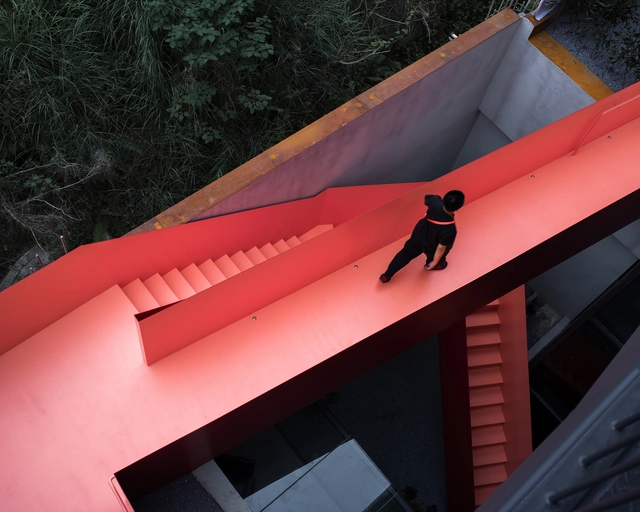
Stairs are often an inevitable part of a building's DNA. Nowadays, staircases not only serve the function of practicality but are also a showcase of their own kind, especially if paired with a color that is guaranteed to grab attention. Among warm colors, red is considered to be the most powerful one. On one hand, it evokes feelings of joy and energy, and on the other, feelings of alertness and danger. Red can stimulate a whole range of emotions. Therefore, its usage should be attentive, delicate, and thought out.

Architecture and Color: Explore 15 Projects that Feature Exterior Red Staircases - Image 1 of 4Architecture and Color: Explore 15 Projects that Feature Exterior Red Staircases - Image 2 of 4Architecture and Color: Explore 15 Projects that Feature Exterior Red Staircases - Image 3 of 4Architecture and Color: Explore 15 Projects that Feature Exterior Red Staircases - Image 4 of 4Architecture and Color: Explore 15 Projects that Feature Exterior Red Staircases - More Images+ 49

15 Contemporary Projects that Emphasize the Sounds of Nature

Subscriber Access | 
15 Contemporary Projects that Emphasize the Sounds of Nature - Featured Image
© Julien Lanoo

Finnish architect Juhani Pallasmaa once said that "architecture is essentially an extension of nature into the man-made realm, providing the ground for perception and the horizon of experiencing and understanding the world."

In the constant hustle and bustle of the modern surroundings, it is more than needed to take a step back and listen to the sounds of something as calmly powerful as nature. Moreover, listening to the beautiful harmonies created by birds chirping and sound waves can make our inner voice louder as well.

15 Contemporary Projects that Emphasize the Sounds of Nature - Image 2 of 415 Contemporary Projects that Emphasize the Sounds of Nature - Image 1 of 415 Contemporary Projects that Emphasize the Sounds of Nature - Image 3 of 415 Contemporary Projects that Emphasize the Sounds of Nature - Image 4 of 415 Contemporary Projects that Emphasize the Sounds of Nature - More Images+ 40

Accessibility and Equity of Opportunity in 7 Educational Spaces

Accessibility and Equity of Opportunity in 7 Educational Spaces - Featured Image
Jadgal Elementary School / Daaz Office. Image © Deed Studio

As democratizing catalysts, educational spaces play a fundamental role in shaping individuals and entire communities. These places, where students spend a significant amount of time developing their capabilities, skills, and competencies, are more than a background for the promotion of a fundamental right, they are key elements to providing equal opportunities for all. 

Open and common facilities, such as schoolyards, courtyards, and auditoriums are great examples of how spaces can encourage students, teachers, parents, and community members to learn with each other in an active dialogue. Flexibility and accessibility are two other key points to promote the democratization of both design and education, as seen in programs that go beyond school time and encourage communities to participate, for example.

Accessibility and Equity of Opportunity in 7 Educational Spaces - Image 1 of 4Accessibility and Equity of Opportunity in 7 Educational Spaces - Image 2 of 4Accessibility and Equity of Opportunity in 7 Educational Spaces - Image 3 of 4Accessibility and Equity of Opportunity in 7 Educational Spaces - Image 4 of 4Accessibility and Equity of Opportunity in 7 Educational Spaces - More Images+ 10