

-
Architects: Karamuk Kuo, Kendall/Heaton Associates
- Area: 22000 ft²
- Year: 2024
-
Manufacturers: ALPOLIC, Boston Valley Terra Cotta, Sherwin-Williams, Armstrong, Berridge, +3


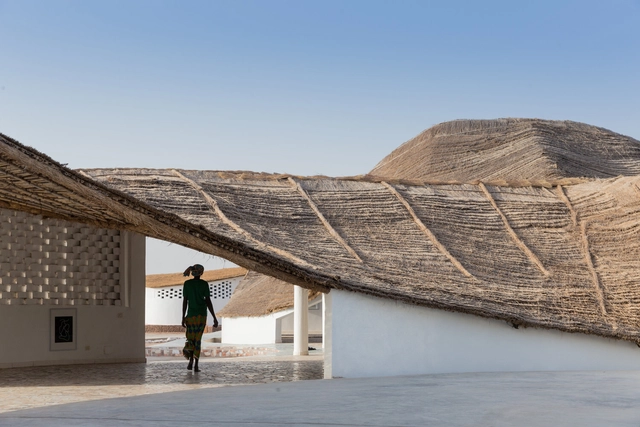
At a time of ecological collapse and rising food insecurity, architecture is increasingly called upon to engage not only with landscapes but with the systems that sustain and regenerate them. Among these systems, agriculture occupies a paradoxical role, as both a leading contributor to environmental degradation and a potential agent of ecological recovery. Industrial farming has depleted soils, fragmented habitats, and driven climate change through monocultures, fossil-fuel dependency, and territorial standardization. In response, agroecology has emerged as a counter-practice rooted in biodiversity, local knowledge, and the cyclical rhythms of nature. It reframes farming not as extraction, but as regeneration of ecosystems, communities, and the soil itself.
This reframing opens space for architecture to contribute meaningfully. To align with agroecology is not only to support food production, but to engage with the broader cultural, spatial, and ecological conditions that sustain it. It implies designing with seasonal variation, supporting shared use, and building in ways that respect both the land and those who work it. Architecture becomes more than enclosure — it becomes a mediator of cultivation, reciprocity, and coexistence.
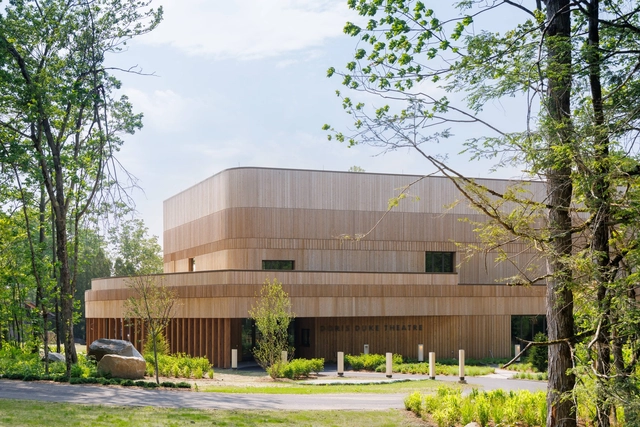
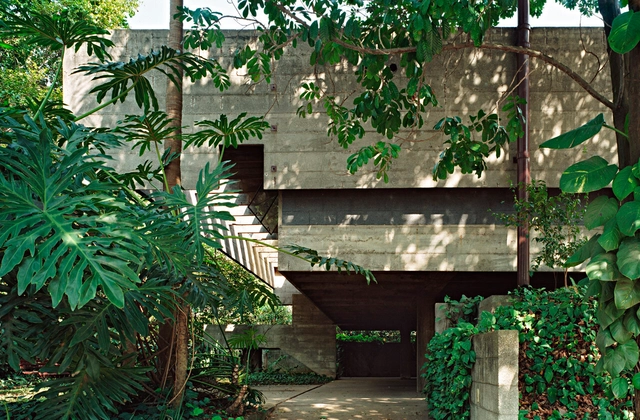
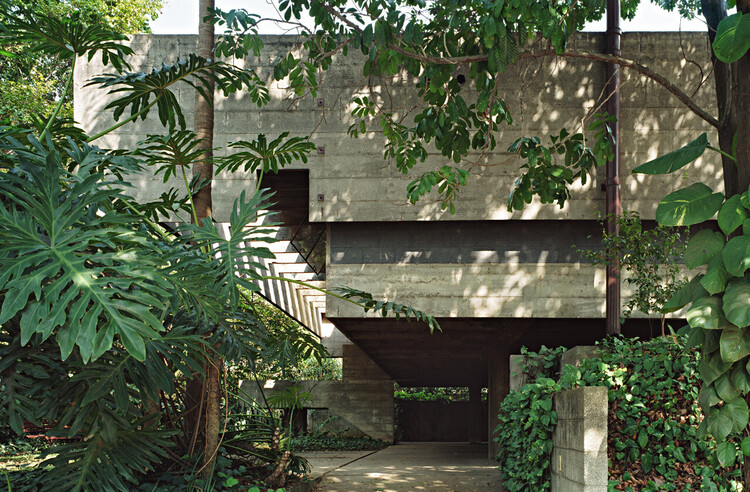
The built environment is expected to reduce carbon emissions, support biodiversity, and respond to changing ecological conditions, all while providing housing for communities and reflecting their cultural values. In this shifting landscape, a once-maligned architectural style emerges in a surprising new form. Brutalism, long associated with institutional gravitas and material austerity, is now being reframed through an ecological lens. This hybrid movement, known as eco-brutalism, combines the power of concrete with greenery and climate-sensitive design strategies. The result is a set of spaces that are visually arresting, conceptually complex, and increasingly popular among designers, urban planners, and the general public. This movement includes not only the direct lineage of 1960s Brutalism but also contemporary projects that, while not strictly Brutalist, share its material honesty, monumental scale, and use of expressive concrete forms.
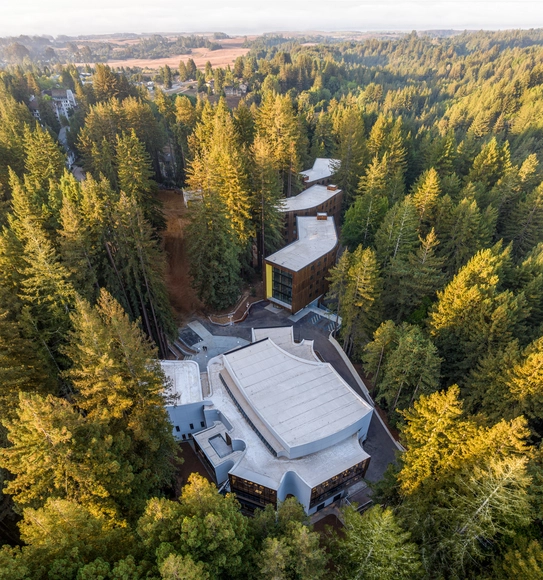
Studio Gang is an architecture and urban design practice founded in 1997 by Jeanne Gang and based in Chicago, with additional offices in New York, San Francisco, and Paris. Comprised of over 100 professionals, including architects, designers, and planners, the studio is known for its research-driven approach to design. On Friday, July 11, the Aedes Architecture Forum in Berlin will inaugurate an exhibition on Studio Gang's work, organized in collaboration with AW Architektur & Wohnen magazine. Titled Studio Gang: The Art of Architectural Grafting, the exhibition explores the studio's design methodology through six recent projects.
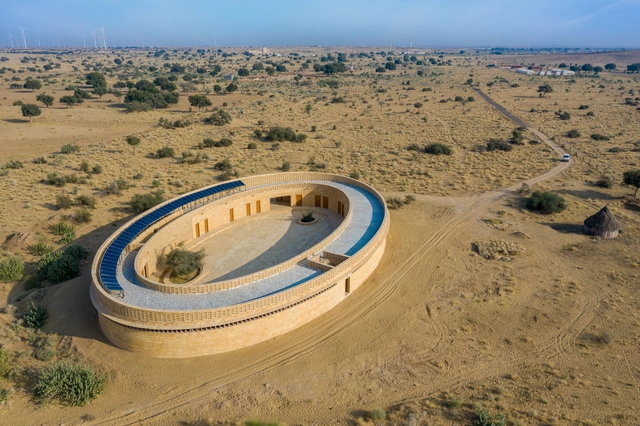
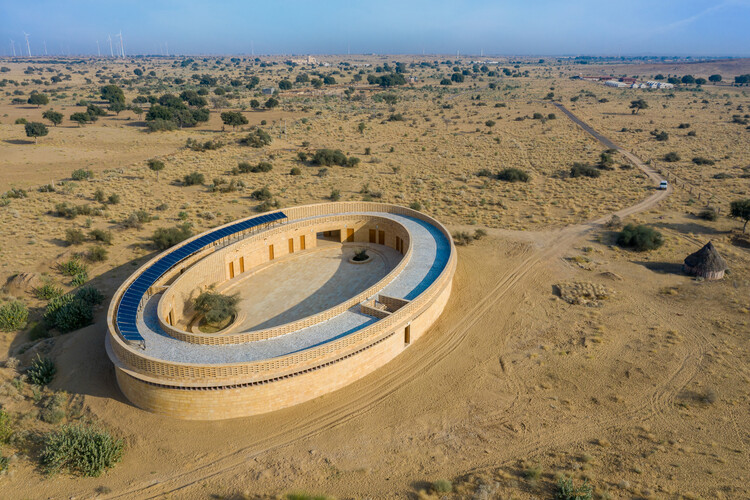
Creating an educational setting is a specific and sensitive task. Merging children's safety and learning optimization requirements with an aesthetic appeal and solid concept can birth some of the most beautiful, unique projects around. One common configuration is the elliptical or circular school. A circular, more specifically ringlike educational setting can suggest a sense of protectiveness and safety with the construction of the embracing surrounding membrane. It is also a practical setup that envelopes multiple functions while linking them, consequently allowing interactive instances through the central courtyard.
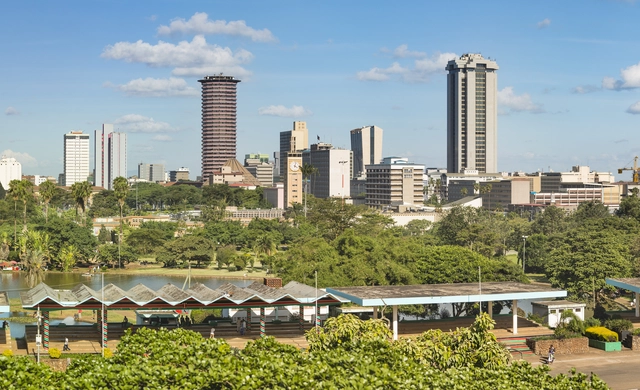
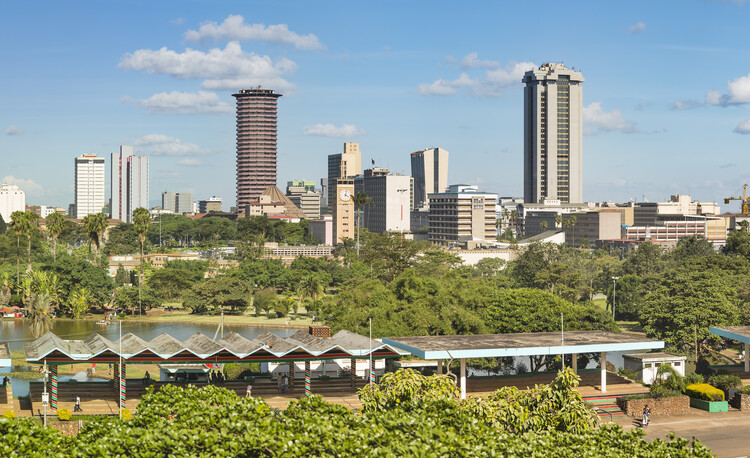
A Pan-African Biennale of Architecture is planned for 2026 in Nairobi, Kenya. According to the curator, it "represents an unprecedented opportunity to reclaim Africa's architectural narrative, reasserting the continent's role as a global leader in urban resilience, sustainability, and cultural expression."
Omar Degan, the curator in partnership with the Architectural Association of Kenya, is a practicing architect, professor, and teacher. He leads an architecture office known as DO Architecture Group, which was established between Italy and Somalia—two places deeply connected to his identity. His work focuses on what he describes as "fragile contexts" around the world, including areas affected by natural disasters, refugee camps, slum upgrades, and underserved neighborhoods.
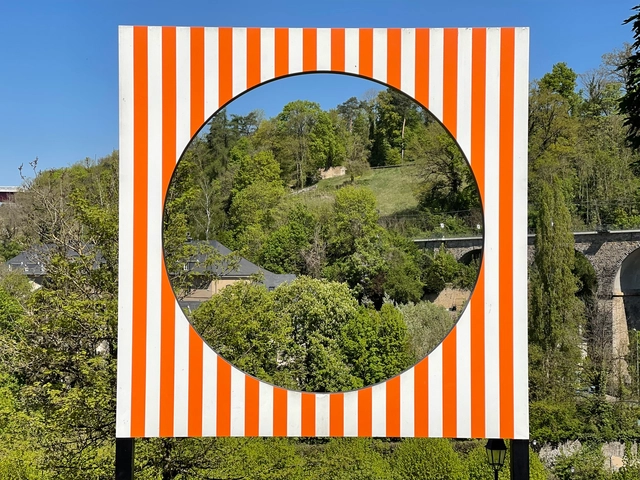
Public space has long been central to architectural thought, often framed in terms of planning, infrastructure, and regulation. From Haussmann's Paris to contemporary masterplans, architects have worked to define and formalise collective life through spatial tools. Yet, outside of these frameworks, artists have continuously offered alternative ways of understanding and inhabiting public space—ways that rely not on construction or permanence, but on presence, perception, and participation. Through actions, objects, or atmospheres, artists engage the city as a site of friction and imagination. These gestures challenge architectural conventions and invite artists to reconsider public space not as a solved form, but as a contingent and open process.
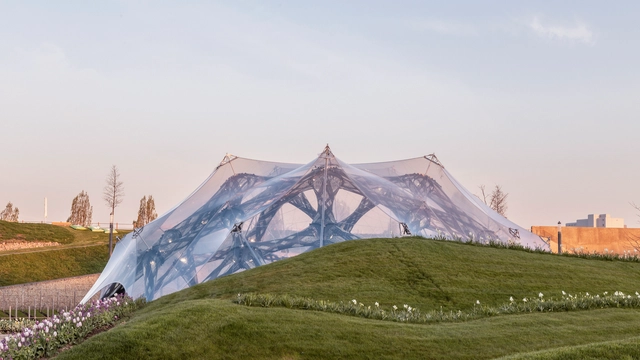
In recent years, architecture has increasingly embraced adaptability, flexibility, and responsiveness as core design principles. This evolution reflects a shift from traditional notions of static, permanent structures to dynamic environments that can adjust to changing needs and conditions. Central to this transformation is the concept of "soft architecture", which leverages pliable materials and innovative systems to create spaces that are functional, sustainable, and user-centric. Soft architecture takes shape through membranes that breathe, façades that move, structures that inflate or fold, and surfaces that bend rather than break. It involves designing for transformation — not only in how a building performs environmentally, but also in how it can accommodate shifting functions, user interactions, or temporary occupations. This approach to building challenges traditional notions of durability and control, proposing instead a more responsive and open-ended architecture. It reflects a growing awareness that buildings, like the societies they serve, must be able to evolve.
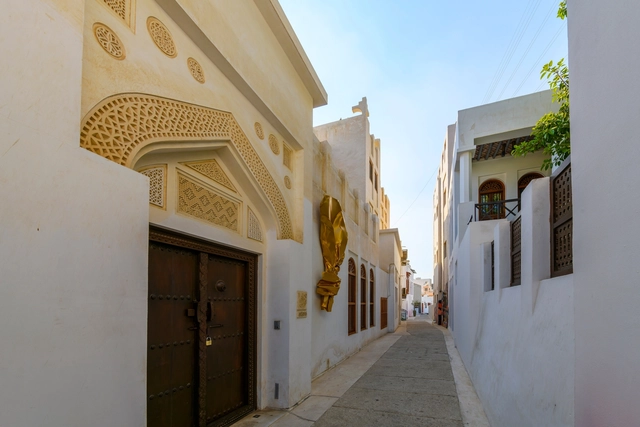
The Kingdom of Bahrain is being widely acknowledged recently through their worldwide architectural contributions at the Expo 2025 in Osaka, with their Anatomy of a Dhow pavilion by Lina Ghotmeh; or at the Venice Biennale, where the Heatwave exhibition was awarded the Golden Lion for Best National Participation. However, for the past few years Bahraini cities like Muharraq have been lending the stage for regional and international architects to discover their typical Persian Gulf architecture and add their own touches to the local sites. It's through the works of Leopold Banchini, Anne Holtrop, or Valerio Olgiati that the old has been brought back to life, along with the efforts of the local authorities and cultural figures.
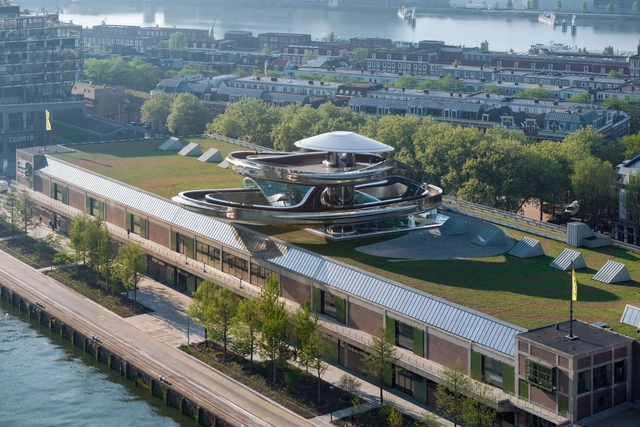
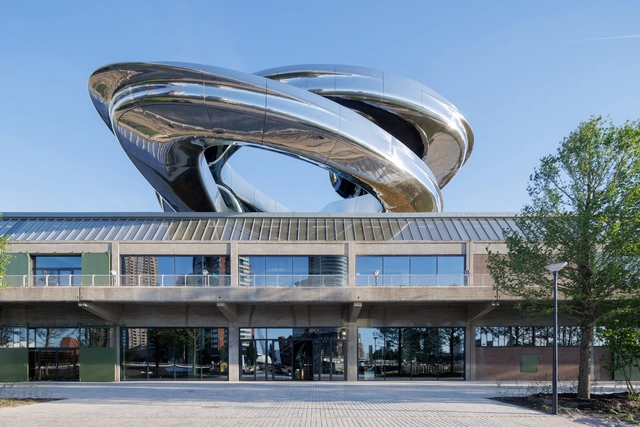
Fenix is a new museum in Rotterdam's City Harbour, dedicated to the collection of historic and contemporary objects that explore migration through art. It is located on the Katendrecht peninsula on the south bank of the River Maas, in a 100-year-old former warehouse recently renovated by MAD Architects and Bureau Polderman. This marks MAD Architects' first commission for a public cultural building in Europe. Recently completed, the building is set to open this Friday, May 16, showcasing three exhibitions: All Directions, featuring over 150 artworks and objects from the Fenix collections; The Family of Migrants, a photographic exhibition by Edward Steichen; and The Suitcase Labyrinth, an interactive installation made up of 2,000 donated suitcases.
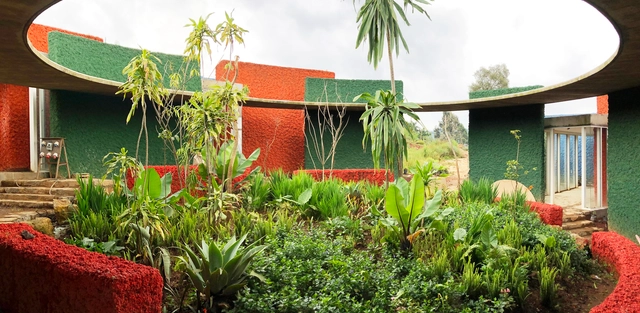
As architecture navigates a rapidly changing world shaped by ecological urgency, social transformation, and technological acceleration, the notion of intelligence is shifting. No longer confined to individual cognition or artificial computation, intelligence can emerge from cultural memory, collective practices, and adaptive systems. In this broader sense, architecture becomes a field of convergence, where natural, artificial, and social intelligences intersect to offer new ways of designing and building.
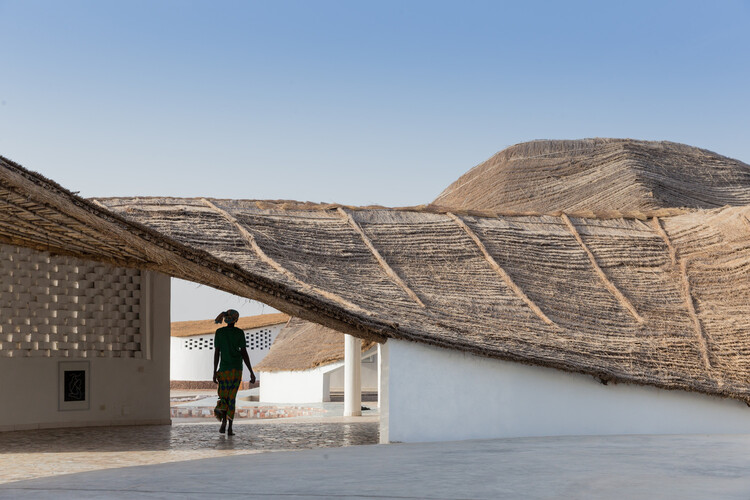
Vernacular traditions embed generations of environmental knowledge, often transmitted through materials, construction techniques, and spatial logics finely tuned to local conditions; participatory platforms expand decision-making to wider communities to take part in shaping their environments, redistributing agency in the design process; and computational processes simulate and respond to complex data in real time bringing the capacity to analyse, simulate, and respond to complex variables — whether environmental, social, or behavioural — offering new forms of adaptability.
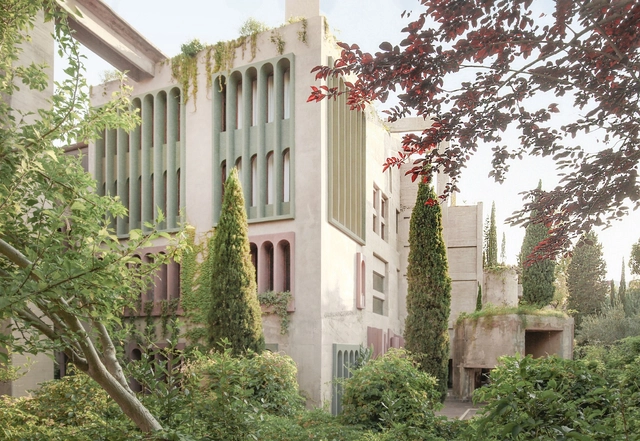
The twentieth century marked a definitive shift in the realm of architecture, as the Modernist movement broke from traditional building styles and encouraged experimentation and innovation. With the help of new materials and technologies, these times represent a crucial moment in the history of architecture as both cities and building styles evolved at an unprecedented rate. The structures that stand testament to this day are, however, nearing the age of a hundred years old. Their stark design features are not always embraced by the public, while the functionalist principles often hinder the adaptability of their interior spaces. Given that they also often occupy central positions within the city, there is increasing pressure to demolish these structures and redevelop the area in its entirety.
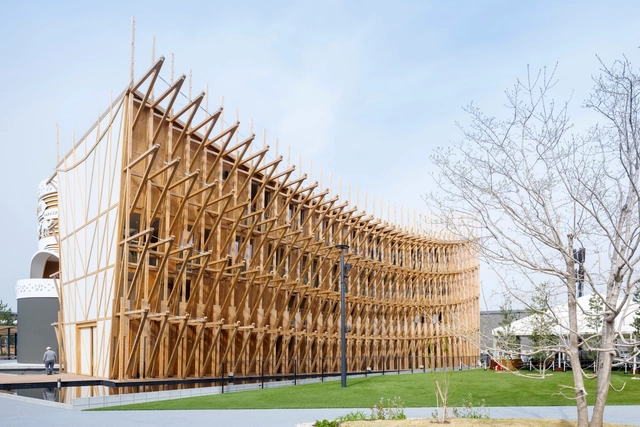
I love putting together lists of original manifesto-like statements by architects perpetually searching for breaking new ground. They provoke us to imagine possibilities we haven't dared to consider before. Questioning conventions should be a critic's primary objective to engage in a conversation with a creative. Otherwise, what is there to discuss, really? That's why speaking with Elizabeth Diller about her studio's work and intentions is like a breath of fresh air, especially nowadays when so many architects are happy to align themselves in pursuing what's expected. In one of our previous conversations, Diller put it bluntly: "We don't take professional boundaries seriously. Every time we are handed a program, we tear it apart and continuously ask new questions. Nothing is fixed." This time, we spoke about Diller Scofidio + Renfro's new monograph, "Architecture, Not Architecture." The book, a project in itself, aims to rethink the very limits of architecture. It reinvents what a book can be in the process. During our 1-1/2-hour discussion over Zoom, which I prefer for its frontal dual recording, she said eagerly, "We were always critiquing; we were always throwing grenades at things."
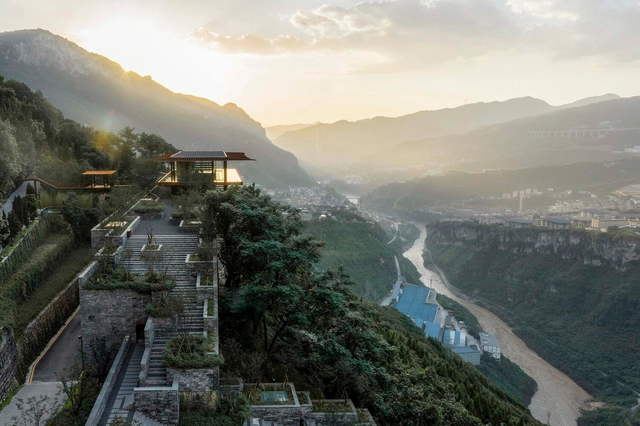
The 2025 Pritzker Prize has been awarded this year to Chinese Architect Liu Jiakun. Born in Chengdu in 1956, he grew up in the densifying city, before attending and graduating from the Chongqing Architecture and Engineering College (Chongqing University) in 1982 with a Bachelor of Engineering degree in Architecture, and becoming one of the first college graduates to be tasked with rebuilding the country during the Chinese transition period. However, it wasn't until many years later that the architect understood that "the built environment could be used as a medium for personal expression". It was then that his endeavors and career took off, with Liu Jiakun starting his practice in 1999, and participating in more collaborative works across China and Europe. Based on his experiences, his works are anchored in his understanding of reality and a respect towards China's multi-traditional history and internal diversity; all while achieving a seamless balance between architecture and nature, tradition and modernity.
These concepts do not obstruct his consciousness of human needs and the importance of community spaces. Through his projects, Liu Jiakun proves that spaces can affect human behavior and become positively evocative. A public space such as those he's created can be conducive to a benevolent atmosphere that provides rest and collaboration. "such as my pursuit of narrative and poetry in design." The comprehensiveness of Liu Jiakun's works makes it easy not to be constrained by stylistic or aesthetic limitations or requirements. He just follows what the site, natural landscape, pre-existing urban frame, and citizen needs might require. The physical result is a mix of all of these with the predominant vernacular traditions.