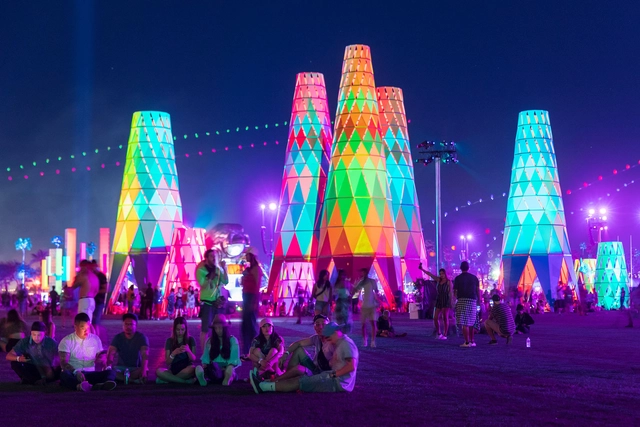
Pop-up architecture makes the most of tiny spaces and intimate experiences. As temporary structures, pop-ups are nothing new, dating back at least to Roman times as temporary stages for festivals called ludi. Pushing the boundaries of architecture, they feature a light-touch for maximum impact, each built to make a statement. Today, they are often designed around the full life-cycle of a project to minimize environmental impact.
ArchDaily's theme of August 2020, How We Will Live Together, invites readers to contemplate the way we inhabit spaces with those around us. In this article, we address different aspects of coexistence in a world impacted by COVID-19 and the changes that need to be made in order to create a world where everyone has the space to live, work, and grow.
Nowadays, our day to day interactions with those around us hinge on social distancing, leading many to question--is this truly the best solution for curbing the spread of COVID-19? With people worldwide still reeling from the socio-economic upheaval caused by the pandemic, the concept of forcefully distancing yourself from friends and family, especially at at time when you most need them, seems just plain inhuman. While distancing is undoubtedly necessary, it seems more optimistic words would serve to better drive home the message. For example, a slogan like 6ft of Empathy maintains the necessary safety principles without stripping away the social element that humanity thrives on.
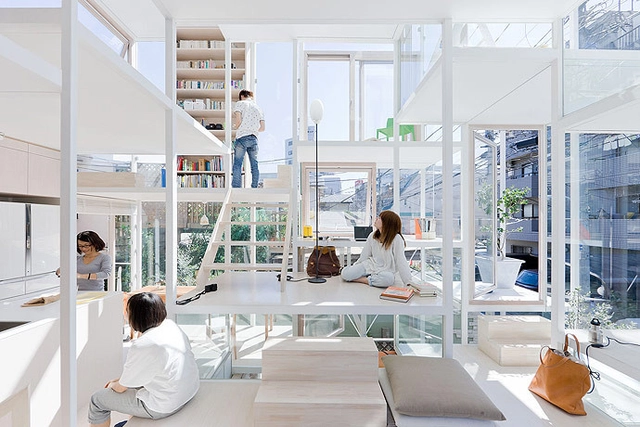
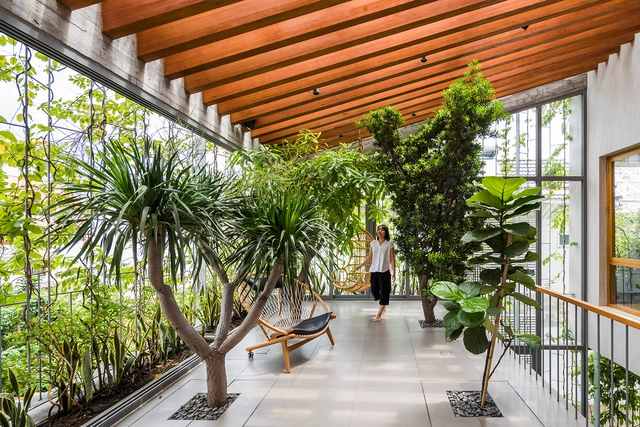
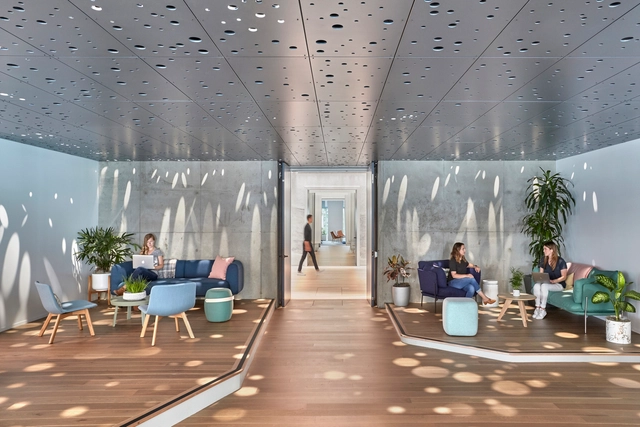
Interior design begins with human experience. Considering the physical, mental, and emotional needs of people, interior designers use human-centered approaches to address how we live today. Creating novel approaches to promoting health, safety, and welfare, contemporary interiors are increasingly inspired by biophilia as a holistic approach to design.
With society's needs and aspirations shifting, spatial typologies and architectural programs are continually being questioned, and this re-evaluation creates the premises for innovation. The following is an exploration of how architecture is metabolizing society's fundamental changes throughout several aspects of everyday life, challenging the existing assumptions regarding program and space.
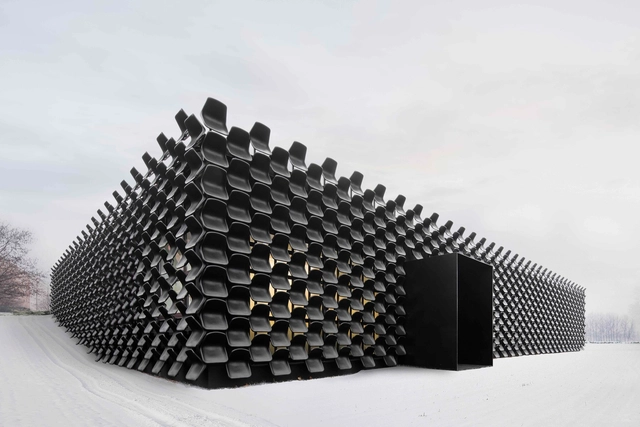
With the aim of supporting architects to become active agents of sustainable design, this week we present a selection of facades that incorporate different recycled materials. Beyond the typical uses of plastic and glass, in this article, you will find innovative materials such as mattress springs, ice cream containers, plastic chairs, and recycled waste from agricultural and industrial products. A look at 21 remarkable projects using recycled materials to create an attractive facade.
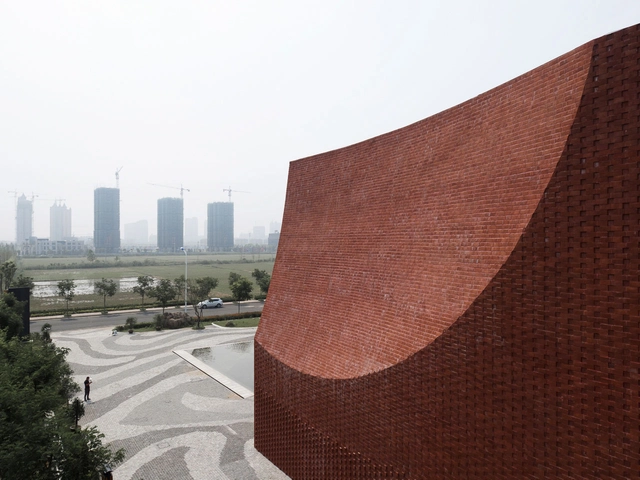
Brick is one of the most popular materials for architects designing with a vintage or rustic aesthetic: exposed brick walls are often touted as highly desirable for apartments, restaurants, and stores, and exterior brick facades can make a building or home feel warmer and more inviting. However, the color and cut of the brick can greatly influence the atmosphere it emanates, with white brick lending itself to more minimalist design and tan brick tending to feel more rustic and earthy. In this article, we will explore some of the most popular brick colors, ways to artificially color brick, and recent projects that use brick facades or interior brick elements effectively.
https://www.archdaily.com/944493/the-colors-of-brickLilly Cao
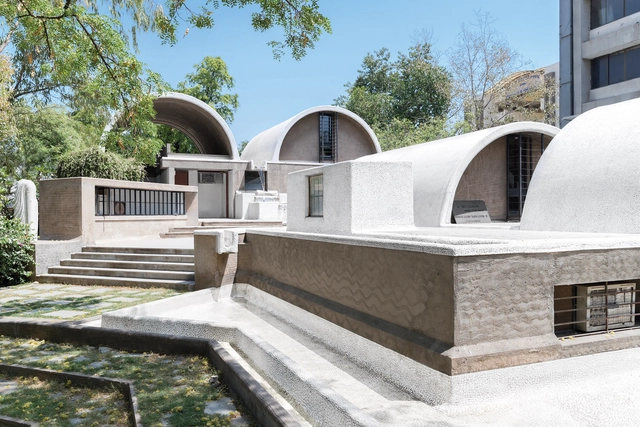
Wrightwood 659, a private institution located in Chicago’s Lincoln Park neighborhood, will host the first U.S. Exhibition of Indian architect, urbanist, and 2018 Pritzker Prize winner Balkrishna Doshi. Running from September 9 till December 12, 2020, the retrospective entitled Balkrishna Doshi: Architecture for the People, is the first display devoted to the works of the laureate, outside of Asia.
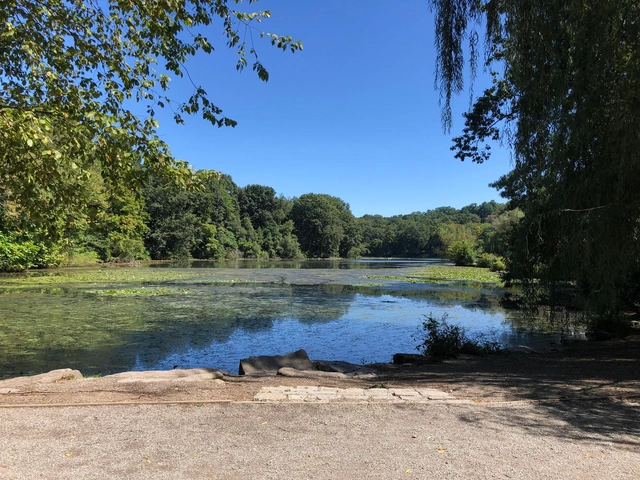
NYC Green Relief & Recovery Fund has selected 62 grant recipients to support funding in parks and open spaces across New York City. The effort was made to support a coalition of national, family, and community foundations. As the first round of funding, the grants range from $5,000 to $120,000 to support essential maintenance, stewardship, public programming, and management of parks and open spaces across the five boroughs.
MAAT, the museum of art, architecture, and technology in Lisbon, Portugal has officially reopened its doors on June 10, unveiling to the public the new projects originally scheduled to launch before the Covid-19 lockdown, such as Beeline, an architecture intervention by SO – IL. Transforming the museum into a landscape of encounters and conversations, this exhibition also generates a temporary second entrance to the gallery space.
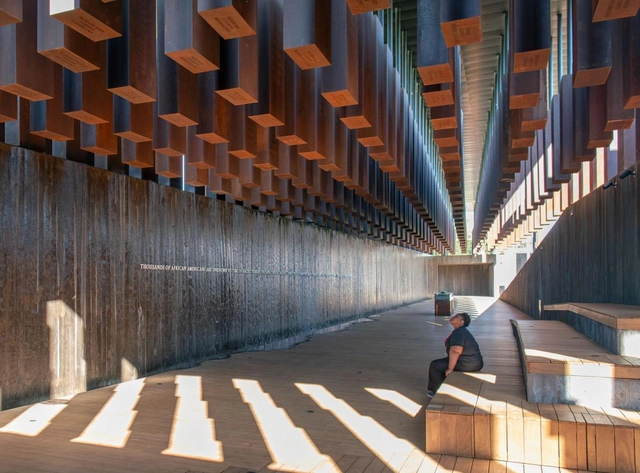
Architecture shapes how we live and come together. Amidst a pandemic and protests around the world, architects and designers are speaking out to condemn injustice and build space for empathy and understanding. In listening, they are looking to how we live together, and in turn, how we can create a more equitable and just world.
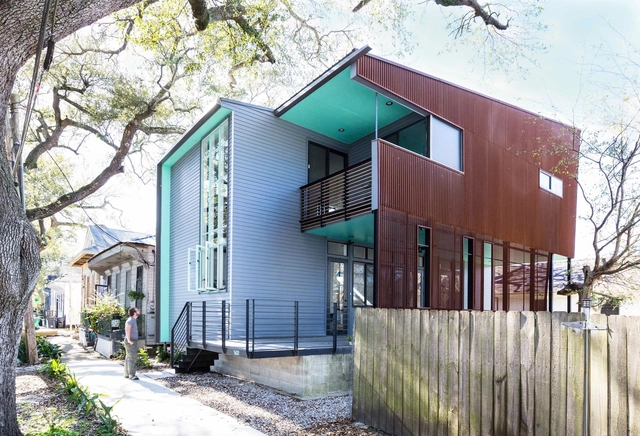
New Orleans is a city unlike any other. Defined by a rich cultural history, the Big Easy has been shaped by it's geography along the Mississippi Delta and the local climate. After the devastation of Hurricane Katrina in 2005, designers and architects looked to the city with a renewed focus to build a better future. From the Lower 9th Ward to the French Quarter and beyond, modern designs were created within a diverse urban fabric.
In this short video by Louisiana Channel, Junya Ishigami talks about Tokyo and what he sees as the defining traits of the vibrant and diverse metropole. Discussing what he likes about the city, the renowned Japanese architect underlines Tokyo’s polycentrism and explains how being made up of different small town allows the city to preserve its very local characteristics.
Addressing contextual severe healthcare problems, like the outbreak of infectious diseases or maternal mortality, MASS has helped in setting design strategies to mitigate and reduce critical medical concerns. With some projects operational, and others in the pipeline, the facilities imagined, tackle a wide range of complications.
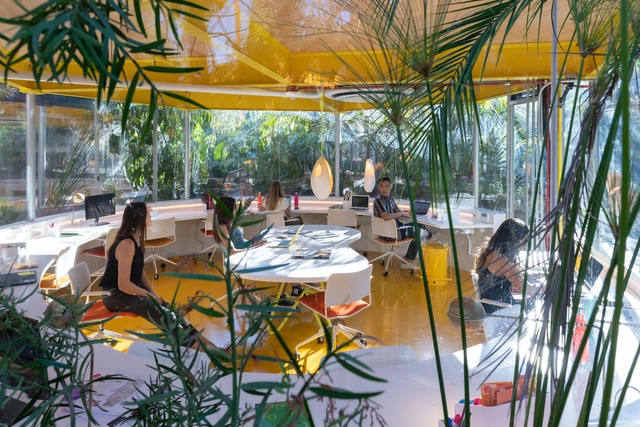
The COVID-19 pandemic has transformed how we work around the world. From telecommuting and distance learning to virtual events, designers have quickly rethought traditional workflows to stay connected. With the rise of both self-imposed and mandated social distancing, as well as global turn towards remote work, ArchDaily is exploring the impact of COVID-19 and what it will mean for the future.
One of the most important cities in the world –and the most populated in the United States of America–, New York is home to a great mix of cultures and history that has been shaped over the years, while art and architecture play a fundamental role in this development.
“When you read Love in the Time of Cholera you come to realize the magic realism of South America.” Yvonne Farrell, Shelley McNamara and I were in a corner of the Barbican Centre’s sprawling, shallow atrium talking about the subject of their most recent accolade, the Royal Institute of British Architects inaugural International Prize, awarded that previous evening. That same night the two Irish architects, who founded their practice in Dublin in the 1970s, also delivered a lecture on the Universidad de Ingeniería and Tecnologia (UTEC)—their “modern-day Machu Picchu” in Lima—to a packed audience in London’s Portland Place.
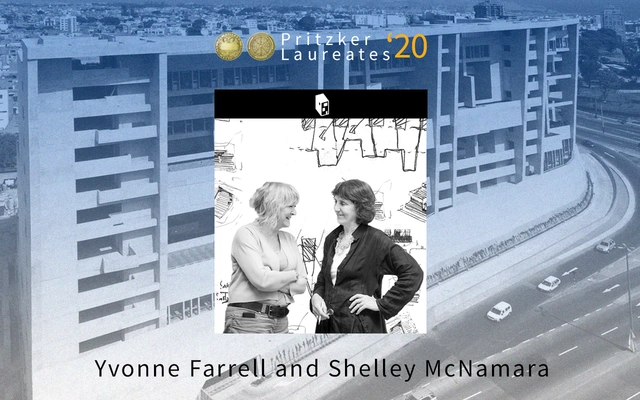
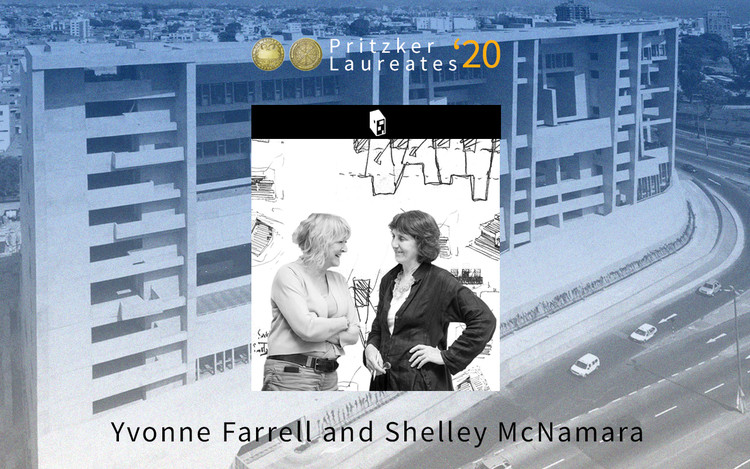
This year, architecture’s highest honor, the Pritzker Prize, has been granted to Grafton Architects' Yvonne Farrell and Shelley McNamara of Dublin, Ireland. The 2020 Laureates, who are both educators and architects, are known for their powerful yet delicate approaches. Their contextual and modern interventions are very attentive to history, demonstrating high levels of sensitivity and craftsmanship.







.jpg?1598465204&format=webp&width=230&height=230&crop=true)










.jpg?1592209486&format=webp&width=640&height=580)
.jpg?1592209476&format=webp&width=230&height=230&crop=true)
.jpg?1592209513&format=webp&width=230&height=230&crop=true)
.jpg?1592209536&format=webp&width=230&height=230&crop=true)
.jpg?1592209452&format=webp&width=230&height=230&crop=true)
.jpg?1592209486)




_2605.jpg?1587110718&format=webp&width=640&height=580)




.jpg?1585197773&format=webp&width=230&height=230&crop=true)
_Frank_Oudeman_19.jpg?1585198175&format=webp&width=230&height=230&crop=true)


.jpg?1484680102&format=webp&width=640&height=580)