
Ana Cecilia Garza Villarreal
BROWSE ALL FROM THIS PHOTOGRAPHER HERE
↓
Oratory Chapel / S-AR


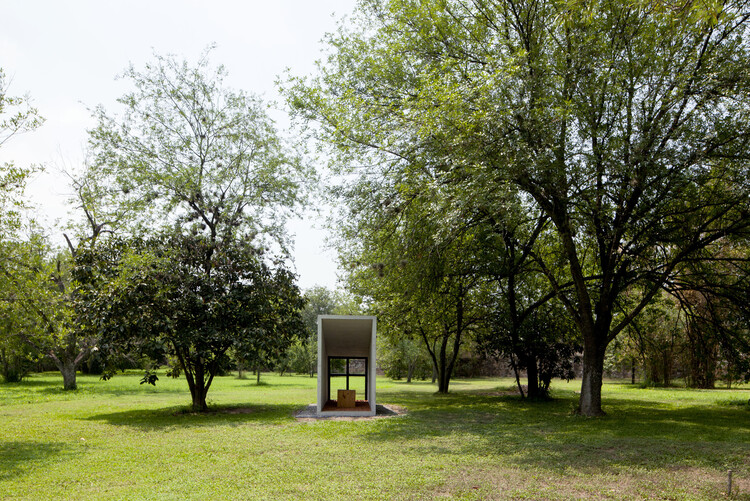
https://www.archdaily.com/1183456/oratory-chapel-s-arCristina Popescu
A selection of the best projects of 2018 by ArchDaily Mexico


Throughout 2018, we selected thousands of projects for publication on our site, occasionally highlighting a few for their innovative techniques and materials, their integration with their context, or their community engagement. Working daily with editors in Brazil, the United States, Mexico, Chile, China, and Northern Ireland, and thanks to the extensive network we have forged with institutions worldwide, we have the tools to gain a much broader perspective on current architectural production—not only in Mexico, but globally.
https://www.archdaily.com/1113851/a-selection-of-the-best-projects-of-2018-by-archdaily-mexicoMónica Arellano


Beyond Red: Architecture With Gray and Black Bricks
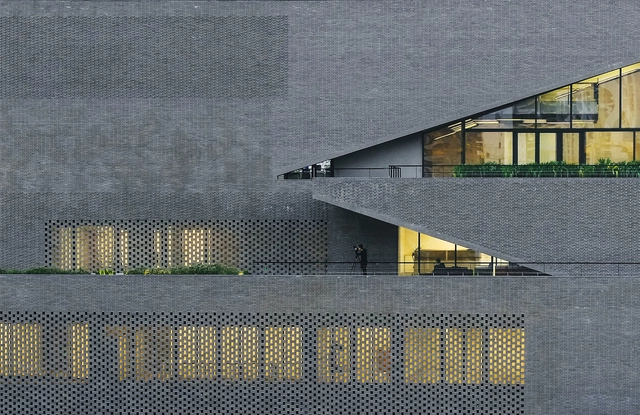
Pink Floyd's song “Another brick in the wall” criticizes an alienating and demotivating educational system. People, or children, are portrayed as bricks due to their homogeneity, whether in the way of living or thinking in a society that is not very fond of opposition. Bricks work very well in this comparison, having changed very little throughout history and around the world in their rectangular shapes. But that's not true of their colors. Although we tend to think of red when we talk about bricks, there are infinite possibilities of shades, depending on the composition and manufacturing process of the pieces.
https://www.archdaily.com/969424/beyond-red-architecture-with-gray-and-black-bricksEduardo Souza
Mirador House / S-AR
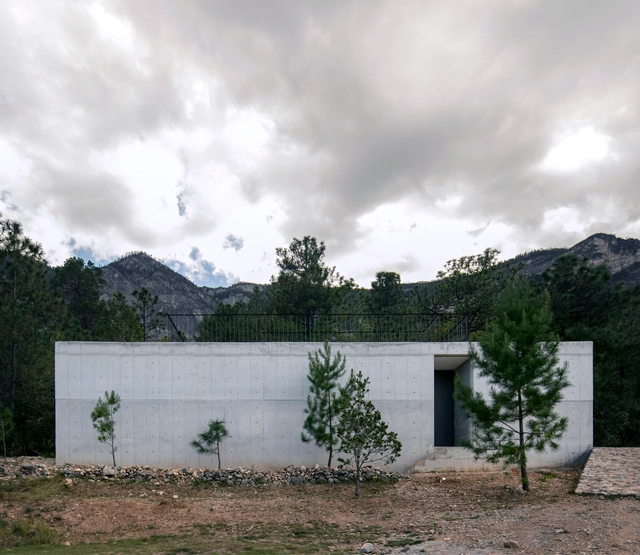


https://www.archdaily.com/999737/mirador-house-s-arValeria Silva
Room for Prayer: Designing for Spirituality and Sanctuary
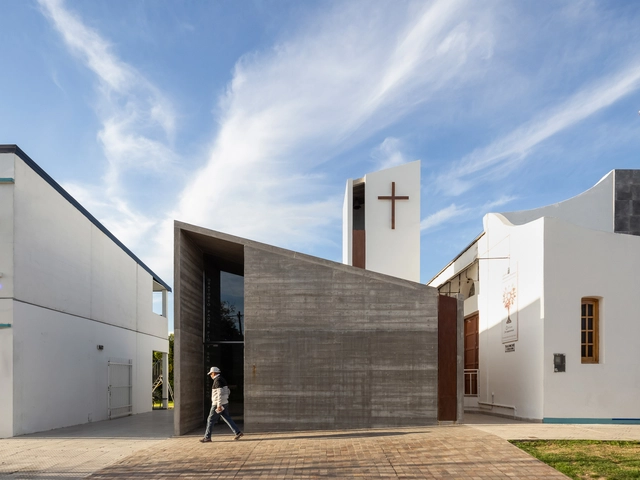
Few spaces are as intimate and contemplative as prayer rooms. Designed as both stand-alone structures and part of larger projects, prayer rooms are made as an architecture of introspection. Located within a house of worship or funerary space, or for their own dedicated purpose, these quiet rooms offer tranquil areas to consider life and the passage of time. Reflecting larger ideas on specific faiths and spirituality, they are designed as spaces of symbolism and sanctuary.


https://www.archdaily.com/983365/room-for-prayer-designing-for-spirituality-and-sanctuaryEric Baldwin
AAF Gallery / S-AR


https://www.archdaily.com/982820/aaf-gallery-s-arAgustina Coulleri
Casa casita / S-AR


https://www.archdaily.com/979742/casa-casita-s-arAndreas Luco
What Are The Most Used Materials in Social Housing? 15 Diverse Applications and Construction Styles
.jpg?1626079817&format=webp&width=640&height=580)
Choice of building materials and the inherent continuous reflection about the reach and capabilities of architecture are an interesting alternative way to approach this issue. The materials used in social housing should address local and economic possibilities and the real needs for access to housing in the contemporary context.
In this article, we analyze different projects published on our site to identify some of the predominant materials used in social housing, both for the formation of structures or enclosures. The intentions of this are two-fold: firstly, to create a worldwide panorama of different case studies with different construction styles from a range of geographical locations, and secondly, to provide inspiration and tools to architects to make better social housing.
Below we present 15 social housing projects and their diverse materials and construction styles.
https://www.archdaily.com/881187/which-are-the-most-used-materials-in-social-housingFabian Dejtiar
15 Interviews to Reflect on Contemporary Architectural Production in Mexico
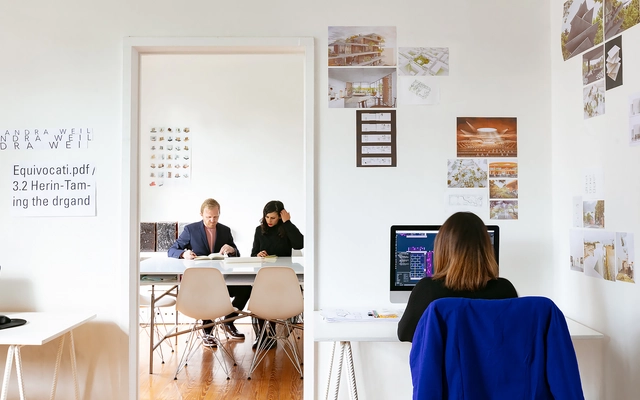


At ArchDaily, engaging with architects through conversations that reveal their working methods, histories, and reflections—both personal and collective, within their teams and the broader professional community—has always been a core priority. This dialogue not only brings knowledge to the professionals building our world, but also provides future generations with tools and experiences as they enter the workforce, always maintaining a critical eye on architectural practice.
https://www.archdaily.com/1124063/15-interviews-to-reflect-on-contemporary-architectural-production-in-mexicoMónica Arellano
Architecture in Mexico: Houses to Understand the Territory of Monterrey, Nuevo León
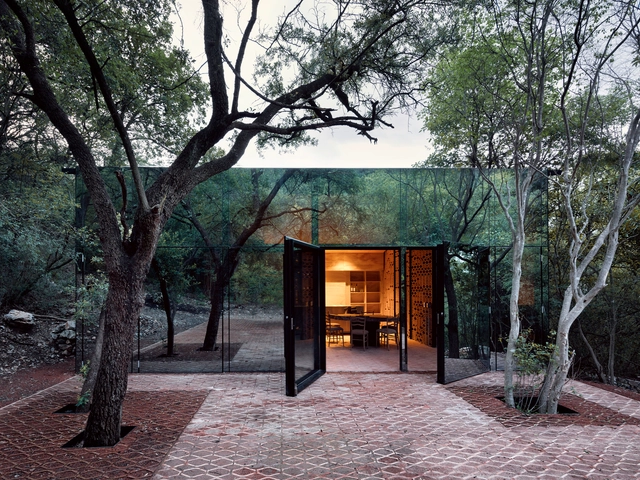


As one of Mexico's most prominent cities and business hubs, Monterrey is situated within the territory of Nuevo León, a state in the country's Northeast region that borders Texas, defining a significant portion of the US-Mexico border. Covering just over 451.30 square kilometers with an average elevation of 500 meters above sea level, the municipality is bordered to the north by San Nicolás de los Garza and General Escobedo; to the south by San Pedro Garza García and Santiago; to the east by Guadalupe, Juárez, and Cadereyta; and to the west by Santa Catarina and García.
https://www.archdaily.com/1124071/architecture-in-mexico-houses-to-understand-the-territory-of-monterrey-nuevo-leonMónica Arellano
S-AR: "The city makes no sense without the public space that connects us; it cannot be reduced to screens"
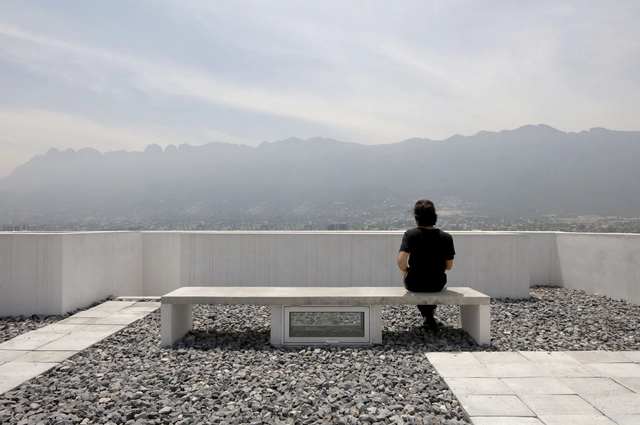


The National Social Distancing Campaign in Mexico began on March 23, 2020. However, even a couple of weeks prior—despite the federal government's recommendation to continue daily activities as normal—social media users were already choosing to replicate the European model of self-isolation. Some architecture firms immediately decided to close their physical spaces and transition to remote work, while others took several weeks to adapt. Ultimately, this period of social and physical (spatial) distancing is experienced differently in every home. The months of this pandemic have exposed not only the systemic inequalities regarding basic needs in dense urban areas, but also the fragility of our established social order. Whether at a macro or micro scale, these experiences are shaped by the built environment, positioning architecture as both a witness to and a defining factor in this equation.
https://www.archdaily.com/1123489/s-ar-the-city-makes-no-sense-without-the-public-space-that-connects-us-it-cannot-be-reduced-to-screensMónica Arellano
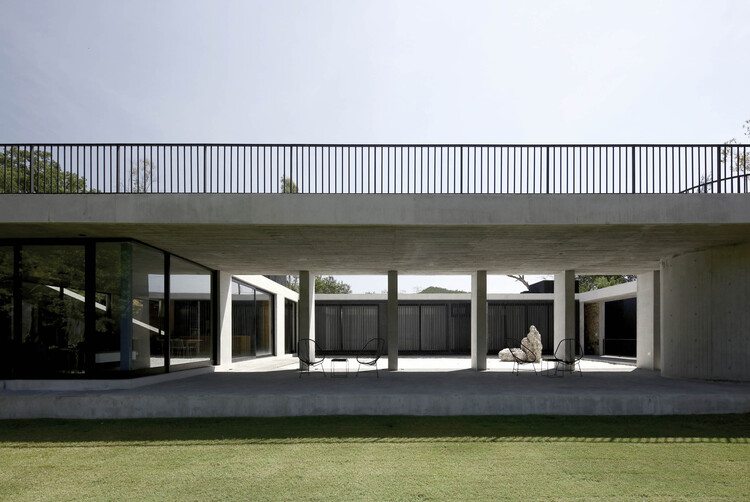
Cate House / S-AR


https://www.archdaily.com/937350/cate-house-s-arValeria Silva
The need for adaptable materials in Latin American social housing
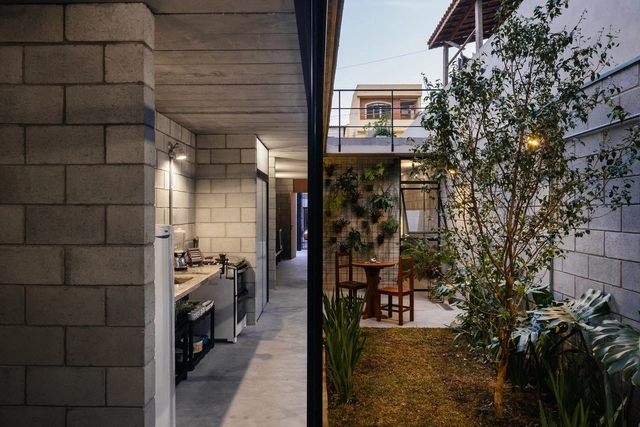
The article series by Nikos A. Salingaros, David Brain, Andrés M. Duany, Michael W. Mehaffy, and Ernesto Philibert-Petit investigating social housing in Latin America continues by exploring the choice of building materials. Read all past articles and the new piece below.
1- Design Capable of Establishing 'Emotional Belonging' 2- Anti-Patterns of Latin American Social Housing 3- Geometry of Control 4- Biophilia, Connectivity, and Spirituality 5- Using the Work of Christopher Alexander 6- Construction Strategies for Social Housing 7- Examples of Patterns and Generating Codes 8- Design Strategies 9 - Design Sequence 10 - Practical Suggestions for Successful Projects
https://www.archdaily.com/1120321/the-need-for-adaptable-materials-in-latin-american-social-housingNikos A. Salingaros, David Brain, Andrés M. Duany, Michael W. Mehaffy & Ernesto Philibert-Petit
Practical advice for the future of social housing in Latin America
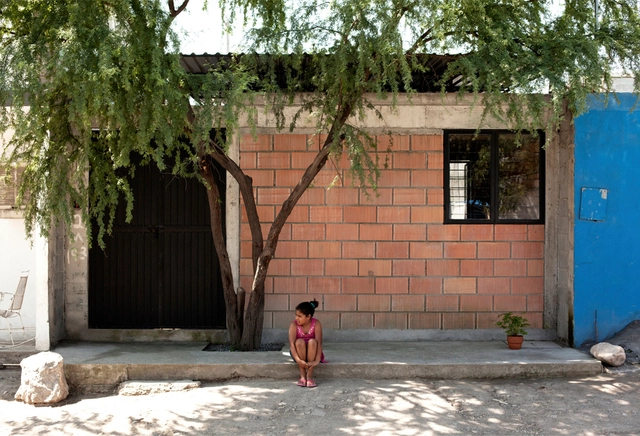
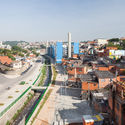
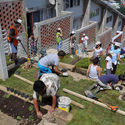
Continuing our series of articles by Nikos A. Salingaros, David Brain, Andrés M. Duany, Michael W. Mehaffy, and Ernesto Philibert-Petit on the study of social housing in Latin America, we now present practical suggestions for implementing projects that address new solutions for the future of social housing. Read all the previous publications and the new article below.

https://www.archdaily.com/1120627/practical-advice-for-the-future-of-social-housing-in-latin-americaNikos A. Salingaros, David Brain, Andrés M. Duany, Michael W. Mehaffy & Ernesto Philibert-Petit
Providencia Chapel / S-AR


https://www.archdaily.com/919770/providencia-chapel-s-arAndreas Luco
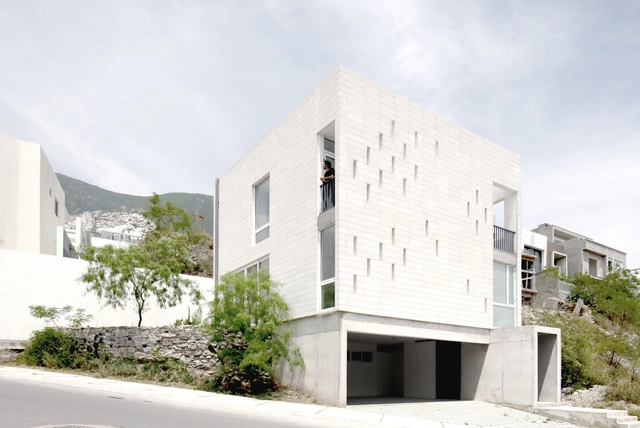
CV House / S-AR + Carlos Valdez


https://www.archdaily.com/917671/cv-house-s-ar-plus-carlos-valdezPilar Caballero
Socially-Organized Housing: Design That Establishes Emotional Ownership
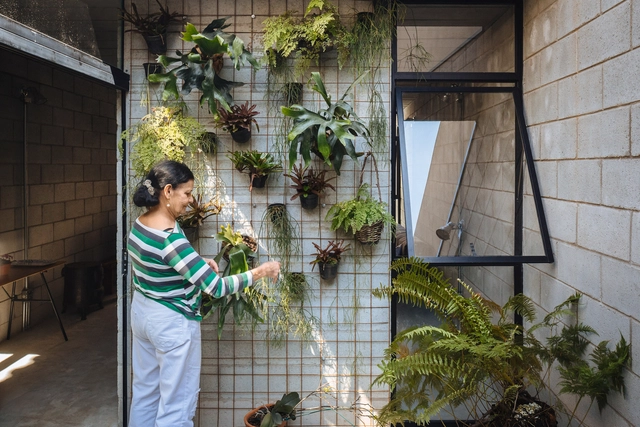
Developed by Nikos A. Salingaros, David Brain, Andrés M. Duany, Michael W. Mehaffy, and Ernesto Philibert-Petit, this series of articles offers here a set of evidence-based optimal practices for social housing, applicable in general situations. Varying examples are discussed in a Latin American context. Adaptive solutions work towards long-term sustainability and help to attach residents to their built environment.
They propose, then, new insights in complexity science, and in particular the work of Christopher Alexander on how to successfully evolve urban form. By applying the conceptual tools of “Pattern Languages” and “Generative Codes”, these principles support previous solutions derived by others, which were never taken forward in a viable form.
https://www.archdaily.com/913586/socially-organized-housing-design-that-establishes-emotional-ownershipNikos A. Salingaros, David Brain, Andrés M. Duany, Michael W. Mehaffy & Ernesto Philibert-Petit