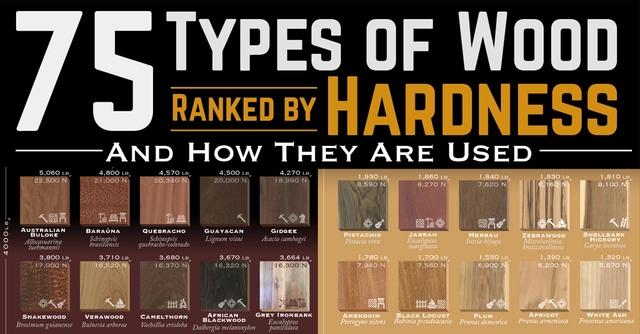
Ever wondered about the hardest and softest woods in the world? As architects, we're all pretty familiar with the softest: Balsa. Its material qualities are what make it so attractive to make models. But what about the the strongest wood in the world? Ever pondered just how many pounds or kilos of force they can withstand?
https://www.archdaily.com/895767/75-types-of-wood-ranked-by-hardnessAD Editorial Team
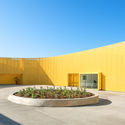
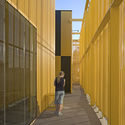
The extension is viewed as an urgent project to address overcrowding in the vital facility, with the demands of 20,000 annual patients resulting in hot, overcrowded communal spaces, and children sharing beds in wards. The Foundation described Manuel Herz as the “unanimous choice” with an approach showing “a mix of visual flair, practical understanding, and profound humanitarianism.”
https://www.archdaily.com/895766/manuel-herz-to-design-curvilinear-expansion-of-rural-senegal-hospitalNiall Patrick Walsh
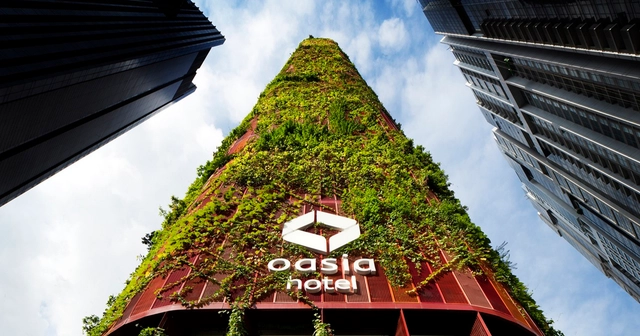
The Council on Tall Building and Urban Habitat have announced the winners of the 16th edition of the CTBUH Tall Building Awards. From over 48 finalists in 28 countries, the best buildings from four regions – the Americas, Asia & Australasia, Europe, and Middle East & Africa – were selected, along with recipients of the Urban Habitat Award, the Innovation Award, the Construction Award and the 10 Year Award. From these finalists, the CTBUH has also awarded the Best Tall Building Worldwide to the Oasia Hotel Downtown by WOHA.
The towers were chosen by a panel of architects from world-renowned firms and were judged on every aspect of performance, looking in particular for those which “have made extraordinary contributions to the advancement of tall buildings and the urban environment, and that achieve sustainability at the highest and broadest level.”
If you’re reading this post then it's likely that you are either an architect, or you’re dating one. If you belong to the former group, we salute you and all your hard work. But if you belong to the latter, this list might serve as a reminder of how lucky you are to be with somebody with the unique talents and traits of the architect—and that's not to mention the obvious fact that you could end up living in a beautiful house with the most beautiful furniture.
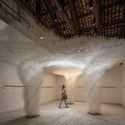
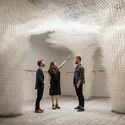
Cloud Pergola / The Architecture of Hospitality at the Croatian Pavilion is a collaborative site-specific environment conceived by the pavilion curator, Bruno Juričić. as Cloud Pergola is an installation crossing the boundaries of architecture, art, engineering, robotic fabrication, and computational models. The exhibition is structured through an interplay of three interventions: Cloud Drawing by Alisa Andrašek in collaboration with Bruno Juričić, To Still the Eye by Vlatka Horvat, and Ephemeral Garden by Maja Kuzmanović.
Habitat: Vernacular Architecture for a Changing Planet
Climate change is the biggest challenge facing our planet. There has never been a more important time to understand how to make the best use of local natural resources and to produce buildings that connect to ecosystems and livelihoods and do not rely on stripping the environment or transporting materials across the globe.
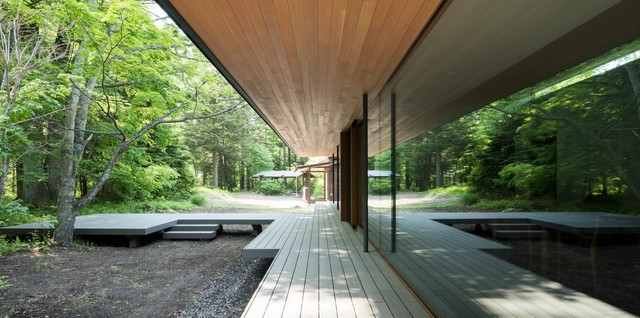
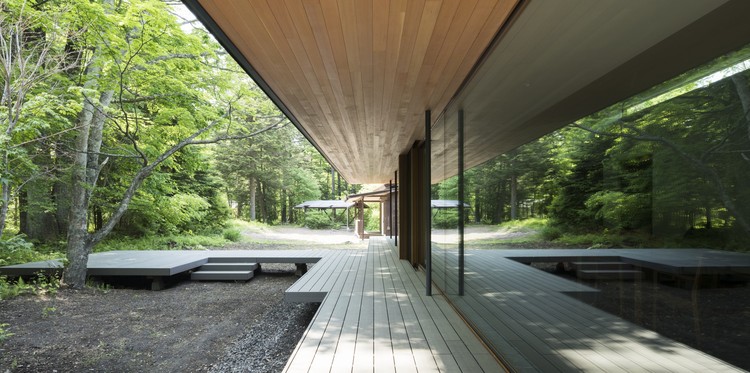
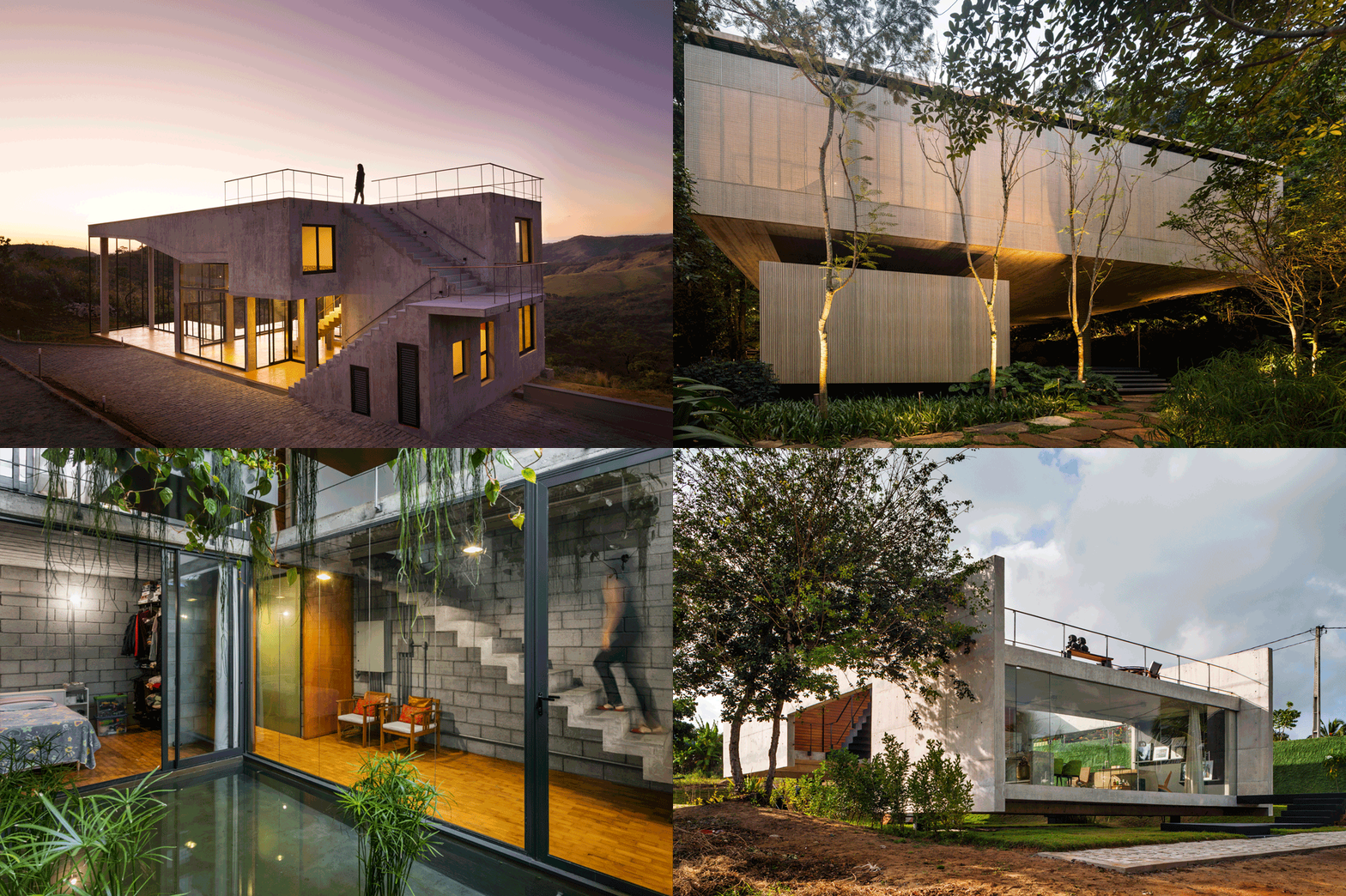
We absolutely love contemporary homes not only for their smart design but their visual appeal. Architects have a way of varying their design according to several factors such as the local and historical context, customs and cultures of users. The 10 projects below are no exception: open-floor plans, clean lines, minimal clutter, and a neutral color palette...
In a country like Brazil where all these factors vary in contrasting ways, it is possible to see a diversity of projects and architectural design approach adopted to deal with the challenge of building a residence.
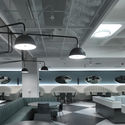
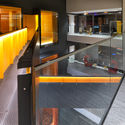
Woods Bagot have announced that they will be leading a redesign effort for the abandoned Hongqi Zhen Sugar Factory in Zhuhai’s Jinwan District. Due to be completed in three phases over the next ten years, their master plan for the almost 80,000 square meter site includes designs that will revitalize the area and transform it into an integrated tourism, cultural and leisure park.
A decade ago, a wave of striking architecture invaded major Chinese cities as the country prepared for the 2008 Beijing Olympics and 2010 Shanghai World Expo. Internationally renowned architects proposed and developed over-the-top structures, which soon became new symbols of the country. These iconic buildings helped mark Beijing and Shanghai as the major entry points to China, but as time progressed, the phenomenon spread to other, lesser-known Chinese cities. As these "second tier" cities thrived, their governments wanted to improve living standards and develop their own trademark, resulting in new theaters, stadiums, schools, and office towers.
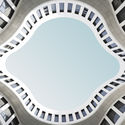
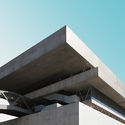
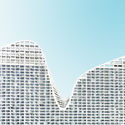
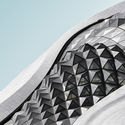
Having focused on Beijing and Shanghai in his first series of photographs, Kris Provoost has continued his "Beautified China" series with a deeper look at buildings in 12 Chinese cities throughout the country, from Harbin to Hong Kong. The project continues under the same premise: 20 minimalist photos taken over the past 8 years of striking architecture built in the last decade.


.jpg?1528130931&format=webp&width=640&height=580)
.jpg?1528130951 "Image by Play-Time © Manuel Herz Architects")
.jpg?1528130941 "Image by Play-Time © Manuel Herz Architects")
.jpg?1528130931 "Image by Play-Time © Manuel Herz Architects")
.jpg?1528130920 "Image by Play-Time © Manuel Herz Architects")
.jpg?1528130931)




_thyssenkrupp.jpg?1528124871 "MULTI. Image © thyssenkrupp")
_Antony_Wood.jpg?1528124897 "New York Times Tower. Image © Anthony Wood")
_Patarick_Bingham-Hall.jpg?1528124951 "Oasia Downtown Hotel. Image © Patrick Bingham-Hall")
















_Woods_Bagot.jpg?1527649361&format=webp&width=640&height=580)