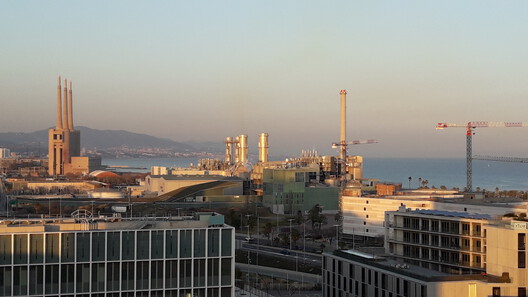
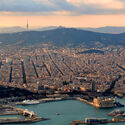
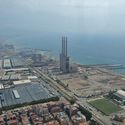
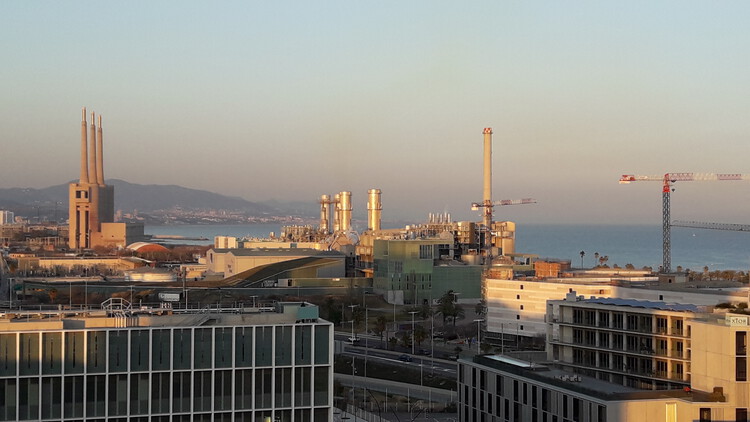
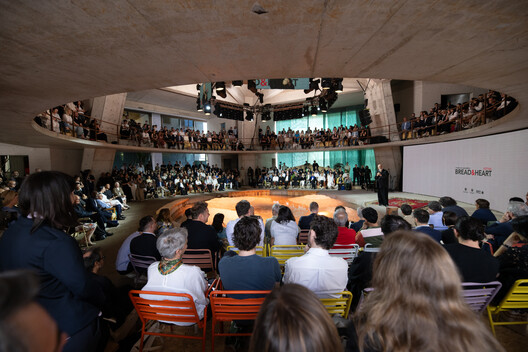
Every three years, the International Union of Architects' (UIA) World Congress lands in a different city, under a different theme set years in advance. A quick mapping of these host cities reveals a deliberate pattern: throughout the decades, the UIA has purposefully chosen a wide range of venues across all continents, rendering each edition a snapshot of what mattered in that specific place, at that exact moment. The result of this geographic rotation has been a diverse kaleidoscope of conversations, analyzing the profession from countless angles and adapting it to changing times. But 2026 is different; this time the UIA is repeating a host city for the first time: Barcelona, under the theme "Becoming. Architectures for a planet in transition".
The premier episode of the Room For Dreams podcast series, produced in collaboration with INDX|GLOBAL, features an engaging panel discussion centered on materializing the future through the lens of Indian architecture and design. Recorded live at Milan Design Week 2026 and moderated by Claire Broadka of designboom, the conversation brings together three visionary architects: Rachna Agarwal, custodian of Studio IAAD and Zoera; Vaibhav Dimri, founding partner of Anagram Architects; and Dinesh Panwar of Urbanscape Architects.
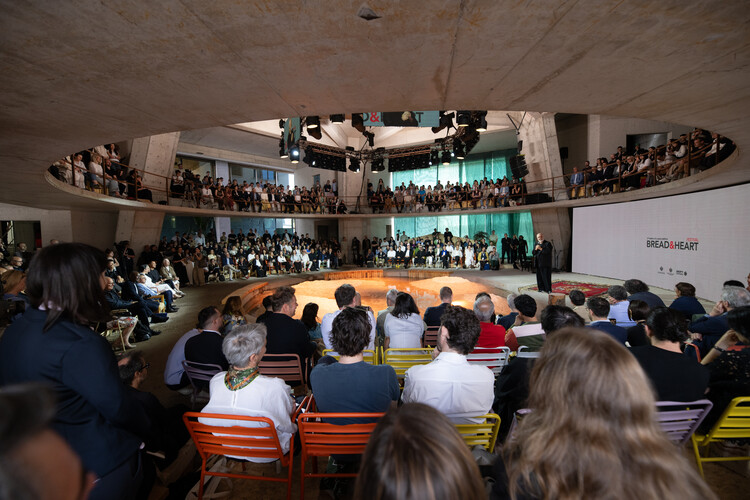
Bread & Heart Festival 2026. Image Courtesy of Bread & Heart Festival
Something has been happening in Tirana that the architectural world has not quite found the language for. In the space of a few years, a city of less than a million people in one of Europe's least-known countries has become the site of an extraordinary concentration of architectural ambition — a place where offices that rarely work in the same city, let alone the same decade, are building simultaneously, and where the questions that preoccupy contemporary architecture seem to arrive with an unusual urgency.
The second edition of the Bread & Heart Festival, held in Tirana from June 3 to 5, brought together more than two hundred architects, urban planners, developers, and professionals from across Europe, the Americas, Asia and beyond to discuss "Landscapes of Abundance", a theme organized around the curatorial premise of moving from portrait to landscape, from the individual building to the territory as a whole. The room it assembled would be difficult to replicate anywhere else in the architectural calendar: Francis Kéré, Jeanne Gang, Sumayya Vally, Pierre de Meuron, Bjarke Ingels, Reinier de Graaf, Stefano Boeri, Kersten Geers, Benedetta Tagliabue, Ma Yansong, among them.
Under the theme Common Ground, ICFF 2026 brought together the international design community through a shared focus on craftsmanship and innovation. From May 17–19, 2026, ICFF (International Contemporary Furniture Fair) returned to the Javits Center for a landmark edition that celebrated the global design community during NYCxDESIGN.
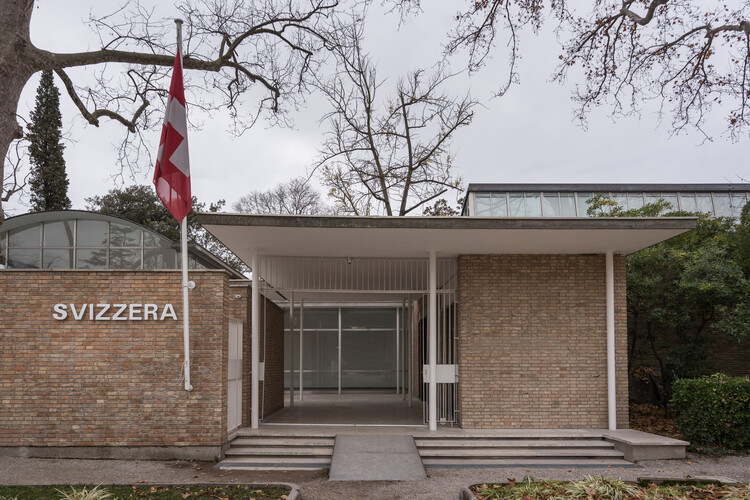
Architect and urbanist Paola Viganò has been selected by Pro Helvetia to curate the Swiss Pavilion at the 20th International Architecture Exhibition – La Biennale di Venezia. Chosen following a unanimous recommendation from the selection jury, Viganò's proposal explores water as a territorial, ecological, and political condition, taking Switzerland's role as "Europe's water tower" as its conceptual point of departure. Developed with StudioPaolaViganò and an interdisciplinary team, the project examines water not only as a resource but also as a subject, a legal entity, and a force that shapes landscapes, infrastructures, and the built environment.
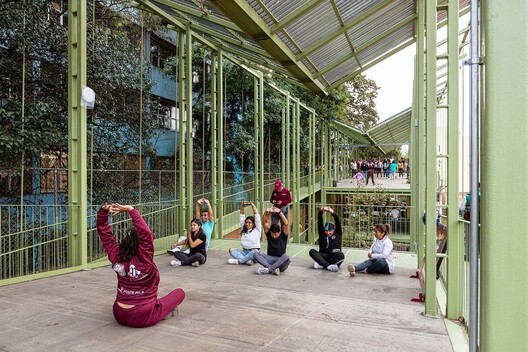
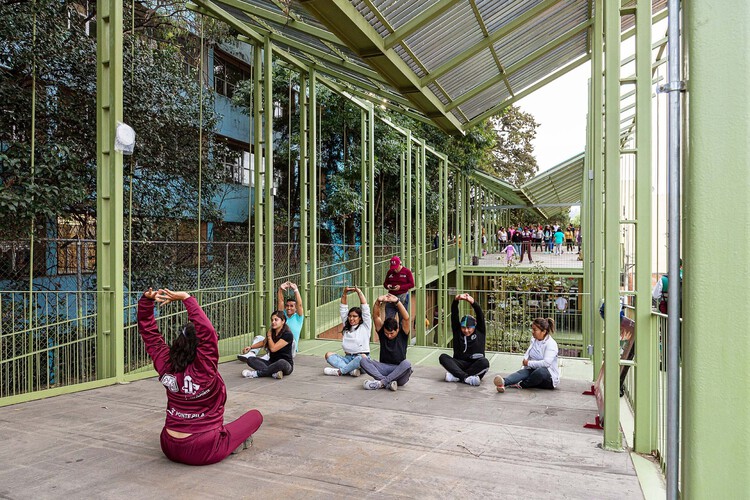
In many Latin American cities, peripheral neighborhoods have historically had less access to the resources that make urban life more than just livable. Housing, transportation, and public services are the usual markers of that gap. But there is another gap that is harder to quantify: the absence of places where people can gather, learn, rest, and participate in collective life. When those spaces do not exist, the city not only fails to provide a service. It fails to acknowledge a presence.
In recent decades, a growing number of projects have tried to address that absence directly. Rather than focusing only on physical infrastructure, they invest in spaces designed to support education, culture, recreation, and community, often merging several of those functions within a single building in neighborhoods where those spaces are otherwise limited.
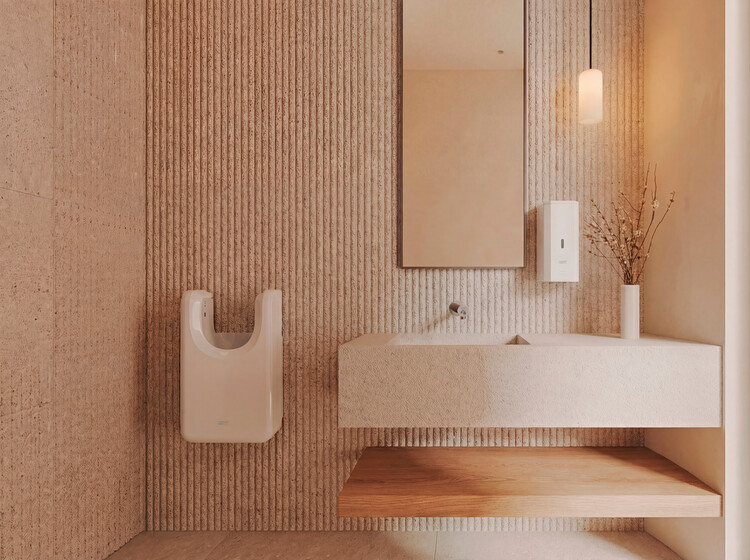
From lighting and materials to colors, textures, and forms, every design decision shapes how people perceive, experience, and interact with architecture. In contemporary interiors, these choices are no longer understood as merely aesthetic or functional, influencing comfort, behavior, mood, and even the way users evaluate the quality of a space. Bathroom design, in particular, now creates carefully curated environments with a distinct identity, where every element contributes to the overall spatial experience.
How does bathroom design influence users' feelings? What interventions or technical innovations can transform the end-user experience?
There is a standard way of telling the history of architecture and food. It begins with the human decision to cultivate, to store, to distribute, to consume, and ends with the building that decision produced. In this version of events, food is the occasion and architecture is the response.
But what if the story runs differently? What if the tomato built Almería? What if the cod redesigned the North Atlantic? What if the soybean is, at this moment, constructing a port in Santos and demolishing a forest in the Cerrado simultaneously, and the architect has simply not been told? These are descriptions of processes already complete, or well underway, that have produced some of the most spatially consequential contemporary landscapes. Much of the built environment is shaped by the pressures, metabolisms, and territorial ambitions of what we eat. Architecture, in this, is often less a project than a consequence, and the discipline has been telling its own story from the wrong end.
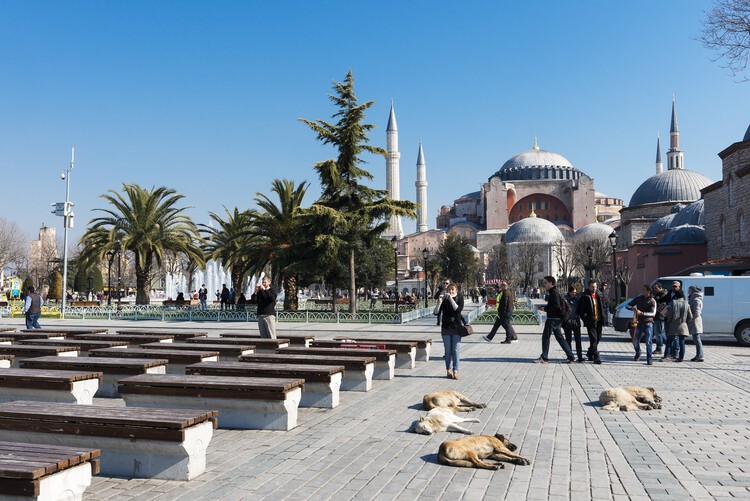
Stray dogs in Istanbul. Image by istanbulphotos, via Shutterstock
Architecture continues to draw cities as though humans occupy them alone. Plans trace circulation routes, zoning maps assign functions, and buildings are evaluated according to human comfort, safety, and efficiency. Walking through cities across India and Southwest Asia reveals something much more complex. Dogs sleep beneath market stalls, monkeys move across rooftops, birds nest in temple towers and mosque façades, and insects pollinate urban landscapes hidden in plain sight. These species are woven into daily urban life as consistently as human occupants. Streets, courtyards, roofs, drainage systems, markets, and vacant lots are already occupied by multiple species simultaneously. Architectural thinking has been slower to account for this reality.
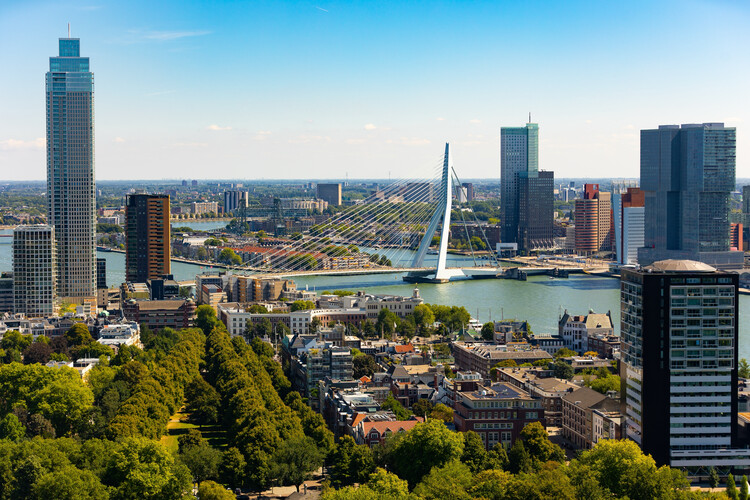
Who has the right to the city? Henri Lefebvre's writings question the structures that control urban space and, instead, put the citizens at the center of decision-making. His ideas have influenced the way architecture and urban design are practiced, bringing about community participation and co-design. These have been some of the most prominent themes at Utopian Hours 2026, the festival of city-making, the first part of which was held in the Dutch city of Rotterdam to mark its tenth anniversary edition.
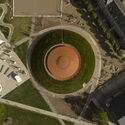
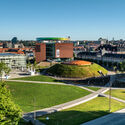
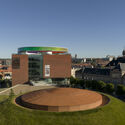
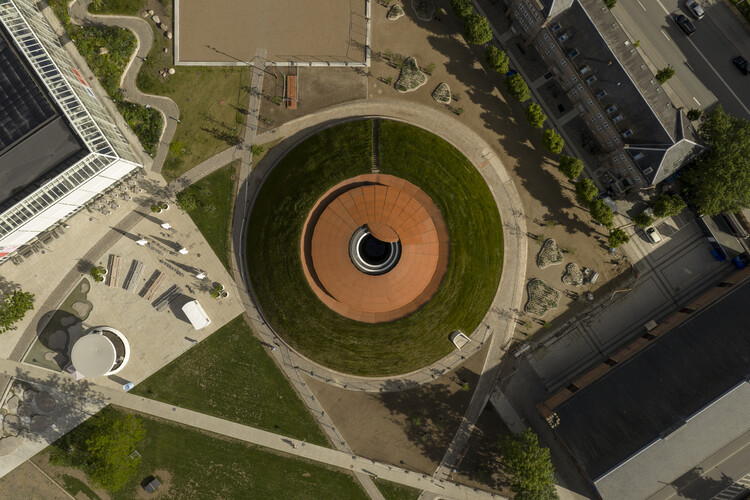
Denmark's ARoS AarhusArt Museum has unveiled As Seen Below – The Dome, a new Skyspace by American artist James Turrell that completes The Next Level, the museum's approximately 4,000-square-metre underground expansion designed by Schmidt Hammer Lassen. Opened to the public on 19 June 2026, the project marks the culmination of more than two decades of collaboration between the City of Aarhus, ARoS, and the Danish architecture practice, following the completion of the museum building in 2004 and the addition of Olafur Eliasson's Your Rainbow Panorama in 2011. Located beneath the redesigned Musikhusparken in central Aarhus, the installation forms the centerpiece of the museum's latest expansion and adds a new large-scale work by Turrell to its collection.
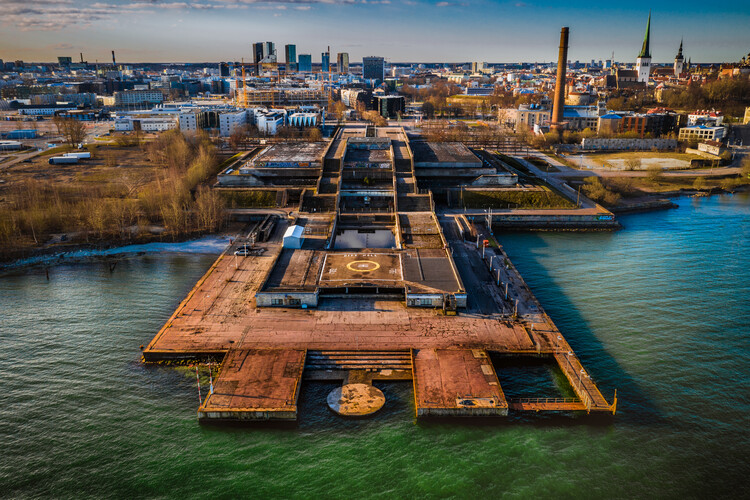
Following its 7th edition in 2024, an event centered around the theme "Resources For a Future," the Tallinn Architecture Biennale is coming back in 2026 with the question of "How Much?" Organised by the Estonian Centre for Architecture and curated by Stuudio TÄNA, Mark Aleksander Fischer, and Mira Samonig. From September 9 to November 30, 2026, the biennale will explore the relationship between constraint, cost, and architecture, often in the margins of the architectural discourse but inevitably shaping the built environment, to ultimately unlock new ways of understanding the meaning of value, affordability, and responsibility in architecture. The organization recently released the full program of exhibitions, workshops, concerts, family events, and films for TAB 2026, addressed to both architects and the general public.
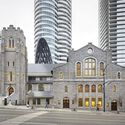
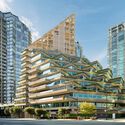
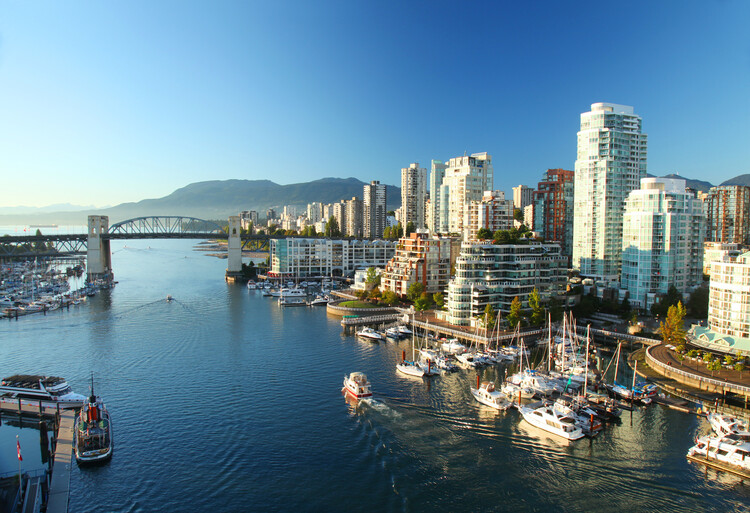
As the overview of the FIFA World Cup 2026 cities continues, we move on to what is currently the most livable city in North America, Vancouver. Dubbed the city of glass by artist Douglas Coupland, who was referring to the downtown's dominant steel-and-glass architectural aesthetic, the city actually boasts diverse architecture, from 20th-century Edwardian buildings to unique 21st-century modernist sites.
Vancouver is known for its good quality of life and access to nature. Although it comes at a price, the city offers high-quality services and ample recreational and public spaces, as seen in its architecture. There are many repurposed office and institutional buildings that have taken on a second life as public and hospitality spaces.
There is growing awareness around sustainability—and the environmental cost of prematurely demolishing safe, structurally sound buildings only to replace them with new construction. In the broader race to reduce carbon emissions, corporations and institutions are placing greater emphasis on ESG performance (environmental impact, social responsibility, and governance). Many now require carbon accounting, set "carbon-neutral" targets, or purchase carbon credits to offset footprints.
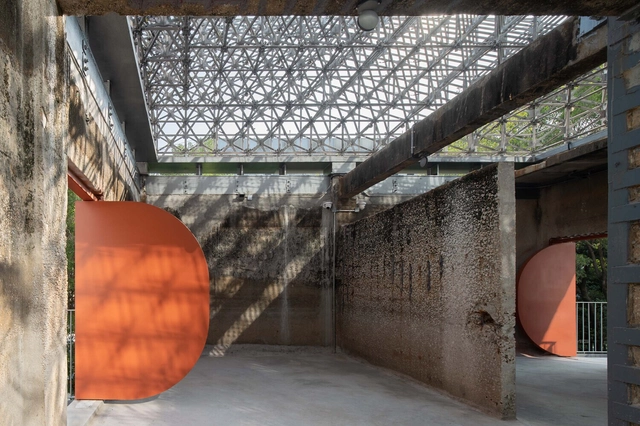
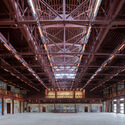
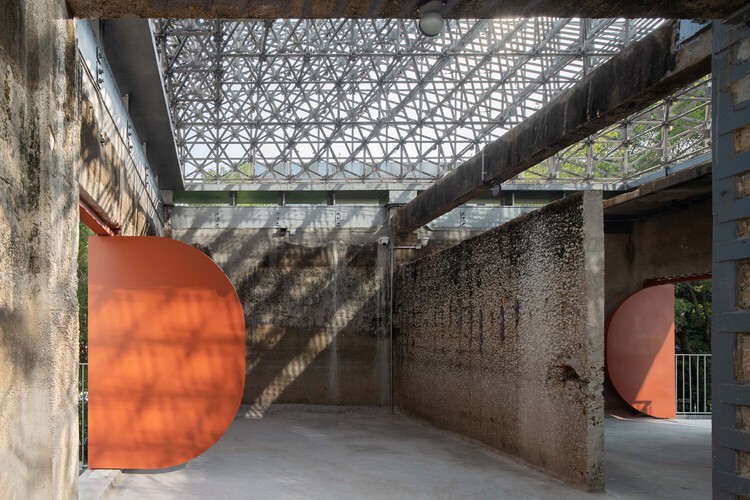
This shift, together with a wave of exemplary adaptive-reuse projects worldwide—Herzog & de Meuron's Tai Kwun in Hong Kong, Powerhouse Arts in Brooklyn, David Chipperfield's The Ned Doha, and Xu Tiantian's transformations of factories, quarries, and rammed-earth fortresses in China—has accelerated serious reconsideration of reuse as a primary development strategy. Yet despite its many benefits, adaptive reuse is still not as prevalent as it could be. Why and what might be the main obstacles and tensions?
Gokce Gemile Private Bay, Turkey. Image Courtesy of Gokce Gemile Private Bay
Coastal landscapes often determine far more than views. Steep slopes, fragmented rock formations, dense vegetation, hidden coves, and limited accessibility can shape how privacy, movement, and occupation unfold before architecture enters the site. Their proximity to water and climate make coastal territories highly desirable for habitation, yet their ecological sensitivity and limited geography often place pressure on how development takes shape. Unlike cities, where density can support walkability, infrastructure, and collective urban life, coastal territories operate through more fragile relationships between land, vegetation, and water.
Along many coastlines, development tends to prioritize visibility and proximity to the sea, organizing land through concentrated occupation and expanded circulation networks. Yet certain sites can guide another approach in which geography itself becomes the primary organizing force. How can architecture occupy a landscape without dissolving the qualities that make the site distinct? Located on a secluded peninsula along the Mediterranean coast of Turkey, Gokce Gemile Private Bay explores this question through a low-density architectural approach shaped by geography, controlled access, and spatial distance.
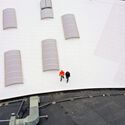
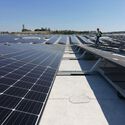
Building roofs are advancing through a multidimensional optimization process that encompasses technological innovations, new materials, energy-saving performance, and faster construction methods. From green roofs and rainwater harvesting systems to solar panels, contemporary architects are working to balance aesthetics, performance, durability, and environmental impact in their projects. Roof renovation not only extends the service life of buildings but also reflects an environmental commitment by improving efficiency and sustainability.
From acoustic and thermal cladding systems to masonry units and textiles made from agricultural waste, experimentation with bio-based materials continues to drive sustainable solutions for the construction industry. Faced with the urgent need to rethink how we conceive of and interact with the materials that shape the built environment, professionals, researchers, and educators are addressing different design scales and project phases, recognizing the importance of reducing carbon emissions and the industry's environmental impact. In partnership with Barcelona-based Bagaceira Project, the Sugarcrete® acoustic and thermal panel prototype, developed by the University of East London (UEL), demonstrates how low-carbon design can transform agricultural waste into high-performance building materials.
Moving from the drafting table to the computer screen, the digitization of drawings and documentation marked the first phase of digital transformation in architecture firms. The second introduced BIM, connecting project information through cloud platforms and collaborative workflows. Nowadays, a new phase is emerging, defined by artificial intelligence, automation, and more specialized software ecosystems. The paradox is that while previous phases were dominated by a small number of tools, today's landscape offers an abundance of highly specialized, AI-enabled, and often overlapping solutions competing for attention. While purchasing new software is often the easiest part of digital transformation, the greater challenge lies in changing established workflows and behaviors, which is why many new tools struggle to achieve lasting adoption.
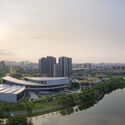
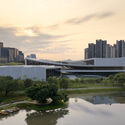
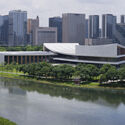
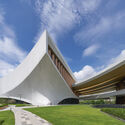
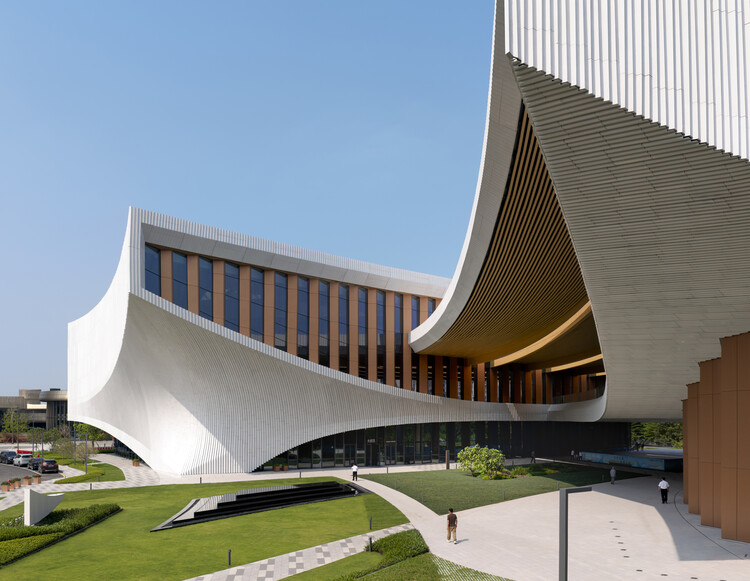
The Songshan Lake Exhibition and Performance Center, designed by ZHA in collaboration with the Beijing Institute of Architectural Design, is a new cultural and sports facility in Dongguan City, China. It's located in the city's High-Tech Industrial Development Zone, a technological innovation and science city established in 2001 as a hub for research, development, and high-tech manufacturing. Covering a total floor area of 45,000 square metres, the new cultural centre was designed to be a civic and cultural anchor for the Guangdong-Hong Kong-Macao Greater Bay Area (GBA). The construction of the riverside building started in 2021, and the complex was officially opened on March 30, 2026.