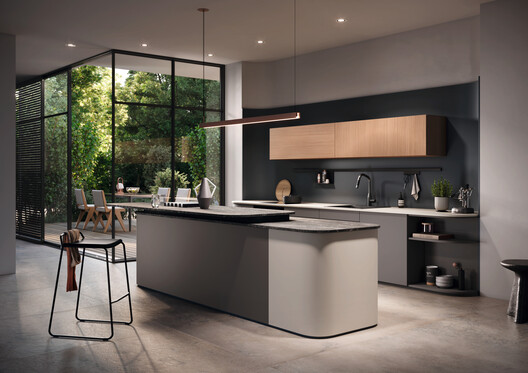
Designing an interior is, in many ways, an exercise in orchestration. Just as a conductor coordinates instruments, timbres, rhythms, and intensities to compose a coherent piece, the architect brings together materials, color, light, texture, and proportion to define the spatial quality and atmosphere of an environment. None of these decisions operates in isolation: the choice of a surface influences how light is reflected; a given material can shape how a room ages over time; color, in turn, directly affects the perception of scale.
Wood-based materials such as decorative particleboards, MDF boards or laminates can therefore be understood as more than simple finishes. Industrially produced, they combine decor selection, surface texture, and technical substrate, defining both their appearance and the way a space responds to use, light, and time. Factors such as dimensional stability, ease of maintenance, and resistance to wear become integral to design decisions, particularly in interiors subject to intensive use.
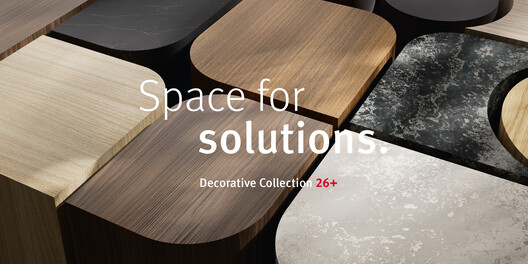
In this context, surfaces move beyond isolated choices and begin to operate systemically within a project. The EGGER Decorative Collection 26+ reflects this mindset by structuring a broad and coordinated portfolio that brings together three major surface families: solid colors, wood reproductions, and stone and other material interpretations. These are combined with different textures, gloss levels, and technical solutions, allowing distinct applications, from furniture to horizontal surfaces, to share a common material logic. With more than 360 decor and texture combinations, the collection functions as an open system capable of guiding design decisions from early concept through execution, balancing visual consistency, technical performance, and adaptability across different scales of use over time.
Color as an Architectural Base
Within this system, color no longer operates as a final layer but instead becomes an organizing element of space. The expansion of the beige color spectrum, for example, reflects this shift. More than an aesthetic preference, these tones function as an architectural base capable of supporting complex material compositions with greater continuity and visual stability. While white has historically served as a neutral background and black has often been associated with strong contrast, beige emerges as a response to the contemporary search for warmer, more continuous, and perceptually comfortable environments.
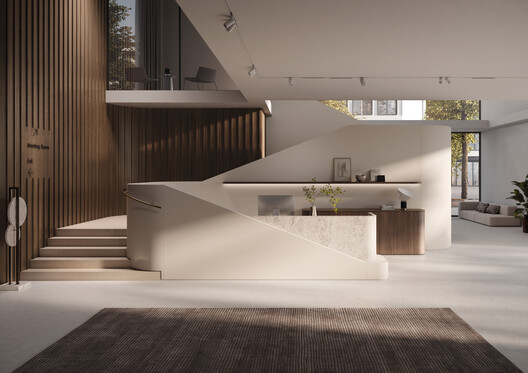
When it replaces bright white, beige tends to connect with browns of a similar tonal range, creating more homogeneous chromatic fields. Wood tones with a restrained visual character support smooth transitions between planes, reducing visual breaks and reinforcing a sense of spatial unity, particularly in larger-scale interiors.
This potential is further enhanced when paired with low-gloss surfaces. Matte finishes reduce excessive reflections and abrupt light variations, giving lighter tones a deeper and more stable reading. On large planes, they contribute to controlled contrasts and a welcoming atmosphere without relying on overt decorative effects. Unlike glossy white, these surfaces retain their neutrality even under intense lighting, acting as a reliable support for varied conditions of use and illumination.
The relationship between color and surface is reinforced through the expansion and coherence of the PerfectSense surfaces, which can be applied across different interior components. The ability to maintain the same chromatic and tactile logic across furniture fronts, panels, and more heavily used surfaces supports a more systemic design approach, in which color, material, and performance advance together without artificial hierarchies between aesthetics and use.
Wood Surfaces and the Reading of Scale
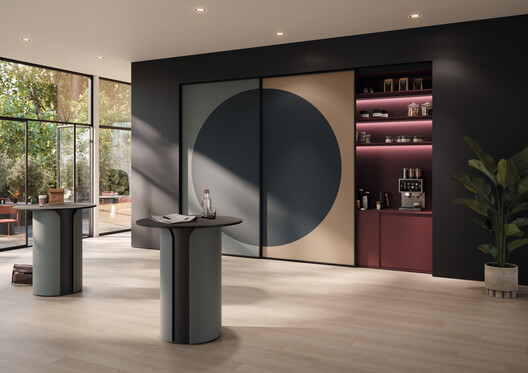
Wood surfaces play an important role in constructing interiors with greater material density and legibility, introducing natural reference and visual depth. On large vertical planes, however, graphic repetition tends to reveal the industrial nature of the material, as the eye quickly recognizes artificial patterns when they are amplified to an architectural scale.
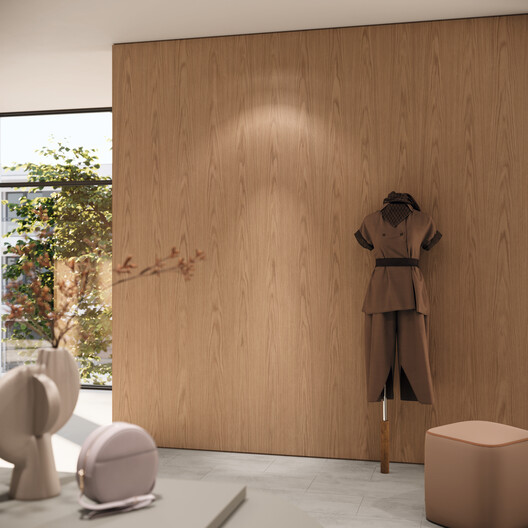
Solutions that reduce or eliminate repetition across extended panels, like the repeatless decor H1316 ST17 Bookmatch Oak, respond directly to this challenge, allowing for a more continuous reading that is closer to natural wood. Historically, this effect was associated with the use of carefully matched natural veneers, produced through labor-intensive and costly manual processes. Translating this logic into industrial systems broadens its field of application to spaces where scale demands more than a convincing texture at sample size, such as lobbies, common areas, libraries, retail spaces, and other interior public environments.
When paired with ultra-low-gloss surfaces, these wood compositions gain additional perceptual depth. Reduced reflectivity brings the visual and tactile experience closer to that of natural wood, reinforcing plane continuity and enabling a more precise reading of architectural proportions without resorting to decorative effects or graphic excess.
Reinterpreting Stone and Material Ambiguity
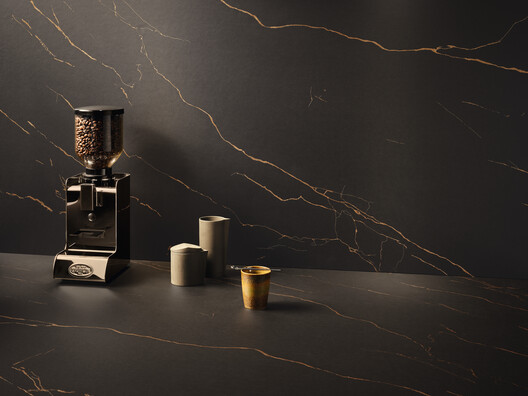
Another key axis of the collection lies in the reinterpretation of stone surfaces. By consciously exploring visual ambiguity through controlled contrasts between matte and gloss areas synchronized with the decor pattern, these surfaces approach the subtle variations found in natural stone. The result is not a literal reproduction of the source material but an interpretation aligned with contemporary notions of authenticity, in which irregularity, depth, and variation become design values.
This ambiguity, situated between the natural and the industrial and between gloss and opacity, expands the architect's material repertoire. It allows the creation of spaces that operate across more complex sensory layers without relying on excessive contrast or iconic gestures.
The EGGER Decorative Collection 26+ also includes a less visible but decisive dimension related to planning and project longevity. In large-scale buildings or projects with extended development cycles, the stability of the material repertoire becomes a critical factor. Periodic update models combined with guaranteed minimum product availability offer greater predictability in specification, allowing projects to progress through their various stages with material coherence and without forced substitutions.
By repositioning surfaces as active agents rather than decorative layers, architecture gains a more resilient and legible material logic, that aligns design intent, performance, and longevity within a single, continuous framework. Seen more broadly, the evolution of interior surfaces reflects a shift in architectural practice, where surfaces are no longer merely finishes applied at the end of a process, but as frameworks that actively structure spatial decisions from the outset. Color can operate as spatial infrastructure, guiding the perception; texture influences the reading of scale, orientation and depth; material coherence supports clarity across increasingly diverse programs.


