To fully know a city's architectural heritage, one must look beyond its designated sites and iconic buildings. For many, understanding a city's urban fabric and what makes it tick also means discovering the smaller-scale, locally appreciated, conserved buildings and popular gathering spaces. This is especially true when considering bustling Vietnamese cities, with their peculiar architectural characteristics, which can only be appreciated when learning about their many inspirations and historic layers, combining traditional Vietnamese motifs, modernism, local materiality, and climatic design solutions, but mostly by learning about the site constraints that are addressed through the implementation of the narrow tube houses and low-rise buildings.
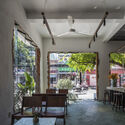
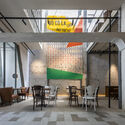
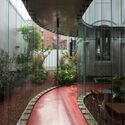
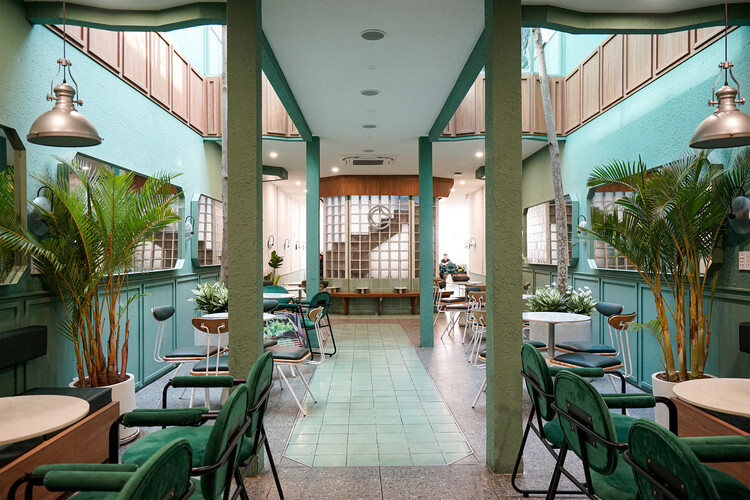
These key styles and architectural movements are often maintained and even highlighted, as architects give a second life to many rundown or abandoned buildings, transforming them into popular coffee joints. They are reviving smaller heritage sites by pushing for their restoration and regular use by the community, encouraging visitors to acknowledge the historic relevance of the space, as they covet it.
Some types of work only become visible when they are no longer done. They are discrete, repetitive, rarely celebrated, yet they quietly sustain the functioning of any operation. In architecture, this dimension rarely appears in the images that circulate. When we think about the discipline, we evoke seductive renderings, carefully lit perspectives, precise plans, drawings that promise possible or even utopian futures. Yet the layer that supports these formal gestures is not found in the image, but in specification, detailing, and documentation.
Since artificial intelligence moved to the center of architectural debate, the conversation has largely been driven by its ability to generate forms and atmospheres in seconds. Stylistic simulations, conceptual variations, and visual experimentation have come to symbolize technological advancement in the field. There is something understandable in this fascination: architecture has always engaged with representation as a way of imagining what does not yet exist.
Today, 20 February, the United Nations marks World Day of Social Justice under the theme "Renewed Commitment to Social Development and Social Justice." This year's observance takes place in the aftermath of the Second World Summit for Social Development in Doha and the adoption of the Doha Political Declaration, renewing the commitments first articulated in the 1995 Copenhagen Declaration: poverty eradication, full and productive employment, decent work for all, and social inclusion as interdependent pillars of development. At a moment defined by widening inequalities and accelerating environmental and technological transitions, the 2026 commemoration calls for translating political affirmation into measurable, cross-sectoral implementation.
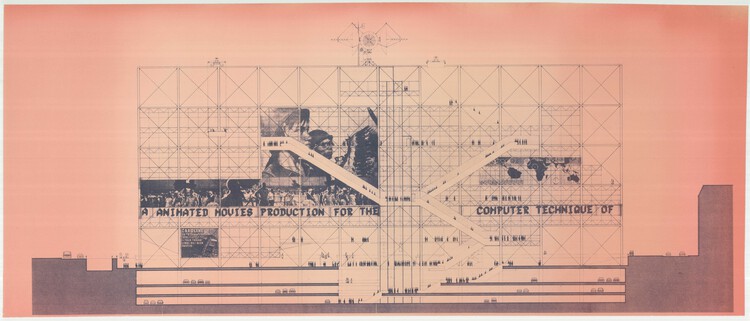
On January 30, an exhibition entitled "Concours Beaubourg 1971: Une mutation de l'architecture" opened in Paris, showcasing archival material from the competition that resulted in the selection of the current Centre Pompidou, designed by Renzo Piano and Richard Rogers between 1969 and 1974. In view of the building's recent closure for renovation, approximately 100 archival documents, including some never before exhibited from the Centre Pompidou's collections (plans, drawings, photographs, models, etc.), are on display at the Académie d'Architecture at Place des Vosges until February 22, 2026. Co-produced by the Académie d'Architecture and the Centre Pompidou, with support from the École nationale supérieure d'architecture de Saint-Étienne, the exhibition presents alternative, imaginative, and sometimes unbuildable proposals for the building. It offers a review of a fertile period in architectural history, highlighting the lasting effects of the "Beaubourg competition" on the discipline and profession.
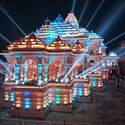
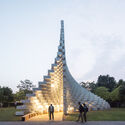
A Gothic cathedral can take centuries to complete. A world exposition pavilion may stand for six months. A ritual structure in Kolkata rises and vanishes within five days. Yet each draws pilgrimage, shapes collective memory, and reorganizes urban life. If heritage has long been defined by what endures, architecture repeatedly shows that cultural authority can also belong to what gathers people.
For much of the twentieth century, conservation frameworks privileged permanence. The Venice Charter, adopted by the International Council on Monuments and Sites, focused on safeguarding monuments and their material authenticity. Cultural value was tied to physical fabric such as stone, brick, and timber. To protect heritage was to preserve what stood. The logic felt stable, even self-evident.
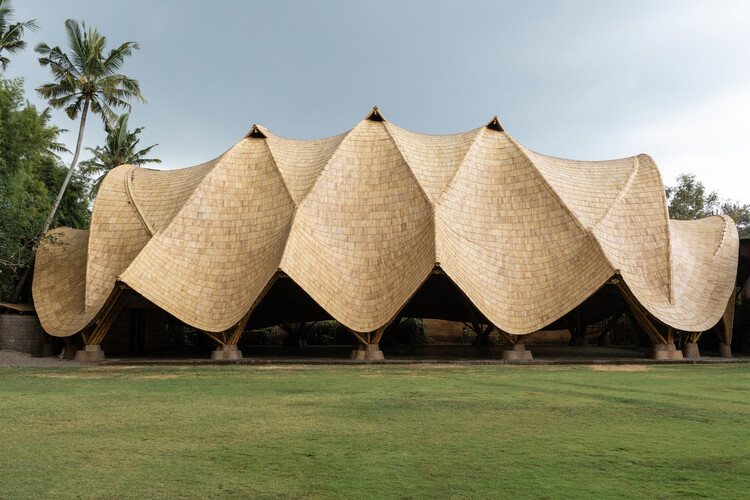
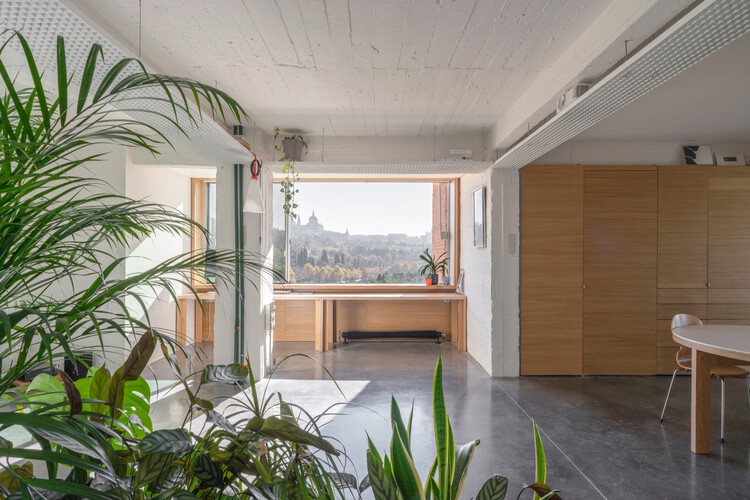
A revitalized canning factory in a coastal Portuguese city, a memorial park in Ethiopia, a small-town Brazilian home, a wooden pavilion evoking Bahrain's heritage, and 11 other visionary projects comprise the winners of the 2026 ArchDaily Building of the Year Awards. Chosen over three weeks of public voting, the winners are representative of the current architectural landscape, reflecting a diversity of approaches, materialities and aesthetics, while also showcasing common threads across cultures.
In its 17th edition, this year's Building of the Year Awards received more than 120,000 votes from over 100 countries, marking a record-breaking year for the world's largest community-driven architecture award. The winners represent 14 different countries, cultures and perspectives, coming from Brazil, Canada, Chile, Colombia, Denmark, Ethiopia, Germany, India, Indonesia, Japan, Portugal, South Korea, United States and Vietnam.
https://www.archdaily.com/1038873/meet-the-15-winning-projects-of-the-2026-archdaily-building-of-the-year-awardsDaniela Porto
When Hong Kong's architectural story is told, it is often reduced to a handful of icons. Many people most readily name I.M. Pei—Pritzker Prize laureate and architect of the Bank of China Tower in Central (1990), as well as global works such as the Le Grand Louvre in Paris and the Miho Museum in Shiga. Looking elsewhere, one also encounters a long lineage of British and international architects whose imprints have shaped the city's institutional skyline: from Ron Phillips' civic works—most notably the former Murray Building (1969), now The Murray Hotel, and Hong Kong City Hall (1962)—to Norman Foster's infrastructural and corporate monuments, including the Hongkong and Shanghai Banking Corporation (HSBC) Tower (1986) and Hong Kong International Airport (1998), and, more recently, Zaha Hadid Architects' The Henderson (2024).
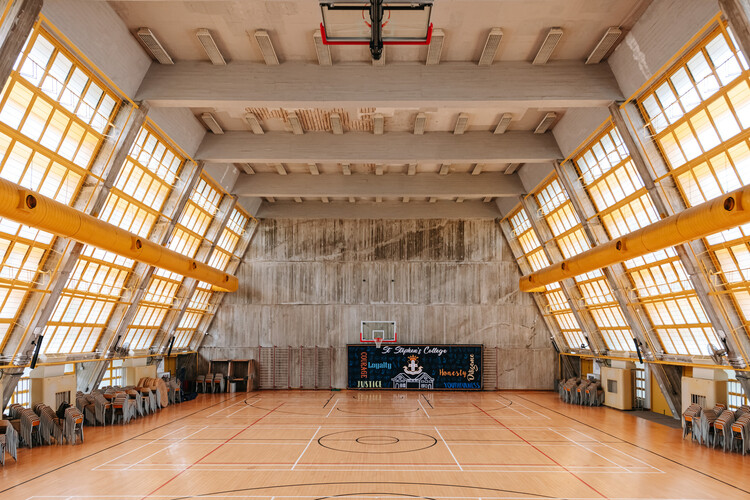
Yet within the same period as Pei and Foster, local architects were also producing buildings of enduring significance—works that carried the legacies of Bauhaus, but translated them into a language distinctly calibrated to Hong Kong's climate, density, and civic life. These projects may not always read as commercially prominent icons, yet they often register a sharper sense of social responsibility and public agenda. Among the most important figures in this lineage is the late architect Tao Ho, whose work and public role formed a quieter—but no less foundational—strand in Hong Kong's modern architectural heritage.
First Prize Winner: A Thread Through Time. Image Courtesy of Buildner
Buildner has announced the results of the Dubai Urban Elements Challenge, a landmark international design competition organized in strategic collaboration with Dubai's Roads and Transport Authority (RTA). With a total prize fund of 2,000,000 AED (approximately €500,000), the initiative represents one of the most significant publicly funded global design competitions focused on urban transformation.
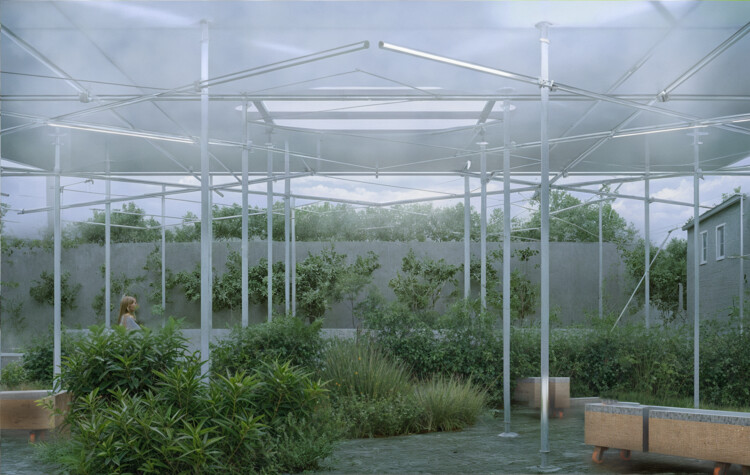
The competition was conceived as a forward-looking procurement and innovation platform for one of the world's fastest-evolving metropolitan environments. Participants were invited to propose modular, climate-responsive urban elements—seating systems, shading devices, lighting infrastructure, wayfinding components, rest areas, and micro-retail structures—designed to enhance pedestrian life and strengthen Dubai's public realm identity.
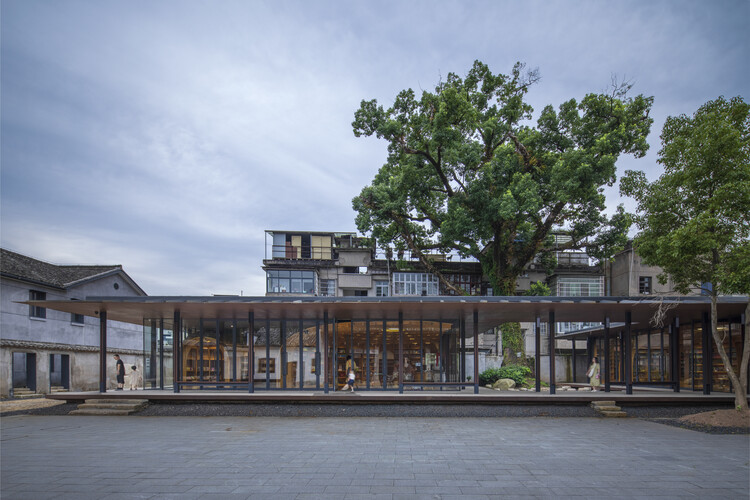
Songyang Culture Neighborhood by Liu Jiakun, the 2025 Pritzker Architecture Prize laureate. Image Courtesy of Arch-Exist
This week's news brings together developments in professional recognition, cultural programming, and large-scale urban strategy, reflecting the multiple scales at which architecture shapes contemporary discourse. As the field anticipates the next Pritzker Architecture Prize announcement, conversations around authorship, civic responsibility, and long-term impact unfold alongside the American Institute of Architects' 2026 Honorary Fellowship appointments, situating individual achievement within broader institutional frameworks. At the same time, updates from Riyadh to London foreground the role of architecture in both enabling new cultural platforms and safeguarding post-war heritage. Complementing these narratives, the reassignment of the 2029 Asian Winter Games and progress on expansive public landscapes highlight how cities are aligning infrastructure delivery, environmental resilience, and territorial planning with long-term economic and social agendas.
Concéntrico is an urban innovation laboratory that invites reflection on the city through architecture and design. Since 2015, it has carried out more than 180 interventions in Logroño, Spain. The new 2025/2026 season of the festival expands on this experimental spirit with three international calls for proposals that bring the ideas in the book Concéntrico: Laboratorio de Innovación Urbana (Park Books, 2025) into action. Through these calls, the organization seeks to explore further three lines of research, the ephemeral, the ecological, and the symbolic, to imagine different ways of inhabiting the city. The winning projects from this edition's calls for entries will be developed, built as urban installations, and presented in the exhibition during the festival, taking place in Logroño from June 18–23, 2026.
Videos
Villa Tai. Image Courtesy of ARK Architects
The single-family house remains one of the most complex territories in contemporary architecture. At once intimate and technical, everyday and symbolic, it concentrates debates around comfort, sustainability, landscape, and ways of living, while also serving as an instrument for projecting the identity of its inhabitants. It is within this field that ARK Architects operates. Based in Marbella and Sotogrande, the studio's work, under the creative direction of co-founder Manuel Ruiz Moriche, develops from a direct relationship between architecture, natural light, and environmental context.
Videos
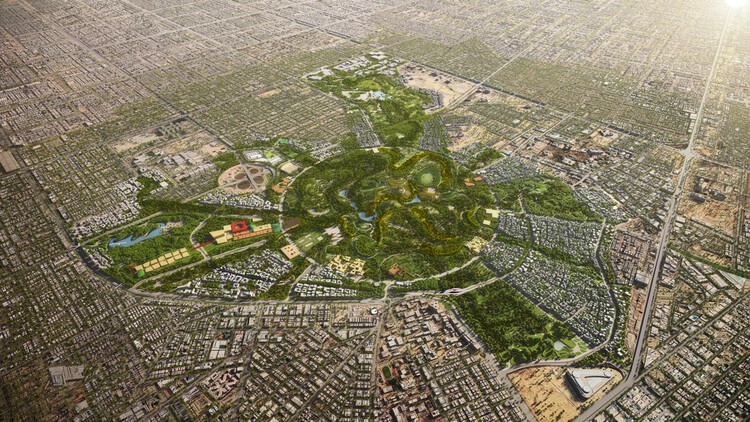
King Salman Park, Riyadh, Saudi Arabia. Image Courtesy of King Salman Park Foundation & Omrania
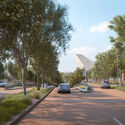
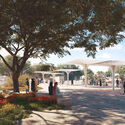
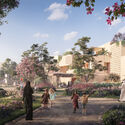
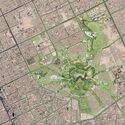
Construction continues on King Salman Park in Riyadh, a 16.9-square-kilometre public landscape taking shape on the grounds of the city's former airport. Led by Omrania as lead design consultant, in collaboration with Henning Larsen for master planning and urban design, the project reimagines the centrally located site as a large-scale green and cultural district. Conceived as a new civic core for the capital, the park combines ecological restoration, public programming, and mixed-use development. Initial phases are expected to open in late 2026, with substantial completion targeted for 2027, following a phased construction schedule currently underway.
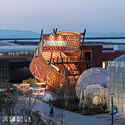
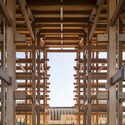
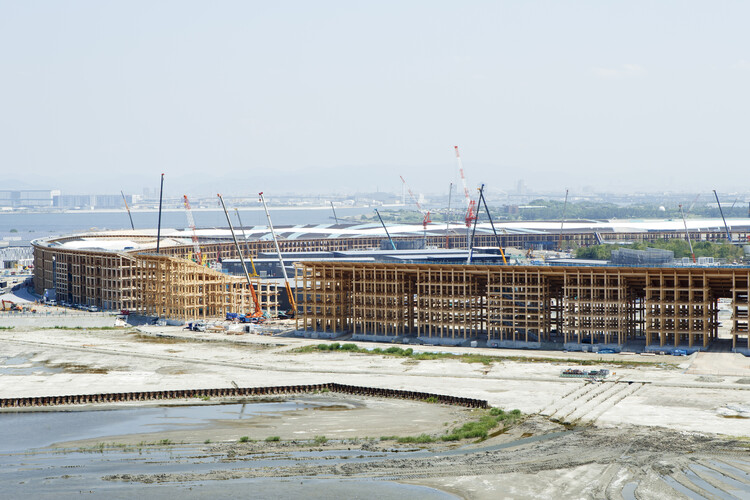
Exhibitions can be an opportunity to extend architectural discourse beyond professional circles, opening conversations with broader publics and serving as an interface between architecture and society. Within this concept, major international events such as the Osaka International Expo 2025 and the Venice Architecture Biennale have adopted the idea of the circular economy as one of their organizational objectives. The idea of circularity in events can be reflected in, for example, their energy consumption, the impact of the displacement they generate, their waste, or the useful life of their infrastructure. The site destined for the last World Expo, held in Osaka from 13 April to 13 October 2025, was surrounded by a massive timber structure designed by Sou Fujimoto Architects, one of the world's largest wooden constructions. The Japan Association for the 2025 World Exposition committed to reusing building materials "as much as possible," with concrete plans for their reuse to be finalized by March. In the meantime, some relocation alternatives are already emerging for the pieces of the World Expo structure.
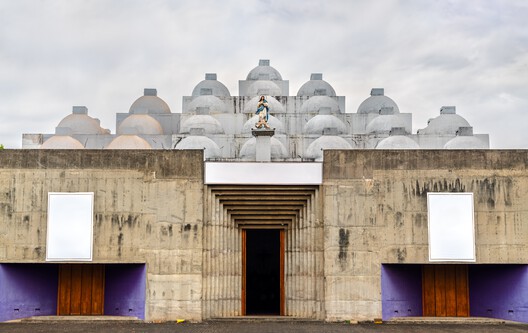
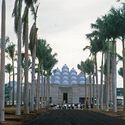
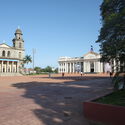
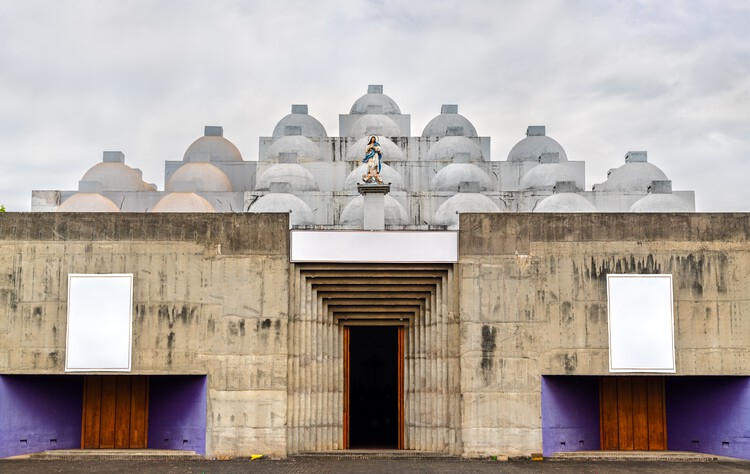
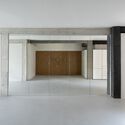
On December 23, 1972, Managua, the capital of Nicaragua, was struck by a 6.3-magnitude earthquake. In a matter of minutes, its urban core, which for decades had functioned as a compact political and economic center, abruptly collapsed. In the reconstruction process that followed, the authorities sought not simply to rebuild but to reorganize. Their objective was to decentralize the city and prevent future paralysis by dispersing functions across multiple zones. Among the most significant architectural outcomes of this shift was the new Metropolitan Cathedral. Its modernist language symbolized both institutional continuity and urban transformation. In doing so, it embodied Managua's transition from a Spanish-style, centralized urban grid to a contemporary, decentralized metropolis.
The role of heritage rehabilitation in the contemporary architectural landscape is shaped by a wide range of research, beliefs, memories, and efforts aimed at redefining and strengthening our built environment. When undertaking a transformation, renovation, or preservation project, architects can employ diverse strategies and tools to encourage a meaningful coexistence between what already exists and what is newly introduced. Together with three Madrid-based architecture practices—SOLAR, Pachón-Paredes, and BA-RRO—we set out to engage in conversation and explore their creative processes and ideals, recognizing the complexity and value of historic buildings as repositories of materials, structures, and construction techniques from other eras.
Videos
Dornbracht Madison fittings for Brenners Park-Hotel & Spa in Baden-Baden. Image Courtesy of Dornbracht
During renovation projects, replacement is often preferred over refurbishment. Used fixtures are removed, new products specified, timelines secured. Particularly in hospitality projects, where closures are costly and operations are tightly scheduled, installing new components appears to be the most reliable solution. It is faster, easier to coordinate, and aligns with established workflows. Refurbishment operates differently. It requires careful dismantling instead of disposal, evaluation instead of substitution, and trust in the quality of what is already there. It introduces complexity into a process designed for efficiency.
The recent renovation of Brenners Park-Hotel & Spa in Baden-Baden demonstrates that under the right circumstances, this additional effort can become a deliberate architectural strategy for similar projects, especially when the original materials were never intended to be temporary.
As the building industry continues to account for a significant share of global carbon emissions, digital platforms are increasingly being developed to support carbon reduction across different stages of the design and construction process. These initiatives range from material-focused knowledge databases to project life-cycle guidance and early-stage embodied carbon assessment tools. While differing in scope and methodology, they commonly aim to improve access to technical knowledge, clarify responsibilities across the value chain, and facilitate more informed decision-making in the built environment. Recently, Henning Larsen launched OpenDetail, joining related efforts by Grimshaw and MVRDV to address decarbonization through shared digital infrastructure.
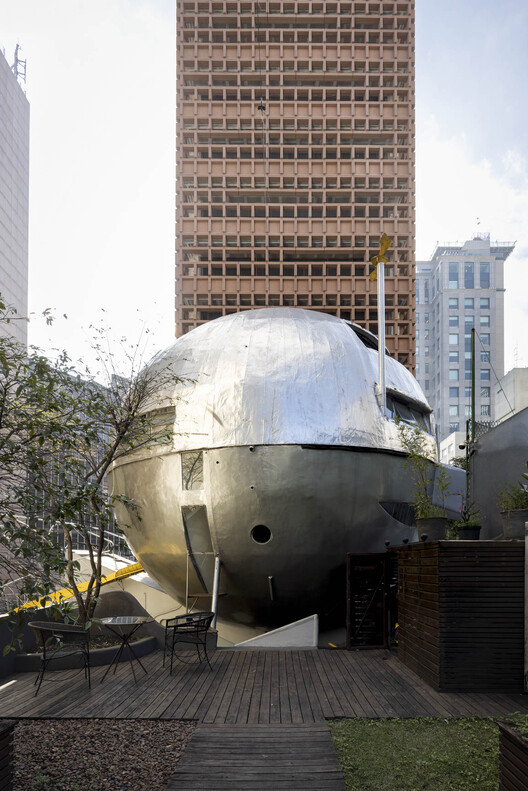
From 7 March to 31 May 2026, Brazilian architect Eduardo Longo's Casa Bola will open to the public for the first time. The futuristic ball-shaped house in São Paulo will host one of the two parts of the ABERTO5 exhibition, alongside a project on Faria Lima, a major avenue at the heart of the city featuring landmarks by architects such as Ruy Ohtake and Isay Weinfeld. Founded in 2022, ABERTO is an exhibition platform that promotes the encounter of architecture, art, and design in Brazil and internationally. After its first international exhibition at Maison La Roche in Paris, ABERTO returns to São Paulo for its fifth edition, presenting over 60 art and design pieces by 50 Brazilian and international artists. According to architect and curator Fernando Serapião, Casa Bola represents one of the most radical works of Brazilian architecture, challenging conventional domestic space and reflecting Eduardo Longo's experimental vision for housing.
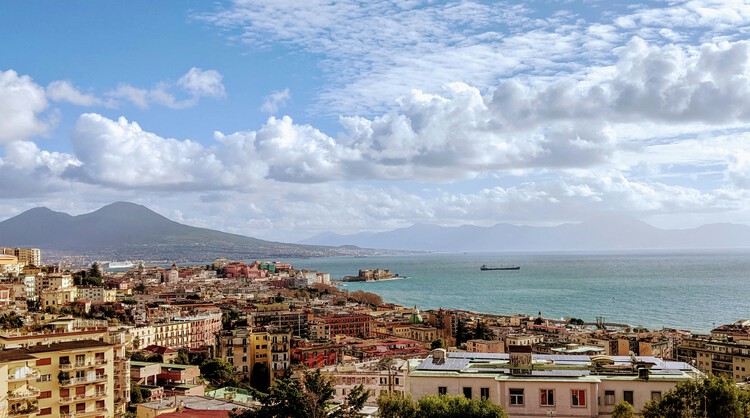
Set on the edge of the Mediterranean and shaped by centuries of continuous occupation, Naples is a city where architecture is inseparable from time. Layers of Greek foundations, Roman infrastructures, medieval churches, Baroque palaces, and Modern interventions coexist within a dense and compact urban fabric. Naples reveals itself as an accumulation of structures, adaptations, and reuse, where buildings are rarely isolated objects and more often part of a larger spatial, social, and historical system.
The city's architecture is deeply tied to its geography and construction culture. Built between the sea and volcanic terrain, Naples developed vertically and inward, relying on courtyards, narrow streets, and thick masonry walls to mediate light, climate, and movement. Underground spaces, reused Roman cisterns, and carved tuff structures extend the city below ground, creating a parallel architectural dimension that supports daily life above.
With only two days left to vote, this is your last chance to pick your favorite projects of 2025 and help showcase the most influential architecture of the moment. There are 75 finalists to choose from in 15 different categories, with voting ending on February 18, 2026 at 18:00 EST.
https://www.archdaily.com/1038799/last-days-to-vote-for-the-2026-archdaily-building-of-the-year-awardsDaniela Porto
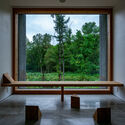
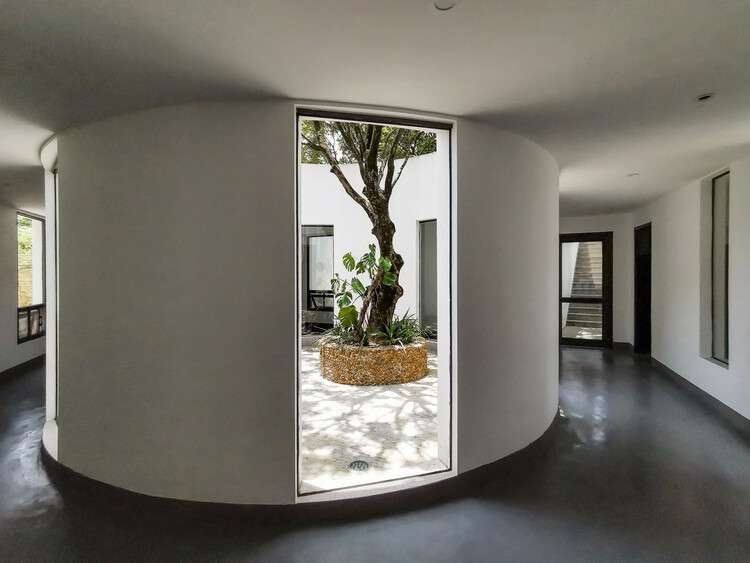
A visual hierarchy is therefore established, guiding the eye and determining what should be seen, in what way, and with what emotional intensity, defining how the user interprets the surroundings. In this context, design strategy goes beyond aesthetic choice and begins to operate as a construction of the phenomenological experience of space. By selecting a specific fragment of the horizon through a controlled opening, or by dissolving the limits between inside and outside with large glazed planes, architecture begins to act as a lens. It can emphasize the smallness of the human scale in relation to the vastness of the territory or, conversely, domesticate nature, incorporating it into everyday life.
Does design guide usage, or does usage guide design? Students struggle to maintain focus, employees flinch under harsh lighting, and occupants withdraw from rigid spaces, often in response to environmental conditions that only become visible once a space is occupied. Light falling across a room, the resonance of sound, the texture of surfaces, or the rhythm of circulation can support focus, calm, or inspire creativity, but each can also inadvertently heighten stress and distraction. Architects and designers are exploring and questioning: how are design decisions informed, and whose knowledge is considered essential in shaping space?
The American Institute of Architects (AIA) has elevated 78 architects to its College of Fellows, recognizing members whose work has demonstrated a sustained impact on the discipline and on society. Fellowship is described as one of the Institute's highest honors and is conferred upon architects who have advanced design excellence, strengthened professional practice, expanded architectural education, or contributed to public service. Selected by a nine-member Jury of Fellows chaired by Sanford Garner of RG Collaborative, this year's cohort reflects a wide range of geographic and professional backgrounds, with honorees representing firms, public agencies, and academic institutions across the United States.