

This guide explains how to structure multi-image prompts in the RunDifussion platform. Explore RunDifussion's product catalog.
News
How to Prompt and Annotate Multiple Images with AI
| Sponsored Content
https://www.archdaily.comhttps://www.archdaily.com/catalog/us/products/38860/how-to-prompt-and-annotate-multiple-images-with-ai-rundiffusion
Embracing Tradition, Envisioning the Future: Parla's Fruitful Design Journey
| Sponsored Content
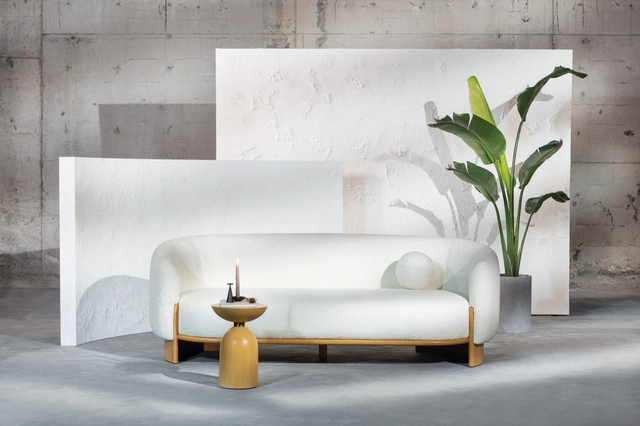
In today’s challenging climate for business, companies with a long and distinguished heritage have an advantage over younger enterprises as they can draw on decades of experience in overcoming market fluctuations. In the design industry, knowledge passed down over generations can be vital, as companies are required to adapt to shifts in consumer behavior or the latest revolutionary technologies. These established businesses are often able to thrive during difficult times by developing products that balance innovation with tradition and transcend trends to instead deliver lasting success.

https://www.archdaily.com/1001238/embracing-tradition-envisioning-the-future-parlas-fruitful-design-journeyAlyn Griffiths
How Culture Shapes Kitchens: Exploring Influences and Design Differences between Japan and the United States
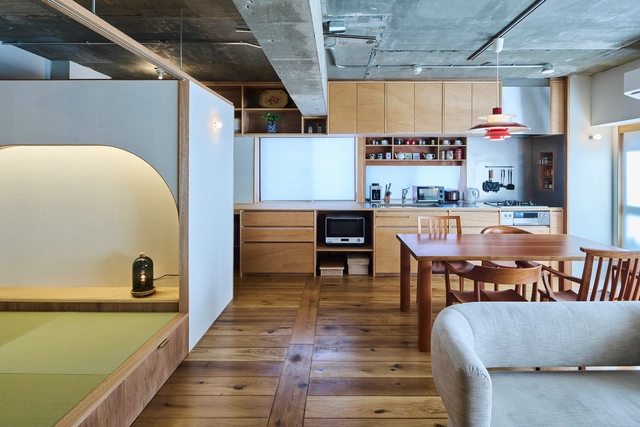
Kitchens encapsulate the essence of culture, acting as dynamic museums that preserve age-old recipes, processes, and traditions. Influenced by ethnic practices and culinary customs, kitchen architecture varies greatly across continents. In this context, kitchens transcend their domestic role and become insightful manifestations of cultural, societal, and regional factors. They not only serve as functional spaces for cooking and meal preparation but also stand as reflections of the rich tapestry of culture and lifestyles embraced by the individuals who inhabit them.


https://www.archdaily.com/1001335/how-culture-shapes-kitchens-contrasts-between-japanese-and-american-architectureAnkitha Gattupalli
Design Challenge: Balancing Site Impact With Sun and Shade
| Sponsored Content
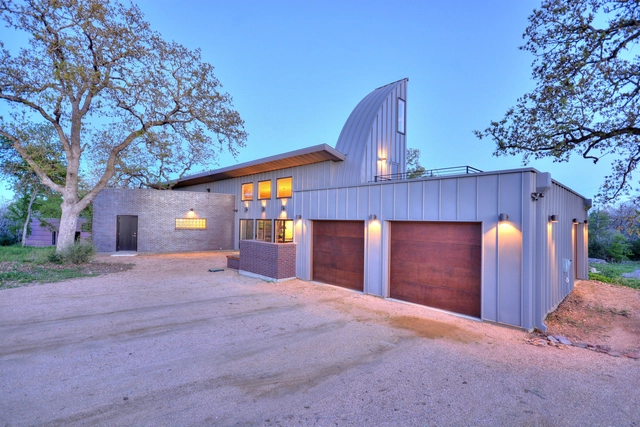
When François Lévy was asked to design a country home on a substantial piece of land, he immediately faced an issue: locating the building in a spot which required as little re-grading as possible while being able to reap the benefits of solar energy. The most desirable location —given site access and a range of mature oaks— would have left the building sitting slightly out of grade. And, if he had chosen the most obvious building orientation (long and narrow with broad elevations facing north and south), part of it would jut out of the ground and some crucial trees would be lost.
https://www.archdaily.com/1000407/design-challenge-balancing-site-impact-with-sun-and-shadeRene Submissions
Lina Ghotmeh and Asif Khan Selected to Design Two Major Museums in AlUla, Saudi Arabia
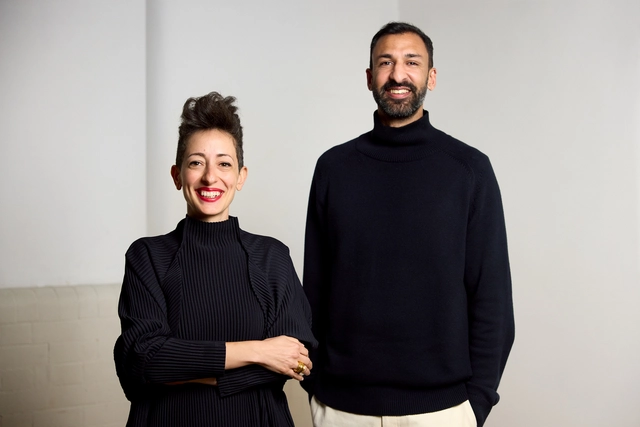
The Royal Commission for AlUla has appointed Lina Ghotmeh and Asif Khan as the lead architects for two upcoming museums to be added to the cultural oasis of AlUla, a destination in North-West Saudi Arabia displaying 7,000 years of continuous human history. Ghotmeh is set to design the contemporary art museum to house works by artists from the Red Sea, the Arabian Sea, and the Eastern Mediterranean in dialogue with their contemporaries from across the world. Asif Khan will design the Museum of the Incense Road, the first museum dedicated to the millennia-old network of major land and trading routes. The architects have been selected following an international competition.


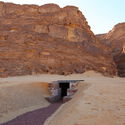


https://www.archdaily.com/1001455/lina-ghotmeh-and-asif-khan-selected-to-design-two-major-museums-in-alula-saudi-arabiaMaria-Cristina Florian
OMA's Inaugural Tower in Tokyo: Toranomon Hills Station Tower to Open in the Fall of 2023
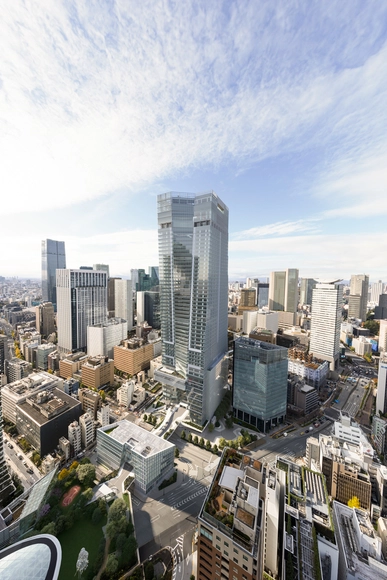
OMA’S inaugural tower in Tokyo and Japan, designed by Shohei Shigematsu and OMA New York, the Toranomon Hills Station Tower, will open this fall, 2023. The inauguration of the Toranomon Hills Station Tower will mark a significant milestone in Mori Building's Toranomon Hills development, an emerging global business center, and urban hub. A multi-layered transportation node integrated into the tower will establish a new gateway linking Central Tokyo with the rest of the world.


https://www.archdaily.com/1001036/omas-inaugural-tower-in-tokyo-toranomon-hills-station-towerNour Fakharany
Vernacular Elements Applied in Contemporary Housing
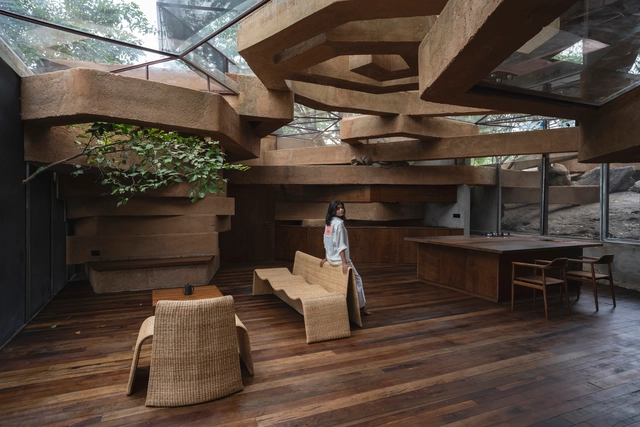
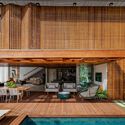
Vernacular architecture is a complex concept that has different meanings depending on where we are, and it is present in various architectural typologies. It is connected to its roots and place of origin, elements that define many of its characteristics based on specific aspects such as culture, climate, topography, vegetation, and the availability of materials and resources in each region. Its constructions are also often linked to traditional building techniques from each place. These techniques were developed by populations in a broader historical context based on available resources.



https://www.archdaily.com/1000292/vernacular-elements-applied-in-contemporary-housingAdele Belitardo
Design for Climate Adaptation at the UIA World Congress of Architects 2023
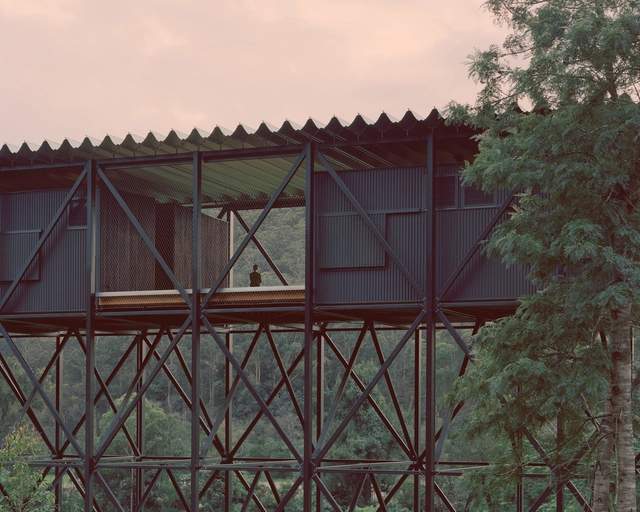
The UIA World Congress of Architects 2023 is an invitation for architects from around the world to meet in Copenhagen July 2 – 6 to explore and communicate how architecture influences all 17 UN Sustainable Development Goals (SDGs). For more than two years, the Science Track and its international Scientific Committee have been analyzing the various ways in which architecture responds to the SDGs. The work has resulted in the formulation of six science panels: design for Climate Adaptation, design for Rethinking Resources, design for Resilient Communities, design for Health, design for Inclusivity, and design for Partnerships for Change. An international call for papers was sent out in 2022 and 296 of more than 750 submissions from 77 countries have been invited to present at the UIA World Congress of Architects 2023 in Copenhagen. ArchDaily is collaborating with the UIA to share articles pertaining to the six themes to prepare for the opening of the Congress.
In this second feature, to learn more about the science panel on design for Climate Adaptation we met with Billie Faircloth, Partner and Research Director at KieranTimberlake, Adjunct Professor at the University of Pennsylvania, and Maibritt Pedersen Zari, Associate Professor at the School of Future Environments, Auckland University of Technology.


https://www.archdaily.com/1000659/design-for-climate-adaptation-at-the-uia-world-congress-of-architects-2023Pernille Maria Bärnheim
Vice President Harris Makes the Case for Nature-based Solutions
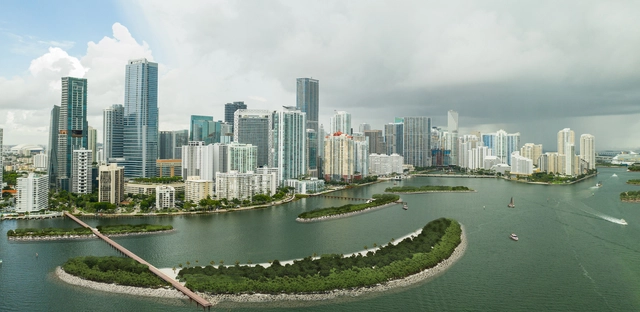
This Earth Day, U.S. Vice President Kamala Harris highlighted the many benefits of nature-based solutions and recognized the important role of landscape architects in this work. At the University of Miami, she also announced $562 million in funding for coastal resilience projects, supporting 149 projects in 30 states, through the Climate-Ready Coasts Initiative of the National Oceanic and Atmospheric Administration (NOAA). Vice President Harris’ remarks build on the Biden-Harris administration’s support for planning and designing with ecological systems in an equitable way.



https://www.archdaily.com/1001402/vice-president-harris-makes-the-case-for-nature-based-solutionsJared Green
Watch David Chipperfield, Francis Kéré, Anne Lacaton and Jean-Philippe Vassal Live at the 2023 Pritzker Prize Laureate Lecture & Panel Discussion
The Pritzker Architecture Prize presents The Role of Practice, the 2023 Laureate Lecture and Panel Discussion, today, Tuesday, May 23rd at 3:40 PM EEST, in partnership with the National Technical University of Athens, and with the participation of the Aristotle University of Thessaloniki, University of Patras and the Technical University of Crete.
The Pritzker Architecture Prize 2023 Laureate David Chipperfield will deliver the lecture, reflecting on architectural practice's role, responsibilities, and opportunities. Moreover, the 2023 winner will explore "how market forces have dominated architecture and become increasingly detached from its place, just as the challenges of the climate crisis, loss of biodiversity, and social inequality have heightened the urgency for a more proactive position". Alejandro Aravena, Jury Chair, and 2016 Laureate will introduce the lecture, which will be followed by a conversation between David Chipperfield, Francis Kéré, 2022 Laureate, and Anne Lacaton and Jean-Philippe Vassal, 2021 Laureates, as they each "reveal the successes and failures of their respective journeys which effected their architectural philosophies and works, and led them to the shared stage of the present".
https://www.archdaily.com/1001385/watch-david-chipperfield-francis-kere-anne-lacaton-and-jean-philippe-vassal-live-at-the-2023-pritzker-prize-laureate-lecture-and-panel-discussionChristele Harrouk
“Earth as Ancestral and Future Technology”: An Interview With Gabriela de Matos and Paulo Tavares, Curators of the Brazil Pavilion and Winners of the Golden Lion at the 2023 Venice Biennale
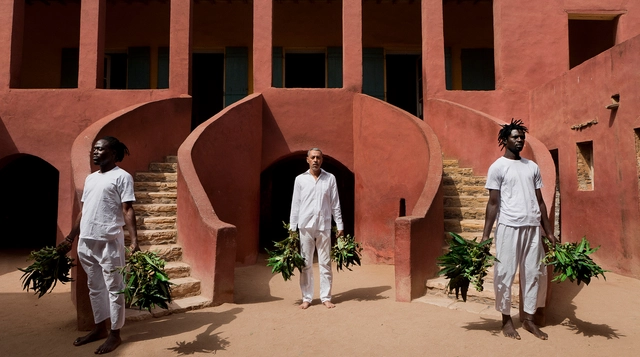
Questioning the canonical history of architecture and shedding light on long-invisible spatial practices, Gabriela de Matos and Paulo Tavares propose the exhibition “Terra” [Earth], at the Brazilian pavilion at the Venice Architecture Biennale 2023. "It's our way of shaking things up," say the curators, who turn their attention to ancestral ways of dealing with the land, aiming for more fair and complete possibilities for the present and future.
Addressing "earth" in all its meanings, the curators overlay issues related to soil and territory with the planetary problems. They propose an approach to reparations and decoloniality - emerging in Brazil - with broad topics such as decarbonization and the environment, decisive in the contemporary global debate. The Brazilian Pavilion titled Terra [Earth], won the Golden Lion for Best National Participation at the 2023 Venice Architecture Biennale, on Saturday 20th of May, selected by a jury comprising Italian architect and curator Ippolito Pestellini Laparelli as president, Nora Akawi, Thelma Golden, Tau Tavengwa, and Izabela Wieczorek.
https://www.archdaily.com/1001311/earth-as-ancestral-and-future-technology-an-interview-with-gabriela-de-matos-and-paulo-tavares-curators-of-the-brazil-pavilion-and-winners-of-the-golden-lion-at-the-2023-venice-biennaleRomullo Baratto e Victor Delaqua
3D Printing Lightweight, Insulated Walls Using Cement-Free Mineral Foam
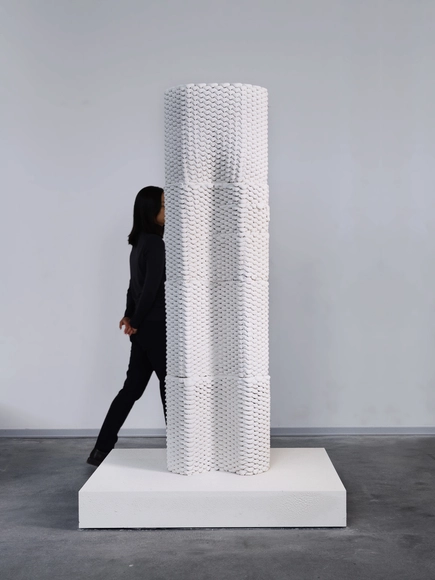
Harnessing the power of moldless manufacturing through large-scale robotic 3D printing, research at ETH Zürich in collaboration with FenX AG delves into the use of cement-free mineral foam made from recycled waste. The objective is to build wall systems that are monolithic, lightweight, and immediately insulated, minimizing material use, labor requirements, and associated costs.
https://www.archdaily.com/1000867/3d-printing-lightweight-insulated-walls-using-cement-free-mineral-foamJosé Tomás Franco
Norman Foster Foundation and Holcim Present New Concept for an “Essential Home”
| Sponsored Content
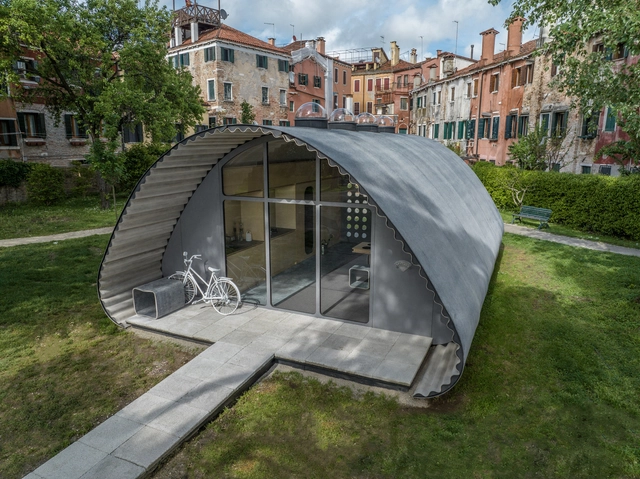
Currently at 103 million, the number of people forcibly displaced from their homes is continuously growing. Many seek shelter in settlements that are meant to be temporary, but where displaced people end up living years, even decades.
The Norman Foster Foundation and Holcim, global leader in sustainable building solutions, came together to form a response to this problem based on two firm beliefs: everyone has the right to a home, and everyone should have access to sustainable building.
https://www.archdaily.com/1000718/norman-foster-foundation-and-holcim-present-new-concept-for-an-essential-homeRene Submissions
The 2023 Venice Architecture Biennale as a Healing Experience: In Conversation with Curator Lesley Lokko
Onsite, in Venice at the 18th International Architecture Exhibition, ArchDaily had the chance to meet with the curator Lesley Lokko to discuss the first impressions and the main themes of this edition of the Biennale, following up on the previous interview recorded before the opening of the event. Featuring 63 National Pavilions, 89 Participants, and 9 collateral events in the city, the 2023 Venice Architecture Biennale represents one of the most important international events for the architectural profession. The conversation addressed Lesley Lokko’s approach to curating the theme and focus of the event, understanding Africa as “The Laboratory of the Future,” the desire to bring both authenticity and empathy to the architectural discourse, while creating a space for voices not typically heard in global exhibitions.


https://www.archdaily.com/1001394/the-venice-architecture-biennale-as-a-healing-experience-in-conversation-with-curator-lesley-lokkoMaria-Cristina Florian
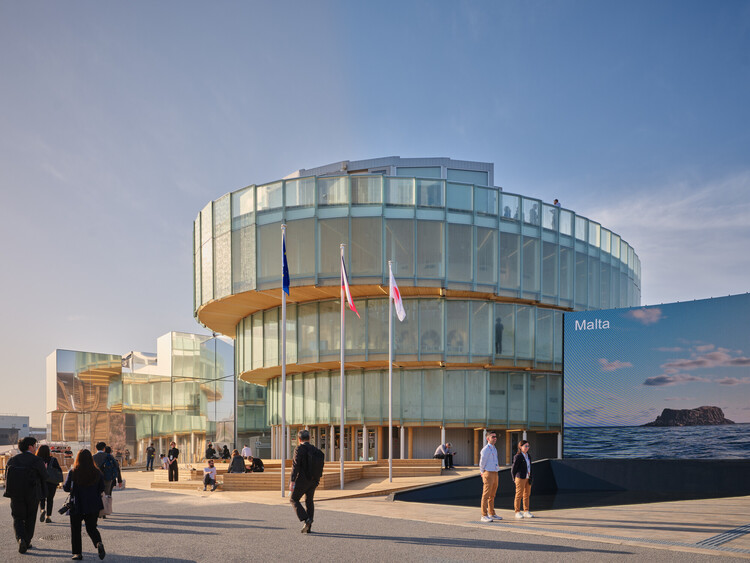
The Pavilion of the Czech Republic for the 2025 Osaka Expo Explores Movement and Spirituality
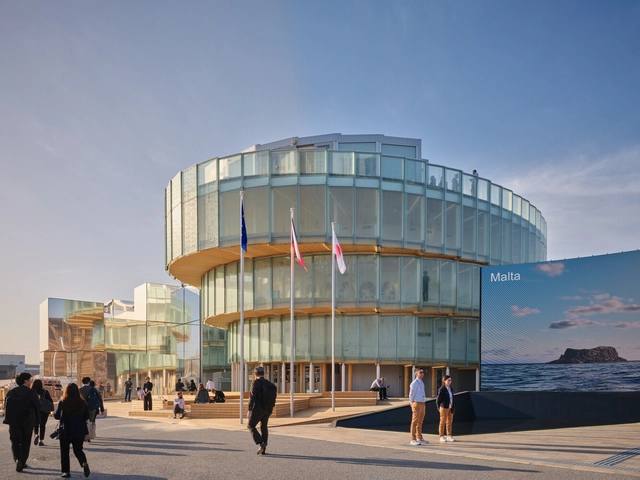
TheCzech Republic Pavilion at EXPO 2025 Osaka embodies the concept of life energy and continuous growth through its thoughtful architectural design. Created by Apropos Architects, the pavilion is centered around the motif of a spiral. Visitors experience a 260-meter-long pathway that wraps around the building, ascending gradually across four floors before culminating on the observation roof. This dynamic journey reflects the passage of time, individual development, and broader themes of personal and social progress.


https://www.archdaily.com/1001035/the-pavilion-of-the-czech-republic-for-the-2025-osaka-expo-explores-movement-and-spiritualityNour Fakharany
Learning From Manaus: Getting to Know the Work of Laurent Troost Architecture
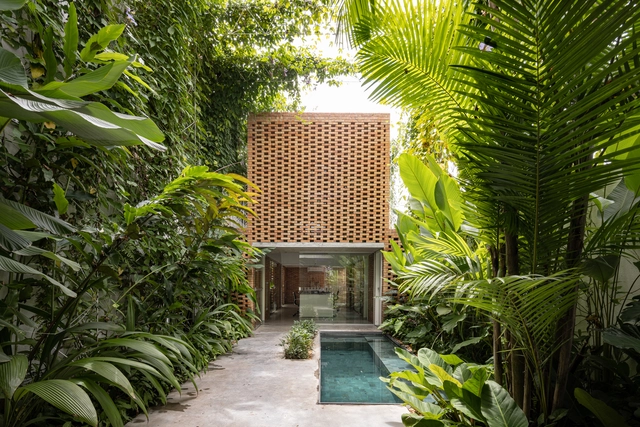
Architecture involves mobilizing several aspects of the environment where the building is located: the socio-cultural, political and economic context, aesthetics, legislation, and functionality. Functionality includes use efficiency, occupancy, and comfort. Laurent Troost's work has shown the articulation between these various factors, with particular attention to comfort, especially thermal comfort. His projects prioritize natural ventilation over artificial air conditioning, which has become almost mandatory in current city models.


https://www.archdaily.com/1000666/learning-from-manaus-getting-to-know-the-work-of-laurent-troost-architectureHelena Tourinho
The Story of the World's Largest Floating Plastic Island (and What to Do With It)

Environmental issues urgency and increasing temperatures on the planet are nothing new. There are many factors contributing to environmental degradation. However, two can be viewed as representative of critical points in the current world system: plastic and waste disposal, better known as garbage.
The environmental crisis cannot be attributed solely to these two examples. They are used here as examples to mobilize issues involving multiple agents, materials, and diverse methods. These issues lead to devastating consequences, increasingly irreversible.
https://www.archdaily.com/1001032/the-story-of-the-worlds-largest-floating-plastic-island-and-what-to-do-with-itHelena Tourinho
How to Organize a Commercial Space? Distribution and Circulation Strategies in the Design of Stores and Premises
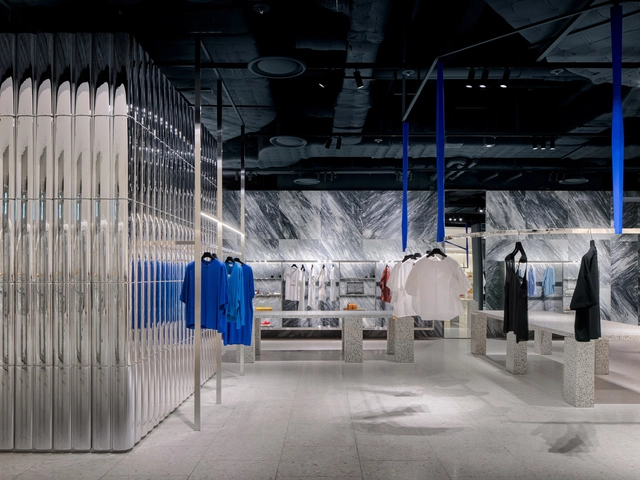
Within the realm of commercial architecture, the design of spatiality can adopt multiple approaches, conceiving proposals that achieve a balance between aesthetics and functionality. Taking into consideration that various cultural variables, social tensions, and economic interests are involved, the construction of these spaces directly involves the interaction between users, brands, and their products, participating in the experience on-site from colors and materials to lighting, climate control, sounds, aromas, and more.
https://www.archdaily.com/1000661/how-to-organize-a-commercial-space-distribution-and-circulation-strategies-in-the-design-of-stores-and-premisesAgustina Iñiguez
Norman Foster Designs Display Cases for Retrospective at the Centre Pompidou
| Sponsored Content
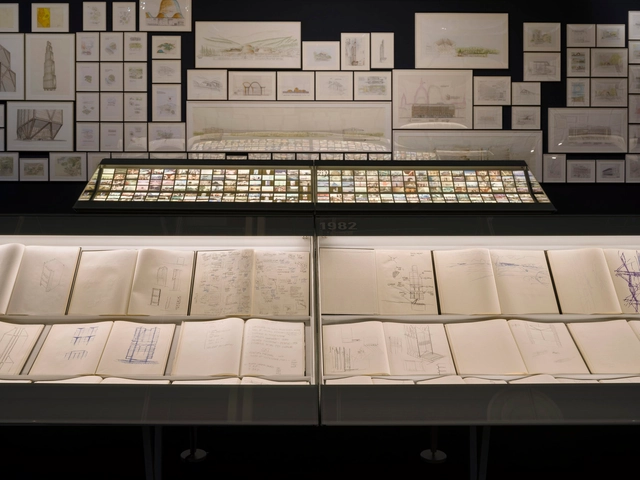
The largest exhibition of Norman Foster’s work to date, hosted by the Centre Pompidou, explores six decades of the architect’s illustrious career through a host of revealing sketchbooks, drawings, images, original models, and videos. The exhibition was designed by Norman Foster and executed with Foster + Partners and the Norman Foster Foundation. A custom-made series of modular display cases was designed by Norman Foster and a team from the Norman Foster Foundation and engineered by Goppion, world leader in the manufacture and installation of museum display cases, to display the architect’s sketchbooks and transparencies.
https://www.archdaily.com/1000932/norman-foster-designs-display-cases-for-retrospective-at-the-centre-pompidouRene Submissions
David Adjaye Unveils the Design for India’s Largest Art and Culture Center during the 2023 Venice Architecture Biennale
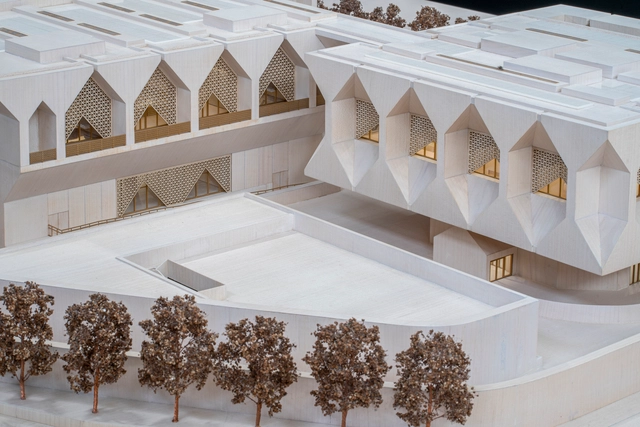
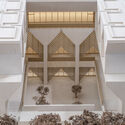
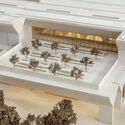
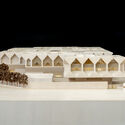
The Kiran Nadar Museum of Art (KNMA) has revealed an architectural model of its new building during the 18th International Architecture Exhibition - La Biennale di Venezia, as part of the Curator’s Special Projects, titled Mnemonic, presented at the Arsenale - Artiglierie in Venice. The building, designed by Ghanian-British architect Sir David Adjaye in collaboration with S. Ghosh & Associates as the local architect of record, is set to become India’s largest cultural center. The project is scheduled to open in Delhi in 2026.


https://www.archdaily.com/1001326/david-adjaye-unveils-the-design-for-indias-largest-art-and-culture-center-during-the-2023-venice-architecture-biennaleMaria-Cristina Florian
What Is Mass Timber?
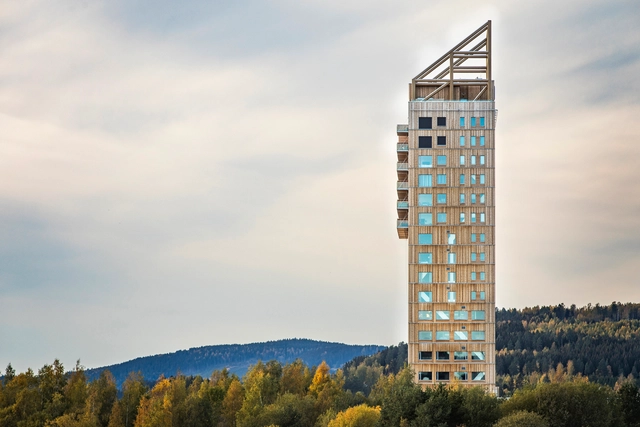
Wood is the concrete of the future. As timber construction becomes increasingly popular, you have probably heard this phrase. However, we are not talking about traditional construction techniques using timber, but rather about this well-known material combined with cutting-edge technology.


https://www.archdaily.com/1000668/what-is-mass-timberCamilla Ghisleni
A Luxury Safari Resort in Africa and an Eco-Lodge in Rural Greece: 8 Unbuilt Resorts Submitted by the ArchDaily Community
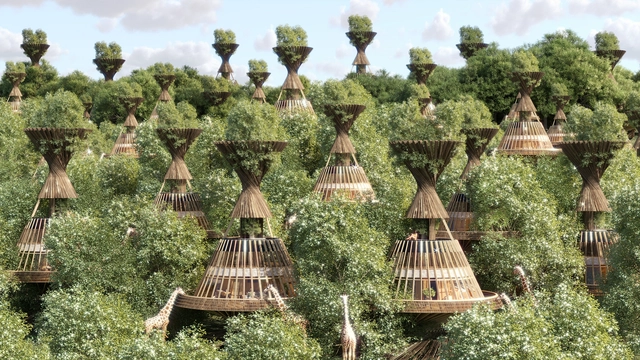
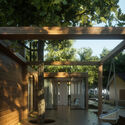
The history of architects designing resorts is intertwined with the development of the hospitality industry and the concept of leisure travel. The origins can be traced back to ancient times when the Romans built luxurious villas and bathhouses as retreats for the wealthy. However, the modern notion of resorts emerged during the 19th century with industrialization and the growing middle class seeking recreational experiences.
At a very high standard of luxury, resort hotels provide an immersive and rejuvenating vacation experience. These resorts are frequently rooted in beautiful landscapes in remote locations, often containing full-service accommodations, offering escapism and complete disconnection. Architects have continued to shape the resort landscape in recent decades with their designs. Sustainability and integration with natural surroundings have gained importance as architects strive to create environmentally conscious and immersive resort experiences.




https://www.archdaily.com/1001313/a-luxury-safari-resort-in-africa-and-an-eco-lodge-in-rural-greece-8-unbuilt-resorts-submitted-by-the-archdaily-communityNour Fakharany
Why the Global South Needs Different Sustainability Benchmarks
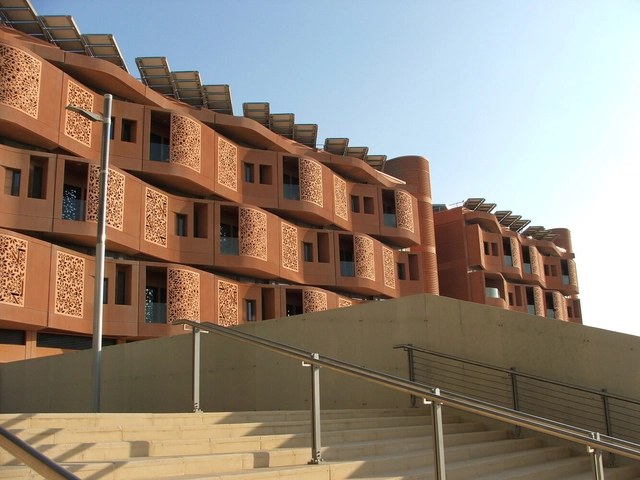
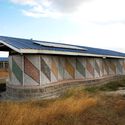
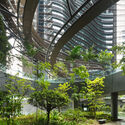
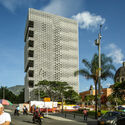
As world governments grapple with environmental crises, the construction industry rushes to reevaluate sustainable design and develop new ways of measuring its efficiency. Consequently, green building certification systems (GBCS) started gaining traction in the 20th century to evaluate and promote sustainable construction practices. The Global South faces distinctive challenges in building sustainable cities. Its developing nations demand an exclusive approach to designing an appropriate, economical, and inspiring architecture for their promising futures.


https://www.archdaily.com/997062/why-the-global-south-needs-different-sustainability-benchmarksAnkitha Gattupalli
The Second Studio Podcast: The Livability of Designer Homes
The Second Studio (formerly The Midnight Charette) is an explicit podcast about design, architecture, and the everyday. Hosted by Architects David Lee and Marina Bourderonnet, it features different creative professionals in unscripted conversations that allow for thoughtful takes and personal discussions.
A variety of subjects are covered with honesty and humor: some episodes are interviews, while others are tips for fellow designers, reviews of buildings and other projects, or casual explorations of everyday life and design. The Second Studio is also available on iTunes, Spotify, and YouTube.
This week David and Marina, Partners at FAME Architecture & Design discuss the livability of designer homes. The two cover designing for function and aesthetics, material resilience, lifestyle changes, space efficiency, designing based on reference images, and the benefits of adapting to design-forward living environments.

https://www.archdaily.com/1001273/the-second-studio-podcast-the-livability-of-designer-homesThe Second Studio Podcast
Overcoming Barriers: Social Justice in Latin American Architecture
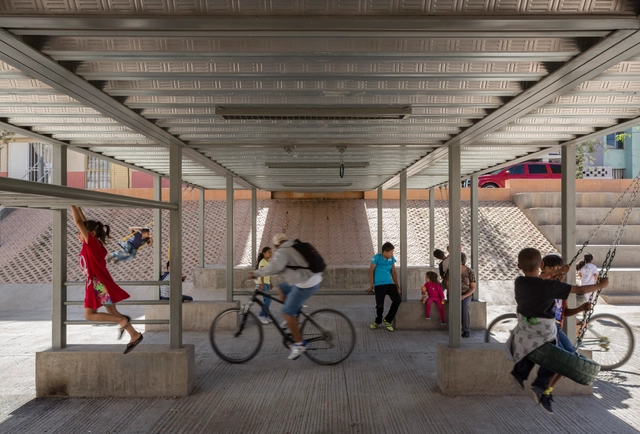
February 20th marks a new edition of the World Day of Social Justice. The theme, "Overcoming barriers and unlocking opportunities", is a perfect occasion to reflect on the importance of equity in all areas of society - and especially from architecture and urbanism. And yes: they both have a fundamental role in building accessible cities and are important tools for addressing the challenges of economic inequality and social exclusion.
https://www.archdaily.com/997064/overcoming-barriers-social-justice-in-latin-american-architectureFabian Dejtiar