

This guide explains how to structure multi-image prompts in the RunDifussion platform. Explore RunDifussion's product catalog.
News
How to Prompt and Annotate Multiple Images with AI
| Sponsored Content
https://www.archdaily.comhttps://www.archdaily.com/catalog/us/products/38860/how-to-prompt-and-annotate-multiple-images-with-ai-rundiffusion
Materials That Define the Contemporary Mexican Architectural Aesthetic
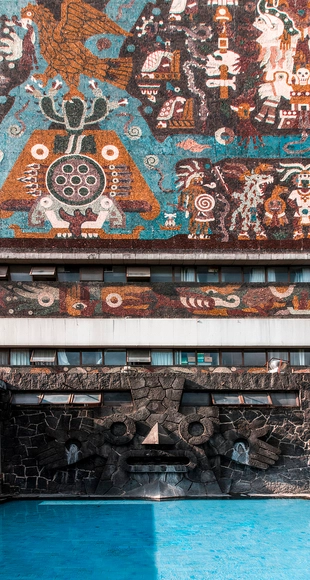
From the pre-Columbian period of the Americas –during which cultures such as the Olmec, Maya, Purepecha, and Mexica (Aztec) thrived– to the modern era where architecture has been influenced by social movements and even natural disasters, Mexican architecture showcases a valuable architectural expression, with its own unique voice and distinctive characteristics. Nobel Literature Laureate Octavio Paz argued that architecture is an incorruptible witness to history. Likewise, the materials used to shape it have acted as protagonists of that history, enduring in many cases over time and evolving thanks to the generations of architects who have contributed to it, from different perspectives.
To trace a timeline, it is possible to take as a starting point pre-Hispanic architecture, which exhibited a diversity of nuances due to Mexico's vast territorial extension. This allowed diverse cultures to find their niche and develop their characteristic architectural styles. Subsequently, the era of Spanish colonization, which itself drew influence from Islamic architecture, represented a noteworthy turning point in architectural development. This phase endured until the advent of Mexican Independence in the 19th century. In turn, this marked the initiation of social and cultural movements, both during and after the Mexican Revolution in the early 20th century.
https://www.archdaily.com/1005554/materials-that-define-the-contemporary-mexican-architectural-aestheticEnrique Tovar
U-RE-HERIT Aims to Redefine Contemporary Cultural Preservation and Restoration in the Context of Ukraine
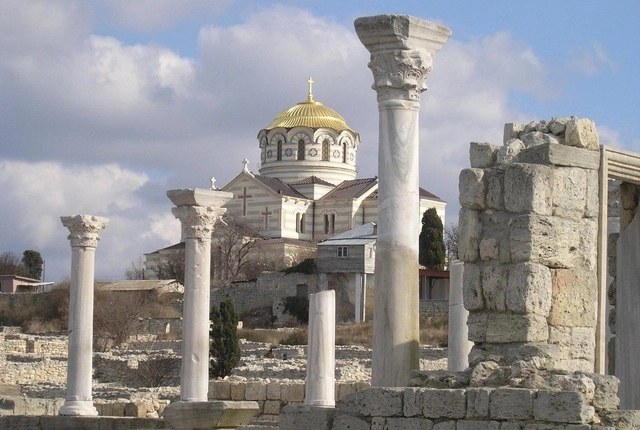
An International European cultural project, U-RE-HERIT, launched an initiative to protect Ukraine’s architecture, heritage, and memory. This wide consortium of architectural institutions came together to reach a common goal of preserving Ukrainian culture. With the ongoing crisis, the project aims to address heritage as a resource for cultural, social, environmental, and economic recovery. Moreover, the project hopes to redefine local cultural identity and rebuild the city with the sensitivity of collective memory.





https://www.archdaily.com/1005691/ureherit-redefines-contemporary-cultural-preservation-and-restoration-in-the-context-of-ukraineNour Fakharany
Fortyseven Thermal Wellness Spa: A Contemporary Sanctuary Designed by Mario Botta and Captured by Paul Clemence
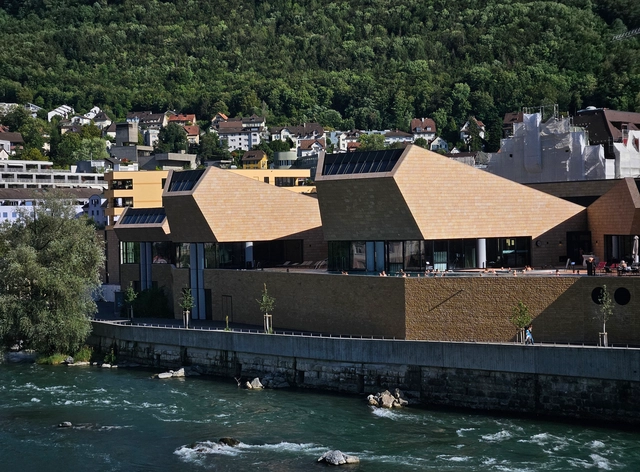
Fortyseven is a novel thermal wellness spa designed by the architect Mario Botta, nestled alongside the Limmat River in Baden, Switzerland. Baden, renowned for its rich cultural and wellness offerings, boasts a spa heritage that extends over thousands of years. The Fortyseven Thermal Wellness Spa has revitalized this historical legacy by presenting wellness culture through a modern lens. Designed by Mario Botta, this project offers an immersive encounter for the body, mind, and soul. The essence of the site and its design is captured by the lens of architectural photographer Paul Clemence, in his latest series.
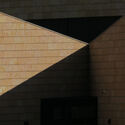
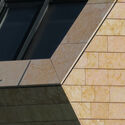
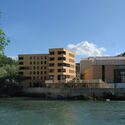

https://www.archdaily.com/1005762/fortyseven-thermal-wellness-spa-a-contemporary-sanctuary-designed-by-mario-botta-and-captured-by-paul-clemenceNour Fakharany
Breaking the Standards: 10 Architects Who Are Daring in their Color Palettes
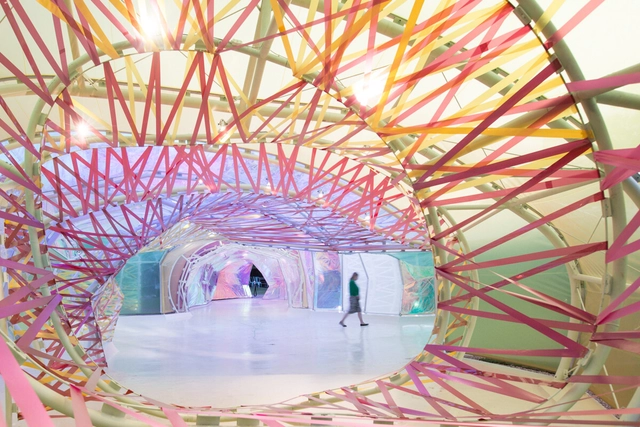
Colors are much more than just aesthetics. They can tamper with the sensations a space conveys, how we perceive the environment, and even comfort issues. With so many factors that they can influence, using them is not an easy task, and that is why many architects choose to stick with the classic white, grayscale, or even exposed materials to avoid any possible visual conflict. However, some architectural practices dare to use bold color palettes and create unique works that stand out precisely because of how colors help compose the project.


https://www.archdaily.com/1005481/breaking-the-standards-10-architects-who-are-daring-in-their-color-palettesArchDaily Team
How to Understand the World of Acoustic Baffles
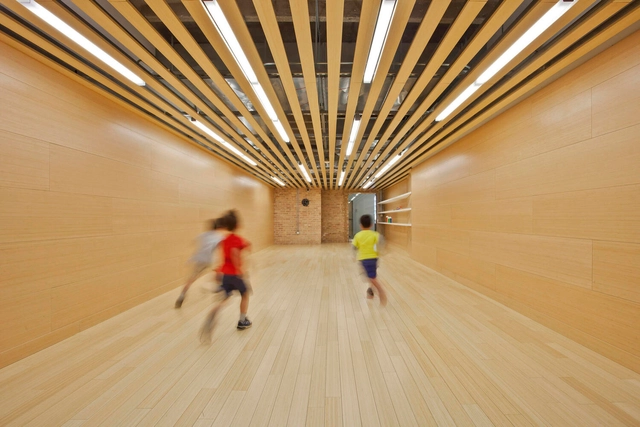
If you find yourself baffled by the confusing world of baffle paneling, don’t be concerned. That’s what they’re there for. The purpose of baffles of any kind – and where they take their name – is to confuse matter. In other industries, baffles are used to direct water flow, to control airflow and heat exchange, and to stop traffic from traveling too quickly.
When used in the scientific world of acoustics, baffles are positioned to disrupt sound waves by projecting out into our busiest environments, to catch, absorb and soften the sound, either in naturally noisy or specifically quiet areas or to selectively filter sounds from making a return journey. That doesn’t mean, however, that the slatted sight of regimental baffles can’t give an aesthetic advantage to interiors, providing often much-needed visual activity to an otherwise bare ceiling.

https://www.archdaily.com/1005391/how-to-understand-the-world-of-acoustic-bafflesJames Wormald
Locality, Legality, and Limiting Landscapes: The Story Behind Switzerland’s Villa Vals
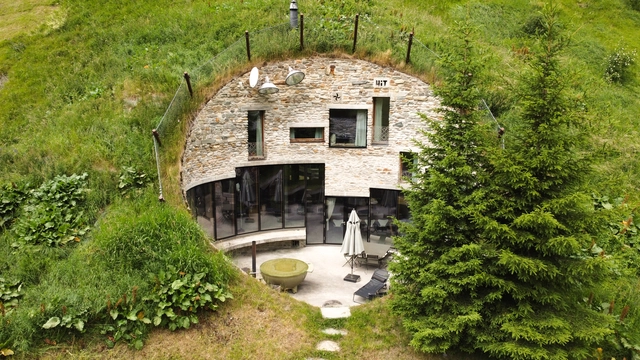
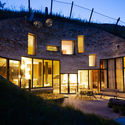
The rustic village of Vals in the Swiss Alps is one of the country’s most picturesque areas, located at an altitude of 1250 meters above sea level with numerous exceptional projects. The main square is surrounded by original Vals houses roofed with stone tiles made of Vals quartzite. Throughout the years, the village maintained its authentic residential and rural typology, making sure that its agriculture and rural fabric remained intact. Perhaps the most powerful natural resource of the Vals Valley, one that has nurtured its landscape and wilderness, is the water. For millions of years, ice and rain have forged the deeply-cut topography, and provided the village with a 30-degree thermal source, the only one in the Grisons Canton which springs straight from the ground.
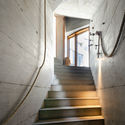
One of the most notable architectures in Vals is The Thermal Spa designed by 2009 Pritzker Laureate Peter Zumthor. The secluded structure is built with local quartzite, a stone that blends the elements of water and stone to create “the perfect wellness experience”. Another iconic architecture tucked within the mountains of Vals takes advantage of the local material, structural typology, and topography, a project that leaves the original landscape intact and subtly intervenes to create a one-of-a-kind award-winning vacation home; The Villa Vals.

https://www.archdaily.com/967393/locality-legality-and-limiting-landscapes-the-story-behind-switzerlands-villa-valsDima Stouhi
Top-Down and Bottom-Up Urban Planning: A Synergetic Approach
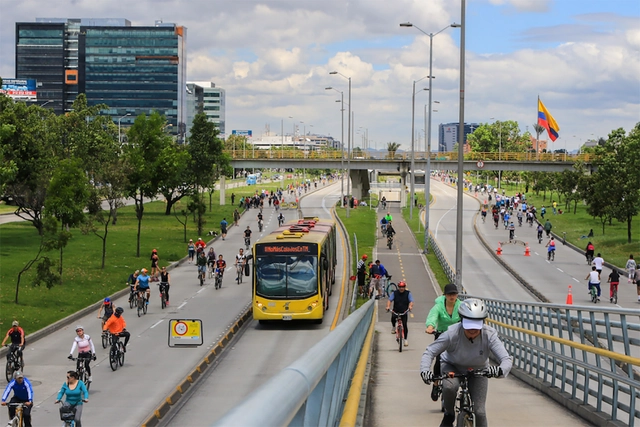
From the grid plans of ancient Greek cities to the Renaissance's idealized urban layouts, the history of urban planning is a reflection of evolving power structures and societal priorities. Across the world, many African and Asian cities simultaneously existed without clear visual manifestation. the organizational structure being deeply embedded in cultural needs and social relations. Urban development is marked by a dichotomy - the contrast between top-down planning strategies led by influential entities and governing bodies, and the bottom-up initiatives driven by local communities. This interplay shapes cities, influencing aspects from infrastructure and public spaces to housing models and urban character. Delving into the differences between these strategies is essential to crafting a harmonious urban landscape that caters to the needs of its residents.


https://www.archdaily.com/1005567/top-down-and-bottom-up-urban-planning-a-synergetic-approachAnkitha Gattupalli
A Tool for Easy Architectural Sketching With the Power of BIM
| Sponsored Content

Sketching has always been an essential part of the architect’s creative process. Case in point, architect I.M. Pei drafted his preliminary design for the East Wing of the National Gallery of Art on a cocktail napkin.
Modern architectural sketches combine design intent with data and constraints. The sketch grows in resolution as layers of information are added by different stakeholders. Architects today use both tactile and digital tools for sketching. The conundrum has been to choose either the flexibility offered by freeform modelers or the data-richness offered by BIM tools.
https://www.archdaily.com/1005500/a-tool-for-easy-architectural-sketching-with-the-power-of-bimRene Submissions
Cities Embrace Climate Action Planning to Mitigate the Adverse Effects of Climate Change
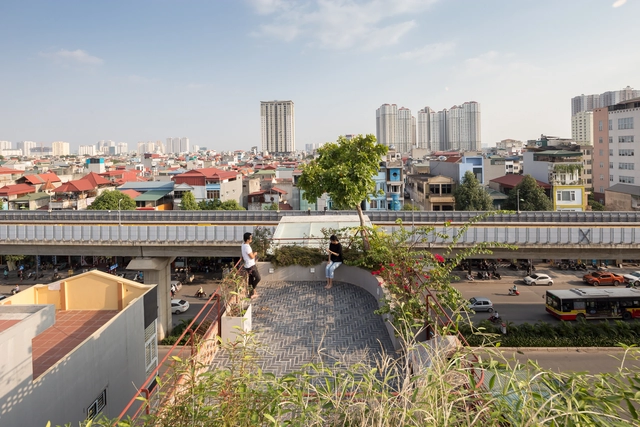
Cities across the globe are developing comprehensive action plans in order to create a coordinated response to the challenges of climate change. Targets and goals for consumption-based emissions are important for guiding strategic planning and decision-making, improving accountability, and communicating the direction of travel to businesses and the public. National and regional government officials are working with the private sector, international organizations, and civil society to create change at every level, from structural interventions in supply chains and industries to individual choices. This demonstrates a rising understanding of the role of cities in mitigating the adverse effects of rising temperatures.


https://www.archdaily.com/984801/cities-embrace-climate-action-planning-to-mitigate-the-adverse-effects-of-climate-changeMaria-Cristina Florian
Lina's Red: Explore the Use of the Color as Prominent Element in Lina Bo Bardi's Works
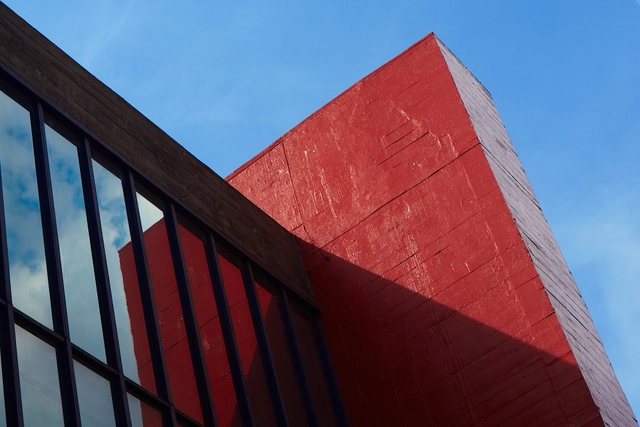
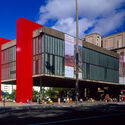
Among the many marks left by architect Lina Bo Bardi in Brazilian architecture is the use of red as a highlight in her works. Whether bringing lightness and vividness to the hardness of São Paulo's concrete at Sesc Pompeia or warming the whiteness of Solar do Unhão in Bahia, red transcended mere visual and aesthetic status to become a distinctive characteristic of the Italo-Brazilian architect, weaving connections between many of her works.



https://www.archdaily.com/1005415/linas-red-explore-the-use-of-the-color-as-prominent-element-in-lina-bo-bardis-worksAdele Belitardo
Carbonized Wood: A Traditional Japanese Technique That Has Conquered the World
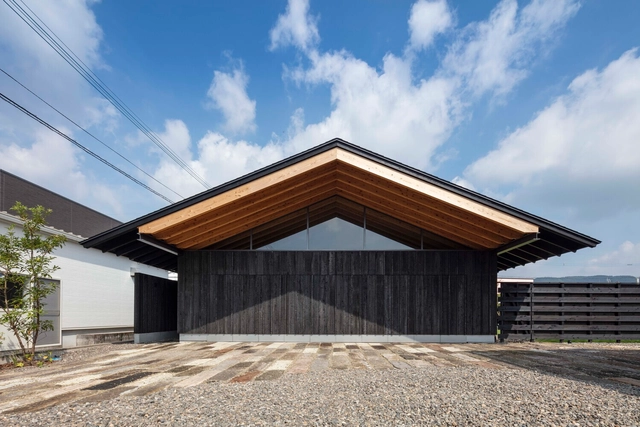
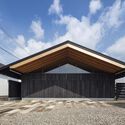
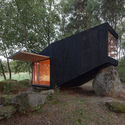
Ancestral, vernacular, minimalist and harmonious. For many, these words have come to define the architecture of Japan, a country that has long served as a source of cultural and technological inspiration for countless societies worldwide. Popular Japanese techniques have reached even the most remote corners of the globe, gaining traction across various fields that range from technical craftsmanship to digital innovation. Within the realm of architecture, the appropriation and reinvention of various materials and construction systems –such as the use of carbonized wood in facades– has been an enduring theme.



https://www.archdaily.com/880330/carbonized-wood-a-traditional-japanese-technique-that-has-conquered-the-worldValeria Montjoy
20 Brick Houses, 20 Years of Modern Architecture in Paraguay
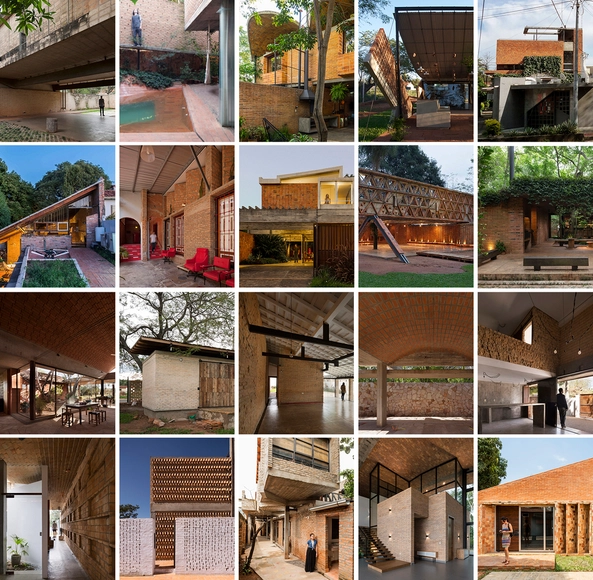
In Paraguay, brick can be many things. Walls, dividers, facades, sieves, vaults, floors, and pavement are just some of the many example that demonstrate, not only the variety of uses for brick, but the ingenuity of the architects who choose to utilize it in their projects.
https://www.archdaily.com/965290/20-brick-houses-20-years-of-modern-architecture-in-paraguayFabian Dejtiar
The Supporters Newsletter - Issue #1

Hi there! Welcome to the first Supporters Newsletter, created exclusively for you. To kick off this first edition, we are dedicating this issue to the concept of START. We will delve into insights on how to get started with Artificial Intelligence, and how it influences the shift in architectural creativity. In addition, we are offering our Supporters a free course on Evolutionary Computational Design, information on a job opportunity at OMA, and a new room visualization tool.
https://www.archdaily.com/1005666/the-supporters-newsletter-issue-number-1ArchDaily Team
From Art Nouveau to the Bauhaus: How Home Interiors Looked in Popular Art Movements
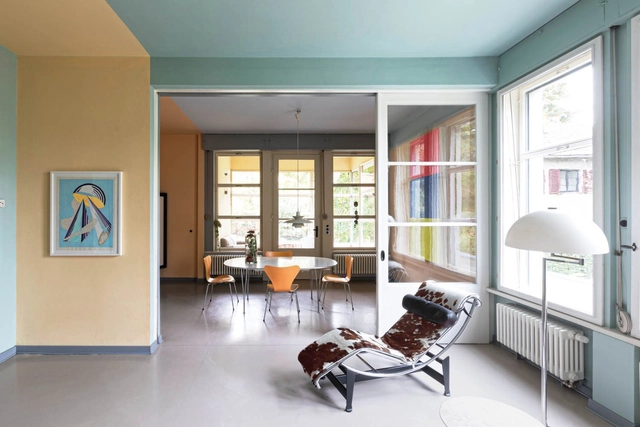
Art has always been a means for people to connect with space, and art movements have served as a platform for exploring new relationships with architecture. By incorporating art into buildings and interior spaces, they have been transformed, resulting in a fusion that creates beautiful, inspiring, and spiritually uplifting environments. Throughout history, various art movements, such as the Renaissance in the 17th century, Baroque in the 18th century, and Art Nouveau, Art Déco, and Bauhaus in the early 20th century, have had a significant impact on architecture. Architects drew inspiration from the ideals, concepts, stylistic approaches, and techniques of these movements, using them to create large-scale habitable structures. As the home is a fundamental expression of an architectural movement and the simplest canvas to exhibit the artistic ethos of any particular era, studying the interior spaces of houses provides a detailed picture of art's influence on spatial organization, furniture design, product patterns, and user interaction.


https://www.archdaily.com/1005570/from-art-nouveau-to-the-bauhaus-how-home-interiors-looked-in-popular-art-movementsPaul Yakubu
Now Accepting Applications: SCI-Arc Bachelor of Science in Design
| Sponsored Content

The Bachelor of Science in Design* (BS Design) program at SCI-Arc is a 4-year degree preparing students for interdisciplinary creative careers in cinematic design, gaming, and data-based urban planning and design, using architecture as a platform for exploration.
https://www.archdaily.com/1004933/now-accepting-applications-sci-arc-bachelor-of-science-in-designRene Submissions
Milan’s San Siro Stadium Spared from Demolition Owning to its Historical Significance
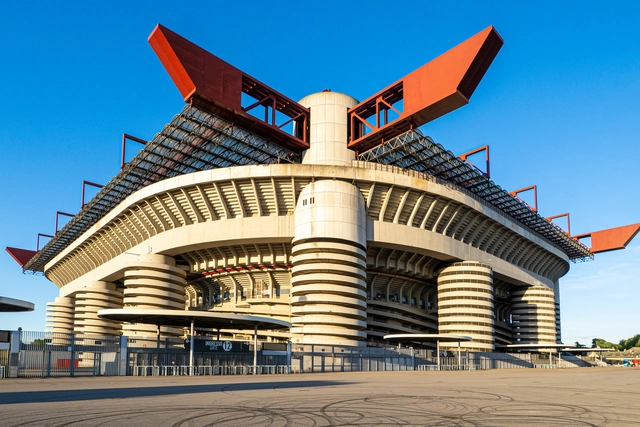
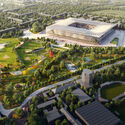
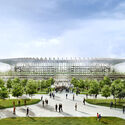
Milan’s iconic Giuseppe Meazza Stadium, also known as San Siro, has been saved from demolition after a decision of the Regional Commission for the Cultural Heritage of Lombardy has determined that the stadium holds cultural significance. The stadium, home ground to f AC Milan and Inter Milan football teams, was set to be replaced by a new stadium, named “The Cathedral”, designed by American architecture studio Populous. The office continues to work with Inter Milan football club to develop a new stadium proposal in the Rozzano neighborhood, according to reporting in the La Gazzetta dello Sport.



https://www.archdaily.com/1005621/milans-san-siro-stadium-spared-from-demolition-owning-to-its-historical-significanceMaria-Cristina Florian
On the Hottest Month on Record and How Cities Are Mitigating the Effects of Rising Temperatures
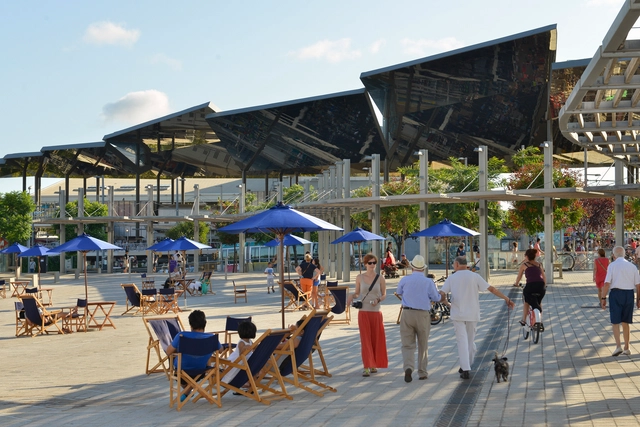
The NASA Goddard Institute for Space Studies (GISS) in New York has just announced that the month of July 2023 was hotter than any other month ever recorded in terms of global temperature. Spiking to 1.12 degrees Celsius above the 20th-century July average, this month was warmer than any month since 1850 when the NOAA database began. The climate crisis at large has made heat waves more prevalent, putting millions of people in danger. These growing effects of the climate crisis also severely affect cities worldwide, posing a threat to urban inhabitants globally.


https://www.archdaily.com/1005616/on-the-hottest-month-on-record-and-how-cities-are-mitigating-the-effects-of-rising-temperaturesNour Fakharany
If Money Does Not Grow on Trees, Trees Tend to Grow Closer to Money
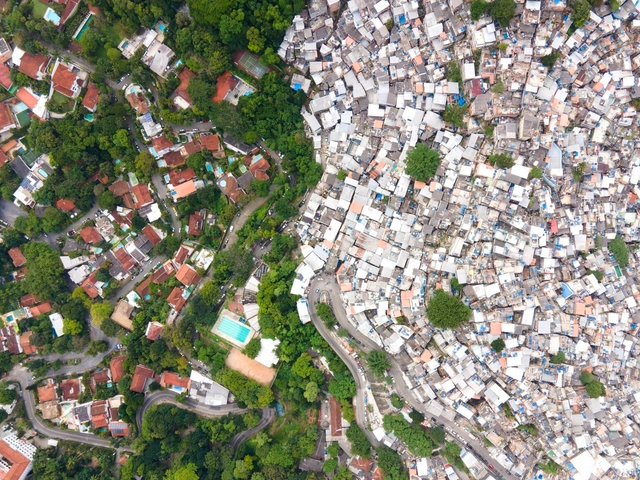
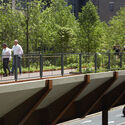
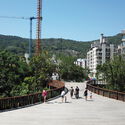
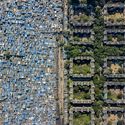
Cities frequently have an unequal presence and distribution of green spaces, and their residents do not use and enjoy them in the same way. Aerial views of various urban areas show that the color green appears to be more prominent and concentrated in economically valuable locations, illustrative of the complicated and multifaceted relationship between vegetation and wealth concentration in urban environments. This relationship, which has been the focus of discussion and contemplation on a global scale, is crucial to understanding how socioeconomic differences materialize geographically and impact urban residents' quality of life.


https://www.archdaily.com/1005329/if-money-does-not-grow-on-trees-trees-tend-to-grow-closer-to-moneyAdele Belitardo
Architecture Always Reflects the Values of Its Current Culture
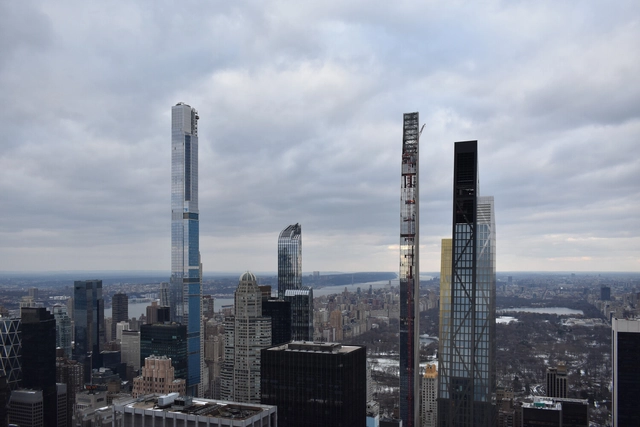
This article was originally published on Common Edge.
What we build can be metaphoric—often intentionally, sometimes subliminally. But architecture is seldom the intentional commentary of architects, crafting symbolism; more often it is a direct reflection of its time and the culture that made it.

https://www.archdaily.com/1005617/architecture-always-reflects-the-values-of-its-current-cultureDuo Dickinson
Architecture Matters: Reduce, Reuse, Recycle, Circular Construction, and BuildTech Startups in Munich
From the top floor of the Hilton Hotel at Tucherpark in Munich, you could see the skyline of the city dotted with construction cranes, a reflection of its current state of development. With this backdrop of old meets new, this year’s edition of the Architecture Matters conference started its program under the title “Second City: The New in the Old.” While the title could have been fitting for a preservation conference, Architecture Matters actually brought together a diverse group of architects, urbanists, engineers, city planners, government officials, developers and technologists to discuss forward looking ideas for the built environment. Reduce, reuse, recycle, and the circular construction dominated the discussion across different scales, from city planning to new materials, and tech startups.
https://www.archdaily.com/1005565/architecture-matters-reduce-reuse-recycle-circular-construction-and-buildtech-startups-in-munichDavid Basulto
A New Tool and Collaborative Workflow for the Future of Architecture
| Sponsored Content
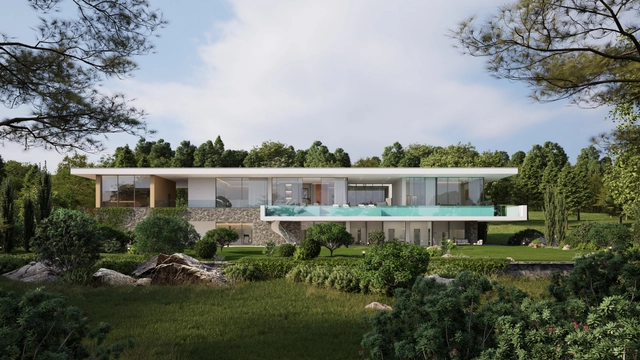
As we stand at the dawn of a new technological era, architects and designers are witnessing a paradigm shift in the industry. The advent of Artificial Intelligence (AI) and collaborative design solutions are transforming the professional landscape, redefining the boundaries between creativity and technology. This article delves into these emerging trends and introduces cutting-edge tools designed to address the challenges inherent in this sweeping wave of innovation, relieving architects from the anxiety of navigating the unknown.
https://www.archdaily.com/1005225/a-new-tool-and-collaborative-workflow-for-the-future-of-architectureRene Submissions
SPACE10’s New Report Reveals the Essential Elements for Creating Healthy Homes
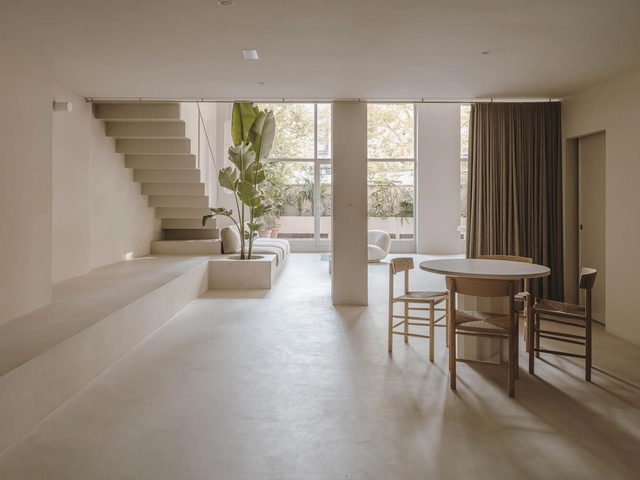
IKEA’s research and design lab SPACE10 has published The Healthy Home report, the second release in its Future Home report series. The report explores three main themes concerning domestic environments: how our homes protect us from harm, restore our bodies and minds, and enable us to grow through life’s stages. The research aims to evaluate the ways in which homes can positively contribute to and support the rhythms and flows of life. It was developed in collaboration with Morph to develop the visuals supporting the findings.


https://www.archdaily.com/1005566/space10-s-new-report-reveals-the-essential-elements-for-creating-healthy-homesMaria-Cristina Florian
nArchitects Receives National Design Award in Architecture 2023
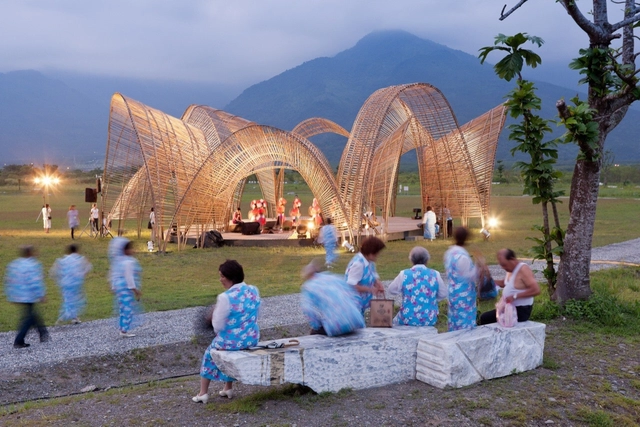
nArchitects has just received the 2023 National Design Award in Architecture from the Cooper Hewitt, Smithsonian Design Museum. The award brings national recognition to the different forms of design that improve and enhance everyday life. In fact, the Architecture award selects a studio or individual for their holistic understanding of spatial experiences, and this year the committee picked nArchitects famous for their New York Micro-Apartment experiment, the cultural center A/D/O in Brooklyn, and many more interactive works.



https://www.archdaily.com/1005479/narchitects-recieves-national-design-award-in-architecture-2023Nour Fakharany
How to Design Sports Arenas
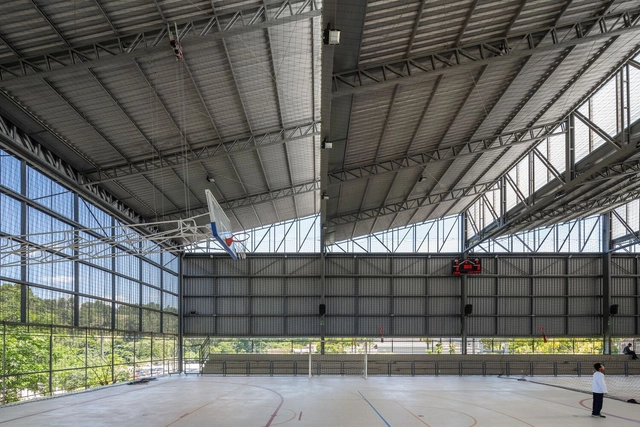
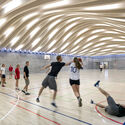
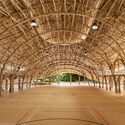
Sports arenas hold significant relevance in society as they serve as vital meeting places for sports and cultural activities. They play a role in enhancing overall well-being, encouraging an active lifestyle, and fostering social inclusion. Within these projects, architects assume the responsibility of designing spaces that seamlessly accommodate athletes and the community. Moreover, architects must actively engage with the surroundings to create a harmonious dialogue and establish a distinct identity for the arena.



https://www.archdaily.com/1004770/how-to-design-sports-arenasArchDaily Team