

This guide explains how to structure multi-image prompts in the RunDifussion platform. Explore RunDifussion's product catalog.
News
How to Prompt and Annotate Multiple Images with AI
| Sponsored Content
https://www.archdaily.comhttps://www.archdaily.com/catalog/us/products/38860/how-to-prompt-and-annotate-multiple-images-with-ai-rundiffusion
The Multiple Facets of the Architect: Exploring the Works of Álvaro Siza Vieira
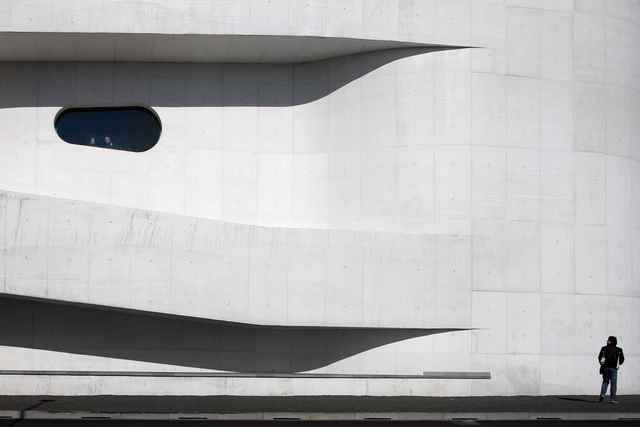
When it comes to contemporary Portuguese architecture, the initial association often leans towards tradition. The historical significance of the program, the importance of typologies for the locals, and the construction methods all play a role. These associations are not unfounded, but they are not limiting either. In this context, Portugal boasts a prominent figure who exemplifies this balance: Álvaro Siza Vieira.
Siza is the foremost representative of Portuguese architecture. There are many reasons for this distinction. It is not only because he was the first Portuguese architect to receive a Pritzker Prize in 1992 or for the Golden Lion at the Venice Biennale in 2012. It is not solely due to his extensive and prolific career. Above all, his unique and simultaneously universal approach to architecture sets him apart. His involvement on national and international fronts highlights a characteristic likely intrinsic to his nature: the ability to embody many facets within a singular entity, just like his compatriot Fernando Pessoa.




https://www.archdaily.com/1011353/the-multiple-facets-of-the-architect-exploring-the-works-of-alvaro-siza-vieiraHelena Tourinho
How Can Buildings Work for Everyone? The Future of Inclusivity and Accessibility in Architecture
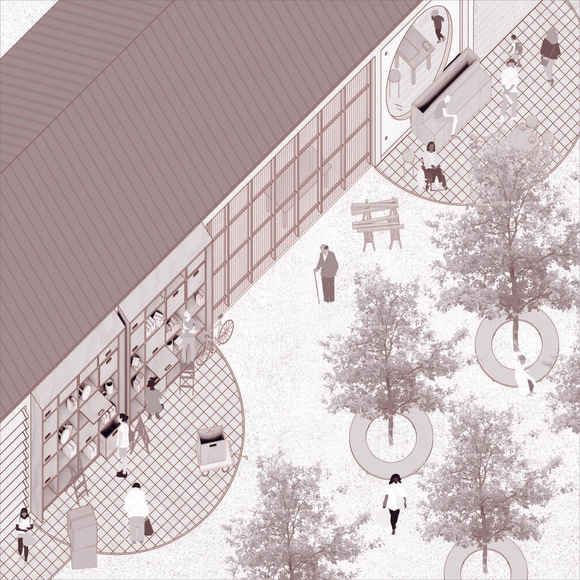
One of the most important challenges in architecture, when it comes to creating spaces that work for everyone, is the diversity that exists in people, their needs, and how to integrate them into a design. Disabilities are more than a condition; they are a way of living according to human diversity that requires architectural solutions of equivalent multiplicity.
According to data from the World Bank, it is estimated that 1 billion people –equivalent to 15% of the world's population– live with some type of disability. In the future, this percentage could increase considerably, given the global trend of aging populations. To face this growing challenge, architecture will have to adapt quickly, due to the role that built environments have in constituting a barrier or a path for the inclusion of people with different types of disabilities, seniors, as well as diverse groups who make up the human plurality.
https://www.archdaily.com/998667/how-can-buildings-work-for-everyone-the-future-of-inclusivity-and-accessibility-in-architectureEnrique Tovar
Understanding Urbanism: Harmony, Justice, and Poetry in Cities
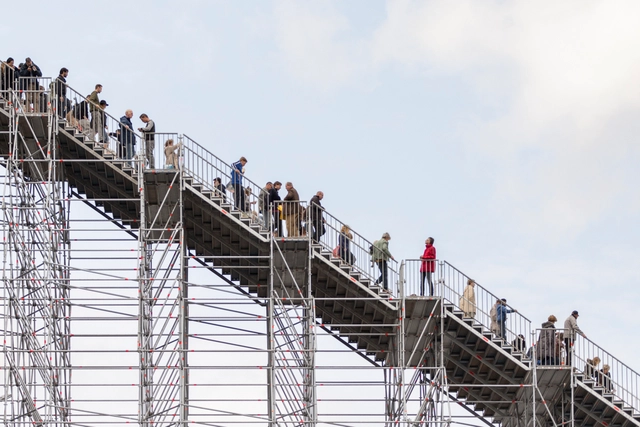
Cities are vibrant systems that hold meaning and move with the rhythm of the human life that powers it. In the fabric of urban landscapes, architects and urban designers collaborate to create spatial harmonies that extend beyond aesthetics and towards social justice and poetic expression. Citizens engage, becoming active participants in the ongoing narrative of the city - the metropolitan melody.
In 2023, ArchDaily wrote about the poetics of urbanism, exploring a future where cities meet its people’s social and emotional needs:


https://www.archdaily.com/1011604/understanding-urbanism-harmony-justice-and-poetry-in-citiesAnkitha Gattupalli
BIG Designs Immersive Set Design for the World Tour of WhoMadeWho

Architecture group BIG has unveiled the new stage design for the world tour of the Danish band WhoMadeWho. With visuals developed in collaboration with flora&faunavisions, EyeMix Studio, and Christopher Mulligan, the design features an inflatable sphere created to become a canvas for the three-dimensional video projections that contribute to the concert experience. The tour kicked off on November 2023 and will reach several cities around the world, including Paris, Madrid, Berlin, Istanbul, New York City, Los Angeles, Santiago de Chile, London as well as the band’s hometown, Copenhagen.




https://www.archdaily.com/1011785/big-designs-immersive-set-design-for-the-world-tour-of-whomadewhoMaria-Cristina Florian
DOGMA Receives 2023 RIBA Charles Jencks Award
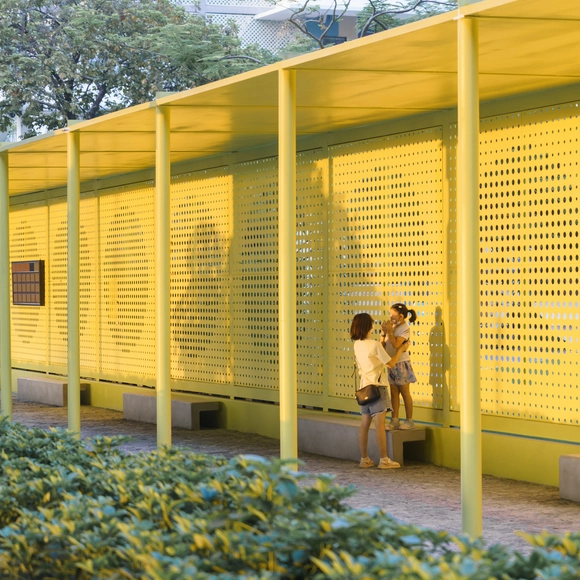
The Royal Institute of British Architects (RIBA), in collaboration with The Jencks Foundation at The Cosmic House, has announced that Dogma is the 2023 recipient of the Charles Jencks Award. Previously awarded to Zaha Hadid, Níall McLaughlin, Herzog & de Meuron, and OMA, the award celebrates other forms of thinking and production that can drive architecture beyond design. This year’s recipient, Dogma, is a Brussels-based architecture practice focusing on the interplay between architecture and urban environments.
https://www.archdaily.com/1011769/dogma-receives-2023-riba-charles-jencks-awardNour Fakharany
Bruno Stagno: "To Design Tropical Urbanism and Architecture, the first step is a Change of Attitude"
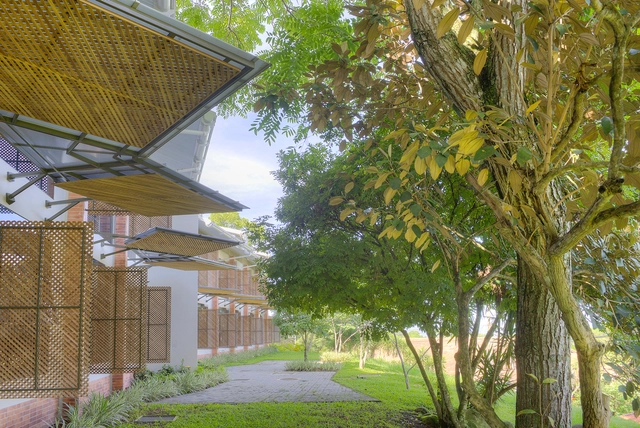
Bruno Stagno from Costa Rica not only reflects on how responses to the environment can be the main foundation for the inspiration and identity of architecture but also suggests going a step further, envisioning architecture for an entire latitude.
We discussed his current concerns and motivations, the shortcomings and necessary innovations in tropical cities, the relationship between academia and professional practice regarding the environment, and, above all, projections for the future of Costa Rican architecture.
https://www.archdaily.com/1010956/bruno-stagno-to-design-tropical-urbanism-and-architecture-the-first-step-is-a-change-of-attitudeFabian Dejtiar
30 Japanese Homes that Use Metal for Interior Accents
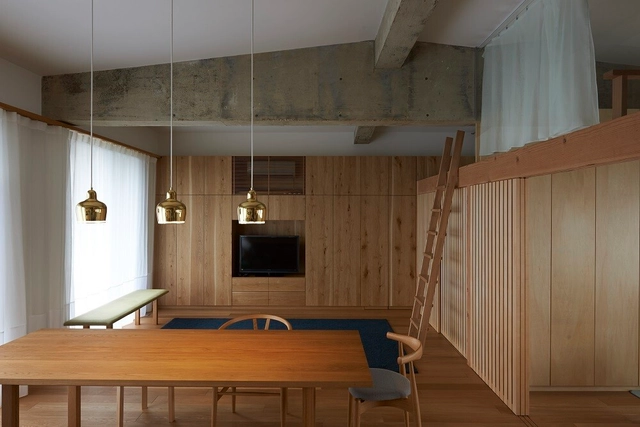
Contemporary Japanese interiors incorporate elements both of tradition and modernity to embody the country's innovative spirit while maintaining a profound respect for its history and cultural heritage. Though traditional materials like wood, paper, and bamboo continue to hold significance, modern Japanese interiors also often feature a fusion of glass, steel, concrete, and metals. The juxtaposition of smoother, sleeker textures and finishes with warmer and more organic ones reflects a dynamic synthesis of old and new, and results in visually striking and functional spaces that honor the essence of the country's design principles.


https://www.archdaily.com/1011731/30-japanese-homes-that-use-metal-for-interior-accentsClaire Brodka
How to Virtually Enlarge Spaces Using Good Lighting
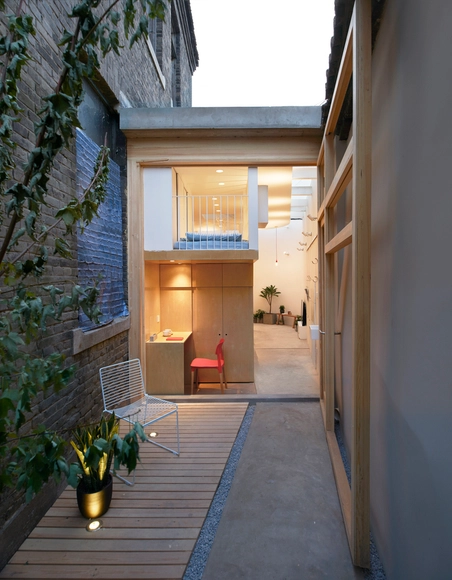
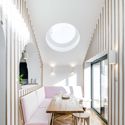
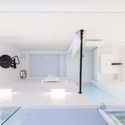
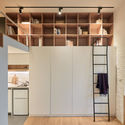


One of the most essential aspects of interior design is lighting – an element that can make or break an interior space of any size or material. Yet good lighting can be especially important for smaller or more crowded spaces, making them feel larger and more open even when their literal dimensions haven’t changed. In turn, larger spaces with poor lighting may feel smaller and less welcoming than they have the potential to be. To make interiors feel aptly large and well lit, designers can rely on several tried and true methods that make the most of a space, from using the right shades and types of lights to placing them in the best locations to integrating other elements that best complement existing lighting. These strategies, as well as several examples of their application, are listed below.
https://www.archdaily.com/947631/how-to-virtually-enlarge-spaces-using-good-lightingLilly Cao
Bologna's 12th Century 'Leaning Tower' Set to Undergo Extensive Restorations after Fear of Collapse
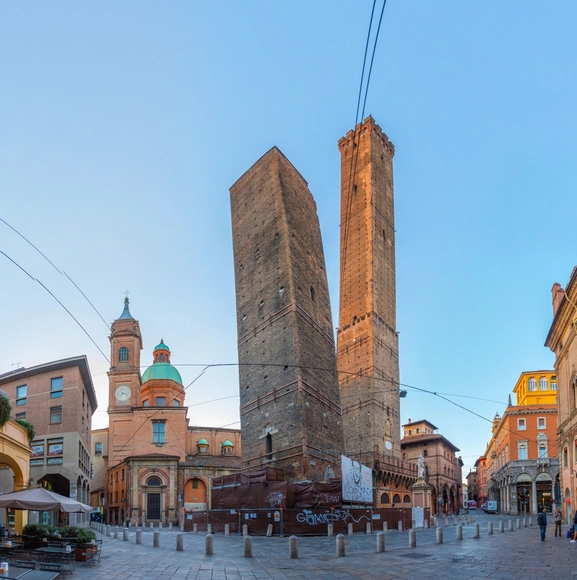
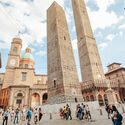
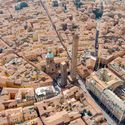
Bologna officials announced plans to secure and repair the leaning Garisenda Tower, a medieval structure in the center of the Italian city. Earlier last month, the area surrounding the tower was secured after raising fears of collapse, as monitoring has found shifts in the direction of the tilt. The 47-meter-tall tower leans at a four-degree angle, similar to its more famous counterpart, Leaning Tower of Pisa. The Garisenda Tower has been a defining feature of Bologna’s skyline along with its neighboring Asinelli Tower, which is around twice the height and also leans, though at a smaller angle, and is usually open for tourists to climb.



https://www.archdaily.com/1011743/bolognas-12th-century-leaning-tower-set-to-undergo-extensive-restorations-after-fear-of-collapseMaria-Cristina Florian
NEOM Unveils Leyja: A New Tourism Destination in Northwest Saudi Arabia
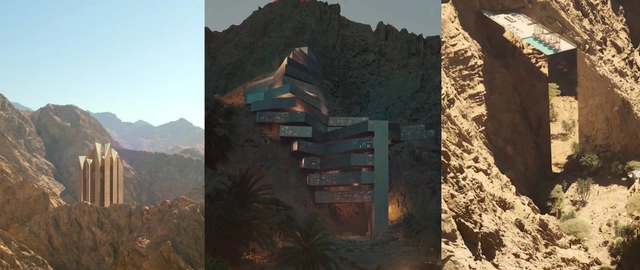
NEOM has just unveiled “Leyja” as a new tourism destination in Northwest Saudi Arabia. Featuring three different hotels by world-renowned architects, the Leyja region is located in an ancient valley overhung by mountains 400 m tall. The project includes a staggering hotel by Chris van Duijn, a mirrored hotel by Shaun Killa, and a vertical rock hotel by Mario Cucinella. In an attempt to support sustainable tourism, the destination is part of the Saudi Vision 2030.


https://www.archdaily.com/1011730/neom-unveils-leyja-the-trio-tourist-destination-in-saudi-arabiaNour Fakharany
Mendoza Architecture Guide: 10 Sites to Explore the City of Canals
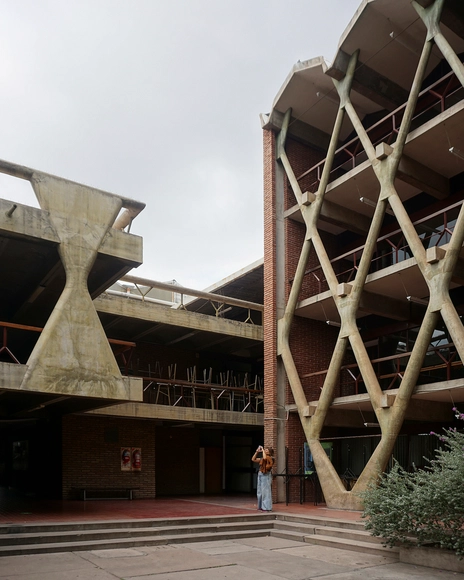
There are reasons to visit the city of Mendoza: it serves as both the gateway to Argentine wine tourism and a diverse collection of historically and architecturally significant buildings. From the Museum of the Foundational Area to the renowned Faculty of Architecture at the University of Mendoza, this guide invites you to explore a cultural and scenic richness reflected in every facade and every street. The city's public spaces not only blend with the natural surroundings of the vast Andes but also harmonize with a system of irrigation channels and urban greenery that can be appreciated at every moment of the journey.
https://www.archdaily.com/1010955/mendoza-architecture-guide-10-sites-to-explore-the-city-of-canalsFabian Dejtiar
DAAR Presents "Concrete Tent" at Sharjah Architecture Triennial 2023
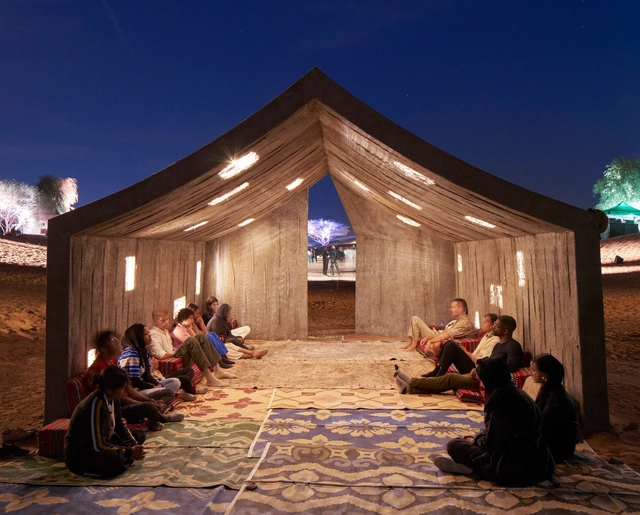
The Sharjah Triennial debuted on November 11th, 2023, with the theme of The Beauty of Impermanence: An Architecture of Adaptability. At the center of the abandoned 1970s “Al Madam,” in the eastern desert of Sharjah, the “Concrete Tent”, created by DAAR, an experimental Palestinian and Swedish Studio, combines elements of a mobile tent and a concrete house. Overall, the tent explores the notion of “permanent temporariness.”



https://www.archdaily.com/1011564/daar-presents-concrete-tent-at-sharjah-architecture-triennial-2023Nour Fakharany
The Paradox of Sustainable Architecture: Durability and Transience
To convey the might and prestige of their empire, the Romans constructed enduring architecture as symbols of their long-lasting reign. Emperors employed grand public works as assertions of their status and reputation. Conversely, Japanese architecture has long embraced ideas of change and renewal, evident in the ritualistic rebuilding of Shinto shrines. A practice, known as shikinen sengu, is observed at Ise Jingu, where the shrine is purposefully dismantled and reconstructed every twenty years. Across the world, philosophies around permanence and impermanence pervaded architectural traditions. Amidst the climate crisis, how do these tenets apply to modern architectural design?


https://www.archdaily.com/1001999/the-paradox-of-sustainable-architecture-durability-and-transienceAnkitha Gattupalli
Community Jameel Center in Downtown Cairo: Modernist and Mamluk Architecture Captured by Ebrahim Bahaa Eldin
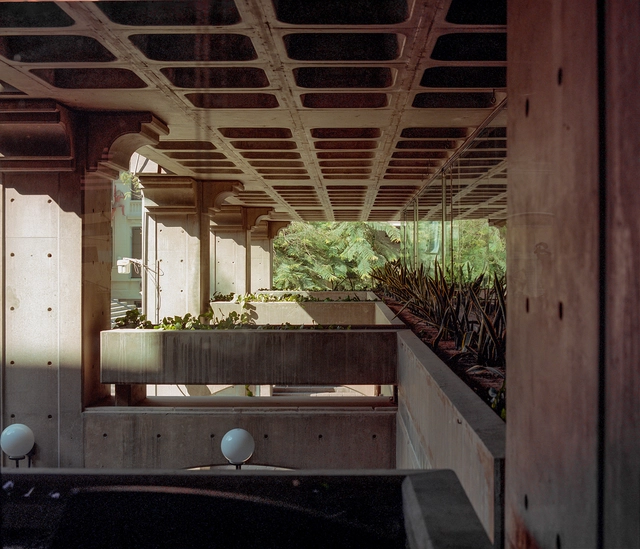
In Downtown Cairo, the Jameel Center pays homage to modernism and Mamluk architectural heritage. The Abdul Latif Jameel Center for Middle East Management Studies illustrates effective and adaptable architecture. The old business education building, a monument in Cairo's multi-layered architectural and academic heritage with staple elements such as concrete façades, has Mamluk-inspired arches, and wooden mashrabiyyas. Photographer Ebrahim Bahaa Eldin captures this unique architecture and its surrounding environment.


https://www.archdaily.com/1003683/community-jameel-center-in-downtown-cairo-modernist-and-mamluk-architecture-captured-by-ebrahim-bahaa-eldinNour Fakharany
Vinyl Flooring: An Affordable and Versatile Option for Your Construction
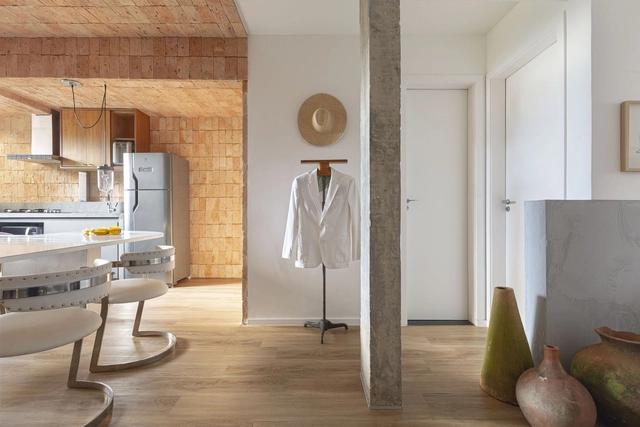
One of the most popular choices in the construction market, vinyl flooring has various characteristics that have elevated it to this level. Composed mainly of polyvinyl chloride (PVC) - and with other additives, depending on its production, such as plasticizers, fiberglass, resins, and/or minerals - it is a durable, affordable, and easily installable material that can be applied in a variety of environments.



https://www.archdaily.com/1010929/vinyl-flooring-an-affordable-and-versatile-option-for-your-constructionArchDaily Team
A Production Facility in Germany and An Observatory in Athens: 8 Unbuilt Multi-Functional Projects Submitted by the ArchDaily Community
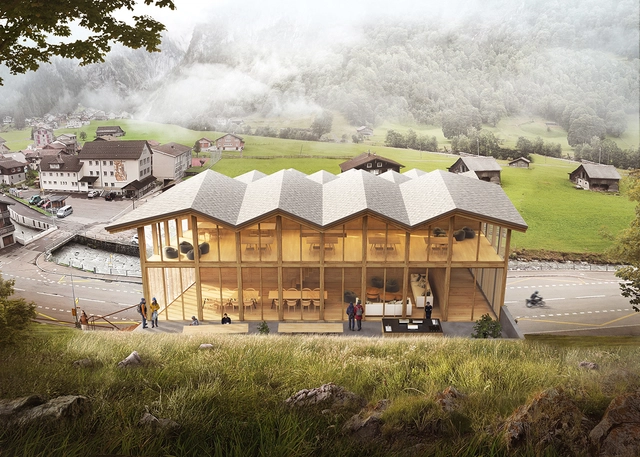
Urban environments are constantly evolving, with cities becoming the hubs of cultural diversity and economic life. In fact, the globe is speeding towards a future in which 70% of people will live in cities by 2050. Architects are at the core of this revolutionary movement, rethinking the nature of a city due to this urban surge. In response to this immense focus on newer and more diverse cities, architects and designers are leaning towards multifunctional and mixed-use projects. Attracting diverse crowds of people, mixed-use architecture explores the maximum potential of what a structure can serve.
Highlighting architecture firms such as Atelier 333, MOR Architects, BXB studio Bogusław Barnaś, Beek Architects, Frey Architekten, and Kalbod Design Studio, among others, the forthcoming exploration unveils a collection of unbuilt architectural projects submitted to ArchDaily that champion multi-function in their design. From the innovative Plata.forma in Laqlouq to the maritime haven of The Ark and the Swiss House's harmonious alpine blend, these projects redefine urban living.


https://www.archdaily.com/1009650/a-production-facility-in-germany-and-an-observatory-in-athens-8-unbuilt-multi-functional-projects-submitted-by-the-archdaily-communityNour Fakharany
From Trash to Ornament: Architects and Designers Give New Life to Discarded Objects
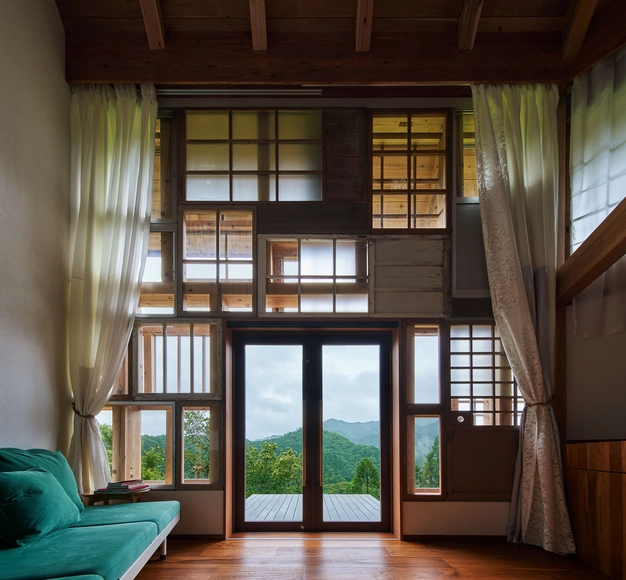
A vital aspect of a circular economy lies in shifting our view of waste. Labeling an item "waste" implies voiding its value and ending its useful role in a traditionally linear economy. While the item might be out of sight and out of mind, its life continues in the landfill. This shift in perspective regarding waste means opening our minds to the opportunity that the abundance of junk presents. These designers and architects have managed to not only effectively reclaim discarded objects but also to make them look precious, imbuing them with new meaning and value through their careful curation.


https://www.archdaily.com/1009137/from-trash-to-ornament-architects-and-designers-give-new-life-to-discarded-objectsCarla Bonilla Huaroc
The Second Studio Podcast: The Best Way to Hire a Contractor, Pre-Construction and Other Methods
The Second Studio (formerly The Midnight Charette) is an explicit podcast about design, architecture, and the everyday. Hosted by Architects David Lee and Marina Bourderonnet, it features different creative professionals in unscripted conversations that allow for thoughtful takes and personal discussions.
A variety of subjects are covered with honesty and humor: some episodes are interviews, while others are tips for fellow designers, reviews of buildings and other projects, or casual explorations of everyday life and design. The Second Studio is also available on iTunes, Spotify, and YouTube.
This week David and Marina of FAME Architecture & Design discuss the different ways contractor’s are hired and the pros and cons of each: Negotiated Agreement, Competitive Bidding, Design Build, and Pre-Construction. The two cover the processes, the role of the architect throughout, controlling project costs, and more.

https://www.archdaily.com/1011636/the-best-way-to-hire-a-contractor-pre-construction-and-other-methodsThe Second Studio Podcast
The 126 Best Architecture Books
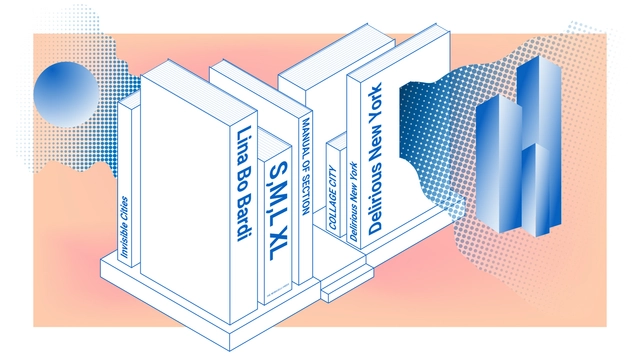
Architecture has deep wells of research, thought, and theory that are unseen on the surface of a structure. For practitioners, citizens interested, and students alike, books on architecture offer invaluable context to the profession, be it practical, inspirational, academic, or otherwise. So, for those of you looking to expand your bookshelf (or confirm your own tastes), ArchDaily has gathered a broad list of architectural books that we consider of interest to those in the field.
In compiling this list, we sought out titles from different backgrounds with the aim of revealing divergent cultural contexts. From essays to monographs, urban theory to graphic novels, each of the following either engage directly with or flirt on the edges of architecture.
The books on this list were chosen by our editors, and are categorized loosely by type. Read on to see the books we consider valuable to anyone interested in architecture.
https://www.archdaily.com/901525/116-best-architecture-books-for-architects-and-studentsArchDaily Team
Defining Afro-Contemporary Homes: The Role of Case Study Houses
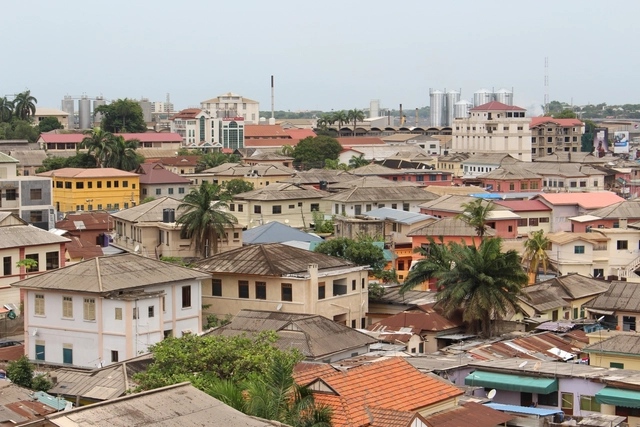
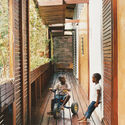
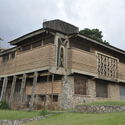
The home is a fundamental expression of architectural movements within the fabric of a city. As one of the smallest typologies, it is the simplest canvas to exhibit the design ethos of any particular era. African cities have continuously negotiated the meaning of their residential dwellings, from traditional architecture to colonial architecture, and the influx of post-colonial modern architecture. Vernacular architecture explored homes with spatial patterns rooted in cultural dexterity, envelopes built with indigenous materials and forms, endowed with traditional motifs. These were in stark contrast to colonial homes that featured a range of imported architectural styles across the continent, neglecting their climatic and cultural contexts while amplifying social class.



https://www.archdaily.com/999189/defining-afro-contemporary-homes-the-role-of-case-study-housesPaul Yakubu
Toyo Ito Donates His Archive to CCA for Broad Research Access
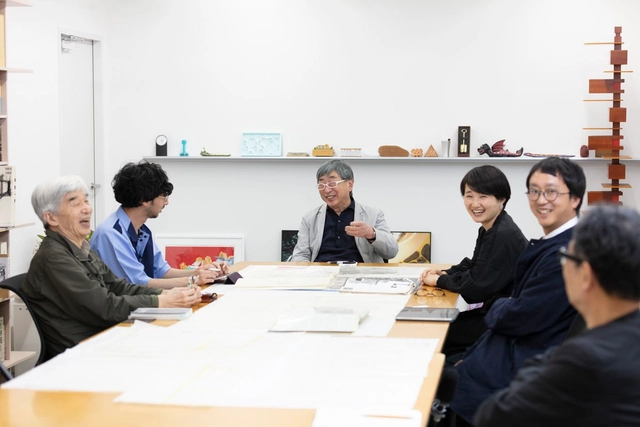
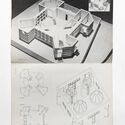
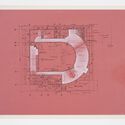
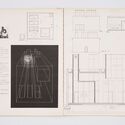
Architect Toyo Ito has donated his archive of architectural works to the Canadian Centre for Architecture (CCA), an international research institution and museum focused on increasing the accessibility of architectural knowledge. Toyo Ito is now contributing to the CCA Collection, which contains over 200 archival holdings, following his intention to encourage new research into his work and to put it in dialogue with other artifacts held by the institution. On December 6, 2023, the early works of the architect have arrived at the CCA.


https://www.archdaily.com/1011695/toyo-ito-donates-his-archive-to-cca-for-broad-research-accessMaria-Cristina Florian
Doha's Contemporary Architecture Through the Lens of Pygmalion Karatzas
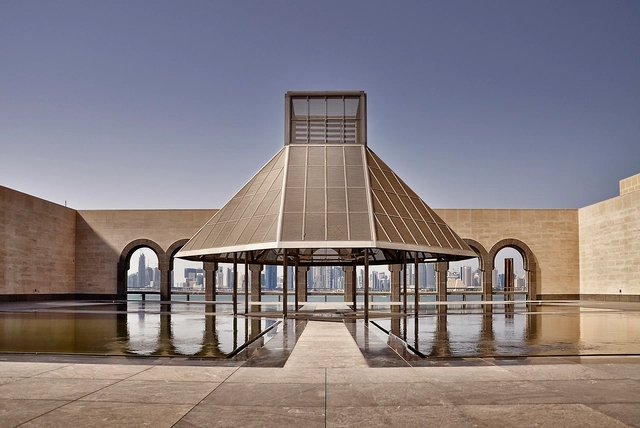
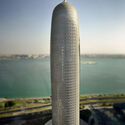
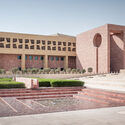
Doha, the capital of Qatar, is the residence of more than 90% of the country's population, which amounts to about 1.7 million people, with over 80% being professional expatriates. In its historical past, Doha was primarily a fishing and pearl diving town, characterized by numerous traditional individual houses until the mid-1960s. Modernizing the city occurred mainly during the 1970s, although its pace slowed in the 1980s and early 1990s. However, Qatar has recently emerged as one of the world's fastest-growing economies, lending significant geostrategic importance to Doha.
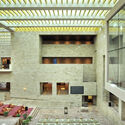
The country's development vision revolves around reducing dependence on natural resources and embracing a knowledge-based economy encompassing international universities, high-tech industries, IT services, and advanced producer services. Much of the coastline, including the corniche, has been artificially constructed. Several notable areas contribute significantly to the evolving character of the city. The city’s contemporary architecture has been captured through the lens of photographer Pygmalion Karatzas.


https://www.archdaily.com/1001806/dohas-contemperary-architecture-through-the-lens-of-pygmalion-karatzasNour Fakharany
Subtle Radiance: Transforming Spaces With Woodwork and Furniture Lighting
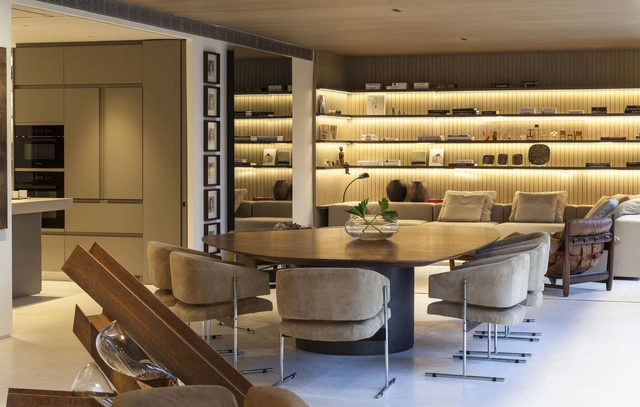
Well-planned lighting makes all the difference in an interior design project, impacting various aspects. It goes beyond mere aesthetics to play a crucial role in creating atmospheres capable of influencing and altering people's emotions and perceptions within spaces. While direct lighting can provide overall and uniform brightness, ensuring proper illumination for daily activities, indirect lighting offers a more subtle and effective approach, which creates cozy, gentle, and pleasant environments.





https://www.archdaily.com/1010946/subtle-radiance-transforming-spaces-with-woodwork-and-furniture-lightingAdele Belitardo
In Warsaw, a Student-Designed Architectural Response to Dark Times
This article was originally published on Common Edge.
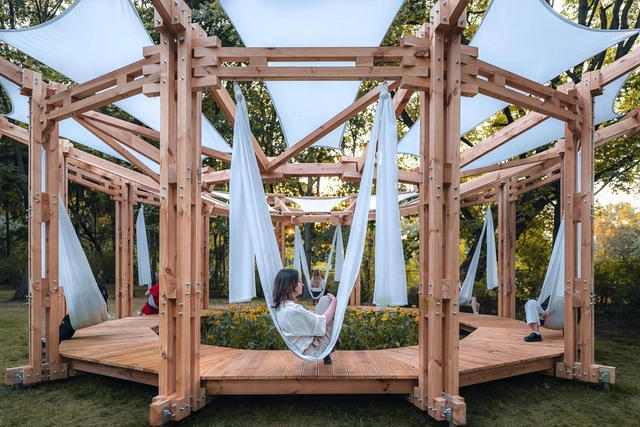
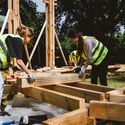
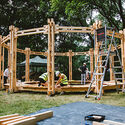
As this bloody year draws to a close, at a moment when the message “Peace on Earth” seems altogether mute, one might well ask: What power does architecture have? How can it address violence against innocent people, whose lives have been turned upside down? How does architecture respond to staggering cruelty? What can it say? Can it raise consciousness?




https://www.archdaily.com/1011673/in-warsaw-a-student-designed-architectural-response-to-dark-timesMichael J. Crosbie