This article was originally published on Common Edge.
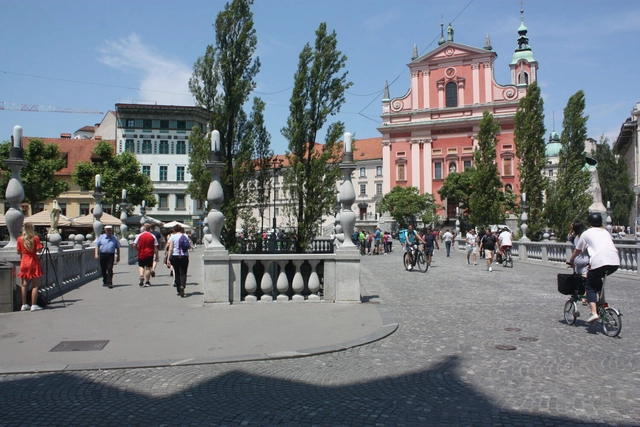
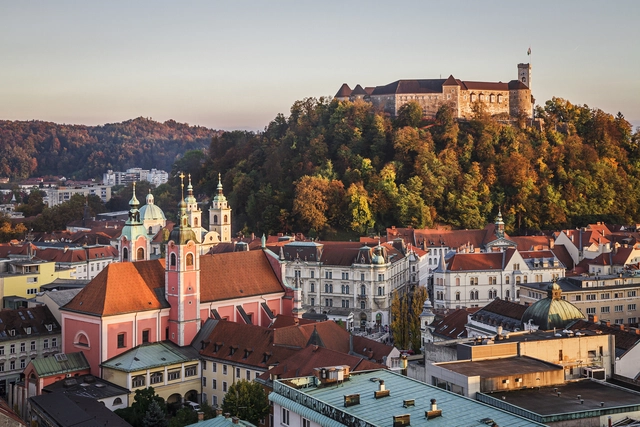
Recently I traveled to Ljubljana, Slovenia, in search of the religious architecture of the celebrated (but largely unknown in the U.S.) Slovenian architect Jože Plečnik (1872–1957). I write a lot about the architecture of spirituality, and I was curious about Plečnik’s churches and chapels—what the architect’s idiosyncratic form of classicism said about faith in a Modern age. What I didn’t expect to find was the universal nature of Plečnik’s work as an urbanist: a re-maker of the Slovenian capital that holds lessons for us today.

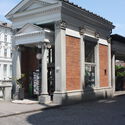
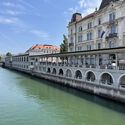
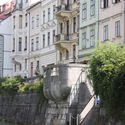



























.jpg?1541826771&format=webp&width=640&height=580)
.jpg?1541818589 "© Will Pryce")
.jpg?1541818574 "© Will Pryce")
.jpg?1541818665 "© Will Pryce")
.jpg?1541818615 "© Will Pryce")
.jpg?1541826771)





.jpg?1479858598&format=webp&width=640&height=580)
.jpg?1479858708 "© Matevž Paternoster")
.jpg?1479858614 "© Matevž Paternoster")
.jpg?1479858376 "© Matevž Paternoster")
.jpg?1479858681 "© Matevž Paternoster")
.jpg?1479858598)