Nomadic Architecture: Why Tomorrow's Buildings Might Need to Move

Subscriber Access

In early Mongolia, herders dismantle their yurt - a portable round tent made of felt or animal skin - in pursuit of new lands where they can raise their livestock. Not much further away is a digital nomad in Bali, preparing their next move into a co-living space in Ho Chi Minh City. Though separated by vast distances and cultural divides, these individuals are united by a timeless human desire - a quest mobility and adaptable living spaces. In light of geopolitical changes and emerging lifestyles, the demand for flexible residential architecture intensifies. In this era of increased mobility, is it enough for people alone to move, or will the buildings of tomorrow need to follow suit?

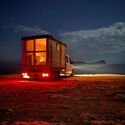
Nomadic Architecture: Why Tomorrow's Buildings Might Need to Move - Image 2 of 7Nomadic Architecture: Why Tomorrow's Buildings Might Need to Move - Image 3 of 7Nomadic Architecture: Why Tomorrow's Buildings Might Need to Move - Image 4 of 7Nomadic Architecture: Why Tomorrow's Buildings Might Need to Move - Image 5 of 7Nomadic Architecture: Why Tomorrow's Buildings Might Need to Move - More Images+ 2

Content Loader

Image gallery

See allShow less
About this author
Cite: Ankitha Gattupalli. "Nomadic Architecture: Why Tomorrow's Buildings Might Need to Move" 03 Feb 2025. ArchDaily. Accessed . <https://www.archdaily.com/1026393/nomadic-architecture-why-tomorrows-buildings-might-need-to-move> ISSN 0719-8884

You've started following your first account!

Did you know?

You'll now receive updates based on what you follow! Personalize your stream and start following your favorite authors, offices and users.