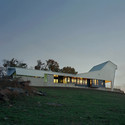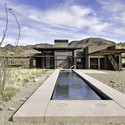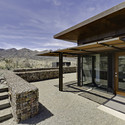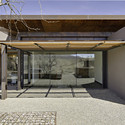



-
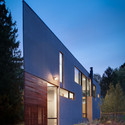
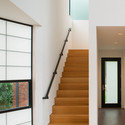
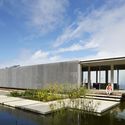
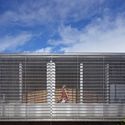
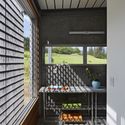
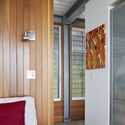
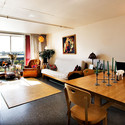
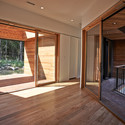
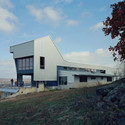
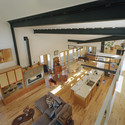
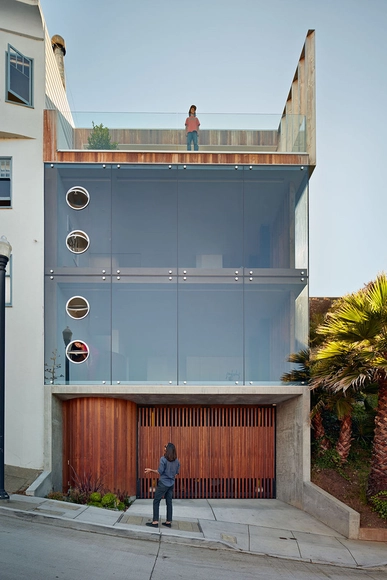
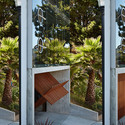
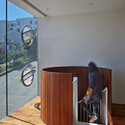
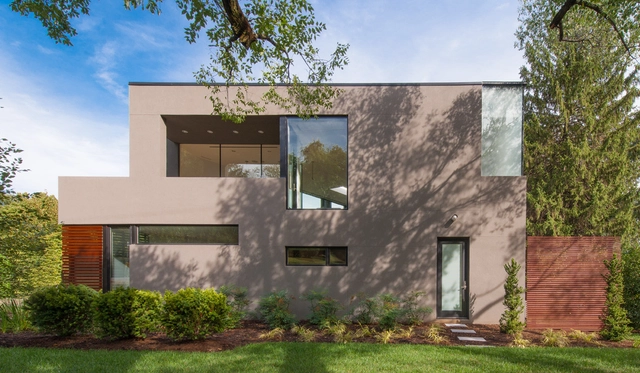
Architects: Craig Steely Architecture
- Area: 1900 ft²
- Year: 2013


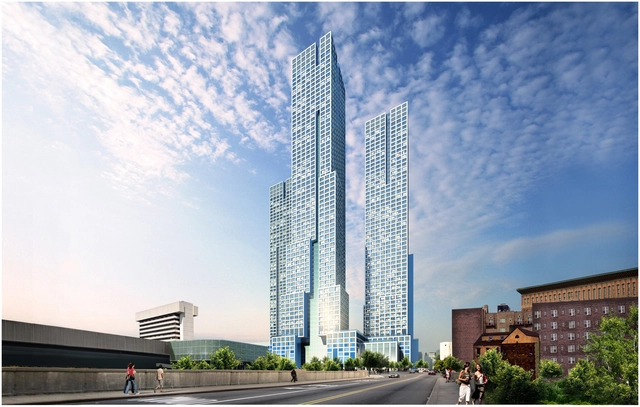
Jersey City’s Journal Square will soon reach new heights, as Hollwich Kushner (HWKN) and Handel Architects have broken ground on what will be the tallest building in New Jersey: Journal Squared. The transit-oriented urban renewal project will be completed in three phases; the first, which will add 540 residential units to the area, is planned for completion in mid-2016. Once the 2.3 million square foot project is complete, three metal panel clad towers will dominated the skyline, ultimately totaling in 1,840 units and reaching up to 70 stories.


The AA Visiting School is a satellite programme of the Architectural Association School of Architecture in London, and will be taking place in Los Angeles for the first time, from June 16 to June 27. The programme is broken up into research clusters that will be led by individual tutors based on the theme of “Machining Adaptive Living.”

A vision by Jon Lott (PARA-Project), William O’Brien Jr. (WOJR), and Michael Kubo (over,under), Collective–LOK’s compelling proposal to reimagine MoMA PS1’s triangular courtyard with a billowing “urban mirror” was one of five finalists shortlisted for the annual competition’s 15th edition. Though the Living’s compostable brick tower was ultimately crowned winner, the Collective-LOK’s Mirror Mirror was an intriguing proposal that transcended the boundaries of the site.

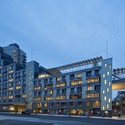
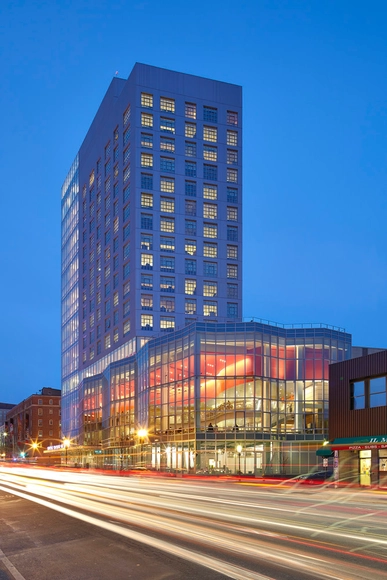
Built in 1964 during his tenure as Dean at the Graduate School of Design, Josep Lluís Sert’s Peabody Terrace provides housing for almost 1500 Harvard graduate students and their families. One of several projects Sert designed for Harvard’s campus, it is a manifestation of his vision for the ideal neighborhood. Many elements such as the negotiation of scale, mixed use program, shared open space and design aesthetic were influenced by but represent a departure from earlier modern housing projects.
Peabody Terrace is a prototypical example of a twentieth-century project heralded by the architectural community as an exemplar of progressive modern ideals, but lambasted by neighbors and members of the general public for being unattractive, cold and imposing. This project and others like it highlight the disconnect that can occur between the architectural intelligentsia and the communities in which they build.

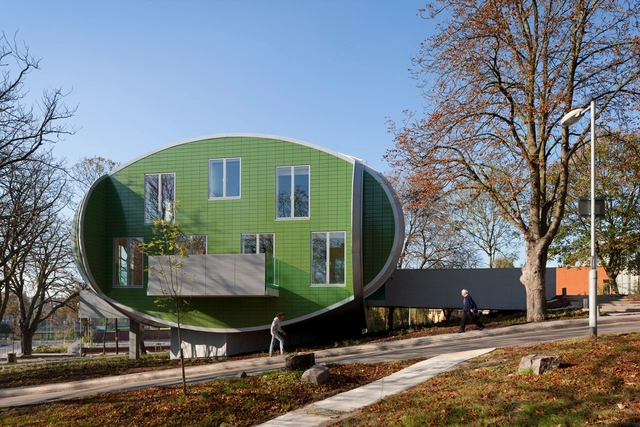
Maggie’s Cancer Caring Centres are for anyone affected by cancer. Built on the grounds of cancer hospitals, they are designed to be warm, welcoming places that provide practical, emotional, and social support. Conceived by the late Maggie Keswick Jencks, along with her husband Charles Jencks, as a direct response to her own experience with cancer, the first Maggie’s Centre in Edinburgh opened its doors to the public in 1996. Since then, Maggie’s has grown to 17 centers across the United Kingdom and beyond, with many more to follow.

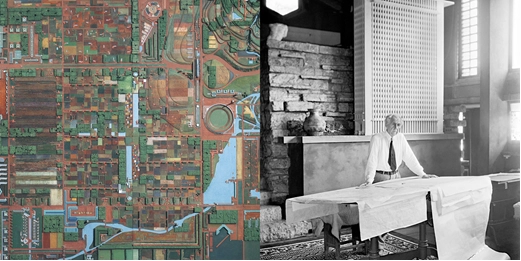
Frank Lloyd Wright and the City: Density vs. Dispersal