

-
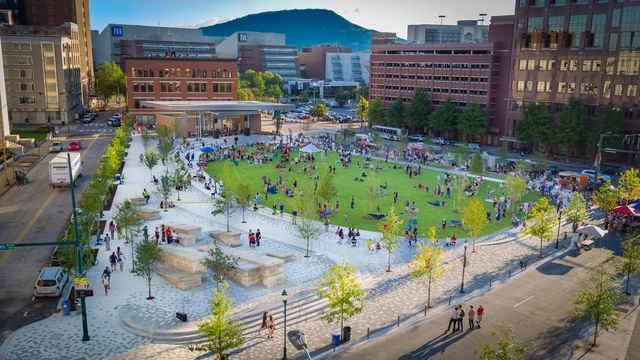
Architects: BNIM, Ennead Architects
- Area: 186111 ft²
- Year: 2017
-
Professionals: Walter P. Moore & Associates, BG Consultants Inc., Confluence, el dorado inc, Henderson Engineers Inc., +1


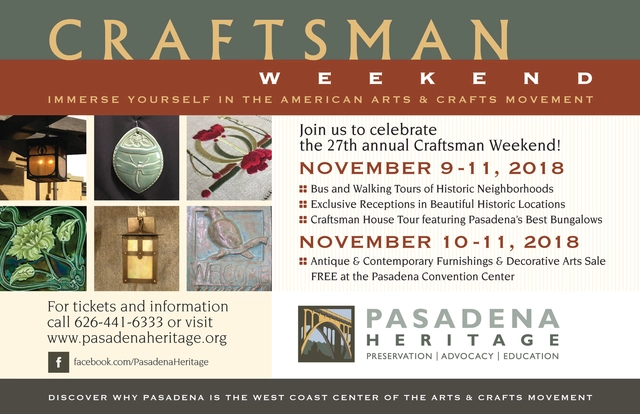
In its 27th year, Pasadena Heritage will present the Annual Craftsman Weekend on November 9-11, 2018. The weekend will feature house tours of notable Craftsman properties, along with bus and walking tours of the surrounding neighborhoods. Other events scheduled include a 'Show and Sale' with exhibitors of antique and contemporary furniture and decorative arts, a silent auction, workshops, and presentations. In addition, Pasadena Heritage will be offering exclusive receptions at historic locations throughout the weekend.
Download the information related to this event here.
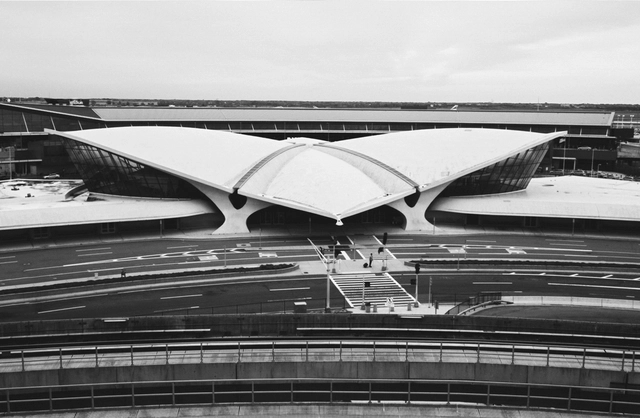
This article was originally published on June 16, 2016. To read the stories behind other celebrated architecture projects, visit our AD Classics section.
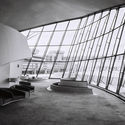
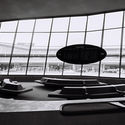
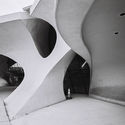
Built in the early days of airline travel, the TWA Terminal is a concrete symbol of the rapid technological transformations which were fueled by the outset of the Second World War. Eero Saarinen sought to capture the sensation of flight in all aspects of the building, from a fluid and open interior, to the wing-like concrete shell of the roof. At TWA’s behest, Saarinen designed more than a functional terminal; he designed a monument to the airline and to aviation itself.
This AD Classic features a series of exclusive images by Cameron Blaylock, photographed in May 2016. Blaylock used a Contax camera and Zeiss lenses with Rollei black and white film to reflect camera technology of the 1960s.
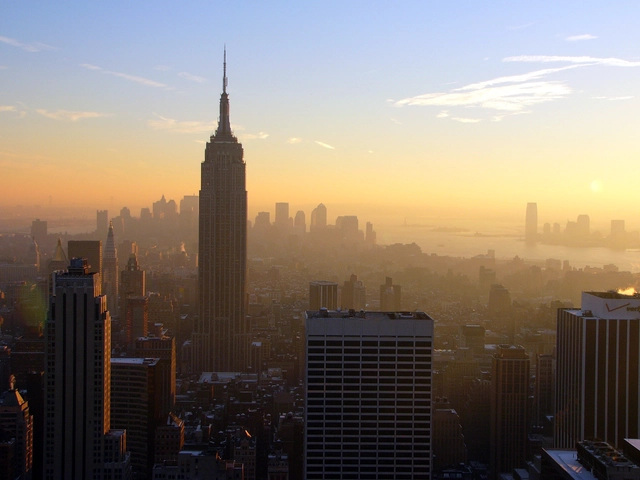
This article was originally published on December 5, 2016. To read the stories behind other celebrated architecture projects, visit our AD Classics section.
Even in Manhattan—a sea of skyscrapers—the Empire State Building towers over its neighbours. Since its completion in 1931 it has been one of the most iconic architectural landmarks in the United States, standing as the tallest structure in the world until the Twin Towers of the World Trade Center were constructed in Downtown Manhattan four decades later. Its construction in the early years of the Great Depression, employing thousands of workers and requiring vast material resources, was driven by more than commercial interest: the Empire State Building was to be a monument to the audacity of the United States of America, “a land which reached for the sky with its feet on the ground.”[1]

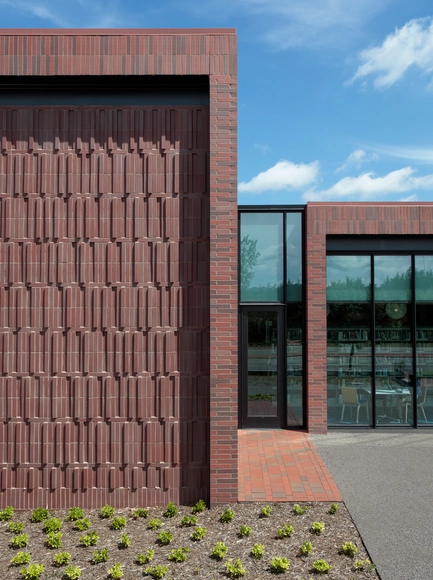
_7737.jpg?1538845482&format=webp&width=640&height=580)
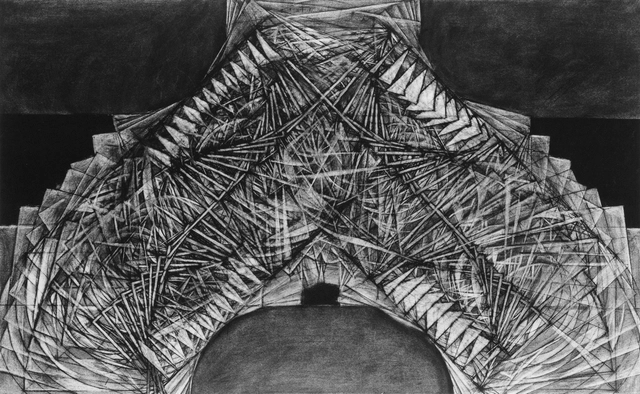
This exhibition celebrates The Irwin S. Chanin School of Architecture's experimental and influential pedagogy by presenting undergraduate Thesis projects completed at the school over the past 50 years.

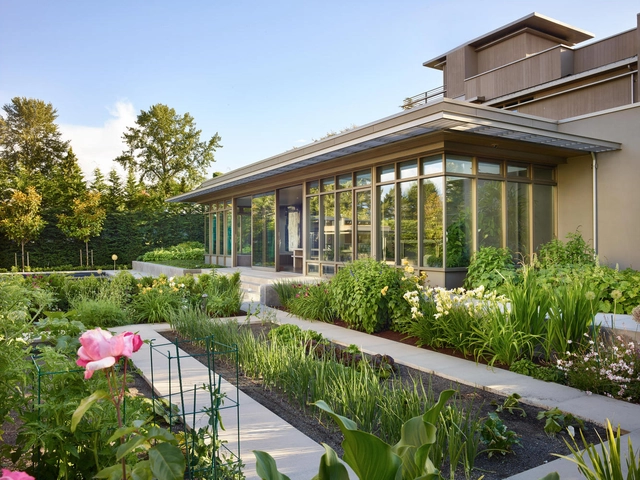

.jpg?1463595741&format=webp&width=640&height=580)
This article was originally published on July 22, 2016. To read the stories behind other celebrated architecture projects, visit our AD Classics section.
The New Museum is the product of a daring vision to establish a radical, politicized center for contemporary art in New York City. With the aim of distinguishing itself from the city’s existing art institutions through a focus on emerging artists, the museum’s name embodies its pioneering spirit. Over the two decades following its foundation in 1977, it gained a strong reputation for its bold artistic program, and eventually outgrew its inconspicuous home in a SoHo loft. Keen to establish a visual presence and to reach a wider audience, in 2003 the Japanese architectural firm SANAA was commissioned to design a dedicated home for the museum. The resulting structure, a stack of rectilinear boxes which tower over the Bowery, would be the first and, thus far, the only purpose-built contemporary art museum in New York City.[1]
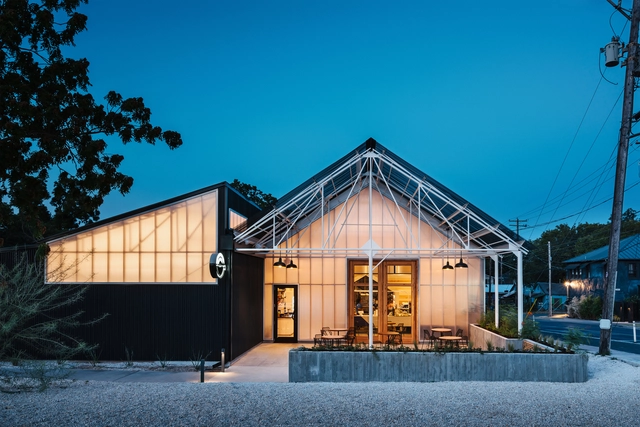










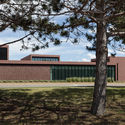

_0317.jpg?1538845529 "© Costea Photography, Inc.")
_0433.jpg?1538845552 "© Costea Photography, Inc.")
_7668V2.jpg?1538845469 "© Costea Photography, Inc.")
_8591V4.jpg?1538845493 "© Costea Photography, Inc.")
_7737.jpg?1538845482)

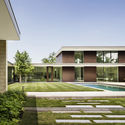
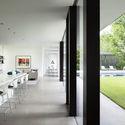
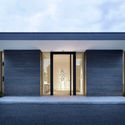




.jpg?1463596013 "© Laurian Ghinitoiu")
.jpg?1463595919 "© Laurian Ghinitoiu")
.jpg?1463596094 "© Laurian Ghinitoiu")
.jpg?1463595878 "© Laurian Ghinitoiu")
.jpg?1463595741)